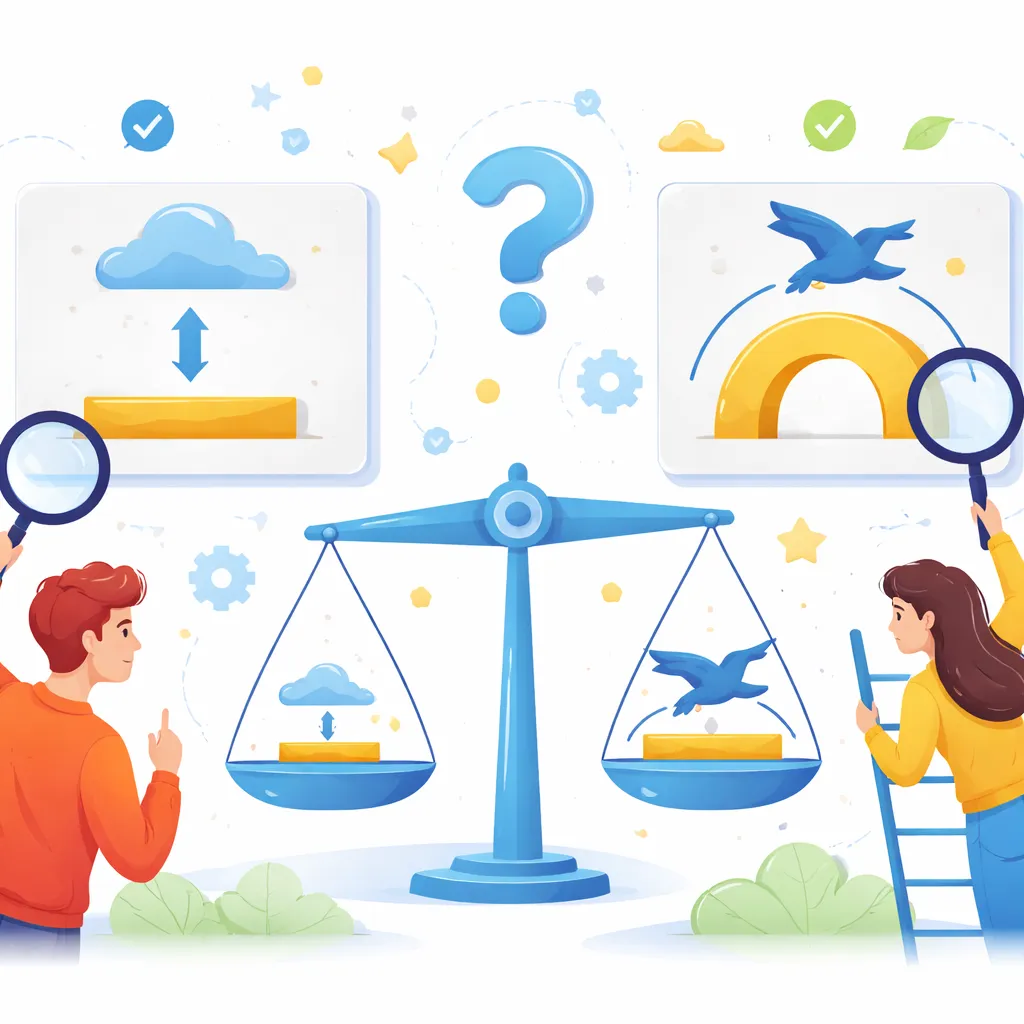

Children learn “above” early. They also learn “over”. These two words seem the same. Many parents wonder if “above and over” are always interchangeable. They are very similar but not identical. A plane above the clouds is different from a bridge over a river. Above freezing is different from over the limit. Kids need clear examples. Parents can help by pointing out everyday situations. This article gives you simple rules. You will find friendly explanations. Let’s explore “above and over” together.
Are Similar Words Really Interchangeable? Similar words often cause confusion. “Above and over” seem like perfect twins. Both mean higher than something. But you cannot always swap them. A light above the table works. A light over the table also works but suggests covering. A blanket over you works. A blanket above you sounds strange. Language gives each word a special job. Children benefit from knowing these jobs. Parents can help by using both words naturally. This article focuses only on “above and over”. We will compare them step by step.
Set 1: Above vs Over — Which One Is More Common? “Over” appears more often in daily conversation. We say over here. We say over the weekend. We say over the moon. “Above” appears less often. We say above average. We say above the law. We say above freezing. For everyday talk, “over” wins easily. Children hear “over” for position, time, and numbers. “Above” sounds more precise or formal. Over the table is normal. Above the table is also fine but feels more exact. Parents can teach this by using “over” for most situations. Save “above” for measurements, levels, and abstract comparisons.
Set 2: Above vs Over — Same Meaning, Different Contexts Sometimes “above and over” describe the same position. A bird flies above the house. A bird flies over the house. The meaning changes slightly. “Above” suggests a higher position without movement. “Over” suggests crossing or covering. Consider a number. Above ten means more than ten. Over ten also means more than ten. Both work for numbers. Consider a person. A captain is above you in rank. A captain is over you also works but suggests authority. For children, explain it this way. “Above” is for exact higher position or level. “Over” is for covering, crossing, or authority. Use “above” for measurements. Use “over” for movement and covering.
Set 3: Above vs Over — Which Word Is “Bigger” or More Emphatic? “Over” often feels more emphatic and active. It suggests movement or coverage. The plane flew over the city sounds dynamic. The plane flew above the city sounds static. “Over” also suggests excess. Overcooked. Overpriced. Overjoyed. “Above” feels calmer and more exact. Above sea level. Above zero. For children, this difference appears in descriptions. “The sun is over the mountains” suggests the sun is moving or rising. “The sun is above the mountains” suggests a fixed position. Parents can practice by describing a helicopter. “The helicopter hovered above the building” (still). “The helicopter flew over the building” (moving). Use “over” for action. Use “above” for position.
Set 4: Above vs Over — Concrete vs Abstract Both “above and over” work for concrete and abstract things. A sign above the door (concrete). Above suspicion (abstract). A bridge over water (concrete). Over the limit (abstract). But “over” leans more toward abstract excess and time. Over budget. Over the weekend. “Above” leans more toward abstract comparisons and standards. Above average. Above reproach. For children, this is a helpful guide. Use “above” for levels, standards, and exact positions. Use “over” for covering, crossing, excess, and time. Above the line. Over the river. Parents can make two columns. One column for above things (sea level, freezing, expectations). One column for over things (bridge, rainbow, budget, weekend).
Set 5: Above vs Over — Verb or Noun? First Understand the Role Both “above and over” are prepositions. “Over” also works as an adjective, adverb, and noun. “The over is done” uses “over” as a noun in cricket. “Game over” uses “over” as an adjective. “Above” works as an adverb and adjective too. “The above statement” uses “above” as an adjective. Children do not need these advanced uses. Focus on the preposition meanings. The clock is above the door. The blanket is over the child. A useful tip: use “above” for things that do not touch. Use “over” for things that cover, cross, or touch. A light above the table (not touching). A cloth over the table (touching and covering). Teach your child to ask: Does it cover or cross? If yes, use “over”. If just higher, use “above”.
Set 6: Above vs Over — American English vs British English American and British English treat “above and over” almost the same. One small difference: British English uses “over” more often for numbers. “Over ten pounds” is common in both, but British English also uses “above ten pounds” less often. Another difference: authority. British English says “above you in rank” more often. American English says “over you” for authority. For children, these differences do not matter. Teach international English. Say “above the clouds” and “over the fence”. Both dialects accept these. Parents only need to know that “over” is more versatile. Use it for time, numbers, covering, and movement.
Set 7: Above vs Over — Which Fits Formal Situations? Formal English prefers “above” for exact measurements and standards. A scientific report says “above the threshold”. A business report says “above the national average”. “Over” works in formal contexts too but sounds slightly less precise. “Over the limit” is fine. “Above the limit” is more exact. For children, school writing benefits from “above” for comparisons. “His score was above the class average” sounds clear. “His score was over the class average” sounds less precise. Use “over” for time and movement. “The plane flew over the ocean” is perfect. This builds precision.
Set 8: Above vs Over — Which One Is Easier for Kids to Remember? “Over” is easier for young children. It has four letters. It sounds like “lover” without the L. Children use “over” for many things. Over there. Game over. Over the top. “Above” has five letters. The “a” and “ove” sound can be tricky. Start with “over”. Use “over” for several weeks. Then introduce “above”. Connect “above” to “a” and “below”. Above is the opposite of below. That opposite pair helps memory. Also use hand gestures. Hold your hand over another hand to show covering. Then hold your hand above another hand with space between to show above. Over touches or covers. Above has space. Parents can play a stacking game. Stack two blocks. The top block is above the bottom block (space between? no, they touch). Actually, when blocks touch, we still say “above” but “on top of” is better. Use a balloon floating above a table (space). Use a blanket over a toy (covering). This physical demonstration builds clear understanding.
Mini Exercise: Can You Spot the Differences Between These Similar Words? Let’s practice with ten sentences. Choose “above” or “over”. Answers are below.
The helicopter hovered __________ the building.
She put a blanket __________ the sleeping child.
The temperature is __________ freezing today.
The plane flew __________ the mountains.
His test score was __________ the class average.
The bridge __________ the river is very old.
The light is __________ the dining table.
We have __________ twenty people coming to the party.
The captain is __________ me in rank.
The clouds are __________ the city.
Answers: 1 above (still position) or over (possible), 2 over, 3 above, 4 over (crossing) or above (position), 5 above, 6 over, 7 above or over (over suggests light covering the table area), 8 over, 9 above or over (above is more common for rank), 10 above or over (above for position, over for covering the sky area).
Count the correct answers. For sentences where both work, accept either. 8-10 correct means your child understands “above and over” well. 5-7 correct means review the concrete vs abstract section. Below 5 correct means focus only on “over” for two weeks. Then add “above” for exact positions and measurements.
Parent Tips: How to Help Kids Learn and Remember Similar Words You do not need teaching tools. You just need daily noticing. Every day has chances to use “above and over”. At breakfast: “The light is above the table. I put a towel over the spilled milk.” At the park: “The bird is flying above us. The bridge goes over the river.” At bedtime: “The moon is above the roof. Put your blanket over your body.” Use a warm voice. Do not correct harshly. If your child says “The blanket is above you”, you say “That is over you. Above means with space. Over means covering.” Keep it kind. Another tip: create a position chart. Draw a table. Draw a lamp above it (space). Draw a tablecloth over it (touching). Label both. Hang the chart in the kitchen. Children learn from seeing the difference. Finally, play the “above vs over” movement game. Stand under a ceiling light. Say “The light is above me.” Throw a blanket over a toy. Say “The blanket is over the toy.” Move your hand above a book (space). Then cover the book with your hand (over). This builds real-world understanding. You and your child will master “above and over” through playful observation. Keep exploring. Every word helps you describe exactly where things are.