
Do You Know the Difference Between Facing “Front” and Moving “Forward” in English?
Children learn “front” early. They use it for lines, shirts, and houses. Then they meet “forward”. This word means movement. Many parents ask if “fron ...
Read MoreChildren learn “front” early. They use it for lines, shirts, and houses. Then they meet “forward”. This word means movement. Many parents ask if “fron ...
Read More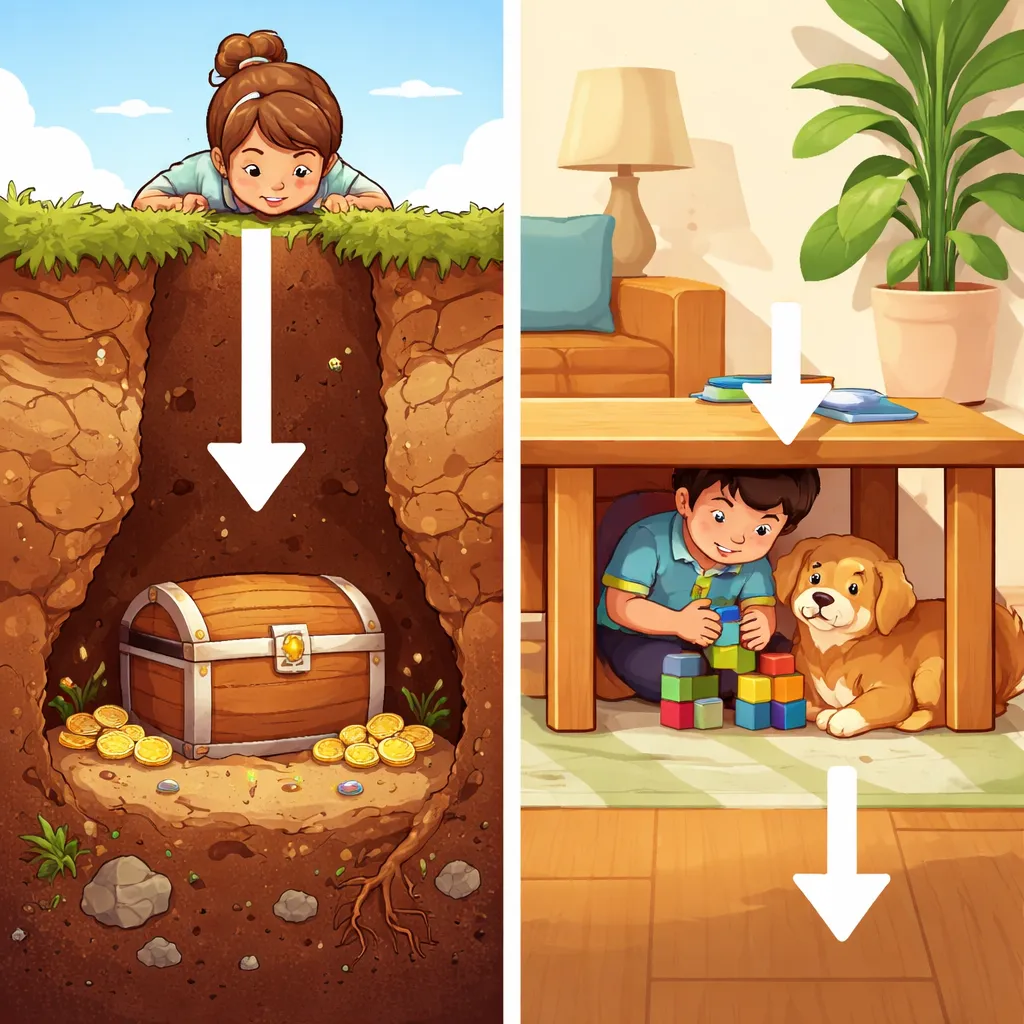
Children learn “down” early. Then they meet “below” and “under”. These words seem the same. Many parents ask if “below and under” are interchangeable. ...
Read More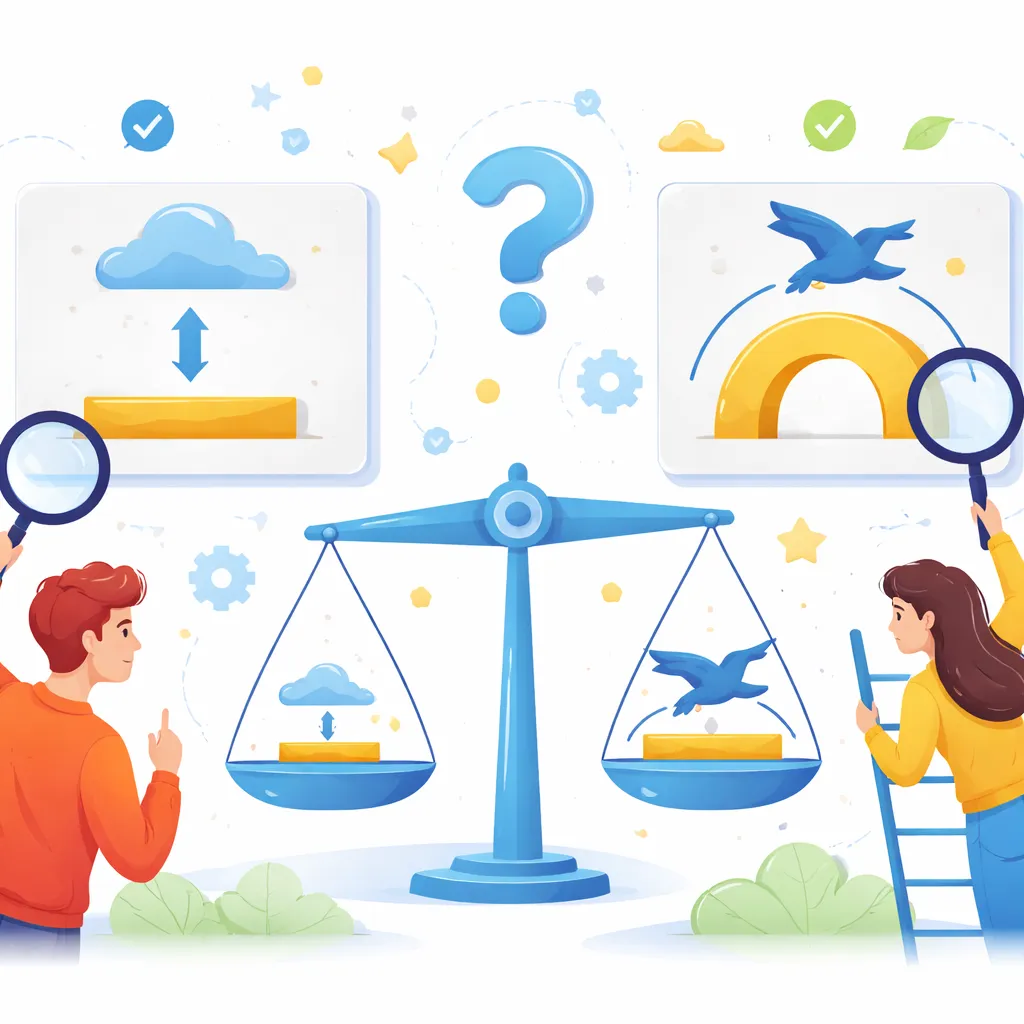
Children learn “above” early. They also learn “over”. These two words seem the same. Many parents wonder if “above and over” are always interchangeabl ...
Read More
Children learn “outside” early. They use it for play and doors. Then they meet “beyond”. This word sounds more mysterious. Many parents ask if “outsid ...
Read More
Children learn “in” very early. Then they meet “inside” and “within”. These words seem similar but not the same. Many parents ask if “inside and withi ...
Read More
Children learn “big” early. Then they meet more specific words. “Heavy and weighty” are two of them. Both describe something with mass. But they are n ...
Read More
Children learn “small” early. Then they meet more specific words. “Narrow and thin” are two of them. Both describe a lack of width. But they are not t ...
Read More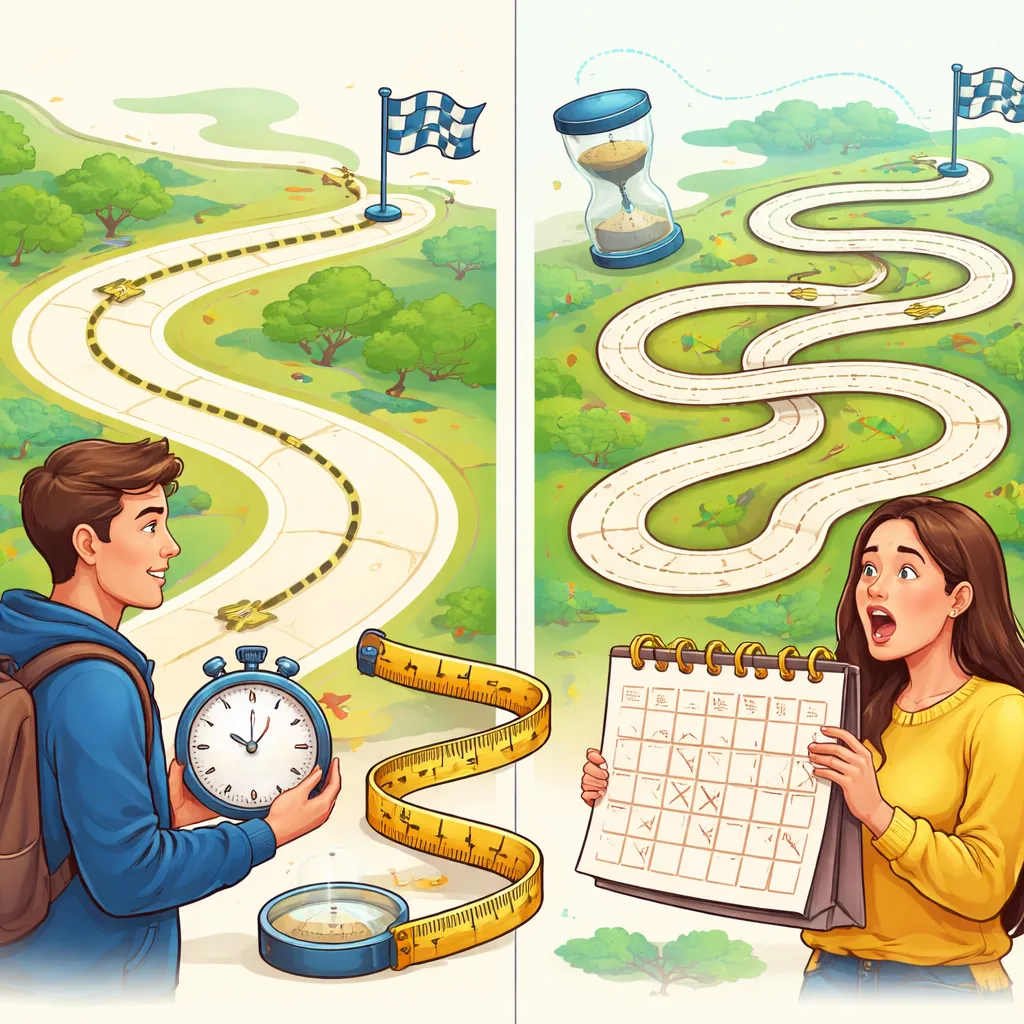
Children learn “long” early. They use it for many things. A long road. A long movie. A long nap. Then they meet “lengthy”. This word sounds similar. B ...
Read More