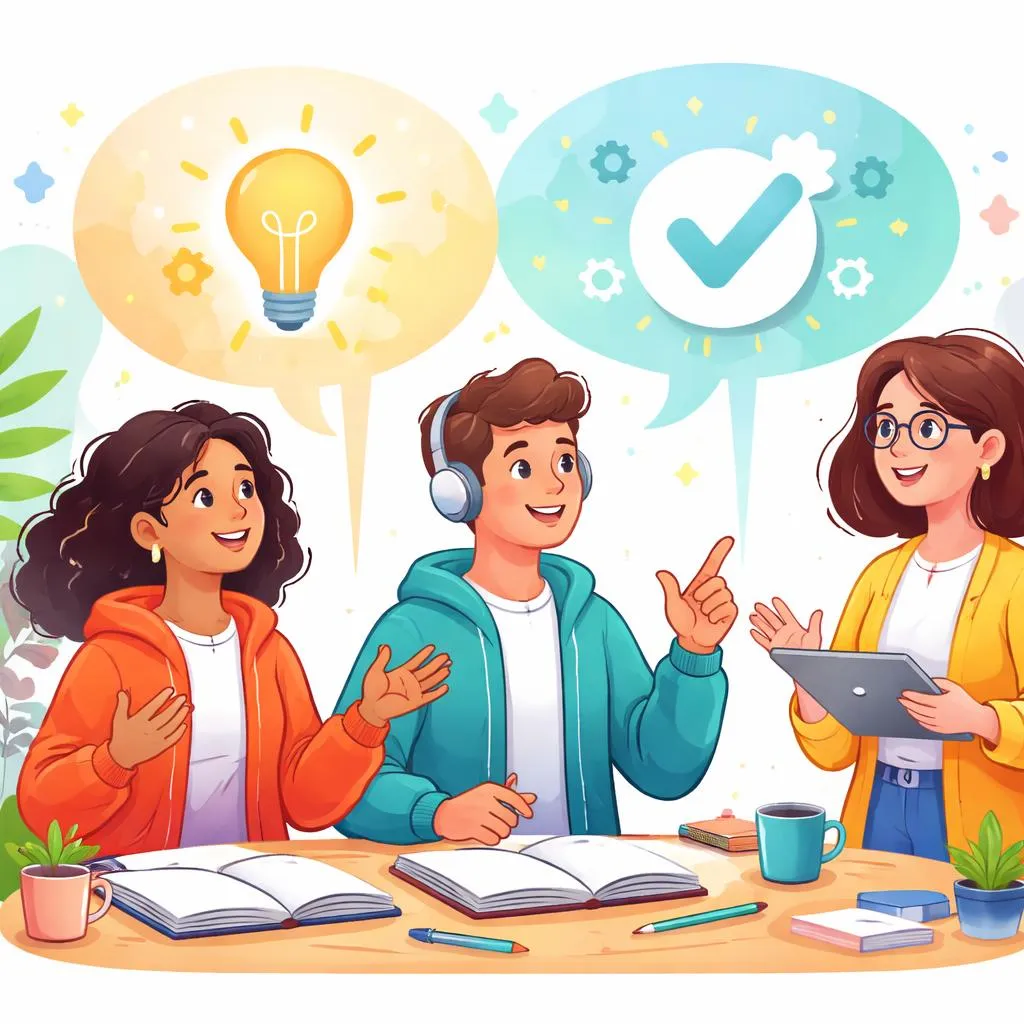

What Do These Expressions Mean? “I understand” and “I get it” both show comprehension. They tell someone that you grasp an idea or instruction. Children say these words when learning math, rules, or stories. Both confirm that the message landed.
“I understand” means I comprehend the full meaning. It sounds thoughtful and complete. A child says it when a parent explains a rule. It shows respect and attention.
“I get it” means I see the point or solution now. It sounds casual and quick. A child says it when a friend explains a game. It shows connection and relief.
These expressions seem very similar. Both say “the information entered my brain.” Both end a period of confusion. But one feels more formal while the other feels more friendly.
What's the Difference? One is more formal. The other is more casual. “I understand” works with teachers, parents, and strangers. It shows respect. It never sounds rude.
“I get it” works with friends and family. It sounds relaxed. It can sound impatient if you use a sharp tone. Choose carefully.
Think of a child in a classroom. The teacher explains a fraction. “I understand” sounds polite and focused. “I get it” sounds fine too, but less formal.
One is better for feelings. The other is better for facts. “I understand” can mean “I understand your feelings.” “I get it” can mean “I get the joke.” Both work. One covers more emotional ground.
Also, “I understand” never sounds annoyed. “I get it” can sound annoyed. “I get it, okay?” sounds rude. Say “I understand” to stay safe.
When Do We Use Each One? Use “I understand” for serious or formal moments. Use it with teachers, bosses, or elders. Use it when someone shares feelings. It fits apologies, explanations, and instructions.
Examples at school: “I understand the homework assignment now.” “I understand why we need to be quiet in the hall.” “I understand that you are disappointed.”
Use “I get it” for casual moments. Use it with friends, siblings, or playmates. Use it when learning a game or a joke. It fits quick, light moments.
Examples with friends: “Okay, I get it. You pass left, not right.” “I get it now. The punchline is the dog.” “I get it. We meet at the swings after lunch.”
Children can use both all day long. But teach them to read the room. A serious face needs “I understand.” A smiling face needs “I get it.”
Example Sentences for Kids I understand: “I understand why you feel sad. I would too.” “Yes, I understand the rules of the game.” “I understand that I made a mistake. I am sorry.”
I get it: “Oh, I get it! You add the numbers first.” “I get it now. Thanks for explaining.” “I get it. We take turns on the computer.”
Notice “I understand” sounds complete and kind. “I get it” sounds quick and bright. Neither is wrong. But “I understand” shows more patience.
Parents can use both with children. “I understand you are tired.” (feelings) “I get it. You want the blue cup.” (preference) Children learn empathy from “I understand.” They learn speed from “I get it.”
Common Mistakes to Avoid Some children say “I get it” to a parent who is angry. That can sound disrespectful. When someone is upset, say “I understand.” It shows you hear their heart.
Wrong: (parent is frustrated) “I get it, okay?” Right: “I understand. I will do better.”
Another mistake: using “I understand” for very simple things. If a friend says “the sky is blue,” say “I know” or “I see.” “I understand” sounds too big. Match your words to the moment.
Wrong: “I understand that two plus two is four.” Right: “I know that two plus two is four.”
Some learners forget to mean what they say. Do not say “I understand” if you do not. Ask for more help. Pretending does not help anyone.
Wrong: (confused but says) “I get it.” Right: “I don't get it yet. Can you show me again?”
Also avoid using “I get it” in a whining voice. “I get it” said with a groan sounds rude. Say it with a smile or choose “I understand.” Tone changes everything.
Easy Memory Tips Think of “I understand” as a deep breath. You take the breath before you speak. It shows you are listening fully. It works for serious moments.
Think of “I get it” as a high five. You slap hands quickly. You smile and move on. It works for fun, fast learning.
Another trick: remember the length. “Understand” has three long syllables. “Get it” has two short syllables. Long for serious. Short for casual. Your ears know the difference.
Parents can say: “Understand for heart. Get it for start.” That means feelings get “understand.” New games or jokes get “get it.”
Practice with your child tonight. Tell them a feeling. They say “I understand.” Tell them a rule. They say “I get it.” Both build a smart, kind communicator.
Quick Practice Time Let us try a small exercise. Choose the better phrase for each situation.
Your friend explains a new card game. You finally see how to play. a) “I understand the strategy completely.” b) “Okay, I get it now. Let's play.”
Your parent explains why you cannot go to the park. They feel bad. a) “I get it. Whatever.” b) “I understand. Maybe another day.”
Answers: 1 – b. Game rules with friends fit casual “I get it.” 2 – b. A parent's feelings need respectful “I understand.”
Fill in the blank: “When my teacher explains a hard math problem, I say ______.” (“I understand” shows respect in the classroom.)
One more: “When my little brother shows me a magic trick three times, I finally say ______.” (“I get it” works for playful, repeated explanations.)
Both phrases help learning happen. Choose the one that fits the mood. Respectful moments get “I understand.” Playful moments get “I get it.” Your words will match your heart.
Wrap-up “I understand” shows respectful, full comprehension. “I get it” shows casual, quick understanding. Use “I understand” for feelings and formal moments. Use “I get it” for games and friends. Both tell people you are listening. Learning happens when you say these words and mean them.