
When a Building Is Tall, Does That Make It Towering Over Everything?
Children look up at big things. A tree, a parent, a slide at the playground. Parents say “He is tall” or “The mountain is towering.” Are “tall” and “t ...
Read MoreChildren look up at big things. A tree, a parent, a slide at the playground. Parents say “He is tall” or “The mountain is towering.” Are “tall” and “t ...
Read More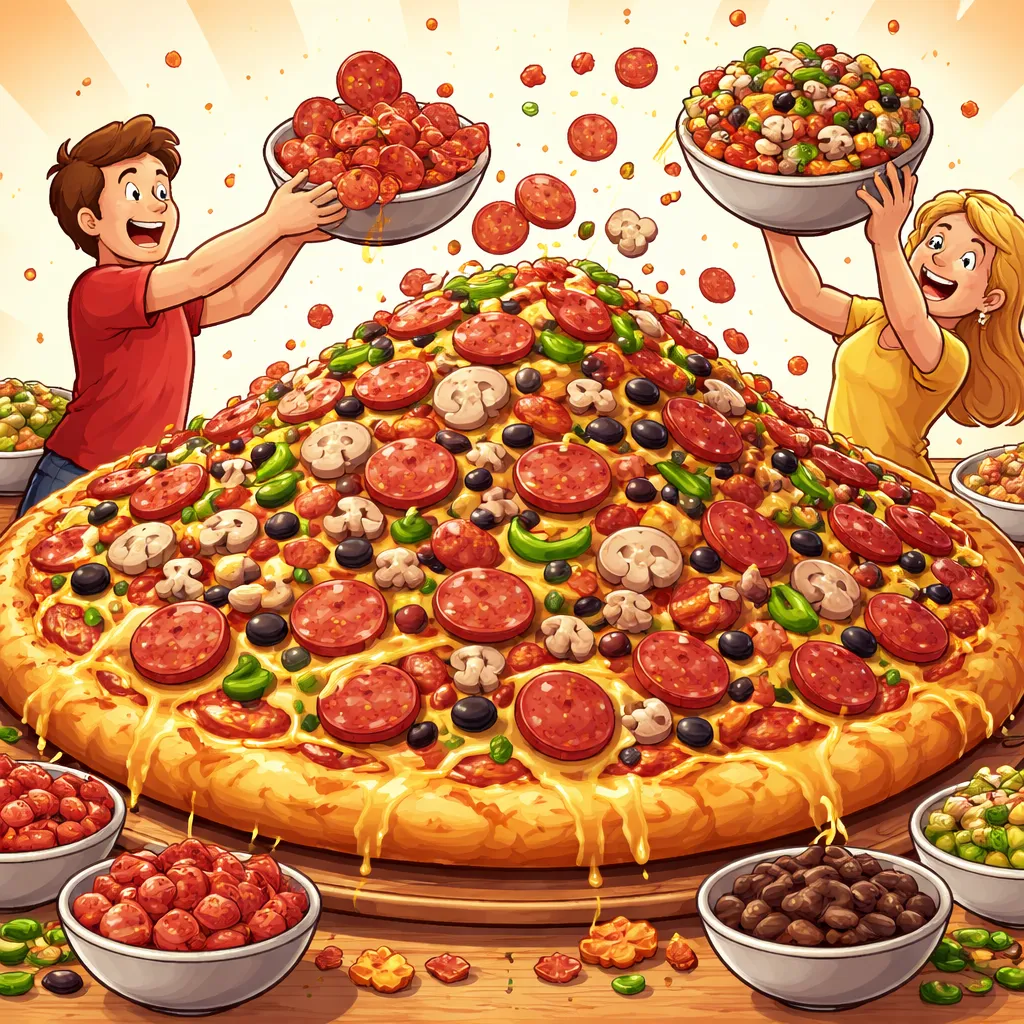
Children know when something is big. A giant balloon, a tall building, a full moon. Parents say “This shirt is large” or “That truck is huge.” Are “la ...
Read More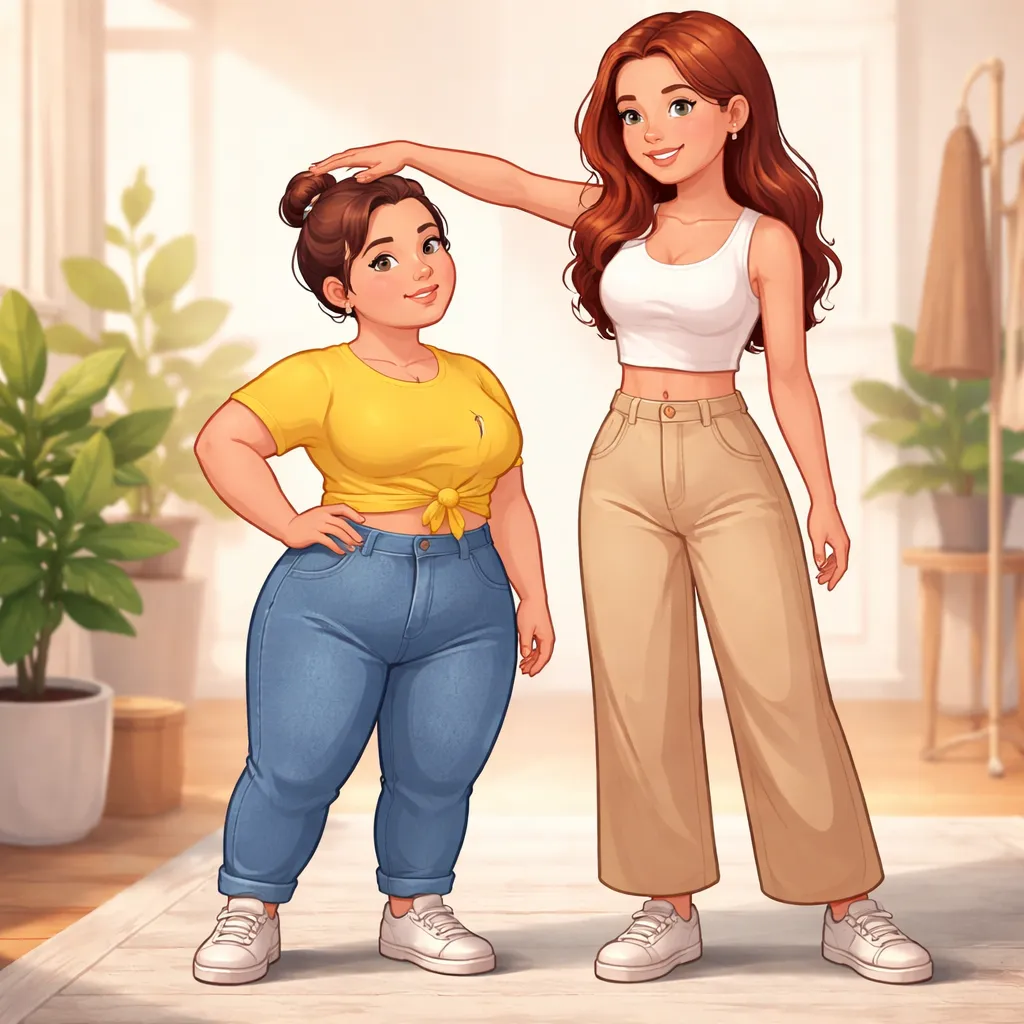
Children notice when people are not tall. A young sibling, a friend, a grandparent. Parents say “The pencil is short” or “She has a petite frame.” Are ...
Read More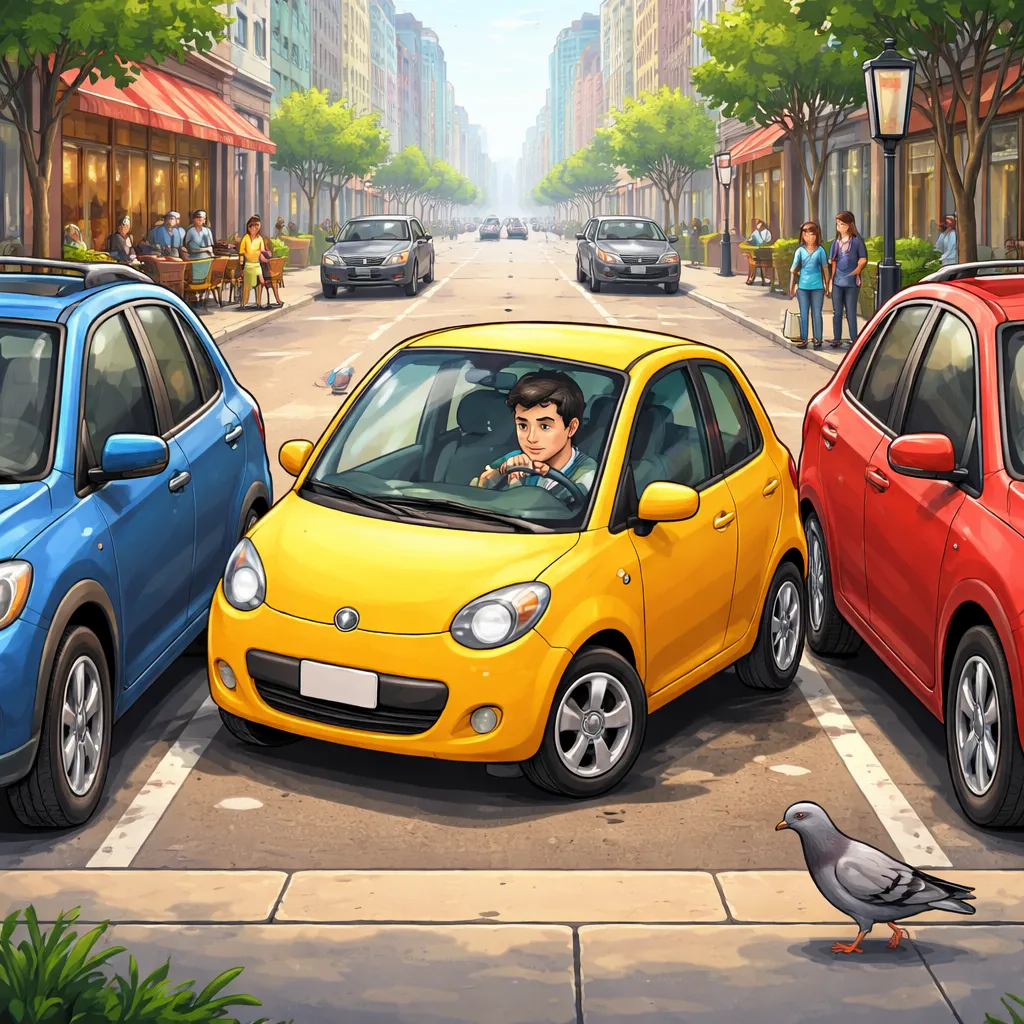
Children know when something is little. A tiny bug, a small toy, a short pencil. Parents say “This box is small” or “That camera is compact.” Are “sma ...
Read More
Children know when a place feels big. A park, a gym, a large living room. Parents say “The road is wide” or “The house feels spacious.” Are “wide” and ...
Read More
Children know when space is tight. A tiny closet, a crowded bus, a small tent. Parents say “The path is narrow” or “The room feels cramped.” Are “narr ...
Read More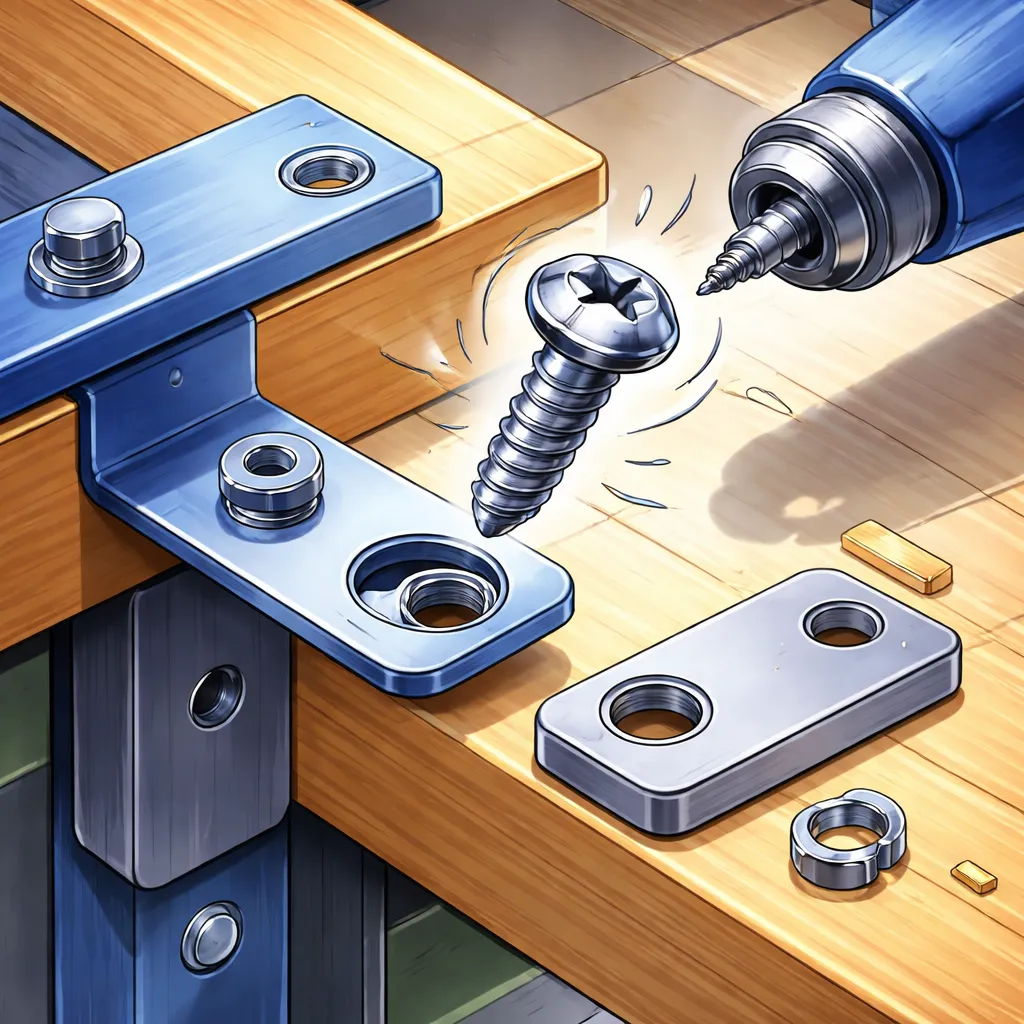
Children know when things are not held tightly. A wobbly wheel, a dangling string, an open gate. Parents say “The screw is loose” or “The bird is free ...
Read More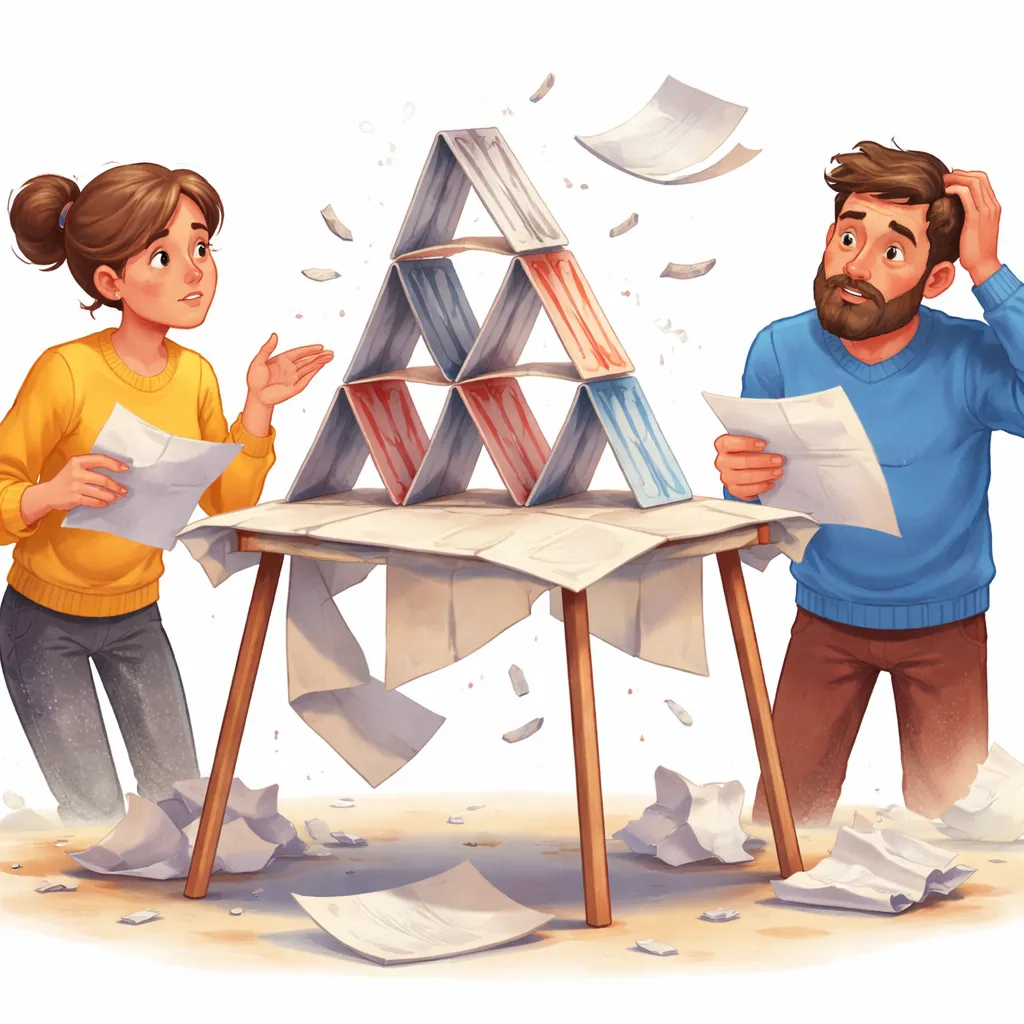
Children know when something is not strong. A thin paper, a broken toy, a tired arm. Parents say “The branch is weak” or “The excuse sounds flimsy.” A ...
Read More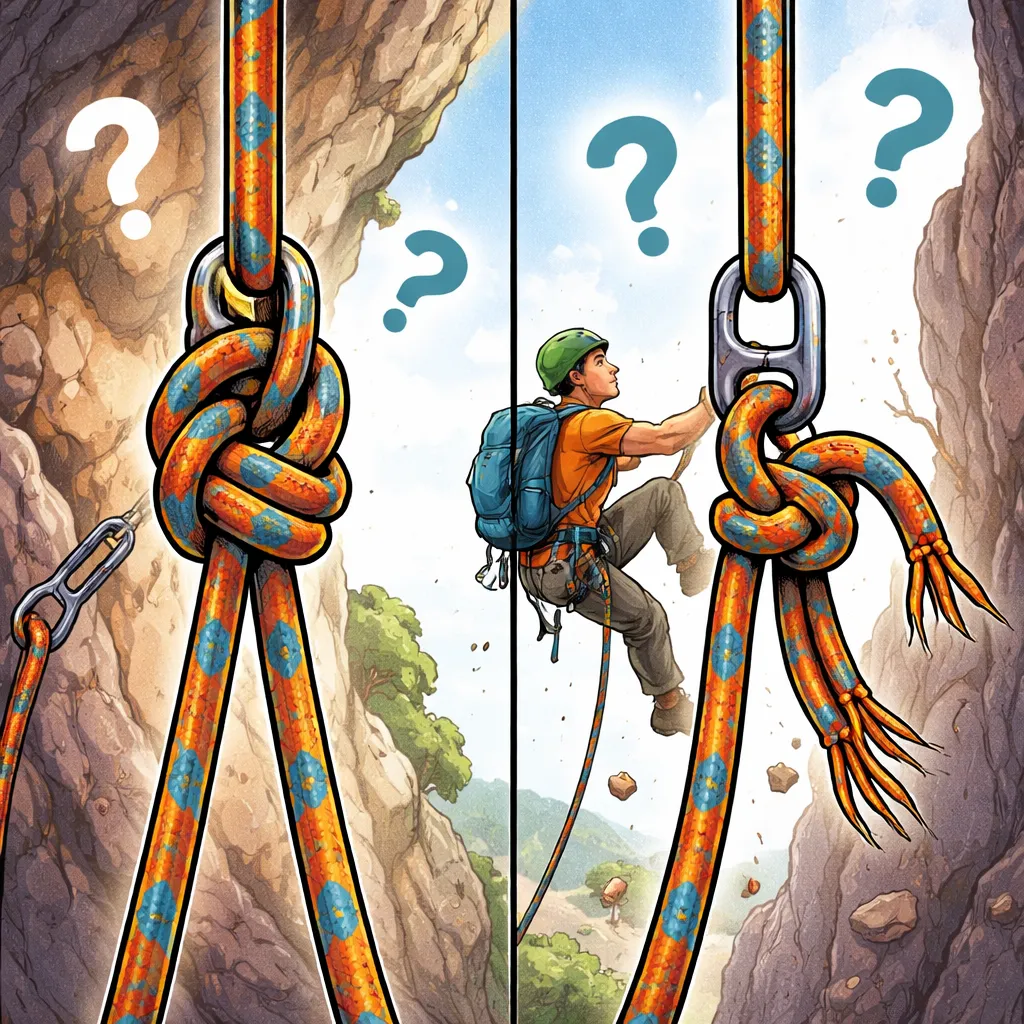
Children know when things are held firmly. A shoelace, a jar lid, a seatbelt. Parents say “The knot is tight” or “Make sure the door is secure.” Are “ ...
Read More
Children know when something is easy to carry. A pencil, a small toy, a water bottle. Parents say “This bag is light” or “That device is portable.” Ar ...
Read More
Children know when things are tough. A thick branch, a metal spoon, a hard shell. Parents say “He is strong” or “This table is sturdy.” Are “strong” a ...
Read More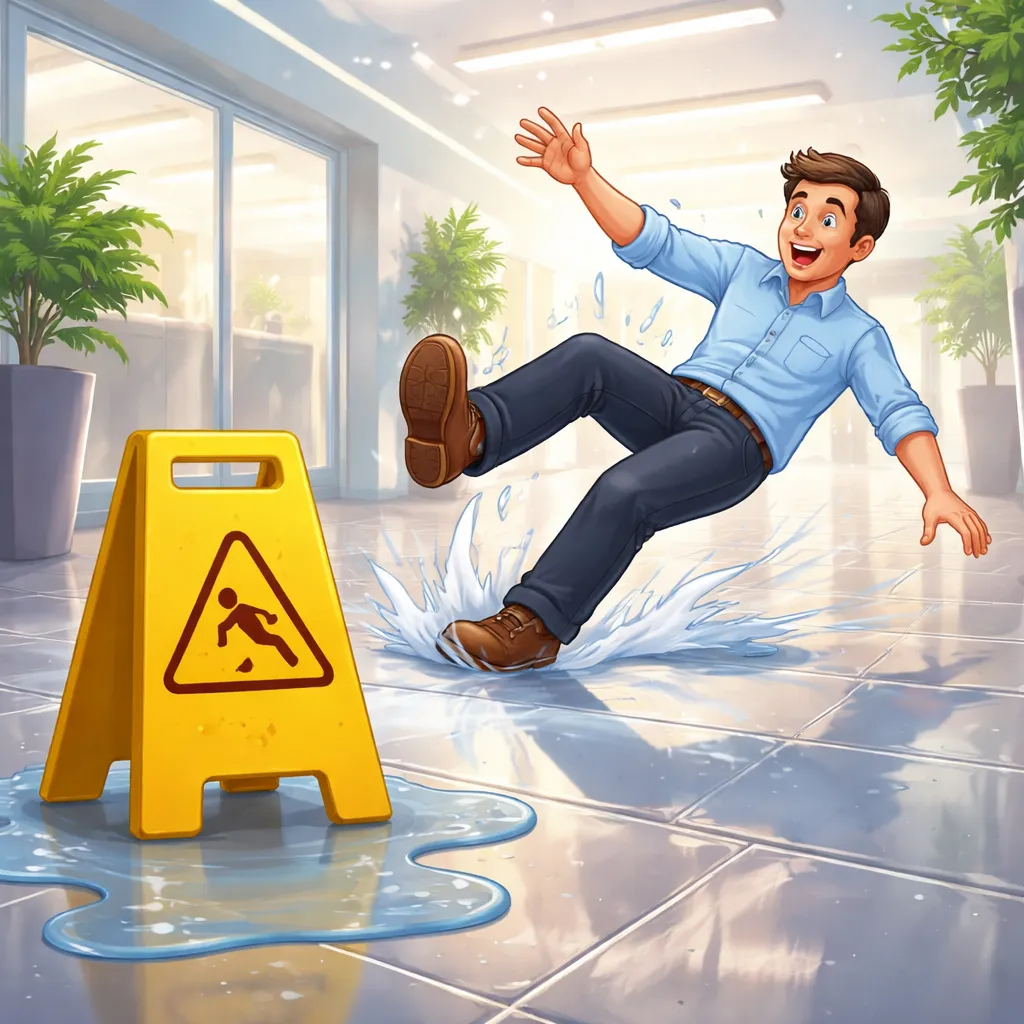
Children know when things are hard to hold. Ice, soap, a wet slide, a banana peel. Parents say “The floor is slippery” or “The road is slick.” Are “sl ...
Read More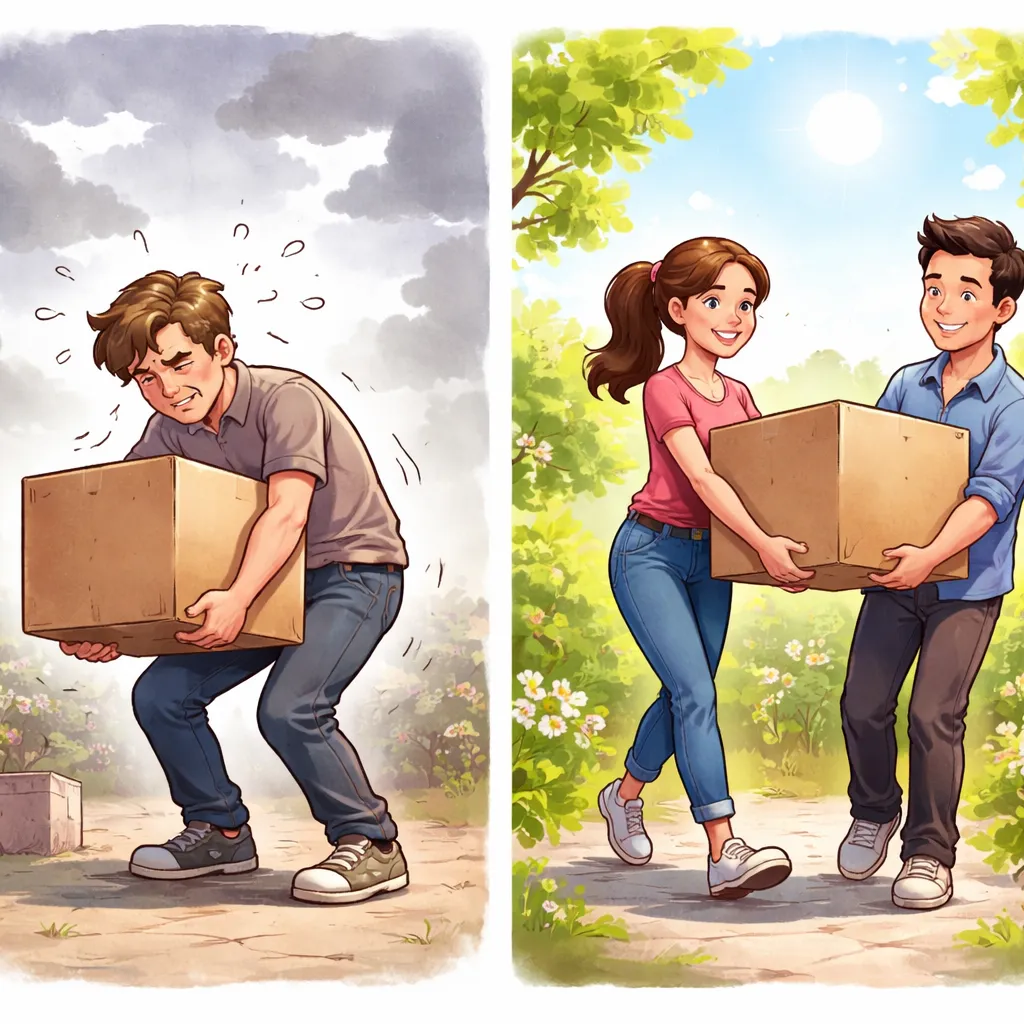
Children know when something is hard to lift. A backpack, a suitcase, a stack of books. Parents say “The box is heavy” or “The task feels burdensome.” ...
Read More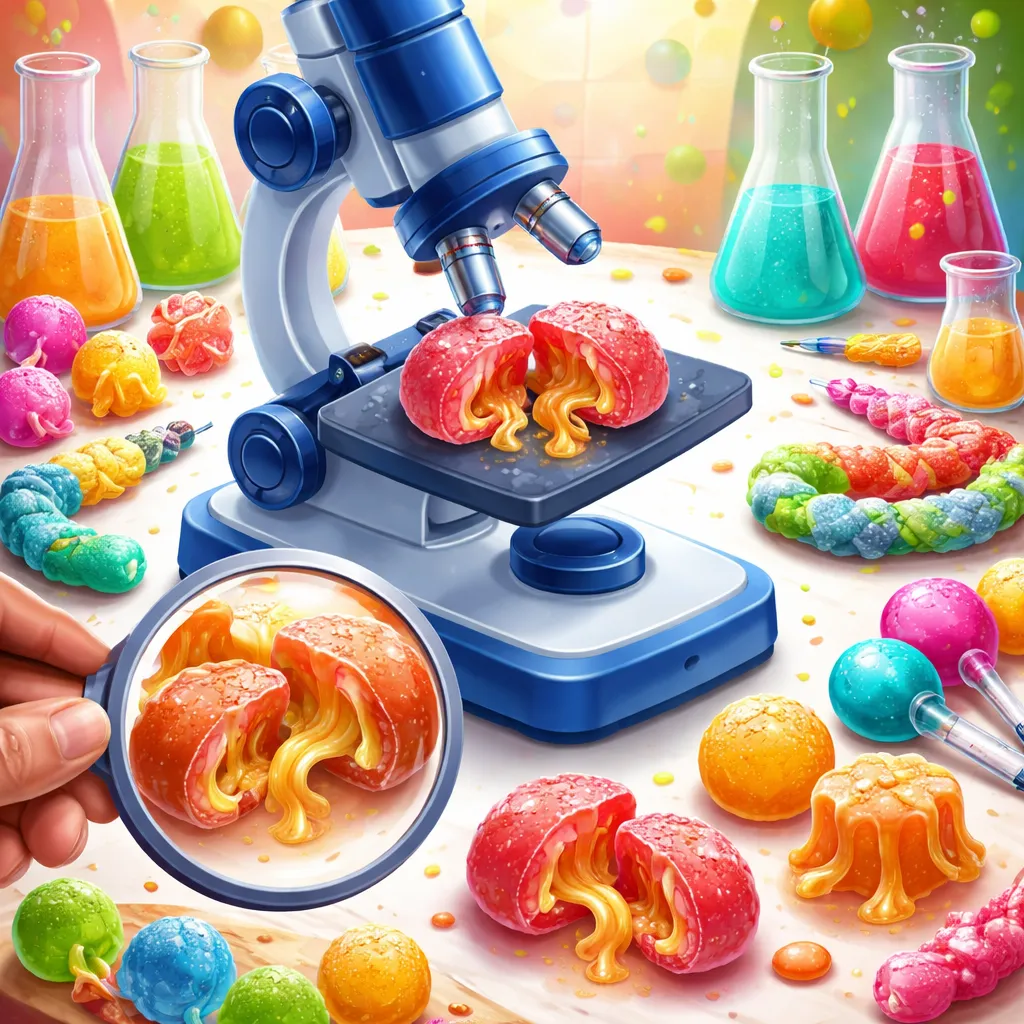
Children know when things stick to their fingers. Glue, tape, honey, a melted marshmallow. Parents say “Your hands are sticky” or “Use an adhesive ban ...
Read More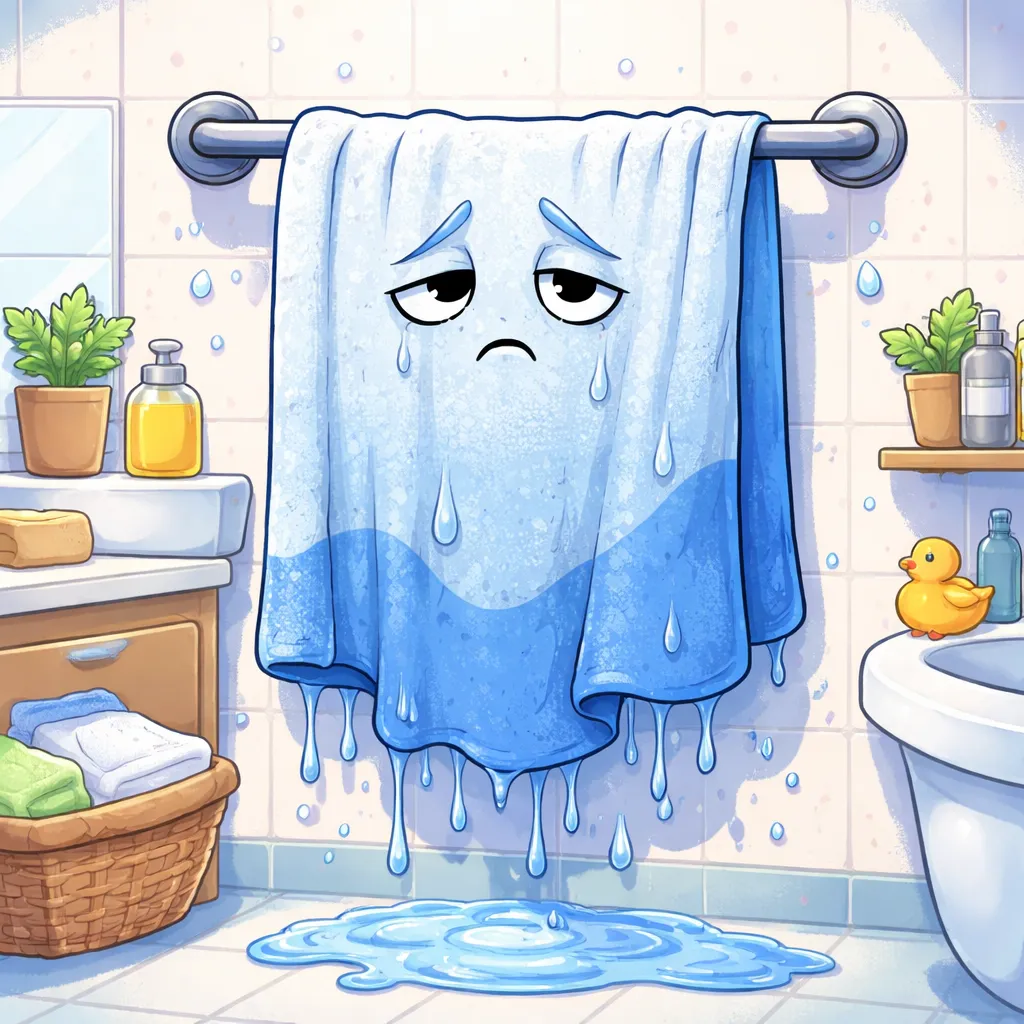
Children know when things are full of water. A raincoat, a sponge, a dropped cracker in juice. Parents say “Your sleeves are wet” or “The cereal is so ...
Read More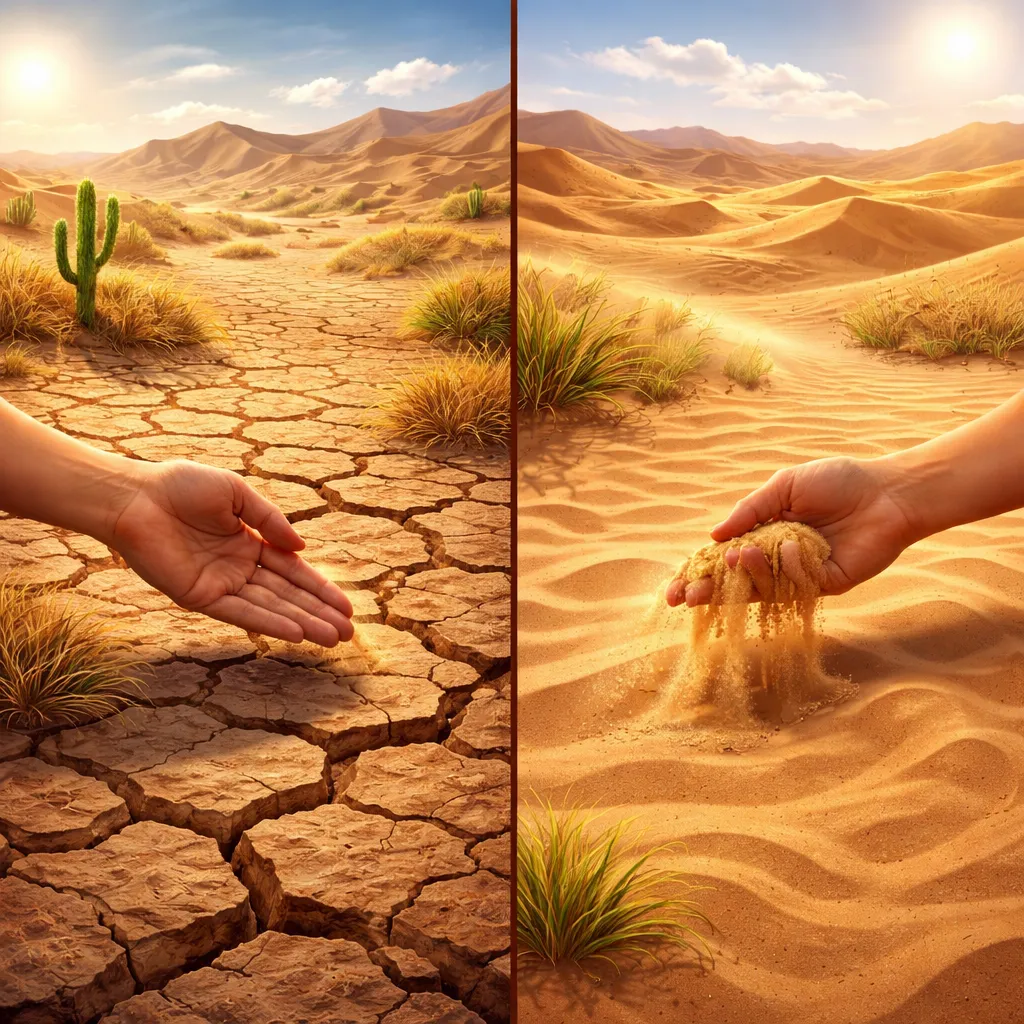
Children know when things feel dry. Sand, crackers, a thirsty mouth, an old book. Parents say “The towel is dry” or “The road is dusty.” Are “dry” and ...
Read More
Children love feeling fresh and comfortable. A breeze on a hot day, a sip of water, a shady tree. Parents say “The water is cool” or “The lemonade is ...
Read More
Children know what cold feels like. An ice cube, a winter wind, a glass of lemonade. Parents say “Your hands are cold” or “It is freezing outside.” Ar ...
Read More
Children know when something is very warm. A stove, a summer day, a fresh cookie. Parents say “The soup is hot” or “The sand is burning.” Are “hot” an ...
Read More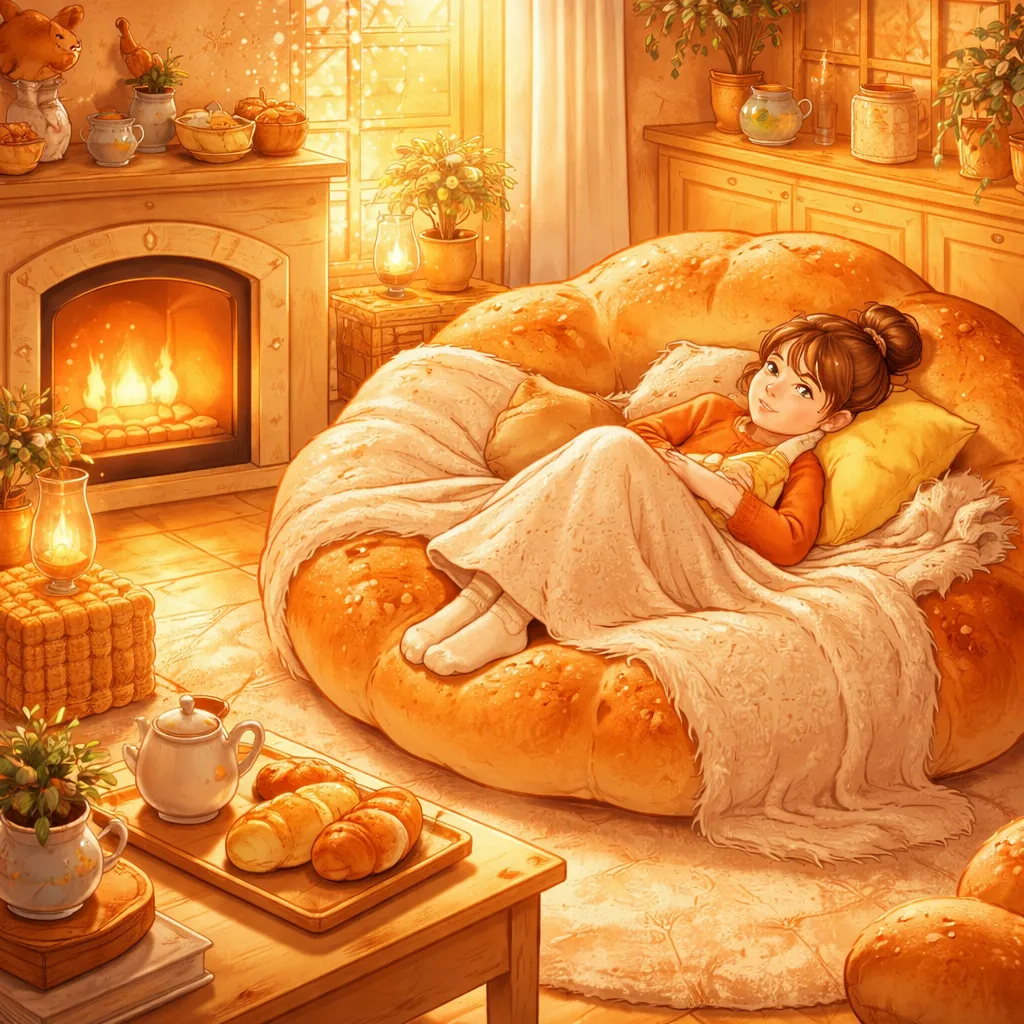
Children love feeling warm and cozy. Sunshine on their face, a cup of cocoa, a blanket fresh from the dryer. Parents say “Your hands are warm” or “Thi ...
Read More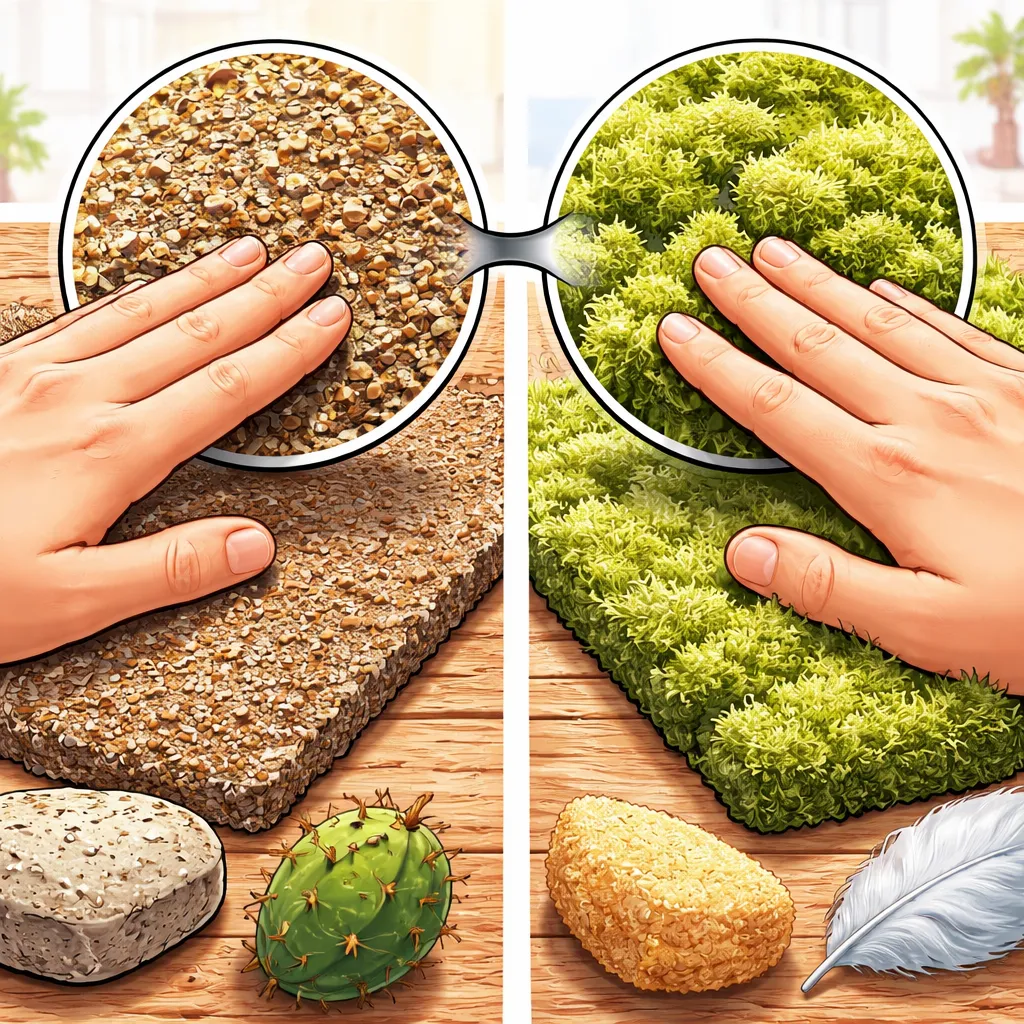
Children know how different things feel. Sandpaper, tree bark, a scratchy wool sweater. Parents say “The road is rough” or “The fabric feels coarse.” ...
Read More
Children love touching soft things. A kitten's fur, a cotton ball, a favorite pillow. Parents say “This blanket is soft” or “This rug feels plush.” Ar ...
Read More
Children know when something is not easy. A heavy box, a long run, a tricky puzzle. Parents say “This test is hard” or “The hike was strenuous.” Are “ ...
Read More
Children know when something is not hard. Tying a shoe, pouring water, drawing a circle. Parents say “That puzzle is easy” or “She swam with effortles ...
Read More