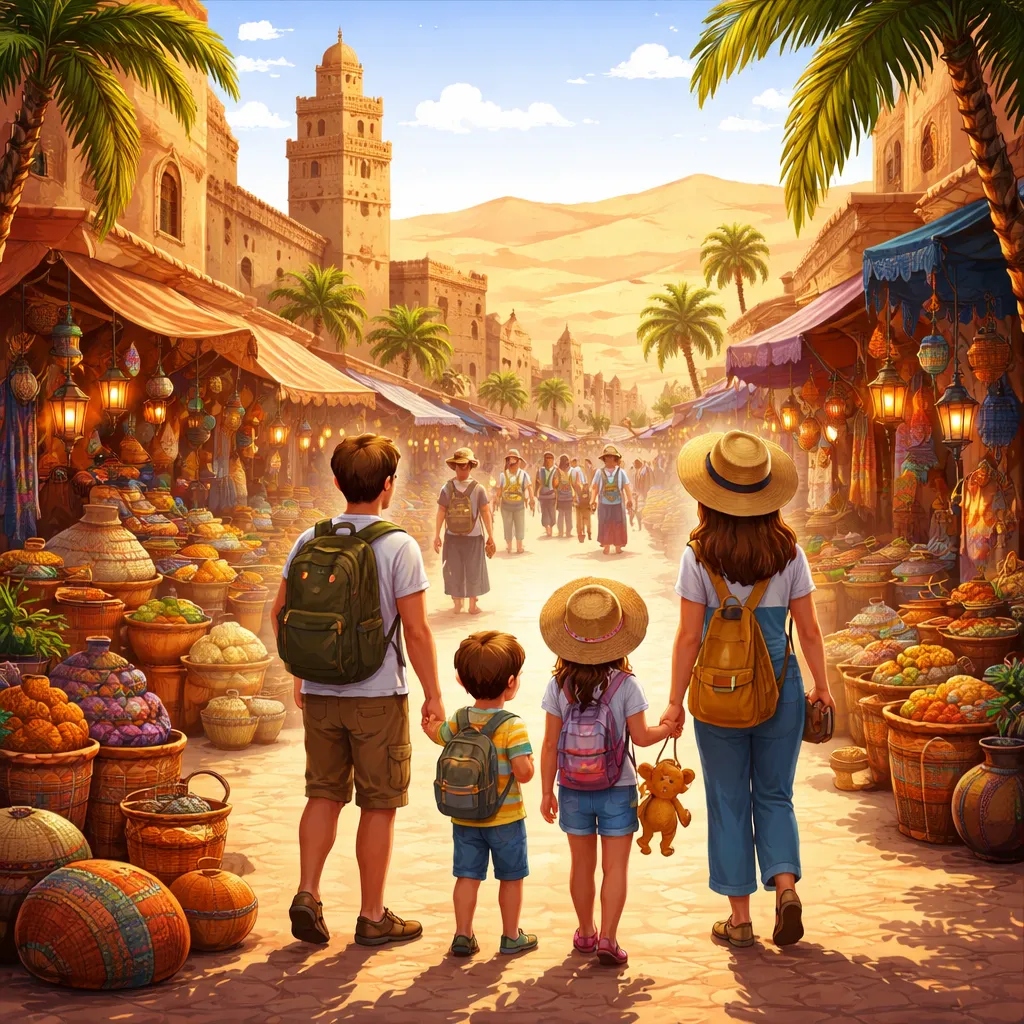

Introduction to Morocco
Language learning transports us to a land where the Atlantic Ocean meets the Sahara Desert. Today we explore a North African country rich in color, scent, and tradition. This nation holds ancient cities with winding alleys and bustling markets. Children will discover snow-capped mountains and rolling sand dunes. They will learn about Berber people who have lived here for thousands of years. Exploring Morocco builds reading skills while revealing a world of sensory wonder. Every fact opens a door to vibrant culture. Every word invites young readers to imagine the sights and sounds of this enchanting land.
Where Is Morocco?
Morocco lies in North Africa along the Atlantic Ocean and the Mediterranean Sea. It sits at the northwest corner of the continent. The Atlantic Ocean borders Morocco to the west. The Mediterranean Sea touches the north. The country shares borders with Algeria to the east and Mauritania to the south. The capital city is Rabat. Rabat sits on the Atlantic coast. The largest city is Casablanca. The country covers over one hundred seventy thousand square miles. Mountains run through the center. The Atlas Mountains stretch across the country. The Sahara Desert covers the south and east. Finding Morocco on a map shows a country bridging Africa, Europe, and the Atlantic.
Interesting Facts About Morocco
Morocco offers countless fascinating facts for young learners. It has the highest peak in North Africa. Mount Toubkal rises over thirteen thousand feet in the Atlas Mountains. Snow covers its summit in winter. Another interesting fact involves cities. Morocco has imperial cities that once served as capitals. These include Fes, Marrakech, Meknes, and Rabat. Each holds palaces, mosques, and ancient markets called souks.
Morocco also has a famous square. Jemaa el-Fnaa in Marrakech comes alive at night with storytellers, musicians, and food stalls. UNESCO recognizes this square as an important cultural space. Another fun fact involves the desert. The Sahara Desert covers much of southern Morocco. Visitors ride camels across golden sand dunes. Some dunes rise over five hundred feet high.
Morocco also has unique architecture. The blue city of Chefchaouen sits in the Rif Mountains. Most buildings are painted in shades of blue. People believe this keeps mosquitoes away and represents the sky. The country also produces argan oil. Argan trees grow only in Morocco. Goats climb these trees to eat the fruit. People collect the nuts to make oil used in cooking and beauty products. These facts show children a country of mountains, deserts, and vibrant traditions.
Key Vocabulary About Morocco
Let us build vocabulary for this North African nation. These words help children describe what they learn.
Souk: a traditional market or marketplace.
Medina: the old, walled part of a city.
Berber: an indigenous people of North Africa.
Oasis: a place in the desert with water and plants.
Kasbah: a fortified building or fortress.
Mint Tea: a sweet tea served throughout Morocco.
Couscous: a traditional dish made from steamed semolina. Introduce these words with pictures and stories. Show a souk filled with colorful goods. Show a kasbah with its thick walls. Let children say each word aloud. These vocabulary words give children the language to explore Morocco's rich culture.
Simple Sentences for Reading Practice
Short sentences help new readers build confidence. Use these sentences about Morocco for practice.
Morocco is a country in North Africa.
The Atlantic Ocean and Mediterranean Sea border Morocco.
The capital city is Rabat.
The Atlas Mountains run through the country.
The Sahara Desert covers the south.
Marrakech has a famous square with storytellers.
People serve mint tea to welcome guests. Read each sentence together. Let children point to the words. Encourage them to repeat after you. Use pictures to show each fact. These simple sentences prepare young readers for longer passages.
Short Reading Passage About Morocco
Here is a short passage for children to read together.
“Morocco sits at the northwest corner of Africa. The Atlantic Ocean washes its western shores. The Mediterranean Sea touches its northern coast. Mountains rise in the center. The Atlas Mountains stretch like a spine through the country. Some peaks hold snow even in spring. To the south, the Sahara Desert spreads its golden sands. Camels carry travelers across the dunes. Cities in Morocco hold ancient secrets. The medinas are old walled districts with narrow streets. Souks fill these streets with color and sound. Vendors sell spices, carpets, and lanterns. In Marrakech, the square of Jemaa el-Fnaa comes alive at night. Snake charmers play flutes. Storytellers gather crowds. Food stalls steam with delicious smells. The blue city of Chefchaouen glows in the Rif Mountains. Every building wears a shade of blue. In the countryside, Berber people tend goats and grow argan trees. They welcome visitors with mint tea poured from high above the glass. Morocco blends mountains, desert, and coast into one beautiful land.”
Read this passage slowly together. Pause to talk about each idea. Ask children to find vocabulary words in the text. This activity builds reading fluency and deepens understanding.
Fun Questions About Morocco
Questions make reading interactive and engaging. Use these to start conversations with young learners.
What two bodies of water border Morocco?
What is the capital city of Morocco?
What mountain range runs through the country?
What is the famous square in Marrakech called?
Why is Chefchaouen called the blue city?
What drink do Moroccans serve to welcome guests? Let children answer in complete sentences. Encourage them to use new vocabulary. Ask them to imagine walking through a souk. What colors and smells would they notice? Creative questions make the topic personal and exciting.
Tips for Learning English with This Topic
Use Morocco to create rich English learning experiences. Start with a map activity. Let children find Morocco at the northwest corner of Africa. Point out the Atlantic Ocean and Mediterranean Sea. Discuss how its location gave it connections to Africa, Europe, and the Arab world.
Next, introduce the vocabulary through a sensory activity. Create a mini souk in your home with colorful fabrics, spices, or pictures of goods. Let children pretend to buy and sell using new words. For mint tea, serve warm mint tea or herbal tea. Practice pouring from high up as Moroccans do. Use the words "mint tea" and "couscous" during the activity.
Read the passage aloud with warmth and color. Let your voice reflect the energy of the souk and the calm of the desert. After reading, let children draw a scene from Morocco. One child might draw a souk with spices and lanterns. Another might draw camels in the Sahara. Let them label their drawings with vocabulary words. Add blue for Chefchaouen and gold for the desert.
Incorporate a cultural connection. Talk about how Berber people have lived in Morocco for thousands of years. Discuss the tradition of mint tea and hospitality. Ask children about ways their family welcomes guests. Compare traditions.
Use music and movement to enhance the experience. Listen to traditional Moroccan music with drums and string instruments. Let children move like camels walking across sand dunes. Pretend to weave carpets or pour tea. Physical activity reinforces learning in joyful ways.
Encourage children to share their knowledge. Let them tell a family member about the blue city of Chefchaouen. They can explain what happens in Jemaa el-Fnaa square. Teaching others builds confidence and deepens understanding.
Connect Morocco to your child's world. Ask, “What markets have we visited?” Compare them to souks. Ask about mountains or deserts you have seen. Compare to the Atlas Mountains and Sahara. These connections help children see that language learning reading is about understanding diverse cultures. By exploring Morocco together, you give children a rich experience. They learn new words, discover a land of markets and mountains, and grow their love for reading. This North African nation becomes a vibrant part of their learning journey.