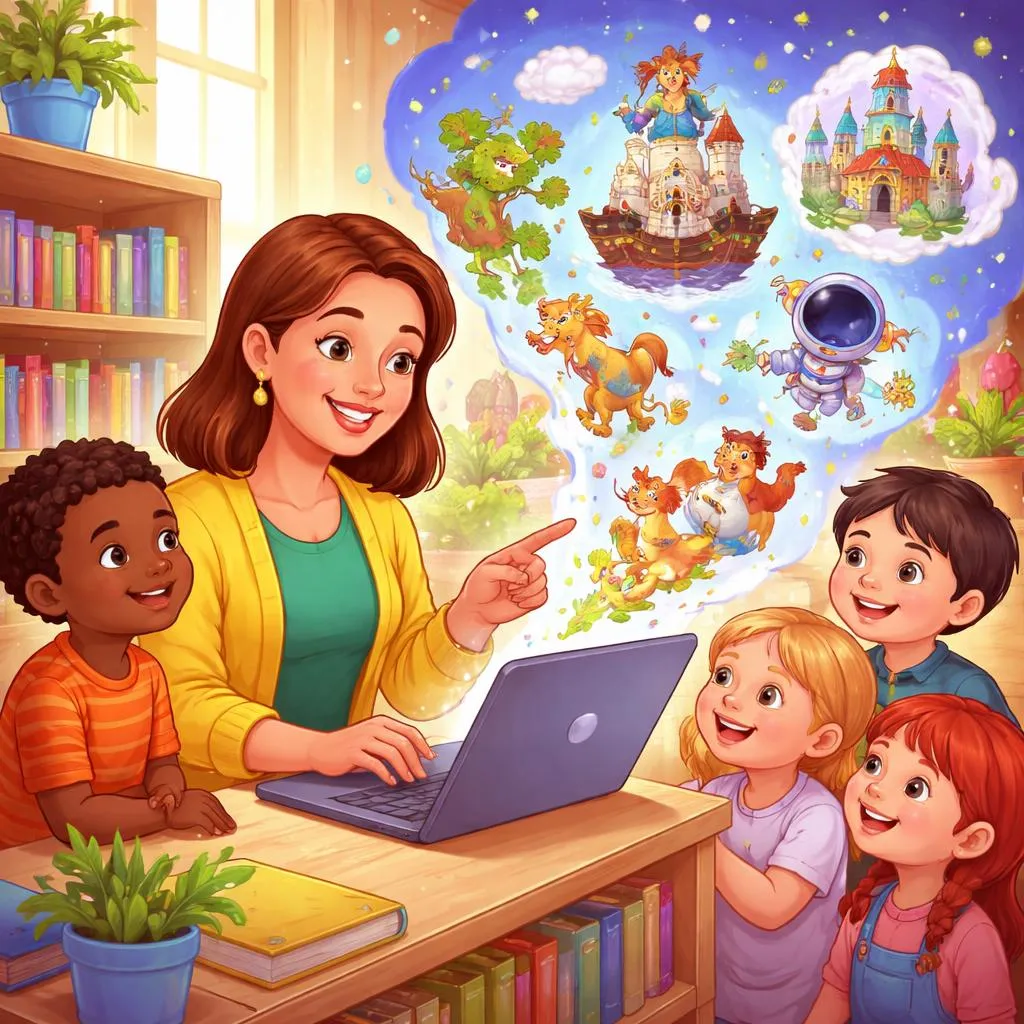

Access to reading materials should never be a barrier to language development. Every child deserves stories that spark imagination and build literacy skills. The good news is that high-quality texts exist without a price tag. The internet offers a vast library of resources for teachers and parents. Knowing where to look and how to use these materials makes all the difference. Children's stories free of cost can form the backbone of a rich language curriculum. This guide explores the best sources and practical ways to use them in teaching. The focus remains on accessibility without compromising educational value.
What Are Free Children's Stories?
Free children's stories are complete texts available without payment. They exist in various formats. Digital versions include PDFs, websites, and e-books. Physical copies sometimes come from community programs or libraries. These stories range from classic fairy tales to modern original works. Copyright status often determines availability. Older works exist in the public domain. Contemporary authors sometimes offer stories free to build audience. Many educational platforms provide original content at no cost. The key is distinguishing quality materials from poorly written ones. Good stories feature clear language, engaging plots, and appropriate themes for young readers.
Meaning and Explanation of Free Access to Stories
Free access democratizes education. It removes financial barriers that limit literacy development. When children's stories free of charge become available, opportunities expand. A classroom with limited book budgets can still build a diverse library. Families facing economic challenges can maintain reading routines. This access supports language acquisition at critical developmental stages. Reading regularly builds vocabulary, comprehension, and empathy. Free resources ensure that no child misses these benefits due to cost. The educational principle is simple: language skills grow through exposure to quality texts. Cost should not determine which children receive that exposure.
Categories of Free Children's Stories
Understanding the different categories helps in selecting appropriate materials for various learning goals.
Public Domain Classics: These are older works no longer under copyright. Stories by authors like Beatrix Potter, the Brothers Grimm, and Hans Christian Andersen fall here. Websites dedicated to public domain literature offer these texts in multiple formats. They provide timeless language patterns and cultural literacy.
Author-Shared Originals: Many contemporary writers share stories free on their websites or blogs. This builds readership while providing fresh content. These stories often feature modern language and current themes.
Educational Platform Content: Language learning sites frequently offer original stories designed for specific reading levels. These often include comprehension questions or vocabulary lists. They serve dual purposes: reading practice and language instruction.
Community-Created Stories: Some platforms allow users to write and share stories. Quality varies, but gems exist. These sometimes reflect diverse cultural perspectives not found elsewhere.
Daily Life Examples with Free Stories
Integrating free stories into daily routines happens naturally with planning. A teacher might begin each morning with a five-minute story from an online source. Project the text onto a screen. Read aloud while students follow along. This builds fluency and listening comprehension simultaneously.
During independent reading time, students can access a classroom tablet loaded with free e-books. They choose stories matching their interests and levels. This choice builds reading motivation. For homework, assign a link to a free story online. Students read at home and discuss with family. No books to carry home or lose. No cost to families. The story exists in digital space, accessible to anyone with an internet connection.
Printable Flashcards from Free Stories
Creating flashcards from free stories personalizes vocabulary instruction. After reading a story online, select key words. Type them into a document with simple definitions. Add a picture from a free image site or draw simple illustrations. Print and cut.
For example, reading a free story about a bear might yield words like "forest," "hibernate," and "cave." Create flashcards with these words and images. Use them before reading to pre-teach vocabulary. Use them after reading to check comprehension. Store flashcards in a box organized by story title. Over time, this builds a custom classroom resource. Students can even create their own flashcards as a learning activity. This reinforces word meanings through active engagement.
Learning Activities Using Free Stories
Free stories become the foundation for countless learning activities. The key is moving beyond simple reading to active engagement with the text.
Story Retelling: After reading a free story online, ask students to retell it in their own words. This checks comprehension and builds narrative skills. For younger students, provide picture prompts from the story. For older ones, encourage written summaries.
Character Analysis: Choose a character from a free story. Ask students to list character traits with evidence from the text. "The wolf was clever because he tricked Red Riding Hood." This builds critical thinking and text evidence skills.
Setting Descriptions: Have students draw the story's setting based on textual clues. Label parts of the drawing with words from the story. This connects visual and linguistic understanding.
Prediction Practice: Read a free story aloud but stop before the ending. Ask students to predict what happens next. Write predictions on the board. Then finish the story and compare. This develops inferential thinking.
Learning Activities for Group Settings
Group settings amplify the power of free stories. Shared reading experiences build community and language skills simultaneously.
Reader's Theater: Find a free story with dialogue. Assign roles to students. Read the story as a play without movement or props. This builds reading fluency and expressive language. Students practice their parts repeatedly, building word recognition.
Story Sequencing: Type sentences from a free story onto sentence strips. Mix them up. Small groups work together to arrange sentences in correct order. This teaches narrative structure and logical thinking.
Illustration Stations: Give each group a different scene from a free story to illustrate. Post illustrations around the room in story order. This creates a class-made visual version of the text. Students explain their illustrations using story language.
Question Creation: After reading a free story, groups create comprehension questions for other groups. They must think about what matters in the text. Answering peer-generated questions adds motivation.
Educational Games from Free Stories
Games transform reading into playful learning. These games require only a free story and basic classroom materials.
Story Bingo: Create bingo cards with words from a free story. Read definitions or sentences with blanks. Students cover matching words. First to cover a row wins. This builds word recognition in context.
Character Hot Seat: One student sits at the front as a story character. Classmates ask questions about the story events. The character answers in first person. This deepens character understanding and builds questioning skills.
Vocabulary Charades: Write key words from a free story on cards. Students draw a card and act out the word without speaking. Others guess the word. This builds deep word understanding through physical expression.
Story Puzzles: Type sentences from a free story. Cut them into individual words. Students race to arrange words into correct sentences. This teaches sentence structure and word order. For differentiation, provide sentence strips as models for struggling learners.
Finding Quality Free Stories Online
Knowing where to search saves time. Several reliable sources offer children's stories free of charge with consistent quality.
Project Gutenberg: This digital library offers over 60,000 free e-books. Its children's section contains classics fully formatted for various devices. Search by author, title, or subject. No registration required.
International Children's Digital Library: This foundation provides free access to children's books from around the world. Stories appear in original languages with translations. Cultural diversity abounds.
Storyline Online: The Screen Actors Guild Foundation streams videos of actors reading children's books. Each book includes activity guides for teachers. The format engages reluctant readers through performance.
Oxford Owl: Oxford University Press offers free e-books for ages 3-11. Registration requires an email but no payment. Books include teaching notes and age recommendations.
Local Library Digital Collections: Many public libraries offer free e-card access. Cardholders borrow digital books through apps like Libby or Hoopla. No late fees apply to digital returns.
Evaluating Free Story Quality
Not all free content serves educational purposes well. Evaluation criteria help select the best materials.
Language Complexity: Does the vocabulary match student levels? Too many unknown words frustrate readers. Too few bore them. Scan a page before assigning. Count unfamiliar words. Aim for about five percent unknown vocabulary for instructional reading.
Story Structure: Does the plot follow a clear sequence? Beginning, middle, and end should exist. Events should connect logically. Young readers need predictable structures to build comprehension.
Cultural Relevance: Does the content reflect student experiences? Stories from diverse backgrounds build engagement. Avoid materials with stereotypes or outdated perspectives.
Illustration Quality: Do pictures support text comprehension? Good illustrations provide context clues for unfamiliar words. They also maintain interest during longer texts.
Printable Materials from Free Stories
Creating printables from digital stories extends their usefulness. Basic classroom tools turn online texts into hands-on resources.
Comprehension Worksheets: Type five questions about a free story. Include literal questions with answers directly in text. Add inferential questions requiring thinking beyond the page. Print and distribute after reading.
Vocabulary Lists: Select eight to ten words from a free story. Create a simple matching exercise. Words on one side. Definitions on the other. Students draw lines connecting matches.
Story Maps: Create a graphic organizer with sections for characters, setting, problem, and solution. Students complete after reading. This builds awareness of narrative elements.
Sentence Completion: Write sentences from the story with key words missing. Students fill blanks using word banks. This checks comprehension of vocabulary in context.
The Lasting Value of Free Stories
Quality reading materials exist beyond expensive textbooks and classroom libraries. The digital age opened doors once locked by cost. Children's stories free of charge now fill computers, tablets, and phones worldwide. Teachers access them instantly. Parents share them at bedtime. Students explore them independently. The stories themselves remain the same powerful tools they always were. They teach language through engagement. They build skills through enjoyment. They connect readers to worlds beyond their own. Cost never determined a story's worth. Now it no longer determines a story's availability. Every child deserves access to tales that inspire, teach, and delight. Free resources make that possible.