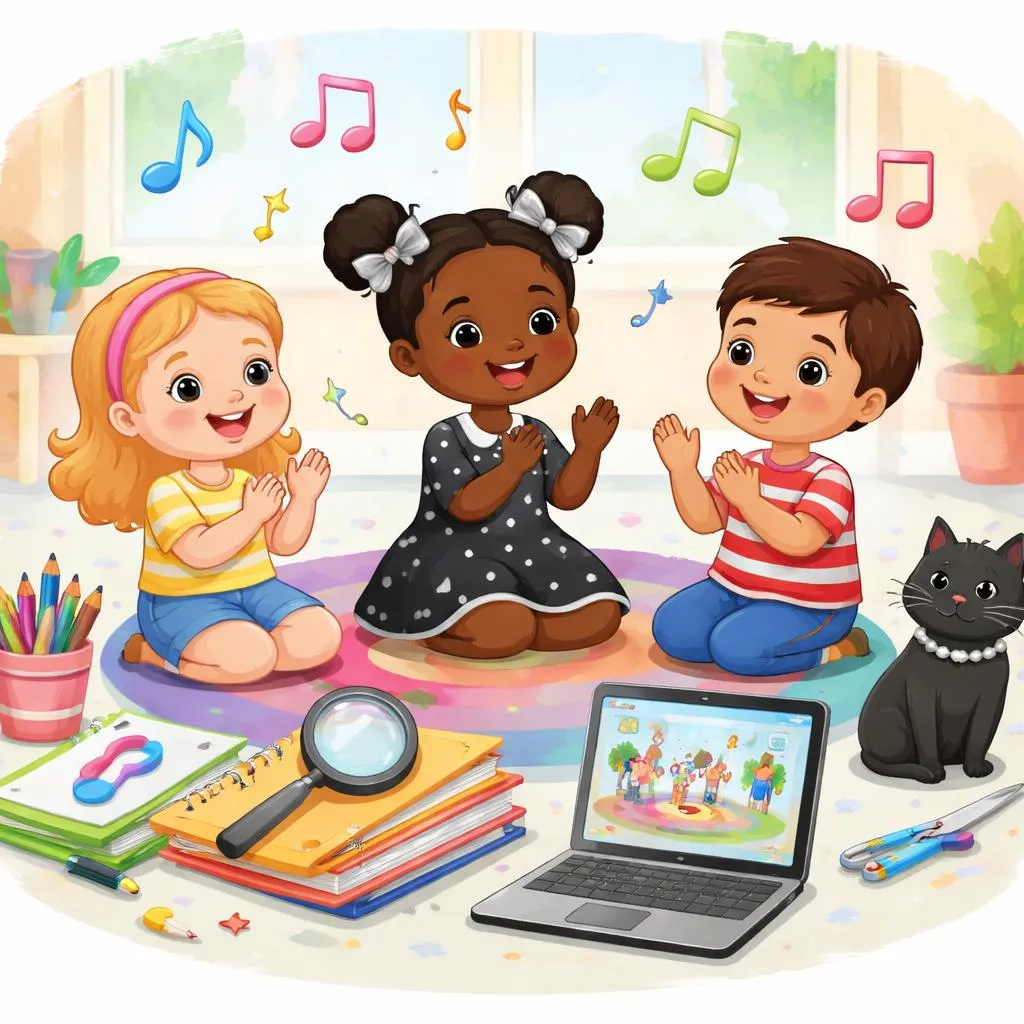

Hand clapping games have entertained children for generations. They pass from playground to playground, from older siblings to younger ones. "Miss Mary Mack" is one of the most beloved hand clapping songs in the English-speaking world. Its rhythmic pattern and engaging story make it perfect for the classroom. The song builds coordination, listening skills, and language abilities all at once. By exploring the miss mary mack full song lyrics, teachers can create rich learning experiences. Children develop phonemic awareness through the rhyming patterns. They practice memory through the repetitive structure. They build social skills through partner work. Let us discover how to use this classic playground song as a powerful teaching tool.
What Is the Miss Mary Mack Rhyme? "Miss Mary Mack" is a traditional children's clapping game and song. It dates back over one hundred years. The exact origins are unknown. The song has many versions. Different regions add their own verses. The core story remains the same across most versions.
The song tells a simple story. Miss Mary Mack wears silver buttons down her back. She asks her mother for money to see an elephant jump the fence. The elephant jumps so high that it reaches the sky. It never comes back down until the Fourth of July.
The rhythm of the song matches the clapping pattern. Children sit facing each other. They clap their own hands and then their partner's hands in a steady beat. The pattern continues throughout the song. This coordination requires practice and focus.
The song appeals to children because of its playful story. An elephant jumping a fence is silly. The idea of an elephant reaching the sky is absurd. Children love this kind of imaginative play. The repetition makes it easy to learn and remember.
The Complete Miss Mary Mack Full Song Lyrics Here is a complete version of the song. This includes the most common verses used in classrooms and playgrounds.
Miss Mary Mack, Mack, Mack, All dressed in black, black, black, With silver buttons, buttons, buttons, All down her back, back, back.
She asked her mother, mother, mother, For fifty cents, cents, cents, To see the elephant, elephant, elephant, Jump the fence, fence, fence.
He jumped so high, high, high, He reached the sky, sky, sky, And he never came back, back, back, Till the Fourth of July, ly, ly.
Some versions add extra verses. Children often create their own variations. This creativity keeps the song alive across generations.
Additional common verses: She looked up high, high, high, Into the sky, sky, sky, And saw a butterfly, fly, fly, Flying by, by, by.
The elephant laughed, laughed, laughed, And split his trunk, trunk, trunk, He fell on his bunk, bunk, bunk, And went kerplunk, plunk, plunk.
These extra verses extend the story. They add more rhyming practice and more opportunities for hand clapping.
Vocabulary Learning from the Song The song introduces several useful vocabulary words. Children learn them in a memorable rhythmic context.
Mack: This is a name. Mary Mack is the character in the song. Children learn that Mack is a surname or nickname.
Dressed in black: This phrase describes what someone wears. Children learn color words and clothing words together.
Silver buttons: Buttons fasten clothing. Silver describes the color or material. This introduces descriptive language.
Mother: A family word. Children already know this. The song reinforces familiar vocabulary.
Fifty cents: Money words appear here. Children learn about coins and amounts. This connects to math learning.
Elephant: An animal name. The image of an elephant jumping is funny and memorable.
Fence: A structure found outside. Children see fences around playgrounds and houses.
Jump: An action word. Children can act out jumping while singing.
Reached the sky: This phrase means went very high. Sky vocabulary connects to weather and nature.
Fourth of July: A holiday in the United States. This introduces cultural vocabulary. Children learn about Independence Day.
Butterfly: Another animal name. The butterfly appears in some versions.
Trunk: This word has two meanings. An elephant's nose is a trunk. A storage box is also a trunk. This teaches multiple meanings.
Kerplunk: A fun sound word. It describes something falling into water. Children love saying this word.
Use these words in other contexts after learning the song. Point out buttons on clothing. Talk about fences on the playground. Count to fifty in math time. The song provides a springboard for broader learning.
Phonics Points in the Song The song offers excellent phonics practice. The repeating patterns highlight specific sounds.
The "ack" sound: Mack, black, back. These words share the "ack" ending. This is a common word family. Other words in this family include pack, rack, sack, and tack. Children can generate more words with the same sound.
The "ents" sound: Cents, fence. These words share the "ents" ending. This is less common but still useful for phonics.
The "igh" sound: High, sky, July. These words share the long "i" sound. They are spelled differently but sound the same. This teaches that the same sound can have different spellings.
The "y" sound: Sky, fly, by. These words end with the long "e" sound. They are spelled with "y" at the end. This is a common pattern in English.
The "unk" sound: Trunk, bunk, plunk. These words share the "unk" ending. This word family includes chunk, dunk, junk, and sunk.
Clap the syllables as you sing. "Mis-sus Ma-ry Mack" has four claps. This builds phonemic awareness. Children learn to hear the separate sounds in words.
Rhyming practice: The song is full of rhymes. Mack rhymes with black and back. Cents rhymes with fence. High rhymes with sky and July. Fly rhymes with by. Trunk rhymes with bunk and plunk. Recognizing rhymes is a key early reading skill.
Grammar Patterns in the Lyrics The song demonstrates several grammar patterns. Children absorb these through repetition.
Past tense verbs: Dressed, asked, jumped, reached, laughed, split, fell. The song uses regular past tense with -ed and irregular past tense like split and fell. Children hear these patterns naturally.
Present tense: The song is mostly in past tense telling a story. Some versions use present tense in additional verses. This contrast helps children understand tense differences.
Adjectives describing nouns: Silver buttons, red hair, long nose. The adjective comes before the noun. This is the standard English pattern. Children internalize this word order.
Prepositional phrases: Down her back, in black, into the sky, on his bunk. These phrases tell where things happen. Children learn to use prepositions correctly.
Repetition for emphasis: Mack, Mack, Mack repeats three times. This is a stylistic feature of the song. It shows how English uses repetition for rhythm and emphasis.
Questions: "She asked her mother for fifty cents" reports a question indirectly. Some versions include direct questions. This introduces question forms.
Compound words: Butterfly, playground, classroom. These appear in some versions. Children learn that two words can combine to make a new word.
The song provides rich language input. Children do not need to analyze the grammar. They absorb it through joyful repetition.
Learning Activities with the Song Songs become powerful teaching tools when we add activities. Here are ideas for using the song in the classroom.
Clapping Pattern Practice: Teach the basic clapping pattern. Partners face each other. Clap own hands together. Clap right hands together. Clap own hands again. Clap left hands together. Continue this pattern while singing. Start slowly. Increase speed as children improve.
Act Out the Story: Children act out the verses. One child is Miss Mary Mack. Others are the elephant, the mother, and the butterfly. Use simple props like silver paper for buttons. This brings the story to life.
Draw the Story: After learning the song, children draw pictures of each verse. They draw Miss Mary Mack with silver buttons. They draw the elephant jumping over a fence. They draw the elephant in the sky. Display the drawings in order.
Create New Verses: Encourage children to create new verses. What else could Miss Mary Mack see? A kangaroo? A rocket ship? What sound does it make? Use the same rhythm pattern. This builds creativity and language skills.
Story Sequencing: Write each verse on a sentence strip. Mix them up. Children put them in the correct order. This builds comprehension of narrative sequence.
Elephant Facts: Connect to science. Learn real facts about elephants. Where do they live? What do they eat? How big are they? Compare the real elephant to the silly elephant in the song.
Button Math: Bring in a collection of buttons. Count them. Sort them by color or size. Make patterns with them. This connects the song to math learning.
Printable Materials for Classroom Use Having printable resources makes lesson planning easier. Here are materials to prepare for this song.
Lyric Poster: Create a large poster with the full lyrics. Add simple illustrations. Display it during singing time. Children can follow along as they sing.
Vocabulary Cards: Make flashcards for key words. Mack, black, buttons, mother, cents, elephant, fence, high, sky, July. Use pictures on one side and words on the other.
Clapping Pattern Cards: Create simple visual guides showing the clapping pattern. Hands together, right hands, hands together, left hands. Use these for children who need extra support.
Sequencing Pictures: Draw or print pictures representing each verse. Children arrange them in story order. They can glue them onto a paper strip to take home.
Mini Books: Create simple foldable books with the song lyrics. Each page has one verse and a picture to color. Children take these home to share with families.
Coloring Pages: Design coloring pages showing Miss Mary Mack, the elephant, and the fence. Children color while listening to the song. This quiet activity reinforces the theme.
Word Search: Create a simple word search with words from the song. Children find and circle the words. This builds word recognition.
Educational Games for Deeper Learning Games make learning joyful. Here are games centered around the song.
Miss Mary Mack Says: Play a variation of Simon Says using the song. "Miss Mary Mack says jump like an elephant." "Miss Mary Mack says reach for the sky." This combines movement with song references.
Button Hide and Seek: Hide silver buttons around the classroom. Children search for them. When they find one, they say "I found a silver button!" This builds language while moving.
Elephant Freeze Dance: Play a recording of the song. Children dance like elephants. When the music stops, they freeze. Anyone who moves is out. This builds listening skills and self-control.
Rhyme Matching Game: Create cards with words from the song. Mack, black, back are one set. High, sky, July are another set. Children match the rhyming words. This builds phonemic awareness.
Story Retell with Puppets: Create simple puppets. Use craft sticks with pictures of Miss Mary Mack, mother, elephant, and butterfly. Children use puppets to retell the story. This builds narrative skills.
Memory Game with Vocabulary: Place vocabulary cards face down. Children take turns flipping two cards. They try to find matches. When they make a match, they use the word in a sentence.
Musical Statues with Verses: Play the song. Children dance. Pause the music. When the music stops, children freeze. Name a word from the song. Children must point to something related to that word in the room.
Connecting to Hand Clapping Traditions The song connects to a rich tradition of playground games. Exploring this builds cultural awareness.
Learn Other Clapping Songs: Teach other traditional clapping songs. "A Sailor Went to Sea" and "Pat-a-Cake" are good choices. Compare the patterns and lyrics.
Interview Families: Ask children to ask family members about clapping games they played. Share these in class. This connects school learning to home traditions.
Create Class Clapping Book: Write down all the clapping games the class knows. Include the words and clapping patterns. Illustrate each one. Keep it in the classroom library.
Perform for Others: Learn the song well. Perform it for another class or for families. This builds confidence and pride in learning.
Research the History: For older children, research where the song came from. Learn about the origins of playground rhymes. This connects to social studies learning.
The miss mary mack full song lyrics carry generations of childhood joy. Every time children sing and clap, they connect to this long tradition. They build coordination, language, and social bonds. The simple story of an elephant jumping a fence becomes a vehicle for rich learning. Through this song, children develop phonemic awareness, vocabulary, and narrative understanding. They learn to work with partners and keep a steady beat. They create, imagine, and play. And in the process, they fill their language toolkit with words and patterns they will use for years to come.