Where Did English Originate? A Simple Guide to the History of the English Language English Language History, Old English, Anglo Saxons, Middle English, Language Development, British History Where Did English Originate? English originated in Europe. English began in what is now England. The English language developed many centuries ago. It did not appear suddenly. It grew slowly over time. English originated from Germanic languages brought to Britain by early tribes. Language changes gradually. History shapes vocabulary. Migration shapes grammar. The Beginning: Anglo-Saxon Influence English originated when the Anglo-Saxons arrived in Britain around the 5th century. These groups came from parts of northern Europe, including areas that are now Germany and Denmark. They brought their own language. That language was Germanic. It became known as Old English. Old English looked very different from modern English. It sounded different. It was difficult to understand for modern readers. Short words like “house,” “bread,” and “water” come from Old English roots. Simple vocabulary survived. Core words stayed. Old English Period The Old English period lasted from about 450 to 1100. Old English grammar was complex. Nouns changed form. Verbs had many endings. Spelling was not fixed. An important Old English text is Beowulf. The language in that poem is very different from today’s English. For example: Modern English: The king was brave. Old English: Se cyning wæs beald. Clear difference. Same meaning. Viking Influence on English Later, Viking groups from Scandinavia arrived in Britain. These Norse-speaking settlers influenced English vocabulary. They added simple everyday words. Sky Egg Window Knife These words are still used today. Language contact creates change. Borrowing enriches vocabulary. English became more flexible. The Norman Conquest and French Influence In 1066, William the Conqueror invaded England. This event is called the Norman Conquest. After this, French became the language of government and law. English continued to be spoken by common people. French influenced vocabulary strongly. Government Court Justice Beauty Color Many formal words in English come from French. Two word levels developed. Simple Anglo-Saxon words for daily life. French-based words for formal situations. Language became layered. Middle English Period The Middle English period lasted from about 1100 to 1500. Grammar became simpler. Word endings were reduced. Word order became more important. An important writer from this time was Geoffrey Chaucer. His work The Canterbury Tales shows how English looked during this period. Middle English is easier than Old English. Still different from today. Gradual change continued. The Birth of Modern English Around 1500, Early Modern English began to develop. Printing helped standardize spelling. In 1476, William Caxton introduced the printing press to England. Printed books spread consistent forms. Spelling became more regular. Vocabulary expanded quickly. Exploration brought new words. Trade added new expressions. Science introduced technical terms. Shakespeare’s Influence During the Early Modern English period, William Shakespeare helped shape vocabulary. He introduced or popularized many words and phrases. Lonely Excitement Bedroom Creative language expanded expression. Literature influenced usage. Language grew richer. Global Spread of English English originated in England, but it did not stay there. Through trade, colonization, and global communication, English spread worldwide. In United States, English developed its own variety. In Australia, English adapted to local culture. In India, English became an important second language. English became global. Global use created new dialects. New dialects added new vocabulary. Why Understanding English Origin Matters Learning where English originated helps learners understand why English spelling can seem irregular. It explains why similar meanings may have different word origins. Ask and question. Start and commence. Freedom and liberty. One word often comes from Old English. The other may come from French or Latin. History explains variation. Variation explains complexity. Key Timeline Summary 5th century – Anglo-Saxon arrival. Old English begins. 8th–9th centuries – Viking influence adds Norse words. 1066 – Norman Conquest brings French vocabulary. 1476 – Printing press standardizes spelling. 1500 onward – Modern English develops and spreads globally. Language evolved step by step. No sudden creation. Continuous growth. English Today Today, English is spoken in many countries. It has many accents and dialects. Vocabulary continues to grow through technology, science, and culture. New words appear every year. Some stay. Some disappear. English originated from Germanic roots in early medieval England. Over centuries, it absorbed influences from Norse, French, Latin, and many other languages. Through history, migration, and cultural exchange, English transformed into the global language used today. Language is alive. Language evolves. English continues to grow. The Influence of Latin on English Latin played an important role in the development of English. Even though English originated from Germanic roots, Latin words entered the language through religion, education, and scholarship. When Christianity spread across England, church leaders used Latin. Religious texts were written in Latin. Many religious words entered English during this time. Angel Circle School Master These words feel natural today, but their history connects to Latin influence. Later, during the Renaissance period, scholars studied classical texts again. Latin became important in science and academic writing. Many scientific and medical terms come from Latin roots. Animal Radius Formula Data Latin roots explain why many English words look similar to words in other European languages. Shared roots create similarities. History creates connections. The Great Vowel Shift One major sound change in English history is called the Great Vowel Shift. This happened between 1400 and 1700. During this time, the pronunciation of long vowels changed significantly. For example, the word “time” used to sound more like “teem.” Gradually, pronunciation shifted. Spelling stayed the same. Sound changed. This explains why English spelling and pronunciation sometimes do not match perfectly. The word “name” is not pronounced the way it looks if reading it letter by letter. Historical sound change shaped modern pronunciation. Understanding this shift helps explain silent letters and unusual spelling patterns. Dictionaries and Standard English As English continued to grow, dictionaries helped organize vocabulary. One important dictionary was created by Samuel Johnson in 1755. His dictionary helped standardize spelling and definitions. Later, the Oxford University Press published the Oxford English Dictionary. This dictionary records the history of English words and shows how meanings changed over time. Dictionaries support clarity. Clarity supports communication. Standard forms reduce confusion. Even today, dictionaries continue to add new words as language evolves. English in America When settlers traveled to North America, English changed again. In the United States, pronunciation and spelling developed differently in some cases. Color instead of colour. Center instead of centre. One influential dictionary writer in America was Noah Webster. He supported simpler spelling forms. His dictionary helped shape American English. Regional differences created variety. Variety created identity. American English and British English share the same roots, but small differences developed over time. English as a Global Language English originated in England, but today it is spoken on every continent. In many countries, English is used in business, education, science, and international communication. In Canada, English is one of the official languages. In Australia, English is the main national language. In South Africa, English is widely used in government and media. Global use increases vocabulary diversity. Technology spreads new words quickly. Internet communication accelerates language change. New expressions appear. Some become permanent. Why English Has So Many Synonyms Because English originated from different language influences, it has many synonyms. Words from Old English, French, and Latin often exist side by side. Kingly (Old English) Royal (French) Regal (Latin) Ask (Old English) Question (French) Interrogate (Latin) Different origins create layers of meaning. Simple words feel informal. French-based words sound more formal. Latin-based words often appear in academic contexts. This layered vocabulary gives English flexibility and richness. Learning English Through History Understanding where English originated helps learners see patterns in vocabulary and spelling. Instead of memorizing words randomly, historical awareness builds logical connections. Germanic roots often form basic everyday words. French roots often appear in law and government. Latin roots often appear in science and education. Pattern recognition supports vocabulary growth. History builds understanding. Understanding builds confidence. English Continues to Change English did not stop developing in the past. It continues to grow today. Technology has introduced new vocabulary. Email Website Download Podcast Social media creates new expressions. Emoji Hashtag Viral Some words enter dictionaries quickly. Others disappear after short use. Language reflects society. Society evolves. English evolves too. From the arrival of the Anglo-Saxons to the influence of Vikings, the Norman Conquest, the printing press, global exploration, and digital communication, English has transformed step by step. English originated in early medieval England, but centuries of contact, culture, and communication shaped it into the global language used today. Ongoing change. Continuous adaptation. Living language.
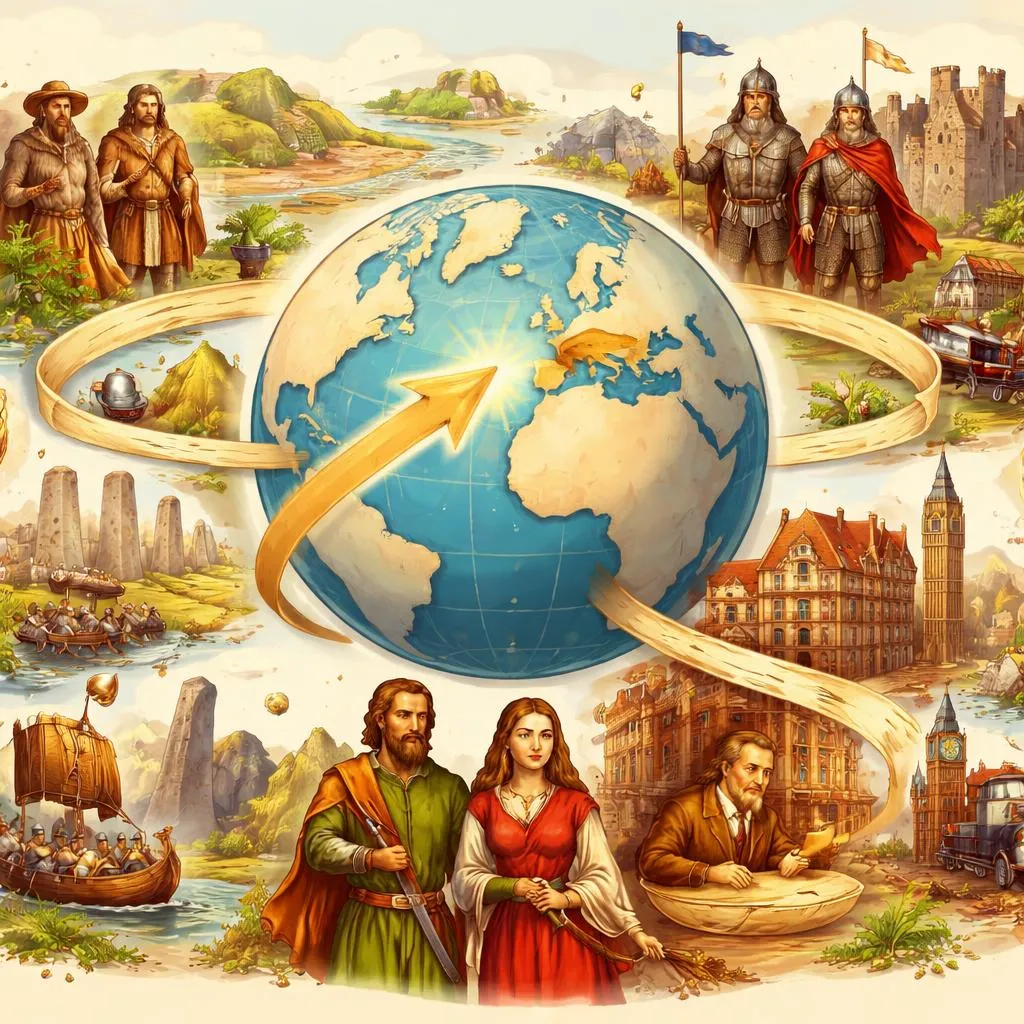
Where Did English Originate? A Simple Guide to the History of the English Language
