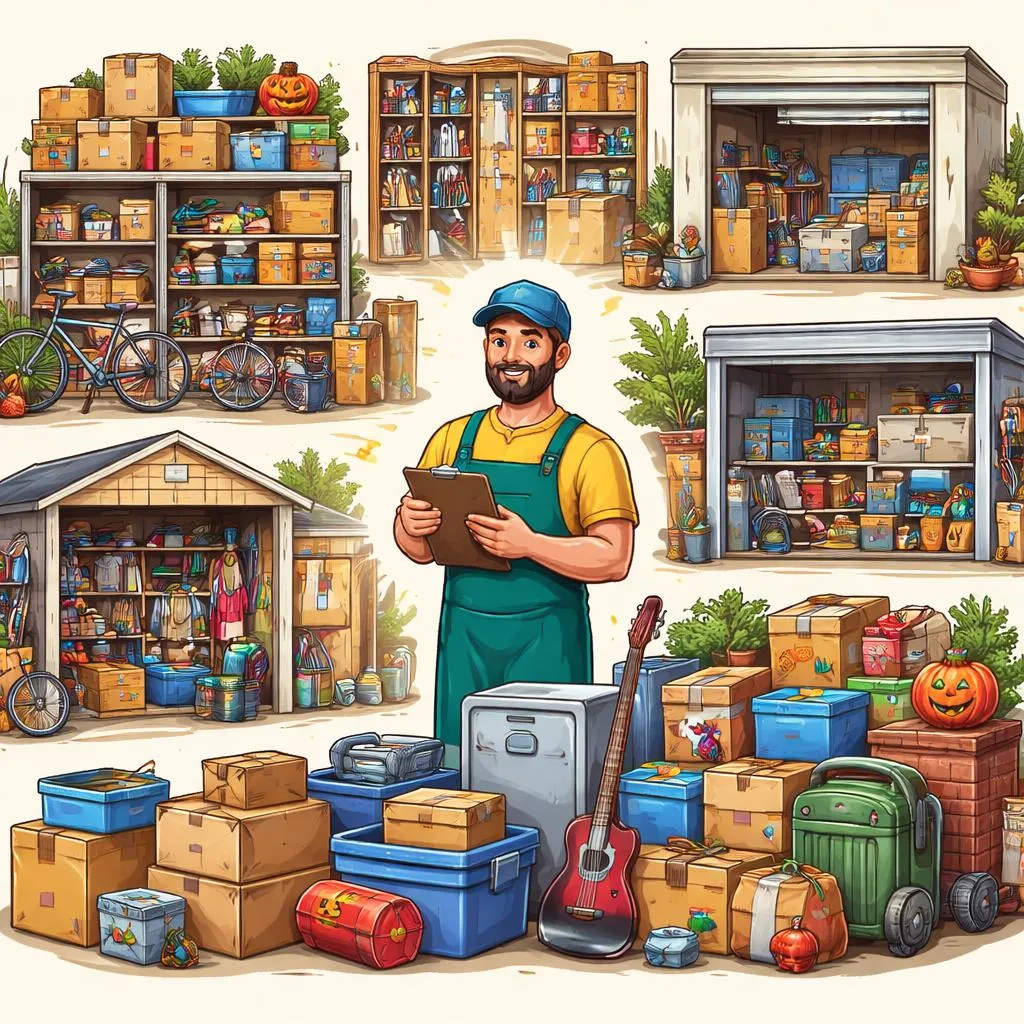

A closet helps you store your shoes. An attic provides storage for old toys. The words “store, storage, storable, storekeeper” all come from one family. Each word talks about keeping things for later use. But each one has a different job in a sentence. Learning this family helps children organize their rooms and understand shops. Let us explore these four words together.
What Does “Same Word, Different Forms” Mean? One core idea can grow into many word shapes. The meaning stays the same at the heart. But the word changes its ending for a new role. For example, “store” is a verb or a noun. “Storage” is a noun. “Storable” is an adjective. “Storekeeper” is a noun. Knowing these four forms helps a child talk about keeping things safe and shops.
Personal Pronouns Change Their Form Pronouns change from “he” to “him” or “his”. Our word family changes by adding suffixes, not by changing person. Think of “store” as the core action of keeping or a place to buy things. “Storage” turns the action into a space or method. “Storable” turns the idea into a description of possibility. “Storekeeper” combines store with keeper to name a person. Each form answers a simple question. What action or place? Store. What space or method? Storage. What can be kept? Storable. Who runs the shop? Storekeeper.
From Verb to Noun to Adjective to Adverb – One Family, Many Words This family has verbs, nouns, and an adjective. Let us start with the verb “store”. Verb: Please store the bread in the breadbox. “Store” means to keep something for later use.
“Store” can also be a noun. Noun: I bought milk at the corner store. “Store” means a shop where you buy things.
Next is the noun “storage”. Noun: We put winter clothes in storage during summer. “Storage” means a place or method for keeping things.
Then the adjective “storable”. Adjective: These vegetables are storable for months. “Storable” means able to be kept or stored.
Finally the noun “storekeeper”. Noun: The storekeeper opened the shop at 8 a.m. “Storekeeper” means a person who owns or runs a store. This family has no common adverb form.
One Root, Many Roles – How Words Grow from Actions to Qualities The Old French word “estorer” meant to build or supply. From this root, we built a family about keeping. “Store” kept the main verb and noun meanings. Adding -age made “storage” (the place or act of storing). Adding -able made “storable” (possible to store). Combining “store” with “keeper” made “storekeeper” (the person who keeps the store). Children can see the same pattern in other families. For example, “pack, package, packable, packkeeper (rare)”. Learning the -age suffix helps kids understand spaces and actions.
Same Meaning, Different Jobs – Is It a Verb or a Noun? Look at each word’s job carefully. “Store” can be a verb or a noun. Verb example: Store the toys in the bin. Noun example: We went to the pet store.
“Storage” is a noun. Example: The garage provides storage for tools.
“Storable” is an adjective. Example: Dry rice is storable for years.
“Storekeeper” is a noun. Example: The friendly storekeeper gave us a discount. Each form has a clear job. Only “store” has two roles.
Adjectives and Adverbs – When Do We Add -ly? This family has no common adverb form. We do not say “storably” very often. For young learners, focus on “storable” as an adjective. A simple reminder: “If you can store it, it is storable.”
Watch Out for Tricky Spelling Changes (Double Letters, y to i, and More) “Store” has no double letters. It ends with a silent e. Add -age to make “storage”. Store → stor + age (drop the e, add age). Add -able to make “storable”. Store → stor + able (drop the e, add able). Combine with “keeper” to make “storekeeper”. Store + keeper = storekeeper (keep the e, add keeper). A common mistake is writing “storage” as “storeage”. Say “Storage drops the e. Stor + age.” Another mistake is “storable” spelled “storeable”. “Storeable” is also correct but less common. “Storable” is shorter. Another mistake is “storekeeper” written as “store keeper” as two words. “Storekeeper” as one word is correct. Another mistake is forgetting the “k” in “storekeeper”. Say “Storekeeper has a k. Keep + er.”
Let’s Practice – Can You Choose the Right Form? Try these sentences with your child. Read each one aloud. Pick the correct word from the family.
Please ______ your LEGOs in the blue bin. Answer: store (verb)
We bought bread at the grocery ______. Answer: store (noun)
The attic provides extra ______ for old furniture. Answer: storage (noun)
Canned food is highly ______ for emergencies. Answer: storable (adjective)
The neighborhood ______ knows everyone’s name. Answer: storekeeper (noun)
This closet is perfect for ______ winter coats. Answer: storing (verb form of store)
Digital ______ on a hard drive keeps photos safe. Answer: storage (noun)
Fresh fruit is not ______ for a long time. Answer: storable (adjective)
The ______ unlocked the door at 7 a.m. sharp. Answer: storekeeper (noun)
We need a place to ______ the camping gear. Answer: store (verb)
After the practice, ask your child one question. Is this word an action, a place, a space for keeping, a possibility, or a shop person? That simple question teaches grammar through organization.
Tips for Parents – Help Your Child Learn Word Families in a Fun Way Use a toy box to teach “store”. Say “Let us store the cars in this box.”
Use a grocery trip to teach “store as a noun”. Say “We are going to the toy store later.”
Use a garage or shed to teach “storage”. Say “The shed is for storage of garden tools.”
Use a food shelf to teach “storable”. Say “Pasta is storable for a long time. Milk is not.”
Use a local shop to teach “storekeeper”. Say “The storekeeper knows where everything is.”
Play “fill in the blank” during car rides. Say “______ the leftover food in the fridge.” (store) Say “We bought milk at the corner ______.” (store - noun) Say “The basement has ______ for old boxes.” (storage) Say “These nuts are ______ for months.” (storable) Say “The ______ gave me a free cookie.” (storekeeper)
Read a story about a small shop or a family organizing their home. Ask “Where does the character store things?” Ask “Who is the storekeeper in the story?”
Turn a drawing activity into a word lesson. Draw a person putting toys in a bin. Label “store”. Draw a small building. Label “grocery store”. Draw a closet with shelves. Label “storage”. Draw a jar of jam with a checkmark. Label “storable”. Draw a person behind a counter. Label “storekeeper”.
When your child makes a mistake, stay calm. If they say “Put it in the storage,” say “Almost. Put it in storage. Or use storage space. Storage is the concept. We say ‘in storage.’” If they say “The store is storaging the boxes,” say “Close. The store is storing the boxes. Store is the verb. Storing is the present action.”
Write the four words on sticky notes. Put them on a closet door or a pantry. Each time you put something away, point to “store”. Each time you open a storage bin, point to “storage”.
Remember that organization is a life skill. Use these words to teach tidiness. Soon your child will store toys in the right place. They will know what a store is. They will help find storage for seasonal items. They will name storable foods for camping. And they will greet the local storekeeper with a smile. That is the organized power of learning one small word family together.