
Introduction to Marshall Islands
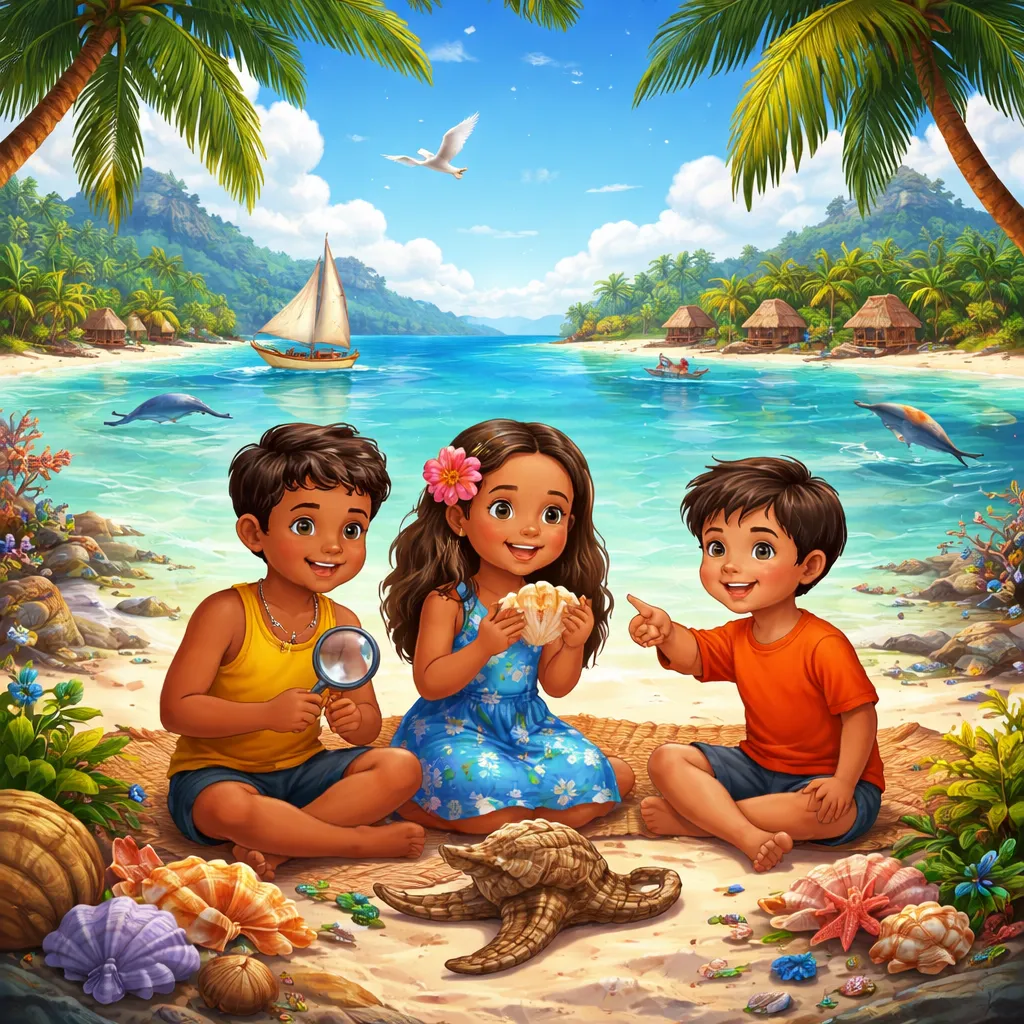
Language learning carries us across the vast Pacific Ocean to a chain of remote islands. Today we explore a nation made of coral rings and turquoise lagoons. This country stretches across hundreds of miles of ocean. Children will discover a place where land appears as thin strips around sparkling waters. They will learn about people who became masters of ocean navigation. Exploring Marshall Islands builds reading skills while revealing the beauty of Pacific island life. Every fact shows how people thrive on these delicate islands. Every word invites young readers to imagine life surrounded by sea.
Where Is the Marshall Islands?
The Marshall Islands lie in the Pacific Ocean northeast of Australia. This nation sits halfway between Hawaii and Papua New Guinea. The country consists of two parallel chains of islands. The Ratak Chain means sunrise chain. The Ralik Chain means sunset chain. Together, these chains include over one thousand two hundred islands and islets. The islands form twenty-nine atolls and five single islands. The capital city is Majuro. Majuro sits on a long, narrow atoll. The country has no land borders. Its nearest neighbors include Kiribati and the Federated States of Micronesia. Finding the Marshall Islands on a map shows a scattered group of dots across a vast blue ocean. Understanding this geography helps young readers appreciate how isolated these islands truly are.
Interesting Facts About the Marshall Islands
The Marshall Islands offer many fascinating facts for young learners. The country is made almost entirely of atolls. Each atoll forms a ring of coral surrounding a central lagoon. Some atolls stretch for over fifty miles but have almost no land above sea level. Another interesting fact involves nuclear history. The United States tested nuclear weapons here after World War II. The Bikini Atoll became famous for these tests. Today, the people continue to care for their islands.
The Marshallese people developed incredible navigation skills. They used stick charts to map ocean waves and currents. These charts showed how waves bent around islands. Sailors could read the waves to find their way across hundreds of miles of open ocean. Another fun fact involves the country's highest point. The highest natural point reaches only about thirty feet above sea level. This makes the Marshall Islands one of the lowest countries on Earth.
The islands also hold unique wildlife. Sea turtles nest on the beaches. Over two hundred species of fish swim in the lagoons. The waters also hold shipwrecks from World War II, now covered in coral. These facts show children a nation where the ocean defines everything.
Key Vocabulary About the Marshall Islands
Let us build vocabulary for this Pacific nation. These words help children describe what they learn.
Atoll: a ring-shaped coral reef that encloses a lagoon.
Lagoon: a shallow body of water separated from the sea by a reef.
Chain: a group of islands in a line.
Coral: a hard substance made by tiny sea animals.
Navigation: the skill of finding your way across water.
Stick Chart: a traditional Marshallese map made of sticks and shells.
Islet: a very small island. Introduce these words with pictures and stories. Show an atoll from above showing the ring shape. Show a stick chart and explain how it worked. Let children say each word aloud. These vocabulary words give children the language to explore this ocean world.
Simple Sentences for Reading Practice
Short sentences help new readers build confidence. Use these sentences about the Marshall Islands for practice.
The Marshall Islands are in the Pacific Ocean.
The country has many atolls.
Each atoll surrounds a lagoon.
The capital city is Majuro.
People use stick charts to navigate.
The islands lie very low above the sea.
Sea turtles nest on the beaches. Read each sentence together. Let children point to the words. Encourage them to repeat after you. Use pictures to show each fact. These simple sentences prepare young readers for longer passages.
Short Reading Passage About the Marshall Islands
Here is a short passage for children to read together.
“The Marshall Islands spread across the Pacific Ocean. Two chains of islands form this nation. The Ratak Chain faces the sunrise. The Ralik Chain faces the sunset. Together, they hold over one thousand islands and islets. Most of these islands sit on coral atolls. Each atoll forms a ring of land around a quiet lagoon. The capital, Majuro, stretches along one of these atolls. People here developed amazing skills for navigating the ocean. They created stick charts from palm ribs and shells. These charts showed the patterns of waves. Sailors could feel the waves beneath their boats and know which way to go. The islands sit very low. The highest ground rises only a few feet above the sea. Sea turtles crawl onto the beaches to lay their eggs. Colorful fish dart through the coral reefs. Life in the Marshall Islands revolves around the ocean that surrounds them.”
Read this passage slowly together. Pause to talk about each idea. Ask children to find vocabulary words in the text. This activity builds reading fluency and deepens understanding.
Fun Questions About the Marshall Islands
Questions make reading interactive and engaging. Use these to start conversations with young learners.
What ocean contains the Marshall Islands?
What is the capital city of the Marshall Islands?
What shape do the islands form around water?
What tool did Marshallese sailors use to navigate?
How high is the highest natural point?
What animals nest on the beaches? Let children answer in complete sentences. Encourage them to use new vocabulary. Ask them to imagine navigating the ocean using waves. How would they feel? Creative questions make the topic personal and exciting.
Tips for Learning English with This Topic
Use the Marshall Islands to create engaging English learning experiences. Start with a map activity. Let children find the Marshall Islands in the Pacific. Point out the two chains and the scattered atolls. Discuss how far these islands sit from other land. This connects geography to the concept of isolation in a visual way.
Next, introduce the vocabulary through a hands-on activity. Create a simple atoll model using a shallow bowl of water. Place a ring of clay or stones to form the atoll shape. Explain how the lagoon sits in the center. Add toy fish or shells. Let children build their own atolls.
Read the passage aloud with a gentle, flowing voice. Let your tone reflect the peaceful ocean setting. After reading, let children draw a scene from the Marshall Islands. One child might draw an atoll from above with its ring shape. Another might draw a stick chart showing waves and islands. Let them label their drawings with vocabulary words. Add blue paper for ocean and green for land.
Incorporate a science and history connection. Talk about how waves move and how Marshallese sailors read them. Use simple terms to explain navigation without modern tools. This shows children that language learning reading connects to human ingenuity and science.
Use music and movement to enhance the experience. Play ocean sounds while reading or drawing. Let children move like waves or pretend to paddle a canoe. Practice feeling imaginary waves beneath a boat. Physical activity reinforces learning in joyful ways.
Encourage children to share their knowledge. Let them tell a family member about stick charts and how they worked. They can explain what an atoll looks like. Teaching others builds confidence and deepens understanding.
Connect the Marshall Islands to your child's world. Ask, “What bodies of water are near us?” Talk about how people near you navigate or find their way. Compare stick charts to maps you use. Ask about sea turtles or fish you have seen. Compare them to the wildlife of the Marshall Islands. These connections help children see that language learning reading is about understanding places both near and far. By exploring the Marshall Islands together, you give children a rich experience. They learn new words, discover a nation shaped by the ocean, and grow their love for reading. This Pacific island nation becomes a meaningful part of their learning journey.