
Introduction to Monaco
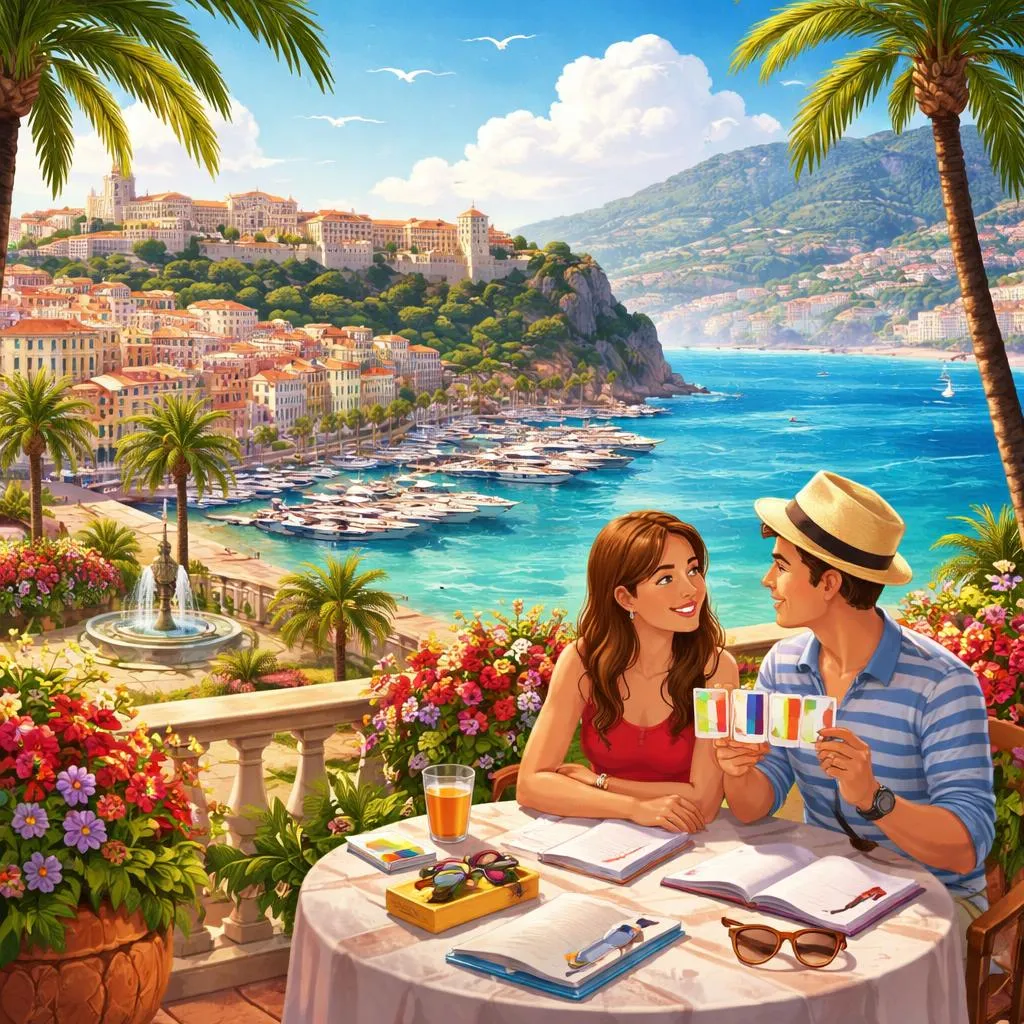
Language learning takes us to places where size does not determine greatness. Today we explore the second smallest country in the world. This tiny nation hugs the Mediterranean coast, surrounded on three sides by France. Children will discover a land of glamour, history, and stunning sea views. They will learn about a royal family that has ruled for over seven hundred years. Exploring Monaco builds reading skills while showing how small places can hold big stories. Every fact reveals something surprising. Every word invites young readers to explore this glittering Mediterranean jewel.
Where Is Monaco?
Monaco lies on the French Riviera in Western Europe. France surrounds it on three sides. The Mediterranean Sea forms its southern border. The country sits just east of Nice, France. Monaco covers less than one square mile. That makes it smaller than many city parks. The capital city is also called Monaco. The country divides into several districts. These include Monaco-Ville (the old city), Monte Carlo, and Fontvieille. The landscape rises steeply from the sea. Hillside streets wind up from the harbor. Finding Monaco on a map requires a close look. It appears as a tiny dot on the coast between France and Italy. Its location on the Mediterranean gives it warm, sunny weather year-round.
Interesting Facts About Monaco
Monaco offers many fascinating facts for young learners. It ranks as the second smallest country in the world. Only Vatican City is smaller. Despite its tiny size, Monaco has one of the highest population densities on Earth. People live close together in this small space. Another interesting fact involves the royal family. The Grimaldi family has ruled Monaco for over seven hundred years. The current ruler is Prince Albert II. His mother was the famous American actress Grace Kelly.
Monaco also holds a famous car race. The Monaco Grand Prix winds through the city streets. Drivers race past the harbor, through tunnels, and up steep hills. It ranks as one of the most challenging races in the world. Another fun fact involves the ocean. Monaco has a world-renowned oceanographic museum. It sits on a cliff overlooking the sea. The museum holds aquariums, marine exhibits, and research facilities.
The country also has a unique casino. The Monte Carlo Casino attracts visitors from around the world. It features beautiful architecture with towers and gardens. Monaco has no income tax. That means people who live there do not pay taxes on their earnings. Many wealthy people choose to live in Monaco for this reason. These facts show children a country of glamour, history, and unique geography.
Key Vocabulary About Monaco
Let us build vocabulary for this tiny nation. These words help children describe what they learn.
Microstate: a very small independent country.
Riviera: a coastal region known for its scenery and mild climate.
Grand Prix: a major international car race.
Harbor: a place where boats and ships dock.
Oceanography: the study of the ocean.
Tax: money paid to support a government.
Cliff: a steep face of rock. Introduce these words with pictures and stories. Show the winding streets of the Grand Prix. Show the oceanographic museum on its cliff. Let children say each word aloud. These vocabulary words give children the language to explore Monaco's unique character.
Simple Sentences for Reading Practice
Short sentences help new readers build confidence. Use these sentences about Monaco for practice.
Monaco is a very small country in Europe.
France surrounds Monaco on three sides.
The Mediterranean Sea borders the south.
The Grimaldi family rules Monaco.
The Monaco Grand Prix races through city streets.
Monte Carlo is a famous district.
The oceanographic museum overlooks the sea. Read each sentence together. Let children point to the words. Encourage them to repeat after you. Use pictures to show each fact. These simple sentences prepare young readers for longer passages.
Short Reading Passage About Monaco
Here is a short passage for children to read together.
“Monaco clings to the Mediterranean coast on the French Riviera. This tiny country covers less than one square mile. France surrounds it on three sides. The sea laps against its southern edge. The Grimaldi family has ruled Monaco for over seven hundred years. Prince Albert II serves as the current ruler. His palace sits on a rocky cliff in Monaco-Ville, the old city. Each year, the Monaco Grand Prix brings race cars to the streets. Drivers navigate tight turns and narrow roads. They race past the harbor filled with yachts. Below the palace, the oceanographic museum rises from the cliff. Scientists study the sea and display marine life in large aquariums. Monte Carlo draws visitors with its grand buildings and gardens. The famous casino stands at its center. Monaco has no income tax. People from many countries come to live here. The country blends history, luxury, and stunning sea views.”
Read this passage slowly together. Pause to talk about each idea. Ask children to find vocabulary words in the text. This activity builds reading fluency and deepens understanding.
Fun Questions About Monaco
Questions make reading interactive and engaging. Use these to start conversations with young learners.
What country surrounds Monaco on three sides?
What sea borders Monaco to the south?
What family has ruled Monaco for seven hundred years?
What famous car race winds through the city?
What does the oceanographic museum display?
Why do many wealthy people choose to live in Monaco? Let children answer in complete sentences. Encourage them to use new vocabulary. Ask them to imagine watching the Grand Prix from a balcony. What would they see and hear? Creative questions make the topic personal and exciting.
Tips for Learning English with This Topic
Use Monaco to create engaging English learning experiences. Start with a map activity. Let children find Monaco on the French Riviera. Point out how France surrounds it. Compare its size to other countries or to local landmarks. This helps children grasp the concept of a microstate.
Next, introduce the vocabulary through a racing activity. Draw a simple race track on paper with sharp turns. Let children move toy cars along the track. Talk about the Monaco Grand Prix and why it is challenging. Use the word "Grand Prix" and describe the harbor and tunnels.
Read the passage aloud with energy and excitement. Let your voice pick up speed for the race and calm for the palace views. After reading, let children draw a scene from Monaco. One child might draw the Grand Prix cars racing past the harbor. Another might draw the palace on its cliff overlooking the sea. Let them label their drawings with vocabulary words. Add blue for the Mediterranean and red for the race cars.
Incorporate a history connection. Talk about how the Grimaldi family ruled for so many centuries. Compare to other royal families children may know. Discuss what makes a microstate different from larger countries.
Use music and movement to enhance the experience. Play energetic music that sounds like a race. Let children pretend to drive through sharp turns. For the oceanography part, let them move like fish or waves. Physical activity reinforces learning in joyful ways.
Encourage children to share their knowledge. Let them tell a family member about the second smallest country in the world. They can explain why the Grand Prix is famous. Teaching others builds confidence and deepens understanding.
Connect Monaco to your child's world. Ask, “What small places have we visited?” Compare them to Monaco's tiny size. Ask about car races or boats you have seen. Compare to the Grand Prix and harbor. These connections help children see that language learning reading is about understanding places both near and far. By exploring Monaco together, you give children a rich experience. They learn new words, discover a tiny kingdom by the sea, and grow their love for reading. This Mediterranean microstate becomes a fascinating part of their learning journey.