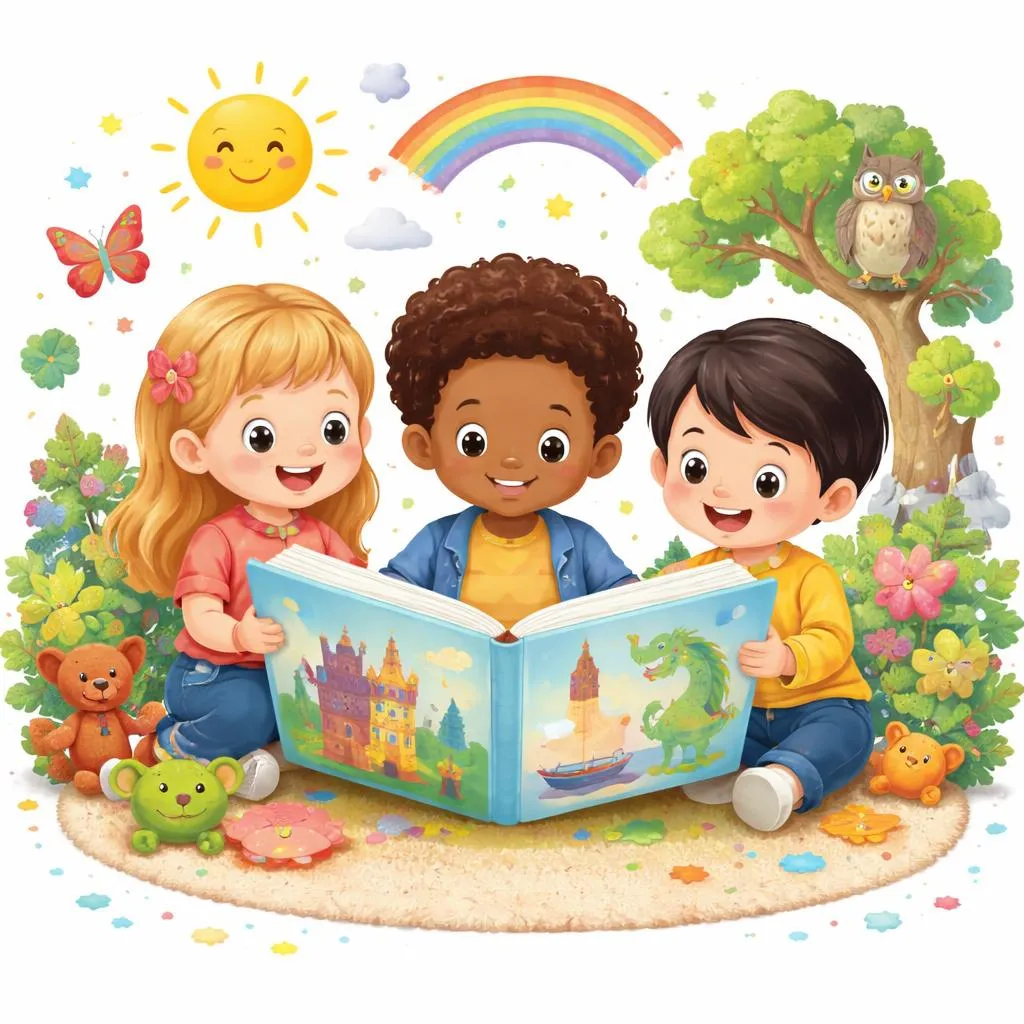

What Are Children's Picture Story Books? Let us explore this beloved format of children's literature together. Children's picture story books combine illustrations with text to tell a story. The pictures carry as much meaning as the words themselves. Young children can follow the story through pictures alone. The illustrations provide context for understanding new words. Pictures show what characters look like and how they feel. Settings come alive through artistic vision and detail. The text and pictures work together to create meaning. Neither element tells the complete story by itself. This partnership makes picture books unique and powerful. They bridge the gap between being read to and reading independently. Children learn to read pictures before they read words. This builds comprehension skills essential for all reading.
Meaning and Purpose of Picture Story Books These books serve multiple essential purposes in early literacy. They introduce the joy of reading from the earliest ages. Beautiful pictures draw children into the story world. The combination of text and images supports comprehension. Children understand the story even if they can't read words. Picture books also build vocabulary in meaningful contexts. New words appear with pictures showing what they mean. The illustrations provide clues that help decode meaning. Picture books also develop visual literacy skills. Children learn to interpret images and understand visual information. This skill matters increasingly in our visual world. The books also create bonding experiences between readers and children. Sharing a picture book is intimate and joyful.
Parts of a Picture Story Book We can identify several physical parts of picture story books. The cover protects the pages and invites reading. It shows the title, author, and enticing artwork. The spine holds pages together and shows on shelves. Endpapers connect covers to pages inside. Sometimes they carry patterns or colors from the story. The title page repeats book information formally. Copyright page shows publication details and date. Pages hold the story with text and illustrations. Double-page spreads show illustrations across two pages. Sometimes text appears on one side, pictures on the other. The back cover often summarizes the story briefly. Understanding these parts helps children navigate books independently.
Categories of Picture Story Books We can organize picture story books into helpful categories. Concept books teach specific ideas like colors or numbers. The story carries educational content naturally. Alphabet books introduce letters with engaging illustrations. Each page features a letter and corresponding pictures. Counting books help children learn numbers through stories. Animals, objects, or characters appear in quantities. Bedtime books ease the transition to sleep gently. Quiet, soothing stories calm children before rest. Humorous books make children laugh with silly situations. Funny pictures and wordplay delight young readers. Emotional books help children understand feelings. Characters model handling emotions like anger or sadness. Adventure books take children on exciting journeys. Explorations, discoveries, and quests fill the pages.
Daily Life Connections Through Picture Books Picture story books connect directly to children's daily experiences. Books about bedtime mirror children's own nightly routines. Characters brushing teeth and hearing stories feel familiar. Stories about school prepare children for classroom life. The characters' experiences reduce anxiety about new situations. Books about feelings validate children's emotional lives. Seeing characters handle anger or sadness provides models. Stories about families reflect children's own homes. Different family structures appear in inclusive books. Books about friendship teach social navigation. Characters share, apologize, and include others. Stories about new experiences prepare children for change. Moving, new siblings, and travel become less scary. We can point out these connections during reading. "That character felt nervous like you did." "Your family does that too."
Vocabulary Learning From Picture Books Picture books provide rich vocabulary in meaningful contexts. Basic vocabulary appears in simplest books for beginners. Cat, dog, house, and family build foundation. Descriptive words expand with story complexity. Enormous, tiny, sparkling, and mysterious appear. Action words carry plots forward through text. Run, jump, discover, and create move stories. Emotion words name internal experiences. Furious, delighted, worried, and peaceful appear. Character words define story participants. Hero, villain, friend, and neighbor name roles. Place words build settings for imagination. Forest, castle, city, and garden create worlds. Time words sequence story events. First, next, finally, and long ago orient readers. We can teach these words naturally during reading. Point to pictures showing word meanings. Use new words in conversation after reading.
Phonics Points in Picture Books Children's picture books provide excellent phonics practice. Alphabet books introduce letter sounds systematically. Each page features a letter and corresponding words. Rhyming books highlight word families clearly. Cat, hat, sat, and mat share the AT pattern. Repetitive books reinforce sound patterns through repetition. The same phrases appear throughout for practice. Alliteration appears in many picture books. Peter Piper picked emphasizes the P sound. Onomatopoeia brings sound words to life. Crash, boom, buzz, and meow appear frequently. Consonant blends appear in story vocabulary. Play has the PL blend. Train has the TR blend. Vowel patterns repeat throughout texts. Boat shows the OA digraph. Moon shows the OO sound. We can focus on one pattern during each reading. Point out the sound when it appears. Find other words with the same pattern.
Grammar Patterns in Picture Books Picture books model correct grammar naturally for children. Simple sentences appear in books for beginners. "The cat sat on the mat." Compound sentences appear as texts advance. "The cat sat on the mat, and the dog watched." Past tense carries most story narratives. "They walked to the park yesterday." Present tense appears in dialogue. "I want to play," she says. Questions drive plots and character interaction. "Where did the moon go?" "Who can help me?" Descriptive language creates mental images. "The enormous, friendly giant smiled warmly." Prepositional phrases locate characters. "In the house, under the bed, behind the door." We can point out these patterns gently. "Listen to how the author describes the setting." "See how the character asks a question."
Learning Activities for Picture Books Many activities extend the value of picture book reading. Act out stories after reading together. Use simple props and character voices. Draw favorite scenes from books. Add details that show comprehension. Retell stories using pictures only. Sequence events from beginning to end. Create new endings for familiar tales. What if the character made different choices? Compare two different books by same author. How are stories similar and different? Cook foods mentioned in stories. Green eggs, stone soup, or birthday cake. These activities deepen engagement with texts. Children interact with stories beyond just listening.
Printable Materials for Picture Books Printable resources support deep engagement with picture books. Create reading logs tracking books finished. Children color or stamp for each book completed. Design story maps for tracking narrative elements. Characters, setting, problem, solution appear. Make book review templates for sharing opinions. "I liked this book because..." with star ratings. Create character cards for remembering story people. Draw and describe each important figure. Design comprehension questions for favorite books. "What happened first?" "Why did the character do that?" Make vocabulary cards with new words from reading. Add pictures and simple definitions. These printables structure response to literature. They help children think about what they read.
Educational Games About Picture Books Games make picture book connections playful and engaging. Play "Story Charades" acting out book titles or characters. Others guess which book is being portrayed. Create "Book Bingo" with story elements on cards. Character, setting, problem, and solution appear. Play "Match the Book" pairing covers with summaries. Scatter both for children to connect. Design "Story Sequence Relay" putting events in order. Teams race to arrange correctly. Play "Character Guess" describing a book character. Others name the character and book. Create "Genre Sort" grouping books by type. Fantasy, realistic, and historical categories appear. These games build book knowledge through active participation.
The Role of Illustrations Illustrations carry half the meaning in picture books. They show what text cannot easily describe. Character expressions reveal feelings without words. Settings come alive through artistic vision. Action unfolds across page spreads. Details reward repeated looking and discovery. Art styles vary widely across different books. Watercolor, collage, drawing, and digital art appear. Some illustrations extend the story beyond text. Hidden details add humor or meaning. Children learn to read pictures as well as words. This builds visual literacy alongside text comprehension. We can discuss illustrations during reading. "What do you see in this picture?" "How does the character feel here?" "What is happening that words don't tell us?"
Choosing Quality Picture Books Selecting quality picture books matters for reading success. Look for illustrations that enhance and extend the text. Pictures should add meaning, not just decorate. Check that text and images work together harmoniously. Neither should dominate the other completely. Consider the quality of language in the text. Rich vocabulary and natural phrasing benefit children. Look for books that respect children's intelligence. Good books don't talk down to young readers. Seek diverse characters and experiences in books. All children deserve to see themselves in stories. Choose books that invite repeated readings. Layers of meaning reward coming back again. Follow children's interests when selecting books. Engaged children learn more from what they read.
Building a Picture Book Collection Building a classroom or home library supports reading development. Start with classic titles that have stood the test of time. Add new books that reflect current understanding and diversity. Include a variety of genres and illustration styles. Rotate books seasonally to maintain interest. Holiday books appear at appropriate times. Create cozy reading spaces with good light. Comfortable seating invites lingering with books. Visit libraries regularly for new discoveries. Borrowing expands access beyond personal collection. Model reading behavior by enjoying books yourself. Children imitate what they see adults doing. A rich collection invites children into the world of reading.