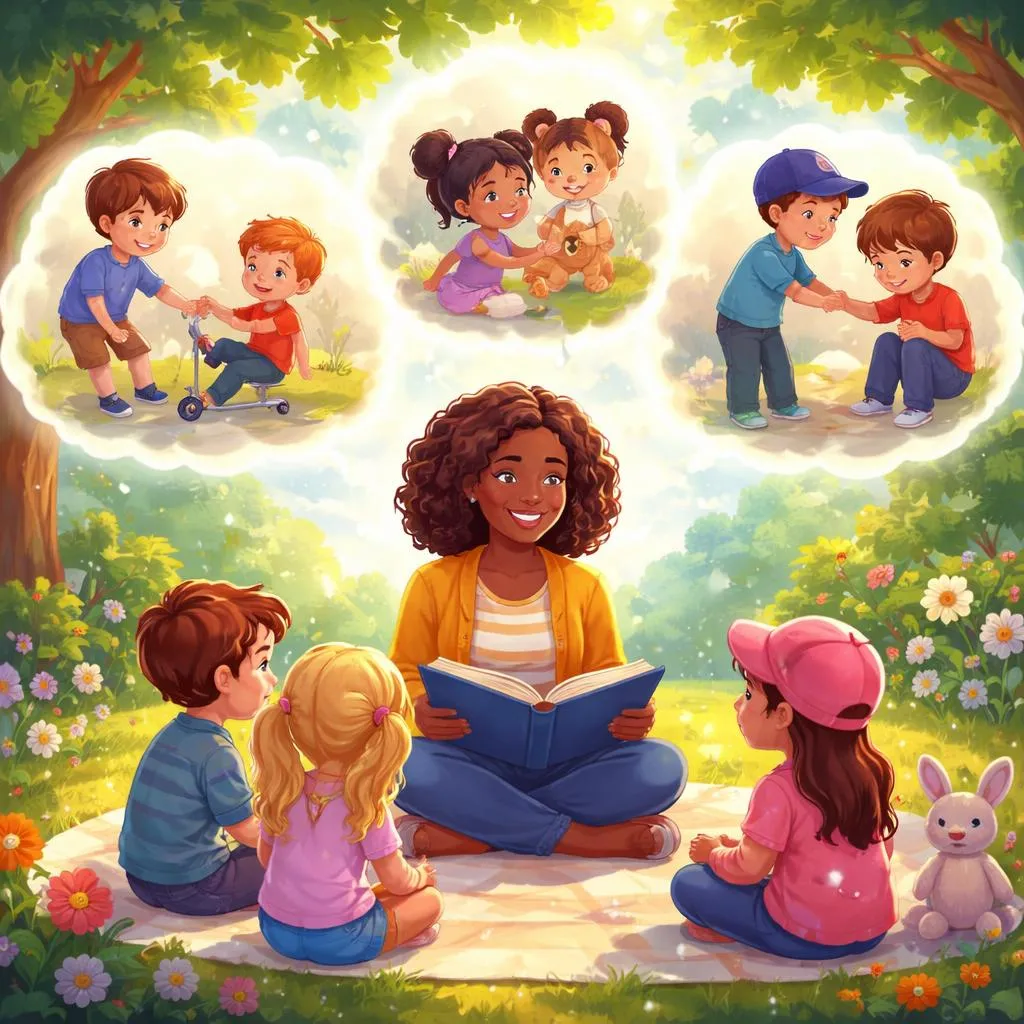

What Are Children's Stories About Respect? Let us explore this important genre of children's literature together. Children's stories about respect focus on treating others with consideration and kindness. They show characters learning to value people, property, and rules. The stories explore respect for elders, peers, and authority figures. Characters learn to listen when others are speaking. They discover that everyone deserves to be treated well always. The narratives show both respectful and disrespectful behaviors clearly. Children see the consequences of each choice in the story. Respect for property means taking care of things properly. Respect for rules means following them even when alone. Respect for differences means valuing what makes each person unique. These stories build foundations for positive social interactions always.
Meaning and Purpose of Respect Stories These stories serve multiple essential purposes in character development. They introduce the concept of respect in concrete, understandable ways. Abstract ideas become visible through character actions and consequences. The stories also build empathy by showing others' perspectives. Children learn how disrespectful behavior makes others feel. This emotional understanding motivates kinder behavior naturally. The narratives also provide models for respectful language and actions. Characters demonstrate how to speak and act respectfully. Children can imitate these positive examples in their own lives. The stories also address common respect challenges children face. Interrupting, name-calling, and ignoring rules appear in narratives. Children see these behaviors and their consequences in stories.
Categories of Respect in Stories We can organize respect themes into several helpful categories. Respect for elders appears in many traditional stories. Characters learn to listen to grandparents and older people. Respect for peers focuses on treating friends and classmates well. Sharing, listening, and including others matter here. Respect for authority addresses teachers, police, and community leaders. Following rules and listening to those in charge appear. Respect for property teaches care for belongings and environment. Not damaging what belongs to others or community. Respect for differences celebrates diversity and uniqueness in people. Valuing those who look, act, or believe differently. Self-respect means valuing and caring for oneself appropriately. Taking care of body, mind, and feelings matters deeply. Respect for rules involves following guidelines that keep everyone safe. Understanding that rules exist for good reasons.
Daily Life Connections Through Respect Stories Respect stories connect directly to children's everyday experiences. Interrupting conversations happens frequently with young children. They see this behavior in stories and recognize themselves. Taking toys without asking occurs on playgrounds daily. Stories show why asking matters before taking. Speaking rudely to parents happens in many households. Characters model better ways to express feelings. Ignoring classroom rules challenges teachers constantly. Stories show consequences of rule-breaking clearly. Excluding someone from play occurs in social groups. Characters learn how exclusion hurts others deeply. We can point out these connections during reading. "Have you ever felt like that character when someone interrupted?" "Remember when we talked about asking before taking?"
Vocabulary Learning from Respect Stories Respect stories introduce rich character education vocabulary. Respect means treating someone or something with consideration. Polite means having good manners and being courteous to others. Considerate means thinking about others' feelings and needs. Courteous means showing polite behavior and good manners. Thoughtful means carefully considering others before acting. Kind means being friendly, generous, and caring toward others. Manners means the proper way to behave in social situations. Apologize means saying sorry when you have done wrong. Listen means paying attention to what someone is saying. Include means making sure everyone feels part of the group. We can teach these words with examples from stories. Use them in sentences about classroom situations and experiences.
Phonics Points in Respect Stories Respect stories provide useful phonics practice with character vocabulary. Respect has the RE prefix and SP blend and short E. Polite has the long O and long I and silent E. Considerate has the short O and short I and long A. Courteous has the OUR combination and long E and OUS ending. Thoughtful has the THOUGHT combination and FUL suffix. Kind has the K sound and long I and ND blend. Manners has the short A and NN and ER ending. Apologize has the short A and long O and long I. Listen has the L sound and short I and EN and silent T. Include has the IN prefix and CL blend and long U. We can focus on one sound pattern from each story. Find all words with that sound in the respect tale. Write them on handshake or heart shapes for practice.
Grammar Patterns in Respect Narratives Respect stories model useful grammar for young readers naturally. Past tense tells what characters did in the story. "The children listened politely to their teacher." Present tense describes how respect works generally. "Respect means treating others the way you want to be treated." Future tense shows intentions to improve behavior. "Tomorrow I will remember to say please and thank you." Questions explore respectful and disrespectful choices. "How did it make Maya feel when you interrupted?" "What could you do differently next time?" Commands appear in guidance about respect. "Wait your turn to speak." "Share your toys with others." Descriptive language paints clear social situations. "The kind, thoughtful boy shared his snack with the new student." Prepositional phrases describe interactions between people. "With kindness, toward others, in the classroom." We can point out these patterns during reading.
Learning Activities for Respect Stories Many activities deepen understanding of respect themes. Create a respect tree where leaves show respectful actions. Add a leaf each time someone demonstrates respect. Practice role-playing respectful and disrespectful scenarios. Discuss how each choice feels for everyone involved. Make compliment circles where children say kind things to each other. Practice giving and receiving compliments graciously. Create a respect contract for classroom behavior together. List ways everyone agrees to show respect daily. Read stories and identify respectful and disrespectful moments. Discuss what characters could have done differently. Practice polite language through everyday classroom interactions. Use please, thank you, excuse me, and I'm sorry regularly. These activities build respect skills through active practice.
Printable Materials for Respect Lessons Printable resources support deep engagement with respect themes. Create respect scenario cards for discussion and role-play. "Someone interrupts you while you are speaking. How do you feel?" Design a respect self-assessment checklist for children. "I listen when others speak. I use polite words." Make a kindness journal for recording respectful acts. Note times when showing respect to others daily. Create a respect acrostic using the word RESPECT. Each letter starts a sentence about respectful behavior. Design a respectful language poster for classroom display. Polite words and phrases to use with others listed. Make a feelings chart showing how respect affects others. Happy, safe, valued, and respected feelings included. These printables structure respect exploration activities effectively.
Educational Games About Respect Games make respect learning playful and interactive. Play "Respect Charades" acting out respectful behaviors. Holding door, listening, sharing, and polite words appear. Create "Polite or Not" sorting game with scenario cards. Decide if behavior shows respect or disrespect. Play "Compliment Circle" passing a smile around group. Each person gives compliment to person on right. Design "Respect Bingo" with respectful actions on cards. Mark when you see or do each behavior during day. Play "Mannerly Says" like Simon Says with polite actions. "Mannerly says say please when asking for something." Create "Feelings Match" pairing actions with how they make others feel. Match interrupting with frustrated, sharing with happy. These games build respect awareness through active participation.
Teaching Respect for Self Self-respect is as important as respect for others always. Stories teach children to value their own bodies and feelings. Self-respect means taking care of physical health properly. Eating well, exercising, and resting matter for everyone. It means speaking kindly to yourself inside your head. Not calling yourself names or putting yourself down. Self-respect means standing up for yourself appropriately. Not letting others treat you badly ever. It means making choices that are good for you. Not following others into dangerous or wrong behavior. Self-respect means being proud of who you are. Celebrating your unique qualities and abilities always. Children learn they deserve respect from themselves too.
Respect for Differences Respect stories increasingly celebrate diversity and inclusion. Characters learn to respect those who are different. Different cultures, abilities, appearances, and families appear. The stories show that differences make the world interesting. Everyone has something unique to contribute always. Respect means not teasing or excluding anyone ever. It means learning about others' traditions and experiences. It means standing up when others are treated unfairly. Children learn that respect extends to everyone equally. No one deserves disrespect for being different. The stories build foundations for inclusive communities. Children carry these lessons into their adult lives forever.
Respect for Authority Learning to respect authority prepares children for society. Parents, teachers, and community helpers deserve respect. They work hard to keep children safe and help them grow. Respecting authority does not mean blind obedience ever. It means recognizing their experience and good intentions. It means following reasonable rules that protect everyone. It means communicating disagreements respectfully, not rudely. Children can still question things appropriately. They can ask why rules exist and discuss concerns. Respectful questioning is different from defiant disobedience. Stories model this balance between respect and critical thinking. Children learn to navigate authority relationships successfully.
Respect for Property Respect for property appears in many children's stories naturally. Characters learn not to damage what belongs to others. They learn to ask before borrowing things from friends. They learn to return things they have borrowed. They learn to take care of community property too. Library books, park equipment, and classroom supplies matter. Respect for property extends to natural environment also. Not littering, damaging plants, or harming animals. Children learn that property represents others' effort and care. Damaging it hurts more than just the object. These lessons build responsibility and consideration for others. Children become careful stewards of their world gradually.
Respect for Rules Rules exist to keep everyone safe and happy usually. Respecting rules means following them even when unsupervised. It means understanding reasons behind rules sometimes. It means accepting consequences when rules are broken. Stories show both following and breaking rules clearly. Children see the outcomes of each choice made. Rules about safety protect people from getting hurt. Rules about fairness ensure everyone gets treated equally. Rules about kindness create pleasant environments for all. Children learn that rules are not arbitrary punishments. They serve important purposes in communities everywhere. Respect for rules builds orderly and peaceful classrooms and homes.