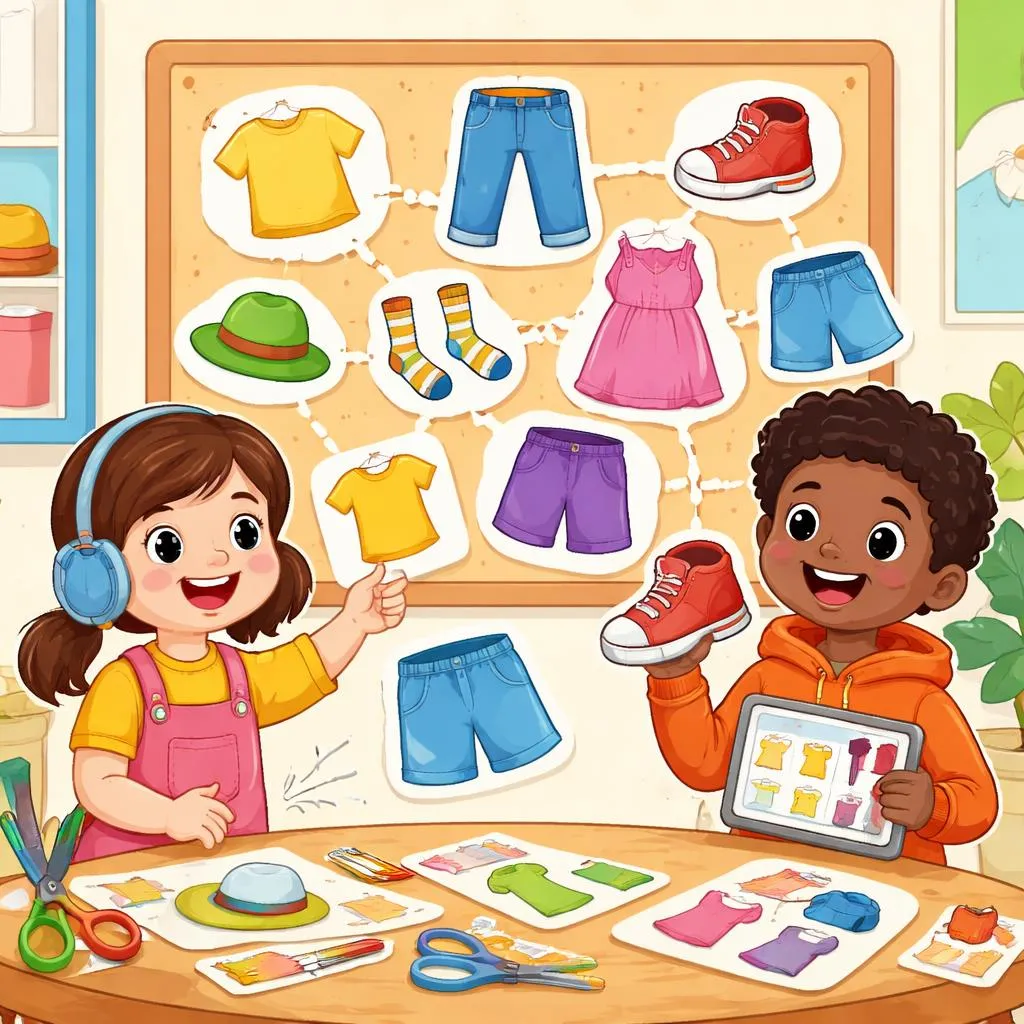

Hello, wonderful young learners! Today brings an exciting opportunity to explore a very practical topic. Everyone wears clothes every day. Knowing the names for these items helps children describe their world. The "words of clothes" vocabulary appears in daily conversations. Children talk about getting dressed. They discuss favorite outfits. They learn to dress appropriately for weather. Let us discover together the wonderful words for everything we wear.
What Are the Words of Clothes? The "words of clothes" are the names for everything people wear. These words describe items that cover and protect the body. Shirts, pants, dresses, and socks all belong to this category. Each piece of clothing has a specific name and purpose.
Clothing words help children communicate important needs. A child can say, "I need help with my jacket." They can ask, "Where are my shoes?" They can share, "I love my new dress." These simple sentences become possible with clothing vocabulary.
The words also connect to daily routines. Getting dressed each morning involves many clothing items. First underwear, then socks, then pants, then a shirt. Knowing the names helps children participate in these routines independently.
Clothing vocabulary appears in stories, songs, and conversations. Books describe what characters wear. Songs mention items like hats and shoes. Parents discuss clothing choices for the day. Learning these words helps children understand the world around them.
Meaning and Explanation of Common Clothing Words Each clothing word has a specific meaning. Understanding these meanings helps children use the words correctly.
Shirts cover the upper body. They come in many styles. T-shirts have short sleeves and no collar. Dress shirts have long sleeves and collars. Blouses are fancy shirts often worn by women. Undershirts go under other clothes for extra warmth or protection.
Pants cover the lower body. They have two separate sections for each leg. Jeans are casual pants made from denim. Trousers is another word for dress pants. Shorts are pants with legs that stop above the knee. Leggings are tight pants that stretch.
Dresses and skirts offer other options for the lower body. Dresses cover both the upper and lower body in one piece. Skirts cover only the lower body and require a top with them. Both come in many lengths, colors, and styles.
Outerwear protects against weather. Jackets provide warmth and wind protection. Coats are heavier than jackets for cold weather. Raincoats keep rain away. Sweaters and hoodies add warmth without being full coats.
Footwear protects feet. Shoes cover the whole foot. Sneakers work for play and exercise. Boots rise higher than shoes for extra protection. Sandals leave parts of the foot open for warm weather. Socks go inside shoes for comfort and warmth.
Accessories add style or function. Hats cover the head. Gloves keep hands warm. Scarves wrap around the neck. Belts hold pants up. These items complete an outfit.
Categories of Clothing Words Grouping "words of clothes" into categories helps children organize their learning. Each category includes items with similar purposes or body locations.
Top clothing includes everything worn on the upper body. Shirts, blouses, T-shirts, and sweaters belong here. Undershirts and tank tops also fit this category. These items all cover the chest, back, and arms in different ways.
Bottom clothing includes everything worn on the lower body. Pants, jeans, shorts, and leggings belong here. Skirts also fit this category even though they are not pants. These items all cover the legs and hips.
One-piece clothing covers both top and bottom together. Dresses, jumpsuits, and rompers belong here. These items make dressing simple since only one piece is needed. Bodysuits for babies also fit this category.
Underwear goes beneath other clothes. Undershirts, briefs, boxers, and bras belong here. These items provide coverage and comfort next to the skin. Children learn that underwear comes first, then other clothes on top.
Sleepwear includes clothes for sleeping. Pajamas, nightgowns, and robes belong here. These items are usually soft and comfortable. Children change into them before bed.
Weather-specific clothing protects against conditions. Raincoats, snow boots, swimsuits, and sun hats belong here. These items help children stay comfortable and safe in different weather. Learning these words helps children prepare for outdoor activities.
Daily Life Examples for Clothing Words Connecting clothing words to daily life makes learning meaningful. Children encounter these words during everyday routines.
Morning dressing provides the first clothing conversation of the day. A parent might ask, "Do you want to wear the red shirt or the blue shirt?" The child chooses and names the item. "I want the blue shirt." This simple exchange practices clothing vocabulary naturally.
Getting ready for school involves weather-appropriate choices. "It is cold today. You need a jacket." The child learns that jackets connect to cold weather. "It is raining. Wear your rain boots." The child connects rain boots to wet conditions.
Playtime involves clothing for activity. "Put on your play clothes." Children learn that some clothes work better for active play. "Don't forget your sneakers for running." Children connect specific shoes to specific activities.
Bath time brings clothing changes. "Take off your dirty shirt." "Put on your clean pajamas." Children learn that clothes get dirty and need changing. They learn that different clothes belong to different times of day.
Laundry time offers vocabulary review. "Put your socks in the laundry basket." "These are Daddy's pants." "This is your favorite dress." Children hear clothing words while helping with family chores.
Printable Flashcards for Clothing Words Flashcards provide excellent support for learning clothing vocabulary. Clear images with matching words build recognition. Printable versions offer flexibility for teachers and parents.
Basic clothing flashcards show each item clearly. A picture of a shirt appears on one card. The word "shirt" appears on another. Children match the image to the word. This builds connection between visual and written forms.
Category flashcards group related clothing together. A "top clothing" card shows small images of shirts, blouses, and sweaters. Children learn that these items share the purpose of covering the upper body. This builds conceptual understanding along with vocabulary.
Weather connection cards link clothing to conditions. A sun card connects to swimsuit and sun hat. A snowflake card connects to coat and boots. Rain card connects to raincoat and umbrella. Children learn functional relationships between weather and clothing.
Body location cards show where each item goes. A body outline helps children place clothing cards on the correct body parts. Shirt goes on the torso. Shoes go on the feet. Hat goes on the head. This builds spatial understanding along with vocabulary.
Season cards connect clothing to times of year. Summer cards show shorts and swimsuits. Winter cards show coats and mittens. Spring and fall show jackets and long pants. Children learn that clothing choices change with seasons.
Learning Activities and Games for Clothing Words Games turn vocabulary practice into joyful play. These activities work well for learning clothing words. Children stay engaged while building essential knowledge.
Dress-Up Play provides natural vocabulary practice. Collect a box of clean, adult-sized clothing items. Hats, scarves, gloves, and vests work well. Old shirts and jackets add variety. Children dress up and name each item they put on. "I am wearing a hat." "I put on a scarf." This immersive experience makes learning memorable.
Paper Dolls offer creative clothing practice. Print simple doll templates. Create separate clothing items with tabs to fold over the doll. Children choose outfits and name each piece. "The doll wears a blue dress." "Now she has red shoes." This builds vocabulary while encouraging creativity.
Laundry Sorting builds categorization skills. Mix clean socks, shirts, and other small items. Children sort them into piles by type. "All the socks go here." "Shirts in this pile." This practical activity connects vocabulary to real-world organization.
What's Missing? builds observation and memory. Lay out several clothing items. Children study them carefully. Cover the items and remove one. Children identify which clothing piece disappeared. This builds attention and vocabulary recall.
Clothing Relay Race gets children moving. Place two piles of mixed clothing at one end of the room. Divide children into teams. One child from each team runs to the pile, finds a specific item, and puts it on. "Find a hat!" The child puts on a hat and runs back. Next child finds a scarf. This combines physical activity with listening and vocabulary.
Weather Dress-Up connects clothing to real-world decisions. Describe a weather scenario. "It is raining outside." Children choose appropriate clothing items from a collection. They explain why they chose each piece. This builds reasoning skills along with vocabulary.
The "words of clothes" vocabulary opens up daily communication for young learners. Each new word represents something children touch and wear every day. Each clothing name helps them participate in morning routines. They can express preferences about what to wear. They can ask for help with buttons and zippers. They can describe outfits to friends and family. This vocabulary makes English practical and immediately useful. Every dressing moment becomes a learning opportunity. Every trip to the store reinforces the words they know. The closet itself becomes a vocabulary treasure chest. Through learning clothing words, children gain independence in dressing and confidence in speaking. They can talk about their favorite shirt, their warm coat, or their new shoes. These words connect to their bodies and their daily experiences. That relevance makes them stick in memory far better than abstract vocabulary ever could.