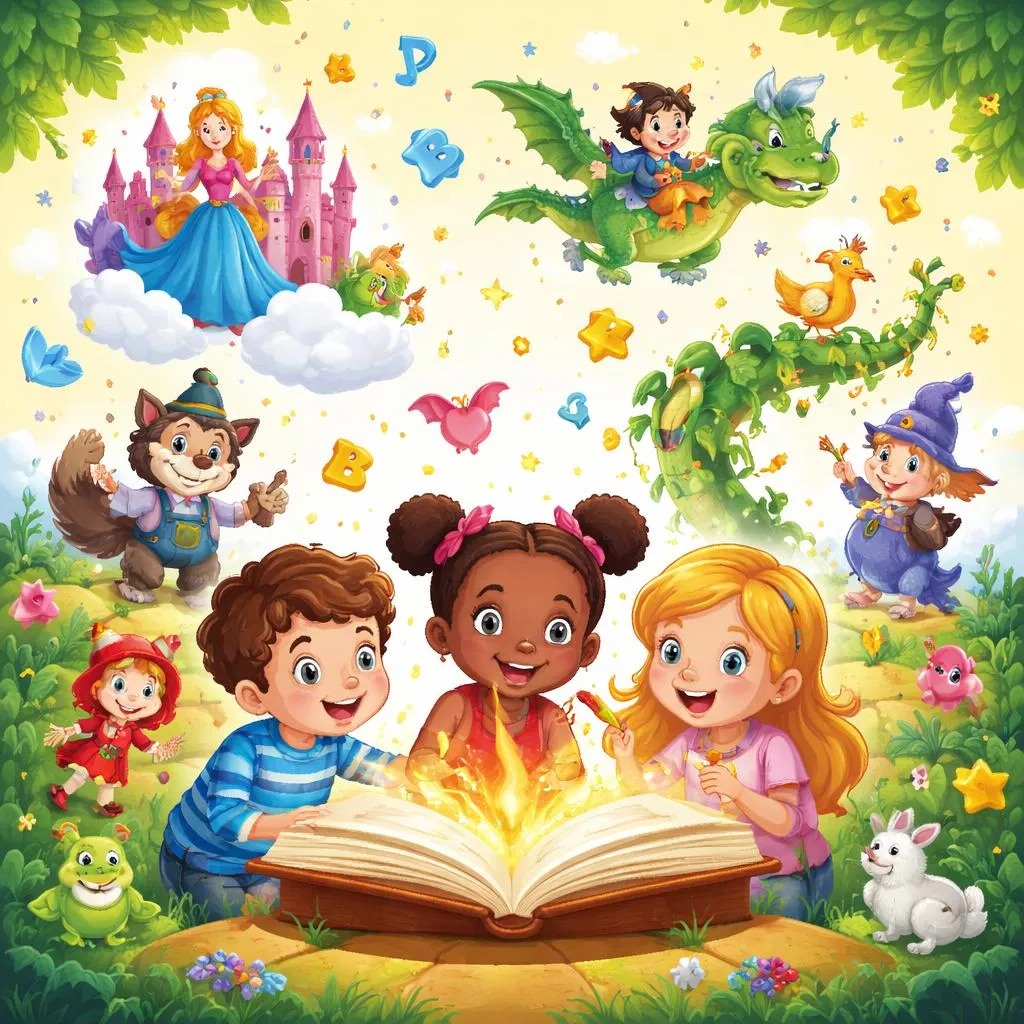

Certain stories survive across generations and cultures. They travel through time because they contain universal truths. They appear in multiple languages because their themes resonate everywhere. Children's famous short stories form a special category in this tradition. They are brief enough for short attention spans. They are memorable enough to request again and again. They contain patterns that support emerging literacy. The plots follow clear sequences. The characters face understandable problems. The endings provide satisfaction. These elements create ideal conditions for language acquisition. Let us explore how these timeless tales serve modern language classrooms.
What Are Children's Famous Short Stories?
These are brief narratives that have achieved lasting recognition. They typically run a few pages at most. They feature simple plots with clear beginnings, middles, and ends. Characters are few and clearly drawn. Problems are easy to understand. Solutions follow logically. Examples span cultures and centuries. Aesop's fables like The Tortoise and the Hare. Fairy tales like The Three Little Pigs. Modern classics like The Very Hungry Caterpillar. Each story stands alone. Each teaches something about language or life. Their brevity makes them perfect for classroom use. One story can be read, discussed, and extended in a single session.
Categories of Famous Short Stories
Understanding different story types helps in selecting appropriate materials for specific learning goals.
Fables: These very short stories end with a moral. Aesop's fables provide classic examples. The Lion and the Mouse teaches that kindness matters. The Boy Who Cried Wolf teaches about honesty. The clear lessons support comprehension and discussion.
Fairy Tales: Stories with magical elements. The Three Little Pigs. Goldilocks. Little Red Riding Hood. These feature repeated language and clear patterns. They work well for young learners.
Folktales from Around the World: Stories specific to cultures but universally appealing. Anansi the Spider from Africa. The Mitten from Ukraine. These introduce cultural vocabulary while maintaining simple structures.
Modern Picture Book Classics: Contemporary stories that achieved fame. The Very Hungry Caterpillar. Where the Wild Things Are. These use modern language while maintaining traditional story values.
Cumulative Stories: Tales that build upon themselves. The House That Jack Built. There Was an Old Lady Who Swallowed a Fly. The repetition supports prediction and participation.
Vocabulary Learning from Famous Short Stories
These narratives introduce vocabulary across multiple domains. The words connect to animals, houses, food, and actions.
Animal Words: wolf, pig, hare, tortoise, lion, mouse, caterpillar, butterfly, spider, bird. House Words: house, straw, wood, brick, door, window, roof, chimney, bed, chair. Food Words: apple, cake, honey, leaf, fruit, porridge, bread, milk, honey, fish. Size Words: big, small, tiny, huge, little, large, medium, miniature, enormous. Action Words: run, walk, jump, build, blow, eat, sleep, hide, find, lose.
Each story introduces words in meaningful contexts. The Three Little Pigs teaches house materials through danger. The Very Hungry Caterpillar teaches food and days through transformation.
Phonics Points in Famous Short Stories
Specific sound patterns appear frequently in these classic tales. Identifying these supports decoding skills.
The /p/ sound: pig, party, please, pretty. The Three Little Pigs features this sound prominently. Practice saying pig words together.
The /h/ sound: hare, hungry, house, help. The Tortoise and the Hare features the hare. Hungry appears in many food stories.
The /w/ sound: wolf, walk, want, wood. The wolf appears in multiple tales. He walks and wants. He encounters wood houses.
The /l/ sound: lion, little, lazy, look. The Lion and the Mouse teaches this sound. Little appears constantly in children's stories.
Rhyming words: pig/dig, house/mouse, cake/bake. Many famous stories use rhyme naturally. Point out patterns during reading.
Grammar Patterns in Famous Short Stories
Children's famous short stories model essential grammar structures within engaging narratives.
Past Tense Narrative: Stories use simple past tense throughout. "The wolf blew the house down." "The caterpillar ate the apple." "The tortoise won the race." This provides extensive past tense modeling.
Repetitive Patterns: Many stories repeat phrases. "I'll huff and I'll puff and I'll blow your house down." "Not by the hair of my chinny chin chin." Repetition builds confidence and participation.
Comparatives: Fables often compare characters. "The hare was faster than the tortoise." "The brick house was stronger than the straw house." Comparatives appear naturally.
Sequence Words: Stories use time words. "First, the caterpillar ate one apple." "Then, he ate two pears." "Finally, he became a butterfly." These organize the narrative logically.
Dialogue Patterns: Characters speak to each other. Questions and answers model conversation. "Who's been sitting in my chair?" "Little pig, let me come in."
Learning Activities for Famous Short Stories
Active engagement transforms passive listening into language acquisition. These activities work with any famous short story.
Story Sequencing Cards: Create picture cards showing main events. Students arrange cards in order and retell the story. This builds narrative understanding and sequence vocabulary.
Character Puppets: Create simple stick puppets of story characters. Students retell the story using puppets. The puppet speaks, reducing language anxiety. Repeated phrases become comfortable.
Story Mapping: Draw a simple map showing story locations. The three pigs' houses. The wolf's path. The forest. Label everything in English. Add vocabulary words around the map.
Moral Discussion: Fables end with clear morals. What does this story teach? Why does that matter? Students share opinions using simple language. "I think the story teaches us to work hard."
Prediction Practice: Read a story but stop before the ending. What happens next? Students predict using story clues. Write predictions. Compare with actual ending.
Learning Activities for Group Settings
Collaborative learning builds language through interaction and shared experiences.
Story Retelling Chain: Start retelling a familiar story. Stop after one sentence. The next student continues. Pass the story around the circle. This builds narrative skills and listening attention.
Reader's Theater: Assign roles from a story with dialogue. Read the story as a play without movement. Students practice fluency through repeated reading of their lines.
Tableau Vivant: Small groups create frozen pictures of story scenes. Others guess which story and scene they represent. This requires close reading to identify key moments.
Story Comparison: Read two versions of the same story. The Three Little Pigs traditional and a variation. Compare similarities and differences. This builds analytical thinking and comparative language.
Educational Games from Famous Short Stories
Games transform learning into playful competition. These require minimal preparation.
Three Little Pigs Building Game: Provide straw (string), sticks, and bricks (small blocks). Students build tiny houses. The wolf (a fan or hairdryer) tries to blow them down. Which material works best? This teaches story concepts physically.
Hare and Tortoise Race: Students become hares and tortoises. Hares run fast but might stop to rest. Tortoises walk slowly but steadily. Who wins? This embodies the fable's lesson.
Story Bingo: Create bingo cards with words from multiple famous stories. Call out definitions or sentences. Students cover matching words. "A small, slow animal with a shell." Students cover "tortoise."
What's Missing Game: Place three to five objects from a story on a tray. The Very Hungry Caterpillar items. Apple, pear, plum, strawberry, orange. Cover tray. Remove one item. Students identify what disappeared.
Printable Materials for Famous Short Stories
Ready-to-use printables extend learning beyond story time into independent practice.
Vocabulary Flashcards: Create cards with pictures on one side and words on the other. Wolf, pig, house, straw, brick, caterpillar, butterfly, tortoise, hare. Use for matching games or quick review.
Story Mini-Books: Fold paper to create small books. Each page shows one story event with simple text. Students illustrate each page. Take home to read with family.
Comprehension Questions: Prepare simple questions for specific stories. "Why did the wolf blow the houses down?" "What did the caterpillar eat on Wednesday?" "Who won the race?" Answer in complete sentences.
Coloring Pages: Print outline drawings from famous stories. Three little pigs building. Caterpillar eating. Tortoise and hare racing. Students color while discussing with partners.
Character Comparison Charts: Create charts comparing characters from different stories. The wolf in Three Little Pigs versus the wolf in Red Riding Hood. Same animal. Different behaviors. This builds analytical thinking.
Daily Life Connections to Famous Short Stories
Linking story themes to daily experiences makes learning relevant and personal.
Hard Work Discussion: The Three Little Pigs teaches about working hard. When do students need to work hard? Schoolwork. Chores. Learning new things. Share examples using story language.
Patience Conversations: The Tortoise and the Hare teaches patience. When is waiting hard? Waiting for a turn. Waiting for an event. Waiting to grow up. Discuss strategies for patience.
Sharing and Kindness: The Lion and the Mouse teaches that small kindnesses matter. How can students show kindness today? Share toys. Help a friend. Include someone. Create a kindness chart.
Food Exploration: The Very Hungry Caterpillar teaches food names and days. What do students eat each day? Create a class food diary. Use days of the week and food vocabulary.
Printable Flashcards from Famous Short Stories
Effective flashcards support multiple learning styles and review methods.
Picture-Word Cards: Front shows simple drawing or printed image from a story. Back shows word in English. Use for self-study, partner practice, or classroom displays.
Story-Card Matching: Create cards with story titles. Create separate cards with pictures from those stories. Students match each picture to its story. This builds comprehension and recall.
Character Trait Cards: Create cards for character qualities. Brave, clever, lazy, kind, hungry. Students match traits to characters from various stories. "The third pig was clever." "The hare was lazy."
Sequence Cards: Create cards showing main events from specific stories. Students arrange in order and retell using complete sentences. This builds narrative skills.
Phonics Practice from Story Words
Use famous story vocabulary to practice specific phonics patterns.
Initial Sound Sort: Provide picture cards from multiple stories. Wolf, pig, house, caterpillar, tortoise, hare. Students sort by beginning sound. W words. P words. H words. This builds phonemic awareness.
Rhyming Word Hunt: Find words from stories that rhyme. Pig/dig/wig. House/mouse/louse. Cake/bake/lake. Create rhyming pairs and use in sentences.
Syllable Clapping: Clap syllables in story vocabulary. Cat-er-pil-lar (4). Tor-toise (2). Lit-tle (2). This builds phonological awareness through physical movement.
Vowel Sound Sort: Sort story words by vowel sounds. Pig has the /i/ sound. Wolf has the /oo/ sound. Hare has the /air/ sound. This builds vowel discrimination.
Grammar Patterns Practice
Use story sentences to practice specific grammar structures naturally.
Past Tense Sort: Write story verbs on cards. Blow, build, eat, run, win. Students sort into present and past tense columns. Use story context to determine correct tense.
Question Formation: Practice asking questions about famous stories. "Who built the brick house?" "What did the caterpillar eat?" "Where did the tortoise race?" "Why did the wolf fall?" Students ask and answer with partners.
Because Sentences: Practice causal sentences using "because." "The straw house fell because the wolf blew hard." "The tortoise won because the hare stopped." Students create because sentences about daily events.
Comparative Practice: Compare characters from different stories using comparative language. "The wolf is bigger than the mouse." "The caterpillar is smaller than the tortoise." This builds comparative structure use.
The Lasting Power of Famous Short Stories
Children's famous short stories continue teaching new generations of language learners. They survive because they work. The plots are clear enough for beginners. The characters are memorable enough for recall. The lessons are deep enough for discussion. The language is rich enough for instruction. A single story like The Three Little Pigs yields vocabulary lessons about animals and houses. Phonics practice with the /p/ sound and /w/ sound. Grammar modeling of past tense and dialogue. Discussions about hard work and smart choices. Writing prompts about building and planning. All from a few pages of simple text. That efficiency makes famous short stories essential classroom tools. They teach language while teaching life. That combination creates lasting learning.