
What Does “Same Word, Different Forms” Mean?
Many English words belong to families.
A word family begins with one root word and grows into related forms.
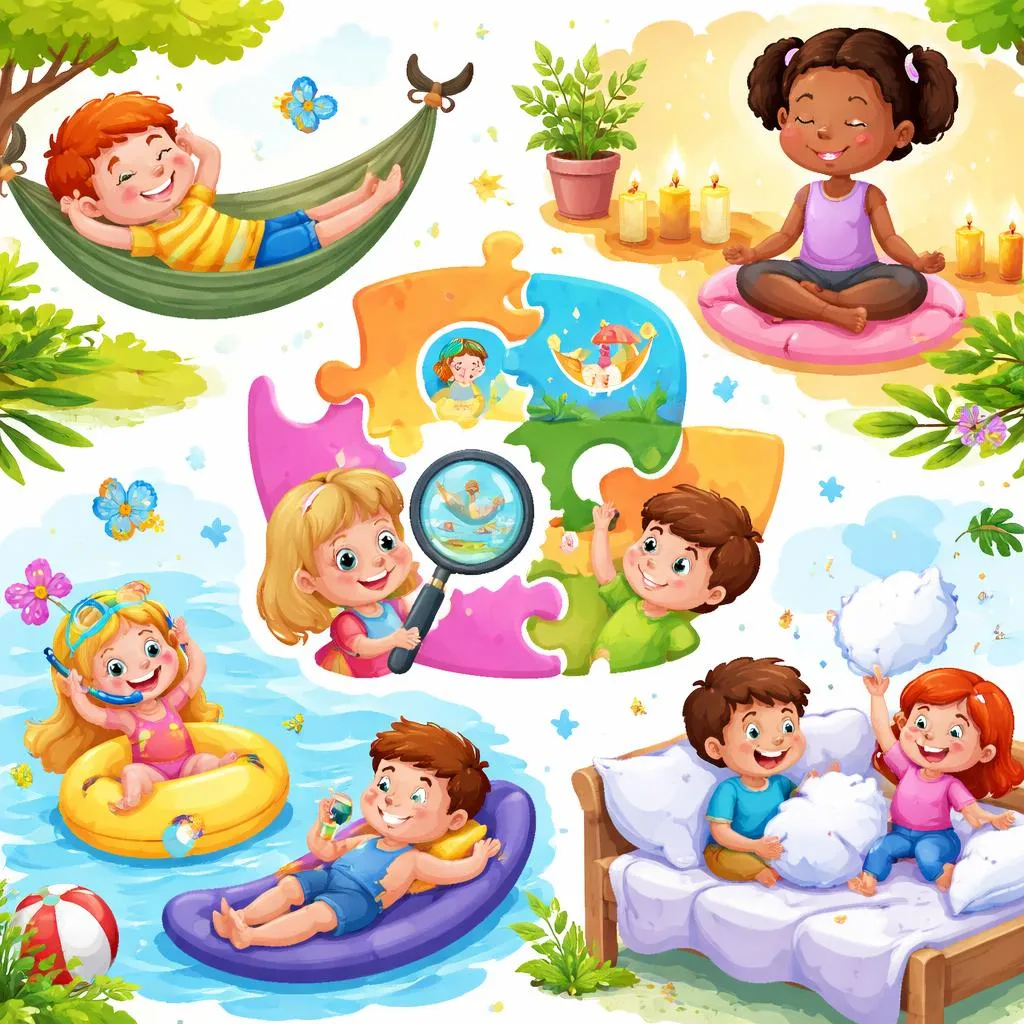
The family relax, relaxation, relaxed, relaxing is a useful example.
All four words connect to calm, ease, or less tension.
But each word has a different grammar role.
Relax is a verb. Relaxation is a noun. Relaxed is an adjective. Relaxing is an adjective too.
They share meaning.
But they do different jobs.
Learning word families helps children notice patterns.
Patterns make vocabulary easier.
Patterns also help reading and writing.
Personal Pronouns Change Their Form
Children already know some words change form.
They see:
I, me, my we, us, our
Different forms.
Connected meaning.
Word families work in a similar way.
Look at these:
I relax after school. Music brings relaxation. I feel relaxed. The music is relaxing.
The root idea stays connected.
The form changes.
The grammar changes.
That is how many English word families work.
Understanding this builds confidence.
From Verb to Noun to Adjective to Adverb – One Family, Many Words
This family grows in several directions.
That makes it a great learning model.
Relax as a Verb
Relax is an action.
Examples:
I relax with a book. We relax after homework. Take a deep breath and relax.
It shows what someone does.
Children often learn this form first.
Relaxation as a Noun
Relaxation names a state or activity.
Examples:
Reading brings relaxation. Quiet time helps relaxation.
The action becomes a thing or condition.
This follows a useful pattern.
educate → education celebrate → celebration relax → relaxation
Children can notice -ation often forms nouns.
That is a strong pattern.
Relaxed as an Adjective
Relaxed describes how someone feels.
Examples:
She feels relaxed. He looked relaxed after vacation.
This often describes people.
That matters.
Relaxing as an Adjective
Relaxing describes what causes the feeling.
Examples:
The music is relaxing. A walk can be relaxing.
This often describes things.
This is a very important difference.
Many learners mix these up.
One Root, Many Roles – How Words Grow from Actions to Qualities
Look how one root grows.
relax → action relaxation → state relaxed → feeling relaxing → cause of feeling
One root.
Many roles.
That is how English expands meaning.
Children can think of endings as clues.
-ation often names a thing -ed may describe feelings -ing may describe what creates the feeling
These patterns appear in many words.
That helps beyond this family.
Same Meaning, Different Jobs – Is It a Verb or a Noun?
Children often confuse forms.
That is normal.
Grammar helps.
Ask:
Is this word showing action?
Naming a thing?
Describing a feeling?
Look here:
Correct:
I relax before bed. Relaxation is important.
Not correct:
I relaxation before bed.
Now compare:
I feel relaxed. The movie is relaxing.
Very different meanings.
A common memory tip helps:
-ed describes how people feel.
-ing describes what causes the feeling.
That works with many words.
bored / boring excited / exciting relaxed / relaxing
This pattern is very useful.
Adjectives and Adverbs – When Do We Add -ly?
This family can grow further.
From relaxed, we can form:
relaxedly exists, but is rare.
Children will meet other adverbs more often, such as calmly.
But this family still helps explain adjectives.
Compare:
She looks relaxed. The beach feels relaxing.
Two adjectives.
Different roles.
That distinction matters.
Not every family must have a common -ly adverb.
That itself is worth learning.
Patterns exist.
But they do not all grow exactly the same way.
Watch Out for Tricky Spelling Changes (Double Letters, y to i, and More)
This family has helpful spelling patterns.
Relax to Relaxation
The final x stays.
Then add -ation.
relax → relaxation
Some long words look hard.
But breaking them into parts helps.
Relaxed and Relaxing
These forms are easy to mix up.
Children often say:
“I am relaxing” when they mean “I am relaxed.”
Sometimes both may work, but meanings differ.
I am relaxed. I am relaxing right now.
Feeling versus action.
Important difference.
Watch the -ed and -ing Pattern
This pattern appears often.
Children should practice it often.
It supports grammar and meaning.
Let’s Practice – Can You Choose the Right Form?
Try these.
- I ______ after finishing homework.
Answer: relax
Action word.
- Reading helps me feel ______.
Answer: relaxed
Describes a feeling.
- Soft music is very ______.
Answer: relaxing
Describes the cause.
- Quiet time brings ______.
Answer: relaxation
Names a state.
This kind of practice helps children compare forms clearly.
That builds real understanding.
Tips for Parents – Help Your Child Learn Word Families in a Fun Way
Word families can be playful.
Make an -ed and -ing Chart
Write pairs:
relaxed / relaxing excited / exciting
Compare meanings.
Children often enjoy pattern spotting.
Use Real-Life Examples
Ask:
Do you feel relaxed now?
Was that story relaxing?
Real examples help words stick.
Build a Word Family Tree
Write relax in the center.
Add:
relaxation relaxed relaxing
Children can see how the family grows.
Play “Feeling or Cause?”
Say a word.
Child decides:
Feeling?
Or cause?
This turns grammar into a game.
Notice Suffixes in Books
Find:
-ation -ed -ing
Children begin spotting patterns independently.
That supports strong reading habits.
Why This Word Family Helps Reading Growth
This family appears in many texts.
Stories use relaxed.
Health books use relaxation.
Descriptions use relaxing.
Children who know these forms read more smoothly.
They also understand emotional vocabulary better.
That supports both literacy and communication.
Word families do more than build spelling.
They deepen meaning.
Common Mix-Ups Children Make Relaxed and Relaxing
This is the biggest one.
Remember:
People often feel relaxed.
Things are often relaxing.
Examples:
I feel relaxed. The bath is relaxing.
Very useful distinction.
Relax and Relaxation
Another common confusion.
One is action.
One is a thing.
I relax daily. Relaxation matters.
Different jobs.
Thinking Similar Forms Mean Interchangeable Forms
Related words are connected.
But not interchangeable.
That is a big lesson in word families.
How One Word Family Builds Bigger Vocabulary
This family teaches patterns children can reuse.
Later they may understand:
educate, education celebrate, celebration motivate, motivation
They may also apply the -ed / -ing pattern elsewhere.
That is transferable learning.
One family can unlock many others.
That is powerful vocabulary growth.
Learning relax, relaxation, relaxed, relaxing as One Family
These words teach much more than definitions.
They show how one root can become action, state, feeling, and cause.
That is rich language learning.
Children who understand relax, relaxation, relaxed, relaxing as one connected family begin seeing English as a system of patterns.
And once those patterns become familiar, vocabulary often grows faster, grammar feels clearer, and reading becomes much more enjoyable.