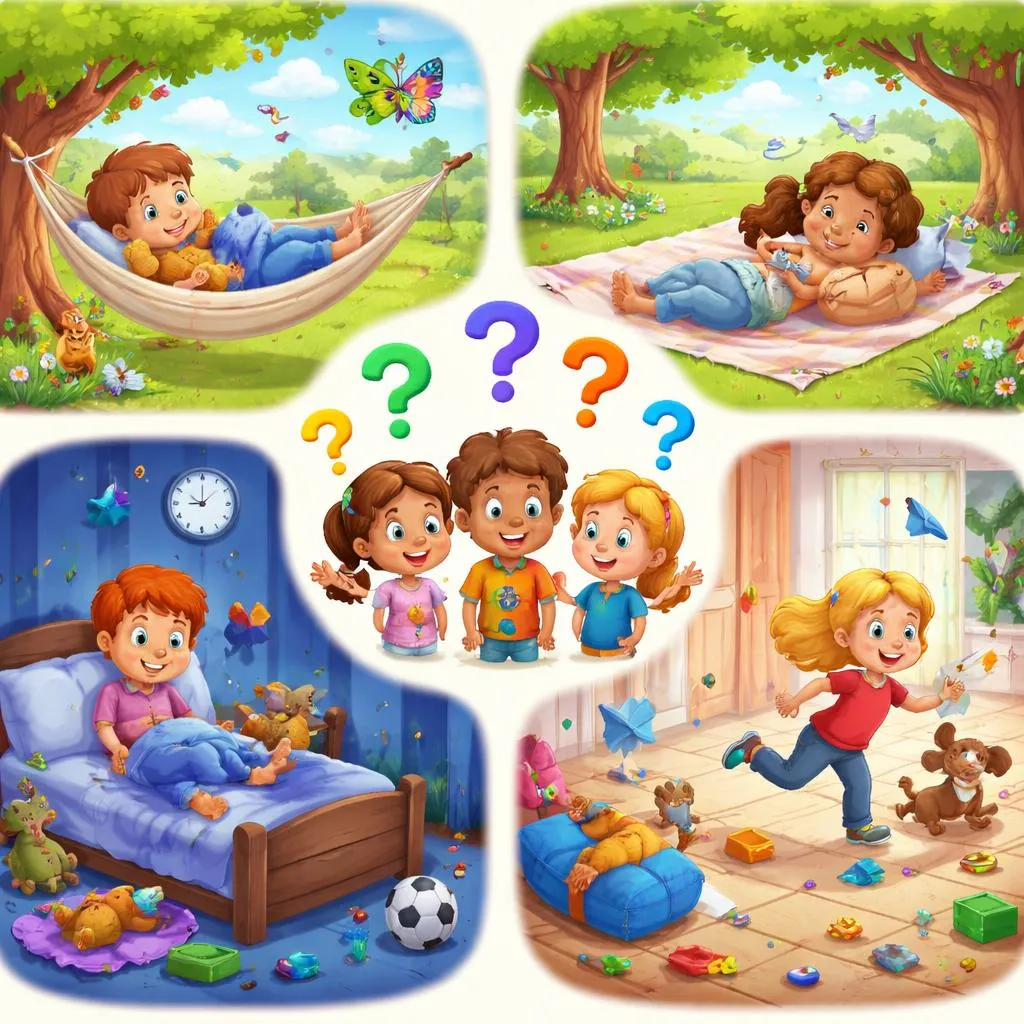

What Does “Same Word, Different Forms” Mean?
Many English words grow in families.
One root can create many related words.
The family rest, restful, restless, restlessly is a great example.
All four words connect to the root idea of rest.
But each one has a different job.
Rest can be a verb or a noun. Restful is an adjective. Restless is an adjective. Restlessly is an adverb.
One root.
Several forms.
Different meanings and roles.
That is how word families work.
Children who notice these patterns often grow vocabulary faster.
They learn connections, not isolated words.
Personal Pronouns Change Their Form
Children already know words can change.
They see:
I, me, my we, us, our
Different forms.
Connected meaning.
Word families work in a similar way.
Look at these:
I need to rest. The room feels restful. The child seems restless. He moved restlessly.
Connected root.
Different grammar jobs.
That is the big idea.
Patterns help children understand English structure.
From Verb to Noun to Adjective to Adverb – One Family, Many Words
This family is rich for learning.
It includes opposite meanings too.
That makes it especially interesting.
Rest as a Verb
Rest can be a verb.
It means relax or stop activity.
Examples:
We rest after lunch. Sit down and rest.
Action word.
Very common.
Rest as a Noun
It can also be a noun.
Examples:
Sleep gives us rest. I need some rest.
Same spelling.
Two grammar roles.
That is useful for learners.
Restful as an Adjective
Restful describes something peaceful or relaxing.
Examples:
It was a restful weekend. Soft music feels restful.
The ending -ful often means full of.
Restful means full of rest.
Helpful pattern.
Restless as an Adjective
Restless looks similar.
But means almost the opposite.
It means unable to relax.
Examples:
The baby was restless. I felt restless before the test.
The suffix -less often means without.
Restless means without rest.
That is a powerful word-building clue.
Restlessly as an Adverb
Restlessly tells how something happens.
Examples:
He moved restlessly. She waited restlessly.
This describes manner.
That is the adverb role.
One Root, Many Roles – How Words Grow from Actions to Qualities
Look how the root grows.
rest → action or idea restful → peaceful quality restless → opposite quality restlessly → manner
One root.
Many roles.
And even opposite meanings.
That is fascinating for learners.
Suffixes matter a lot.
-ful can add a positive quality -less can suggest absence -ly often forms adverbs
These patterns help children decode new words.
Same Meaning, Different Jobs – Is It a Verb or a Noun?
Children may mix forms.
That is natural.
Ask:
Is it action?
Is it naming something?
Is it describing?
Look here:
I rest every afternoon. I need rest.
Verb.
Noun.
Different jobs.
Now compare:
restful garden restless child
These are not the same.
Very important.
They may look similar.
But meanings differ.
That makes this family exciting.
Adjectives and Adverbs – When Do We Add -ly?
This family gives a clear pattern.
Restless becomes restlessly.
Add -ly.
Examples:
restless child move restlessly
Adjective versus adverb.
Different jobs.
Children can apply this elsewhere.
careless → carelessly fearless → fearlessly
Patterns repeat.
That supports grammar growth.
Watch Out for Tricky Spelling Changes (Double Letters, y to i, and More)
This family has useful spelling lessons.
Rest to Restful
Add -ful.
rest + ful
Simple pattern.
Easy to notice.
Rest to Restless
Add -less.
rest + less
Another useful suffix.
Worth practicing.
Restless to Restlessly
Add -ly.
restless + ly
Long word.
Break it into parts.
That helps spelling.
Restful and Restless Are Opposites
Very important.
Many children confuse them.
But they are nearly opposites.
That makes this family special.
Let’s Practice – Can You Choose the Right Form?
Try these.
- We should ______ after exercise.
Answer: rest
Verb.
- A quiet forest feels ______.
Answer: restful
Adjective.
- The puppy seemed ______ all night.
Answer: restless
Adjective.
- He turned ______ in bed.
Answer: restlessly
Adverb.
- Good sleep gives us ______.
Answer: rest
Noun.
Practice helps children compare meanings clearly.
That builds confidence.
Tips for Parents – Help Your Child Learn Word Families in a Fun Way
Word families can be playful.
Build a Suffix Chart
Start with rest.
Add:
restful restless restlessly
Show how endings change meaning.
Visual learning helps.
Compare -ful and -less
Great pattern to explore.
helpful / helpless
hopeful / hopeless
restful / restless
Children love discovering opposites.
Act Out the Words
Pretend restful.
Pretend restless.
Movement makes vocabulary memorable.
Hunt for -ly Words
Find adverbs in books.
Look for:
slowly quietly restlessly
Pattern spotting is powerful.
Talk About Real-Life Examples
Discuss restful places.
Notice restless moments.
Real examples make words meaningful.
Why This Word Family Helps Reading Growth
This family appears in stories and nonfiction.
Books describe restless characters.
Poems may describe restful scenes.
These are descriptive words.
Children who know them often understand texts more deeply.
That supports comprehension.
And this family teaches meaning through suffixes.
That is valuable.
Common Mix-Ups Children Make Restful and Restless
Very common confusion.
They look alike.
Mean very different things.
Worth extra practice.
Rest as Verb or Noun
Also common.
I rest now. I need rest.
Context helps.
Forgetting Restlessly Is an Adverb
Remember:
restless child move restlessly
Description versus manner.
Different jobs.
How One Word Family Builds Bigger Vocabulary
This family teaches transferable patterns.
Children may later understand:
helpful, helpless careful, carelessly hopeful, hopeless
Patterns repeat.
One family unlocks others.
That is how vocabulary grows.
Through connections.
Learning rest, restful, restless, restlessly as One Family
These words teach much more than definitions.
They show how one root can become action, idea, quality, opposite quality, and manner.
That is rich language learning.
They also show how suffixes can change meaning dramatically.
Small endings can create big differences.
When children understand rest, restful, restless, restlessly as one connected family, they begin seeing patterns inside words instead of memorizing vocabulary one by one.
And once those patterns become familiar, reading, spelling, and expression often become much easier and much more enjoyable.