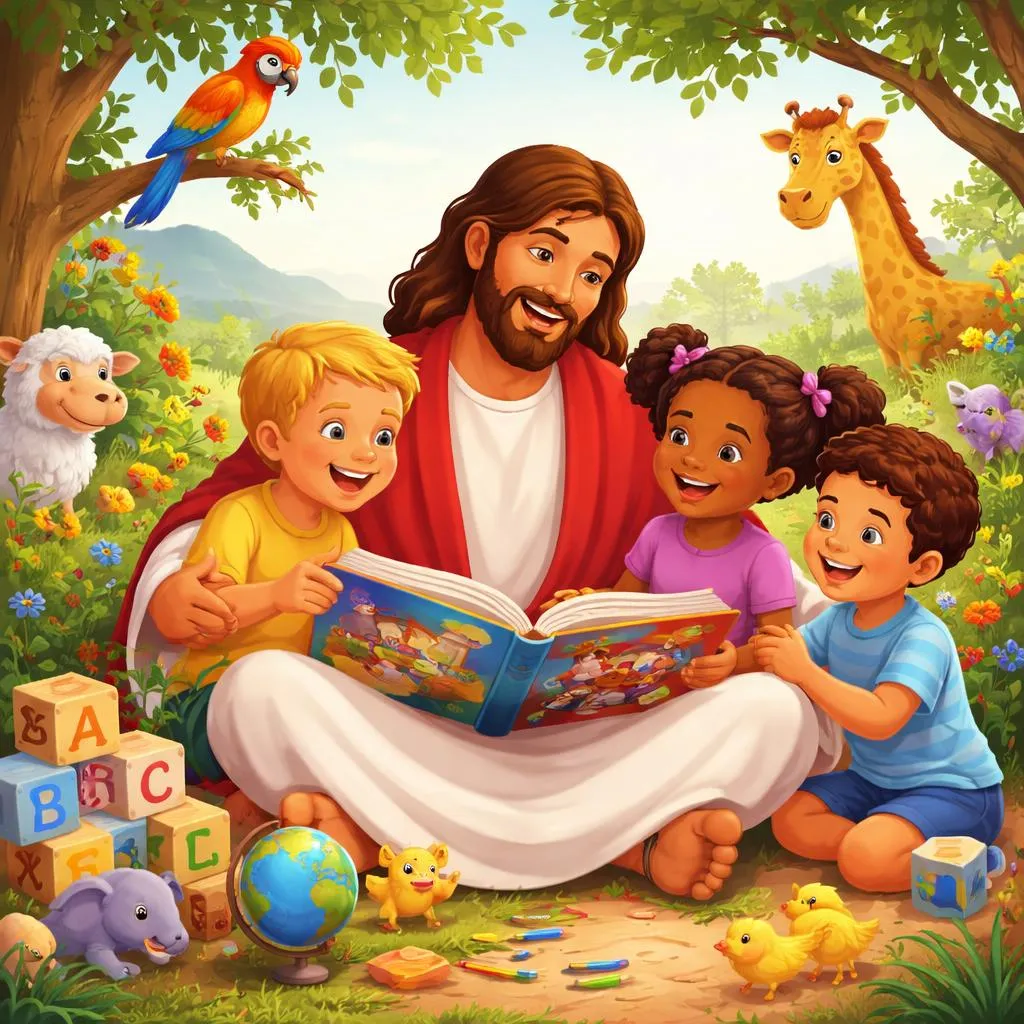

Certain books transcend generations. They appear in homes and classrooms year after year. The Beginner's Bible timeless children's stories represents such a resource. It takes ancient narratives and makes them accessible to young minds. The language is simple. The illustrations are engaging. The stories are short. Each element serves the young reader or listener. For language educators, this collection offers structured, predictable texts. The stories share common themes and vocabulary. They build cultural literacy alongside language skills. Let us explore how this beloved resource supports early language development.
What Is The Beginner's Bible Timeless Children's Stories?
This is a collection of Bible stories written specifically for young children. It adapts major narratives from both the Old and New Testaments. The language uses simple sentences and familiar words. Each story runs just a few pages. Colorful illustrations support text comprehension. The collection includes well-known tales. Noah builds an ark. David faces a giant. Jonah meets a big fish. Jesus helps people. The stories stand alone while building toward larger themes. The "timeless" in the title recognizes that these narratives have served families for generations. The "beginner's" focus ensures accessibility for the youngest readers and listeners.
Categories of Stories in the Collection
Understanding the story types helps in selecting appropriate narratives for specific learning goals.
Creation Stories: These explain how the world began. They introduce nature vocabulary and concepts of order. Simple language describes complex ideas about origins. Day and night. Sky and water. Plants and animals.
Hero Stories: Tales of figures who showed courage. David and Goliath. Daniel in the lion's den. Esther saves her people. These feature brave characters facing challenges. They model courage and problem-solving.
Journey Narratives: Stories of travel and adventure. Noah's ark crosses the flood. Moses leads people through the sea. These introduce geography words and sequence language.
Miracle Stories: Events beyond normal explanation. Parting the sea. Feeding many people with little food. These engage imagination while introducing cause-effect language.
Teaching Stories: Parables and lessons from Jesus. The good Samaritan. The lost sheep. These focus on relationships and choices. They build social and emotional vocabulary.
Vocabulary Learning from the Collection
These stories introduce vocabulary across multiple domains. Words connect to nature, buildings, emotions, and actions.
Nature Words: garden, flood, rain, rainbow, desert, mountain, sea, fish, lion, dove, tree, flower. Building Words: ark, boat, wall, temple, palace, house, city, gate, well, barn, stable. People Words: king, queen, baby, mother, father, brother, sister, soldier, shepherd, fisherman. Emotion Words: fear, courage, joy, sadness, anger, love, hope, faith, worry, peace, kindness. Action Words: build, pray, fight, run, hide, follow, trust, obey, forgive, share, help, thank.
Each story introduces words in meaningful contexts. Noah's ark teaches flood, rain, rainbow, and animals together. David and Goliath teaches soldier, giant, stone, and courage as connected concepts.
Phonics Points in the Stories
Specific sound patterns emerge through character names and key vocabulary. Identifying these helps build decoding skills.
The long /a/ sound: Adam, angel, David, brave, save, rainbow. Many important names and words feature this sound. Practice saying them together.
The /f/ sound: faith, flood, forgive, fish, father, family. Faith appears throughout. The flood story uses the sound repeatedly.
The /sh/ sound: shepherd, ship, share, shall, shadow. Shepherds appear in many stories. Ships carry people. Sharing appears in parables.
The /k/ sound: king, ark, rock, thank, kind. Kings rule in many tales. The ark holds animals. Rocks provide shelter.
Consonant blends: pray, praise, promise, prophet, plant. The /pr/ and /pl/ blends appear in worship and nature words. Practice feeling the tongue position.
Grammar Patterns in the Stories
The Beginner's Bible timeless children's stories models essential grammar structures within engaging narratives.
Past Tense Narrative: Stories use simple past tense throughout. "Noah built an ark." "David fought Goliath." "Jonah swam in the sea." This provides extensive past tense modeling for young learners.
Commands and Blessings: Characters receive instructions. "Build an ark." "Go to Nineveh." "Do not be afraid." Blessings use special structures. "Blessed are the peacemakers." This models imperative mood.
Questions to God: Characters ask questions. "Why me?" "Where are you going?" "How can this be?" Questions model conversational patterns with deeper meaning.
Promise Language: Covenants introduce "will" statements. "I will never flood the earth again." "Your people will be many." This models future tense in meaningful contexts.
Descriptive Language: Stories describe people and places. "The giant was tall and strong." "The garden was beautiful." Adjectives and descriptive phrases appear naturally.
Learning Activities for the Stories
Active engagement helps children internalize vocabulary and themes through hands-on learning.
Ark Animal Sort: Noah's ark provides animal vocabulary. Provide small animal figures or pictures. Students sort by categories. Land animals. Birds. Two by two. Name each animal in English. Practice counting. "Two lions. Two bears."
David's Stones: David used five smooth stones. Paint or draw five stones. Write story vocabulary on each. Students pull a stone, read the word, and use it in a sentence about the story. "David was brave." "Goliath was tall."
Rainbow Promise: After Noah, God made a rainbow promise. Create classroom rainbows. Each color strip gets a promise word. Love. Care. Hope. Peace. Kindness. Display as a reminder of positive language.
Lion's Den Drama: Daniel survived the lions. Create a classroom den using chairs and blankets. Students take turns being Daniel or lions. Practice simple dialogue. "Are you afraid?" "God protects me." "The lions are quiet."
Jonah's Whale: Create a large whale shape from paper. Students write or draw things Jonah might have seen inside the whale. Dark. Fish. Seaweed. Prayers. This builds descriptive vocabulary.
Learning Activities for Group Settings
Collaborative learning builds language through interaction and shared experiences.
Story Sequencing Cards: Create cards showing main events from a Bible story. Small groups arrange cards in order and retell the story together. This builds narrative skills and teamwork.
Character Interviews: Students take turns playing Bible characters. Classmates ask questions. "Noah, was it hard building the ark?" "David, were you scared of Goliath?" "Jonah, what did you learn?" This builds perspective and spontaneous speech.
Tableau Vivant: Groups create frozen pictures of story scenes. Building the ark. David facing Goliath. Daniel in the lion's den. Jesus with children. Others guess which scene they represent.
Parable Discussion: Read a parable like The Good Samaritan. Small groups discuss who showed kindness. Why does helping matter? Share ideas with the class. This builds critical thinking and persuasive language.
Educational Games from the Stories
Games make learning playful and memorable. These require minimal preparation.
Ark Memory Match: Create pairs of cards showing animals from Noah's Ark. Lion/lion. Elephant/elephant. Bird/bird. Giraffe/giraffe. Place face down. Students flip two cards looking for matches. Name each animal when flipping.
Goliath Toss: Draw Goliath on large paper. Cut out a mouth opening. Students stand at a distance and toss word cards into the mouth. Before tossing, they must read the word and use it in a sentence about David's story.
Jonah's Fish Game: Students sit in a circle. One student is Jonah inside the fish (center). Pass a small fish toy around the circle while music plays. When music stops, the student holding the fish names a Bible story character or element.
Bible Bingo: Create bingo cards with words from various stories. Ark, dove, lion, giant, stone, fish, king, shepherd, star, angel. Call out definitions or simple clues. Students cover matching words.
Printable Materials from the Stories
Ready-to-use printables extend learning beyond story time into independent practice.
Vocabulary Flashcards: Create cards with pictures on one side and words on the other. Ark, dove, rainbow, lion, giant, stone, whale, fish, king, shepherd, star, angel. Use for matching games or quick review.
Story Sequencing Cards: Create cards showing main events from specific stories. Students arrange in order and retell using complete sentences. This builds narrative skills.
Coloring Pages: Print outline drawings of Bible story scenes. Noah building the ark. David with his sling. Daniel with lions. Jonah and the whale. Jesus with children. Students color while discussing with partners.
Mini-Books: Fold paper to create small books for individual stories. Each page shows one story event with simple text. "God made the world." "Noah built an ark." "David was brave." Students illustrate each page.
Character Cards: Create cards showing Bible characters with simple descriptions. "Noah: built an ark." "David: killed a giant." "Daniel: prayed to God." "Jonah: swam in a fish." Students match characters to descriptions.
Daily Life Connections to the Stories
Linking story themes to daily experiences makes abstract concepts concrete for young learners.
Helping Others Discussion: The Good Samaritan helped a stranger. Who helps students daily? Parents, teachers, friends, bus drivers. How can students help others? Create a helping chart. Use helping words. "I can help by sharing."
Facing Fears: David faced a giant. Daniel faced lions. What fears do students face? The dark. New situations. Tests. Discuss healthy ways to handle fear. Use story language about courage. "I can be brave like David."
Gratitude Practice: Many Bible stories include thanksgiving. What are students thankful for? Create a class gratitude list. Read it together. Use thankful language. "I am thankful for my family." "I am thankful for food."
Forgiveness Conversations: Stories teach forgiveness. What does it mean to forgive? Practice saying "I forgive you" and accepting apologies. This builds social-emotional vocabulary. "Jesus taught us to forgive."
Printable Flashcards from the Stories
Effective flashcards support multiple learning styles and review methods.
Picture-Word Cards: Front shows simple drawing or printed image from story. Back shows word in English. Use for self-study, partner practice, or classroom displays. Store in story-specific envelopes.
Word-Definition Cards: One card shows a word. Matching card shows a simple definition. "Ark: a big boat that Noah built." "Manna: food from heaven." Students match words to definitions.
Character Trait Cards: Create cards for character qualities. Brave, faithful, kind, strong, wise, patient. Students match traits to characters. "David was brave." "Noah was faithful." "Jesus was kind."
Sequence Cards: Create cards showing main events from specific stories. Students arrange in order and retell using complete sentences. This builds narrative skills and sequence vocabulary.
Phonics Practice from Story Words
Use Bible vocabulary for targeted phonics instruction.
Initial Sound Sort: Provide picture cards from stories. Ark, dove, fish, giant, king, lion, Noah, star. Students sort by beginning sound. A words. D words. F words. G words. This builds phonemic awareness.
Name Syllables: Clap syllables in Bible character names. No-ah (2). Da-vid (2). Go-li-ath (3). Dan-iel (2). Jo-nah (2). E-sther (2). This builds phonological awareness through names children enjoy.
Rhyming Word Hunt: Find words from stories that rhyme. Ark/bark/dark. Fish/dish/wish. Stone/alone/bone. Star/car/far. Create rhyming pairs and use in sentences.
Vowel Sound Sort: Sort Bible words by vowel sounds. Ark has the /ar/ sound. King has the /i/ sound. Dove has the /u/ sound. Star has the /ar/ sound. This builds vowel discrimination.
Grammar Patterns Practice
Use story sentences to practice specific grammar structures naturally.
Past Tense Practice: Write sentences with missing verbs. "Noah ___ an ark." Students choose from "build" or "built." "David ___ Goliath." Choose from "fight" or "fought." "Jonah ___ in the fish." Choose from "swim" or "swam." Discuss correct choices.
Question Formation: Practice asking questions about stories. Model question words. "Who built the ark?" "What did David use?" "Where did Jonah go?" "Why did Daniel pray?" "How did Jesus help?" Students ask and answer with partners.
Because Sentences: Practice causal sentences using "because." "Noah built the ark because rain would come." "David won because God helped him." "Jonah prayed because he was scared." Students create because sentences about story events and daily life.
Promise Practice: Practice "will" for promises. "God promised he will never flood the earth again." Students make simple promises. "I will share my snack." "I will help my friend." "I will listen to my teacher."
The Timeless Value of This Collection
The Beginner's Bible timeless children's stories continues serving new generations of language learners. The narratives have survived centuries because they speak to deep human needs. Creation explains beginnings. Heroes model courage. Miracles inspire wonder. Parables teach wisdom. For language educators, this collection offers rich teaching opportunities within meaningful frameworks. Vocabulary builds through memorable contexts. Phonics develops through distinctive names and words. Grammar models appear in authentic narratives. Discussions explore character and choice. The stories connect classroom learning to larger questions about how to live. That combination of linguistic and moral education creates powerful learning experiences. Children acquire words while considering what those words mean for their own lives. The simplicity of the language and the depth of the themes make this collection truly timeless.