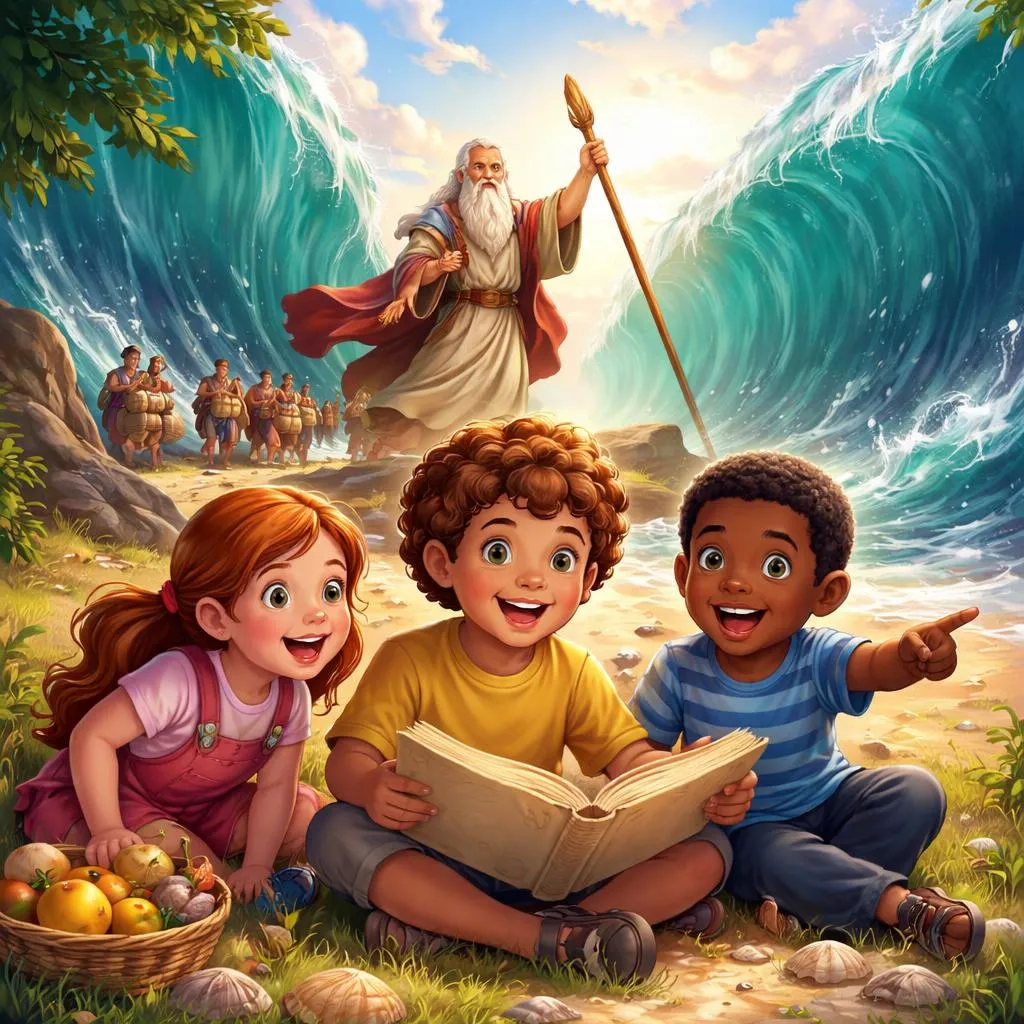

What Is the Children's Story of Moses? Let us explore this powerful story together. The children's story of Moses comes from the book of Exodus in the Bible. It tells of a baby born to Hebrew slaves in Egypt. The Egyptian king feared the Hebrew people growing too strong. He ordered all baby boys thrown into the river. Moses' mother placed him in a basket on the Nile. His sister Miriam watched from afar to see what would happen. The princess found the basket and felt compassion. She took the baby as her own son. Moses grew up in the palace as Egyptian royalty. But he never forgot his Hebrew family. This beginning sets the stage for an amazing journey. The story follows Moses from prince to prophet and leader.
Meaning and Purpose of the Moses Story This story carries deep meaning for children and families. It shows how God watches over even the smallest and weakest. A baby in a basket seemed helpless and alone. But God had a plan for his life. The story teaches that everyone has purpose and value. Moses made mistakes but God still used him. He felt afraid and inadequate but learned to trust. Children learn that feelings of fear are normal. Courage means acting despite those feelings. The story also shows the importance of family. Miriam watched over her brother from the reeds. His mother nursed him even in the palace. These family bonds remained strong through everything. The plagues and crossing the sea show God's power. Children see that nothing is impossible with divine help.
Main Parts of the Moses Story We can divide the Moses story into several important sections. The baby in the basket begins everything. A desperate mother's love saves her son. The burning bush calls Moses to his使命. God speaks from fire and gives him purpose. The plagues upon Egypt show God's power. Ten terrible things convince Pharaoh to let people go. The Passover night changes everything forever. Hebrew families are saved by lamb's blood on doors. The crossing of the Red Sea brings dramatic rescue. Waters part and God's people walk through on dry ground. The Ten Commandments come from Mount Sinai. God gives laws to guide the people's lives. Forty years in the wilderness test their faith. The people learn to trust God for daily needs.
Vocabulary Learning from the Moses Story The Moses story introduces rich biblical vocabulary. Basket or ark describes the vessel holding baby Moses. The same word appears later for Noah's boat. Bulrushes name the plants used to build the basket. Princess identifies the Egyptian king's daughter who found him. Plagues describe the disasters sent upon Egypt. Frogs, locusts, darkness, and death of firstborn appear. Passover names the night of deliverance still celebrated today. Exodus means departure or going out from Egypt. Commandments are the laws given on Mount Sinai. Wilderness describes the desert where people wandered forty years. Manna names the special bread from heaven each morning. We can teach these words with picture cards showing examples. Use them in sentences about the story events.
Phonics Points in the Moses Story The Moses story provides useful phonics practice. Moses itself offers the long O and Z sound. Baby has the long A and long E. Basket has the short A and SK blend. Plague has the PL blend and long A. Passover has the short A and long O. Commandments has the short O and soft A. People words contain valuable patterns. Pharaoh has the PH digraph and long O. Hebrew has the long E and long U. Miriam has the short I and long A. Place words provide phonics elements. Egypt has the long E and soft G. Sinai has the long I and long I. Red Sea has the short E and long E. Action words demonstrate patterns. Follow has the short O and low sound. Trust has the TR blend and short U. Part has the AR combination. We can focus on one sound pattern from each section. Find all words with that sound in the Moses story. Write them on tablet or basket shapes for practice.
Grammar Patterns in the Moses Narrative The Moses story models useful grammar for young readers. Past tense carries the main narrative throughout. "Moses led the people out of Egypt." Present tense appears in applications and lessons. "God still watches over people today." Future tense shows promises and hopes. "The people will reach the promised land." Questions explore character motivations. "Why did Moses hide his face?" "Who will speak for me?" Commands appear in divine instructions. "Take off your shoes." "Tell Pharaoh to let my people go." Descriptive language paints powerful scenes. "The great, roaring waters stood up like walls." Prepositional phrases describe locations. "In the basket, on the mountain, through the sea." We can point out these patterns during reading.
Daily Life Connections Through Moses The Moses story connects to children's experiences in meaningful ways. Feeling scared to speak up mirrors classroom situations. Moses worried about words just like children do. Having a special purpose feels like finding talents. Everyone has something important to contribute. Waiting for things to improve takes patience. The Israelites waited years for freedom. Standing up for what is right takes courage. Moses confronted powerful Pharaoh despite fear. Helping others even when difficult matters. Moses cared for his people through long struggles. Family members protecting each other happens every day. Miriam watched over baby Moses just like siblings help. We can point out these connections during reading. "Sometimes you feel scared to speak too." "You help your brother just like Miriam helped."
Learning Activities for the Moses Story Many activities deepen understanding of Moses' journey. Create a floating basket like baby Moses. Use a small box, paper, and water for testing. Make a burning bush craft with tissue paper flames. Add yellow and orange for fire effect. Act out the plagues with simple props. Stuffed frogs, dark blankets, and red water appear. Practice crossing the Red Sea with blue blankets. Part them and walk through together. Create tablets of the Ten Commandments. Use cardboard and write simple rules for classroom. Make a wilderness journey map showing stops along the way. Add drawings of manna and water from rock. These activities make the ancient story tangible and memorable.
Printable Materials for Moses Learning Printable resources support deep engagement with the Moses story. Create sequencing cards showing major story events. Baby in basket, burning bush, plagues, and sea crossing. Design character cards for Moses, Miriam, Pharaoh, and Aaron. Include names and what each person did. Make vocabulary cards with words and simple definitions. Basket, plagues, Passover, commandments, and wilderness appear. Create a Red Sea crossing craft template. Cut and fold to show water parting. Design Ten Commandments tablets for children to complete. Write or draw each commandment simply. Make a Passover plate coloring page with symbolic foods. Lamb, bitter herbs, and bread appear. These printables structure Bible learning activities.
Educational Games About Moses Games make the Moses story playful and interactive. Play "Find Baby Moses" hiding a small doll in a basket. Children search like Miriam watching from afar. Create "Plague Charades" acting out each of the ten. Others guess which plague is being shown. Play "Cross the Red Sea" with blue fabric on floor. Children cross without touching the "water." Design "Commandment Match" pairing numbers with simple rules. "Number one: One God" and similar matches. Play "Manna Hunt" hiding small crackers around room. Gather like Israelites collecting food. Create "Wilderness Journey" board game with story spaces. Move forward by answering questions about Moses. These games build Bible knowledge through active participation.
Teaching Courage Through Moses Moses' story teaches powerful lessons about courage. He felt afraid when God first called him. He said he could not speak well. He asked God to send someone else. But God promised to be with him. Moses went anyway despite his fears. This shows that courage means acting even when scared. Children face scary situations every day. Speaking in class, trying new things, standing up for others. Moses' example gives them a model to follow. We can discuss these connections during reading. "Moses felt scared but did it anyway." "You can do hard things too." The story shows that God helps with difficult tasks. Children learn they are not alone in challenges. Someone greater walks with them through everything.
The Importance of Family in Moses' Story Family plays a crucial role throughout Moses' life. His mother saved him through creative thinking. She trusted God with her baby's future. His sister watched and protected from a distance. She even suggested their mother as a nurse. This quick thinking kept the family connected. Moses grew up knowing his Hebrew family. The family bond survived palace walls and royal life. Later, his brother Aaron became his spokesperson. Miriam led worship after crossing the Red Sea. Together this family led a nation. Children see that families matter enormously. Siblings help, parents protect, and everyone contributes. God works through families to accomplish great things. The story honors these ordinary but vital relationships.
God's Provision Throughout the Journey The Moses story shows God providing constantly for needs. Water from rocks satisfied thirsty people. Manna from heaven appeared each morning. Quail covered the camp when they wanted meat. Clothes and shoes never wore out for forty years. The pillar of cloud guided by day. The pillar of fire gave light by night. God never abandoned the people despite their complaints. This teaches children about divine care and patience. They learn that someone watches over them always. Needs get met even when paths seem uncertain. The same God who parted seas provides daily bread. Children can trust this care in their own lives. The story builds faith through example after example.
The Goal of the Promised Land The journey always aimed toward a promised destination. A land flowing with milk and honey awaited. God promised this place to Abraham's descendants long before. Moses would lead the people toward this gift. But the journey took much longer than expected. The people's fear and complaining added years. Only the next generation would enter the land. Moses saw it from the mountain but could not enter. This teaches that goals sometimes take time. Promises may be fulfilled beyond our sight. What matters is faithfulness along the way. Children learn to keep walking toward their own goals. The promised land represents hope for the future. Every journey has a destination worth reaching.