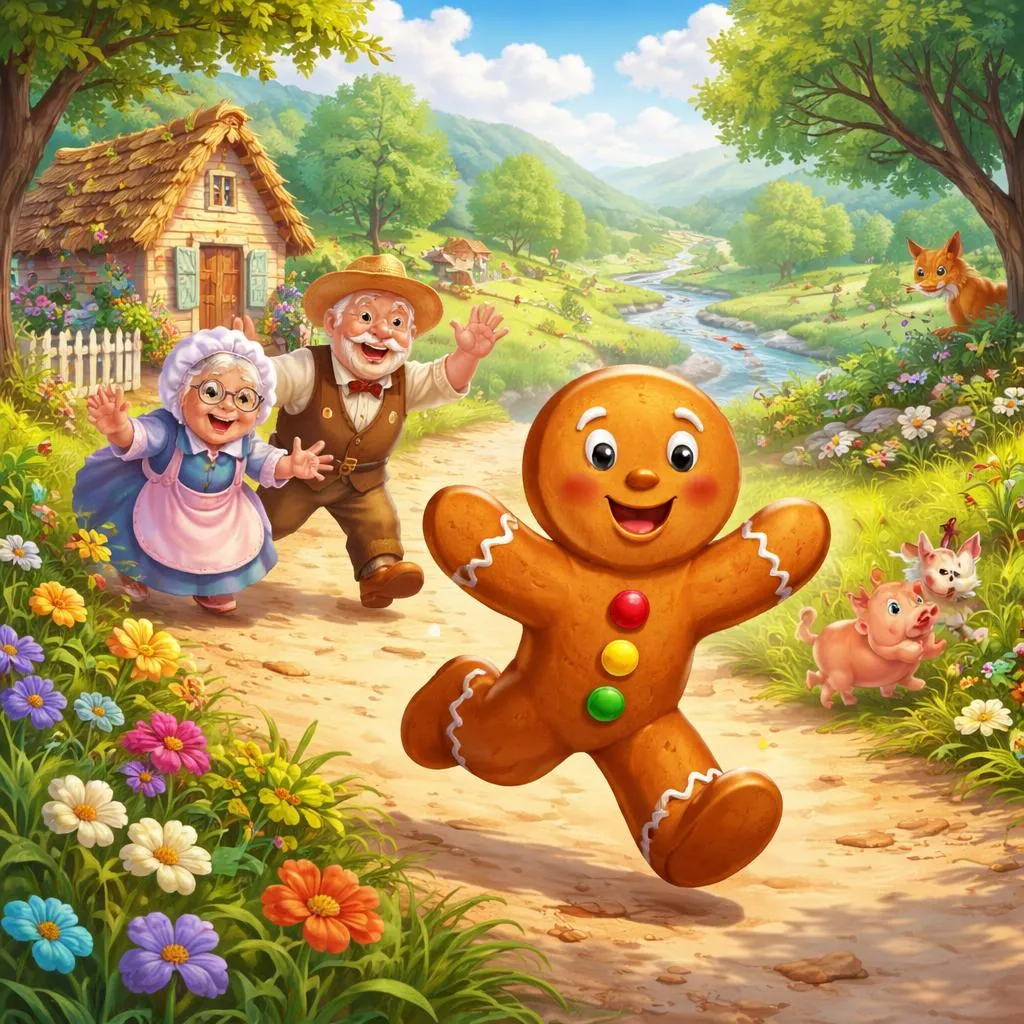

What Is The Gingerbread Man Children's Story? Let us explore this beloved classic tale together. The Gingerbread Man is a traditional folk story from Europe. It tells of a cookie that comes to life unexpectedly. An old woman bakes a gingerbread man one day. When she opens the oven, he jumps out and runs away. He shouts, "Run, run, as fast as you can! You can't catch me, I'm the Gingerbread Man!" The old woman chases him but cannot keep up. He runs past a cow who joins the chase. He runs past a horse who also tries to catch him. More animals join the pursuit one after another. The Gingerbread Man outruns them all easily. He thinks he is too fast to ever be caught. But then he meets a clever fox by a river. The fox offers to help him cross the water. The Gingerbread Man trusts the fox and climbs on. The fox eats him with one quick snap. The story ends with the fox victorious and satisfied.
Meaning and Purpose of the Gingerbread Man Story This story carries several important lessons for young readers. It warns against being too confident and proud. The Gingerbread Man boasts about his speed constantly. He believes no one can ever catch him at all. This pride leads him to trust the wrong character. The story also teaches caution about strangers. The fox seems helpful and friendly at first. But his intentions are not good for the cookie. Children learn that not everyone who smiles is safe. The repetitive chase builds anticipation and engagement. Young readers love joining in the familiar refrain. "Run, run, as fast as you can!" becomes a chant. The pattern helps children predict what comes next. This builds confidence and comprehension skills naturally.
Main Characters in the Story We can identify several key characters in this classic tale. The old woman bakes the gingerbread man with love. She wants to eat him but he escapes instead. The old man appears in some versions of the story. He joins his wife chasing the running cookie. Various animals appear along the escape route. A cow, a horse, and a pig commonly appear. Some versions include a dog or cat too. Each animal repeats the same chasing pattern. The gingerbread man himself is the main character. He runs and sings his boastful song repeatedly. The fox enters near the end of the story. He seems helpful but has hidden intentions. The river provides the setting for the final scene. The fox uses it to trick the cookie completely.
Vocabulary Learning from the Story The Gingerbread Man introduces rich story vocabulary for children. Gingerbread names the spiced cookie in the tale. It comes from ginger spice and bread dough combined. Oven is where the gingerbread man was baked. He jumps out before being fully cooked apparently. Chase means running after someone to catch them. Everyone chases the gingerbread man through the story. Catch means grabbing something that is running away. The gingerbread man avoids being caught until the end. River provides the setting for the final trick. The fox offers to carry him across the water. Fox names the clever animal who tricks the cookie. Trust means believing someone will help you. The gingerbread man trusts the fox too much. We can teach these words with picture cards showing examples. Use them in sentences about the story events.
Phonics Points in the Story The Gingerbread Man provides useful phonics practice with repetitive language. Run has the short U and N sound. Fast has the F sound and ST blend. Catch has the CH digraph and short A. Man has the short A and N sound. Animal words contain valuable patterns. Cow has the OW diphthong. Horse has the OR combination and S sound. Pig has the short I and G sound. Fox has the short O and X sound. Action words demonstrate patterns. Chase has the CH digraph and long A. Jump has the short U and MP blend. Swim has the SW blend and short I. The famous refrain offers repeated practice. "Run, run, as fast as you can" appears many times. Children learn the rhythm and sounds through repetition. We can focus on one sound pattern from each section. Find all words with that sound in the story. Write them on gingerbread cookie shapes for practice.
Grammar Patterns in the Narrative The Gingerbread Man models useful grammar for young readers naturally. Past tense carries the main narrative throughout. "The old woman baked a gingerbread man." Present tense appears in the gingerbread man's song. "You can't catch me, I'm the Gingerbread Man!" Future tense shows intentions and predictions. "I will run faster than everyone." Questions appear when animals encounter the cookie. "Where are you going, little man?" Commands appear in the chase scenes. "Stop! Come back here!" Descriptive language paints pictures for readers. "The quick, little cookie ran down the road." Prepositional phrases describe movement and location. "Out of the oven, down the road, across the field." We can point out these patterns during reading. Notice how the song stays the same each time.
Repetitive Language in the Story The repetitive pattern makes this story perfect for young readers. The gingerbread man sings the same song each time. "Run, run, as fast as you can! You can't catch me, I'm the Gingerbread Man!" Each new character repeats the same question. "Stop, little man! I want to eat you!" The gingerbread man gives the same answer always. This repetition builds confidence in beginning readers. They can predict what comes next on each page. Soon they join in reading along with the story. The pattern also builds memory and recall skills. Children remember the sequence through repetition. The fox breaks the pattern at the very end. This surprise makes the ending more memorable. Children learn that stories can have unexpected twists.
Learning Activities for the Story Many activities deepen engagement with the gingerbread tale. Bake real gingerbread cookies together after reading. Use a simple recipe and cookie cutter shapes. Create paper gingerbread men for storytelling. Children move them along as the story progresses. Act out the chase with children playing characters. Run around while shouting the famous refrain. Sequence story events using picture cards. Put events in order from beginning to end. Design a map showing the gingerbread man's route. Mark where each character joined the chase. Create stick puppets of all story characters. Retell the story using puppets for each part. These activities make the story tangible and memorable.
Printable Materials for the Story Printable resources support deep engagement with the gingerbread tale. Create sequencing cards showing major story events. Baking, running, cow, horse, pig, fox, eating appear. Design character masks for dramatic play activities. Children wear masks while acting out scenes. Make vocabulary cards with words and simple definitions. Gingerbread, oven, chase, catch, river, fox included. Create a gingerbread man template for decorating. Add raisins, buttons, and frosting with drawings. Design a story map for tracking the escape route. Mark where each character joined the chase. Make simple comprehension sheets with questions. "Who baked the gingerbread man?" "Who tricked him at the river?" These printables structure story learning activities effectively.
Educational Games About the Story Games make the gingerbread story playful and interactive. Play "Run, Run" chase game like tag with rules. One child is gingerbread man, others chase gently. Create "Memory Match" with pairs of story pictures. Match the cow, horse, pig, and fox correctly. Play "What Happens Next?" pausing during reading. Children predict what will happen on next page. Design "Gingerbread Says" like Simon Says with story actions. "Gingerbread says run fast." "Gingerbread says swim across the river." Play "Story Scramble" arranging events in order. Teams race to sequence story cards correctly. Create "Fox Trick" game about who to trust. Discuss when characters should or should not trust others. These games build story knowledge through active participation.
Teaching About Pride and Trust The story offers opportunities to discuss important character lessons. The gingerbread man boasts about his speed constantly. He believes no one can ever catch him. This pride makes him careless at the end. He trusts the fox without any hesitation. The fox seems helpful and friendly at first. But his intentions are not good for the cookie. Children can discuss when pride causes problems. Is it good to be confident about abilities? When does confidence become dangerous pride? The story also teaches about choosing who to trust. The fox offered help crossing the river. But he had secret plans for the cookie. Children learn to be careful about trusting strangers. Not everyone who smiles has good intentions.
Variations of the Gingerbread Story Many versions of this story exist around the world. The Gingerbread Boy appears in American versions. The Gingerbread Baby features in Jan Brett's book. The Ninjabread Man puts a martial arts twist. Gingerbread friends sometimes appear together. Some versions have happy endings for the cookie. He escapes the fox and finds a home. Others follow the traditional sad ending faithfully. The story connects to other runaway food tales. The Pancake, the Bun, and the Johnnycake exist. Each features food that comes to life and runs. Comparing versions builds critical thinking skills. Children notice what stays same and what changes. Different endings teach that stories can be adapted.
Connecting to Baking Traditions The story connects naturally to baking in real life. Many families bake gingerbread during holidays. Gingerbread houses are popular Christmas decorations. The smell of gingerbread fills kitchens warmly. Children experience the story through their senses. They taste the spicy ginger cookie flavor. They smell cinnamon and molasses while baking. They touch the dough and cookie cutters. They see the brown cookies on baking sheets. These sensory connections make the story real. The cookie in the story becomes something they know. Baking together becomes a learning experience. Children retell the story while cookies bake. The connection between reading and life strengthens.
The Fox as Trickster Character The fox plays an important role in folk tale traditions. Foxes appear as clever tricksters in many stories. They use intelligence instead of strength to win. The gingerbread man outruns everyone through speed. But the fox outsmarts him through cunning. This shows that brains can beat speed sometimes. The fox offers help that seems generous. But his help serves his own purposes completely. Children learn that not all offers are genuine. The fox represents danger that looks like safety. This archetype appears throughout children's literature. Recognizing it helps children in real situations. They learn to look beyond kind appearances. The trickster character teaches valuable caution.
Why This Story Endures The Gingerbread Man has delighted children for generations. Its simple plot appeals to young minds easily. The repetitive chant invites participation every time. Children love shouting along with the gingerbread man. The chase creates excitement and suspense naturally. Will anyone catch him before the river? The fox's trick surprises readers every time. The ending shocks despite being well known. The story teaches lessons without being preachy. Children absorb messages about pride and trust. The baking theme connects to family traditions. Many families have their own gingerbread memories. The story passes from generation to generation. Grandparents read it to parents who read to children. This shared experience creates cultural bonds and memories.