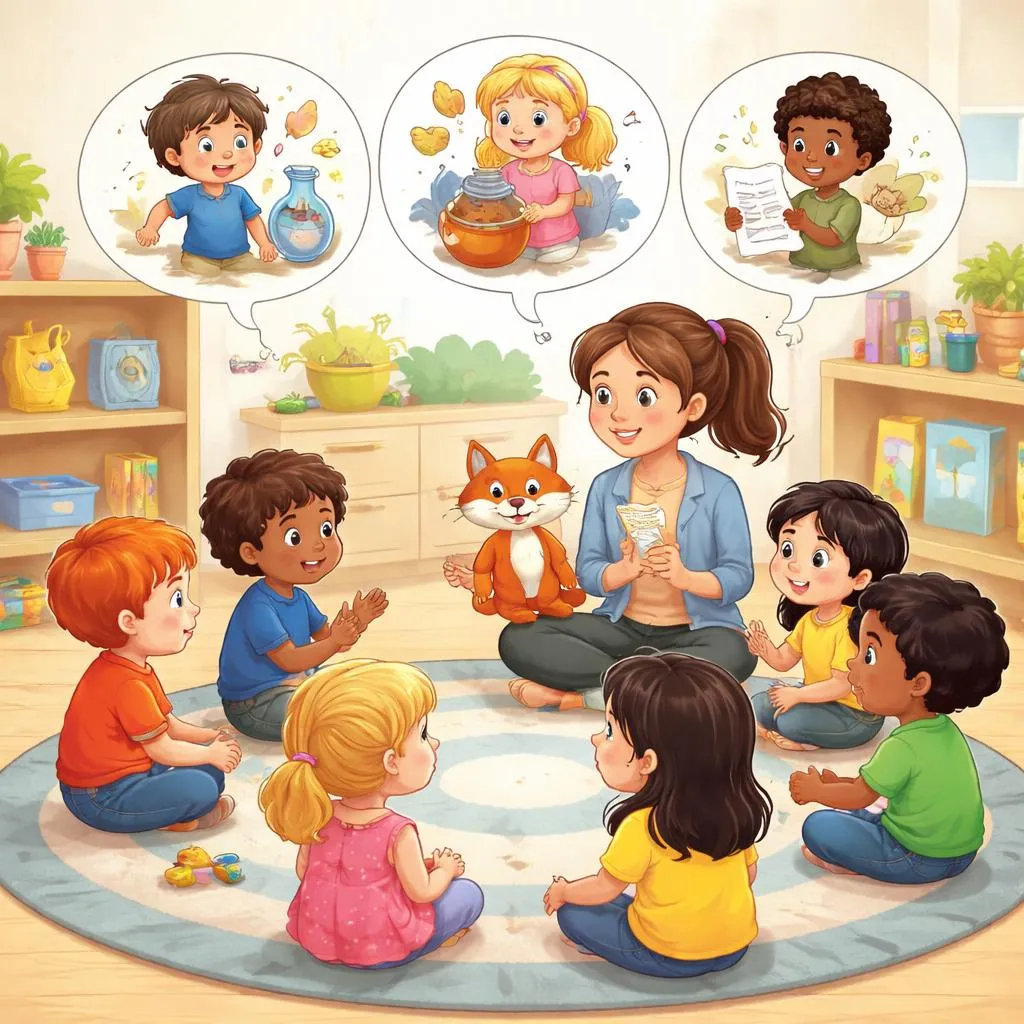

What Are Children's Stories About Lying? Let us explore this important genre together. Children's stories about lying focus on truth and deception. They feature characters who choose to tell untruths. These tales show the consequences of dishonesty. They also model the relief of telling the truth. The stories come from many cultures and traditions. Some are ancient fables with timeless lessons. Others are modern tales about everyday situations. The lies in these stories range from small to serious. A character might exaggerate about a achievement. Another might hide a mistake by blaming someone else. The stories show how lies grow and cause problems. They also show paths back to honesty. Young readers see themselves in these situations. The stories provide safe spaces to discuss difficult topics.
Meaning and Purpose of Honesty Stories These stories serve crucial purposes in children's development. They help children understand what honesty means. Abstract concepts become concrete through storytelling. Children see lies in action and recognize their effects. The stories create emotional connections to moral choices. Readers feel the character's discomfort when lying. They feel relief when truth comes out. This emotional learning sticks better than simple rules. The tales also reduce shame around mistakes. Characters lie because they feel scared or embarrassed. Children relate to these feelings. The stories show that everyone makes mistakes. What matters is what happens next. They model how to make things right after lying. This gives children a path forward when they slip. The stories build moral vocabulary too. Words like honesty, trust, and integrity gain meaning through stories.
Common Types of Lies in Children's Stories We can identify several types of lies in these tales. Cover-up lies hide mistakes or accidents. A child breaks something and blames someone else. Wish-fulfillment lies claim things that are not true. A child brags about having something they do not own. Fear-based lies avoid punishment or consequences. A child denies something they actually did. Social lies try to impress others or fit in. A child pretends to like something they do not. Accidental lies come from misunderstanding. A child repeats incorrect information sincerely. Exaggeration lies stretch the truth too far. A small accomplishment becomes a huge achievement. Each type appears in stories with different outcomes. Children learn to recognize these patterns in themselves.
Classic Examples of Honesty Tales Many classic stories teach about honesty. The Boy Who Cried Wolf is a famous example. A shepherd boy lies about danger for attention. When real danger comes, no one believes him. This story shows how lies destroy trust. The Goose That Laid Golden Eggs offers another lesson. A greedy owner kills the goose seeking more gold. He loses everything through dishonest thinking. George Washington and the Cherry Tree appears in many collections. Young George confesses to cutting the tree. His honesty earns praise instead of punishment. Pinocchio features a wooden puppet whose nose grows with lies. Each untruth becomes physically visible. The Emperor's New Clothes shows everyone pretending. Only a child tells the uncomfortable truth. These classics provide shared cultural references for honesty discussions.
Daily Life Connections Through Honesty Stories These stories connect directly to children's experiences. A broken toy at home mirrors story situations. Spilled juice and denied responsibility feel familiar. Wanting something a friend has appears in many lives. Bragging about a vacation or toy happens naturally. Being afraid of punishment after a mistake is universal. Every child knows this feeling. Stories validate these common experiences. They show that other children face the same choices. The relief of confessing appears in tales too. Characters discover that truth feels better than lies. We can point out these connections during reading. "Remember when you felt scared like that character?" "How did you feel after telling what really happened?" These links make story lessons personally relevant.
Vocabulary Learning from Honesty Stories These stories introduce important moral vocabulary. Honesty means telling the truth consistently. Trust means believing someone will be truthful. Consequence means what happens because of an action. Confession means admitting what you did wrong. Forgiveness means deciding not to be angry anymore. Promise means a serious statement about future behavior. Reputation means what others believe about you. Guilt means the feeling after doing something wrong. Relief means the good feeling after confessing. We can teach these words with simple definitions. Use them in sentences about story events. "The character felt guilt after lying." "She experienced relief when she told the truth." Practice using the words during classroom moments. "I appreciate your honesty about the markers." This builds a shared vocabulary for moral discussions.
Phonics Points in Honesty Stories Honesty stories provide useful phonics practice. Truth-related words contain valuable sound patterns. Truth has the TR blend and TH ending. Lie has the L sound and long I. Trust has the TR blend and short U. Consequence words offer sound practice. Result has the long E and short U. Effect has the short E and F sound. Feeling words demonstrate various patterns. Guilt has the GUI tricky spelling and LT ending. Shame has the SH digraph and long A. Action words provide phonics elements. Confess has the short O and soft C. Admit has the short A and T ending. We can focus on one sound pattern from each story. Find all words with that sound in the honesty tale. Write them on speech bubble shapes for practice.
Grammar Patterns in Honesty Narratives Honesty stories model useful grammar for young readers. Past tense carries the main narrative. "The boy lied about seeing the wolf." Present tense appears in dialogue and lessons. "I feel bad when I lie," she says. Future tense shows character intentions. "I will tell the truth from now on." Questions explore motives and consequences. "Why did you say that?" "What happened next?" Commands appear in parental guidance. "Tell me what really occurred." Conditional language explores choices. "If you tell the truth, you will feel better." Comparative words show changes. "He felt better after confessing than before." We can point out these patterns during reading. Notice how questions move the story. See how characters express intentions.
Learning Activities for Honesty Stories Many activities deepen understanding of honesty themes. Create a truth chart showing story events. Mark when characters lie and when they tell truth. Draw the before and after of a lie. Show how the character felt at each stage. Write an alternate ending where characters choose differently. What if they told truth immediately? Act out story scenes showing the moment of choice. Practice both lying and truth-telling versions. Create a feelings map for a lying character. Show how emotions change through the story. Design a trust thermometer measuring character trust. How much do others believe them at each point? Write a letter from one character to another. Apologize for lying and promise to change. These activities build emotional understanding alongside comprehension.
Printable Materials for Honesty Lessons Printable resources support teaching about honesty. Create honesty definition cards with simple words and pictures. Design a truth tracker chart for story comprehension. Mark each time truth or lies appear. Make consequence wheels showing what happened after choices. Spin to discuss different outcomes. Create feeling faces showing emotions around lying and truth. Guilty, scared, relieved, and proud faces help discussion. Design promise cards for children to complete. "I promise to tell the truth when..." Make scenario cards with honesty situations. "You broke a toy. What do you say?" These printables structure honest conversations. They provide tools for exploring difficult topics safely.
Educational Games About Honesty Games make honesty lessons interactive and memorable. Play "Truth or Lie" where children hear statements. They guess which are true and which false. Create "Consequence Match" pairing lies with story outcomes. Match the lie to what happened next. Play "Feelings Charades" acting out emotions from stories. Guilt, relief, and fear appear in expressions. Design a "Trust Walk" where partners guide blindfolded friends. Build trust through honest directions. Play "Two Truths and a Lie" as a getting-to-know-you game. Children share three statements, others guess the lie. Create "Honesty Bingo" with situations from stories. Mark when characters tell truth or lie. These games build understanding through active participation.
Teaching the Difference Between Lies and Mistakes Honesty stories help clarify important distinctions. Not every wrong statement is a lie. Mistakes happen when children truly do not know. Misunderstandings occur without bad intent. Forgetting differs from intentional deception. Stories model these differences clearly. A character might honestly misremember an event. Another might deliberately invent a falsehood. The stories show different consequences for each. We can discuss these distinctions during reading. "Was that a lie or a mistake?" "How can we tell the difference?" Children learn to examine intent as well as action. This builds sophisticated moral reasoning. They also learn to give themselves grace for honest mistakes. The goal is truthfulness, not perfection. Stories show that everyone errs sometimes. What matters is the heart behind the words.
Repairing Trust After Lying Important stories show how to rebuild after dishonesty. Characters must take specific steps to repair trust. First comes confession without excuses. The character admits exactly what happened. Next comes genuine apology with understanding. They show they know why lying was wrong. Then comes making amends where possible. Fix what was broken or accept consequences. Finally comes consistent truth-telling over time. Trust rebuilds slowly through repeated honesty. Stories model this process for children. They see that one truth does not fix everything. Trust takes time to grow back. This prepares children for real-life situations. They understand what to do after making mistakes. The stories offer hope that relationships can heal. They show that people can change and grow.
Building a Classroom Culture of Honesty Honesty stories help create truthful classroom environments. Shared stories give common language for discussions. "Remember how Pinocchio felt?" becomes shorthand for lying's discomfort. Teachers can reference stories when real situations arise. "This feels like the boy who cried wolf." Children understand the reference and lesson. The stories also reduce shame around confession. When children see story characters confess, they learn it is safe. Teachers can praise honesty when children admit mistakes. "That took courage like in our story." This positive reinforcement encourages future truthfulness. The classroom becomes a place where honesty is valued. Children learn that mistakes are opportunities to practice truth. They discover that teachers value honesty more than perfection. This creates psychological safety for everyone.