
原诗:
I was a little boy, at home with strangers.
I liked my playmates, and knew well,
Whence all their parents came;
From England, Scotland, royal France
From Germany and oft by chance
The humble Emerald Isle.
But my brown skin and close-curled hair
Was alien, and how it grew, none knew;
Few tried to say, some dropped a wonderful word or stray;
Some laughed and stared.
And then it came: I dreamed.
I placed together all I knew
All hints and slurs together drew.
I dreamed.
I made one picture of what nothing seemed
I shuddered in dumb terror
In silence screamed,
For now it seemed this I had dreamed;
How up from Hell, a land had leaped
A wretched land, all scorched and seamed
Covered with ashes, chained with pain
Streaming with blood, in horror lain
Its very air a shriek of death
And agony of hurt.
Anon I woke, but in one corner of my soul
I stayed asleep.
Forget I could not,
But never would I remember
That hell-hoist ghost
Of slavery and woe.
I lived and grew, I worked and hoped
I planned and wandered, gripped and coped
With every doubt but one that slept
Yet clamoured to awaken.
I became old; old, worn and gray;
Along my hard and weary way
Rolled war and pestilence, war again;
I looked on Poverty and foul Disease
I walked with Death and yet I knew
There stirred a doubt: Were all dreams true?
And what in truth was Africa?
One cloud-swept day a Seer appeared,
All closed and veiled as me he hailed
And bid me make three journeys to the world
Seeking all through their lengthened links
The endless Riddle of the Sphinx.
I went to Moscow; Ignorance grown wise taught me Wisdom;
I went to Peking: Poverty grown rich
Showed me the wealth of Work
I came to Accra.
Here at last, I looked back on my Dream;
I heard the Voice that loosed
The Long-looked dungeons of my soul
I sensed that Africa had come
Not up from Hell, but from the sum of Heaven’s glory.
I lifted up mine eyes to Ghana
And swept the hills with high Hosanna;
Above the sun my sight took flight
Till from that pinnacle of light
I saw dropped down this earth of crimson, green and gold
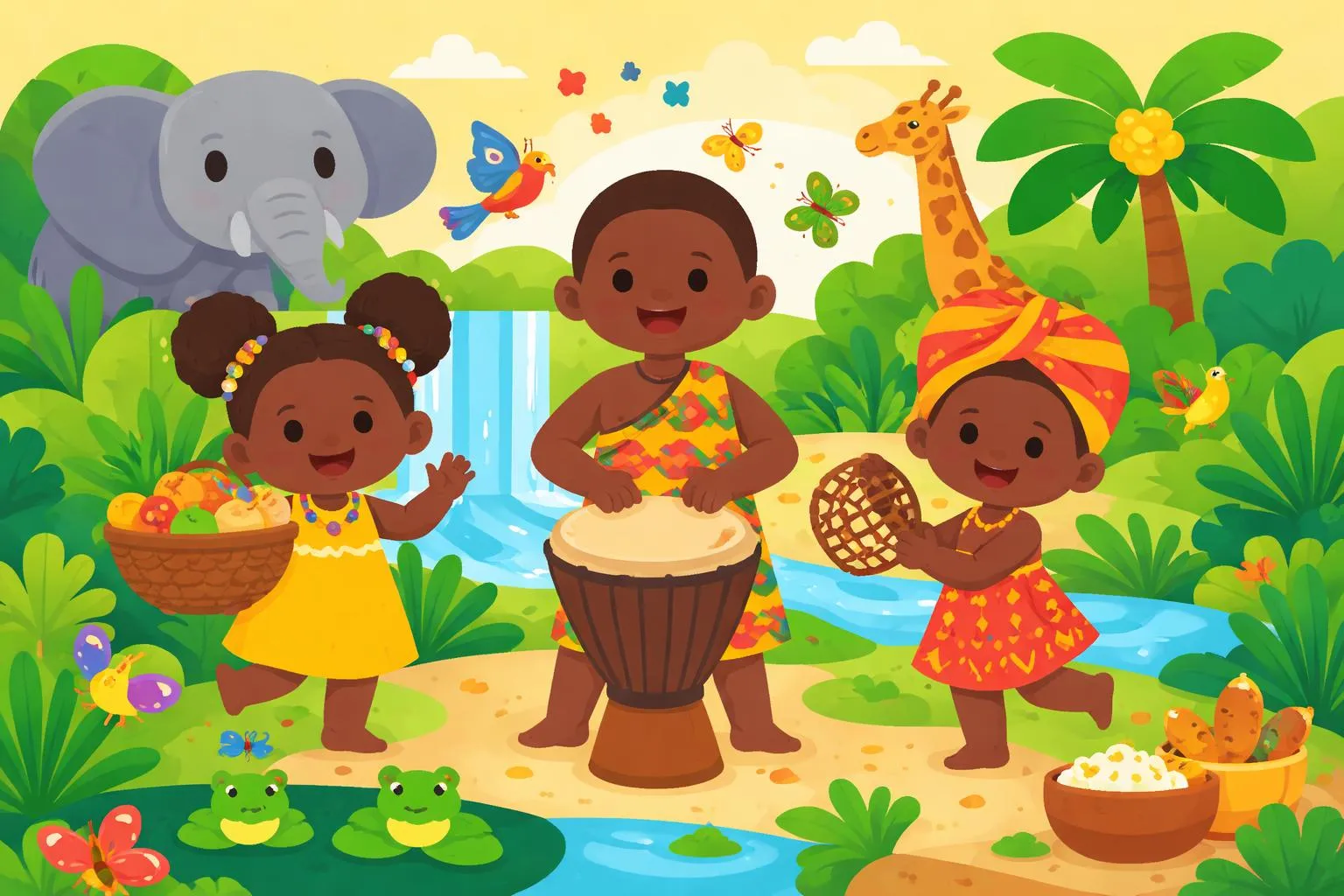
Roaring with color, drums and song.
Happy with dreams and deeds worth more than doing
Around me velvet faces loomed
Burnt by the kiss of everlasting suns
Under great stars of midnight glory
Trees danced, and foliage sang;
The lilies hallelujah rang
Where robed with rule on Golden Stool
The gold-crowned Priests with duty done
Pour high libations to the sun
And danced to gods.
Red blood flowed rare ’neath close-clung hair
While subtle perfume filled the air
And whirls and whirls of tiny curls
Crowned heads.
Yet Ghana shows its might and power
Not in its color nor its flower
But in its wondrous breadth of soul
Its Joy of Life
Its selfless role
Of giving.
School and clinic, home and hall
Road and garden bloom and call
Socialism blossoms bold
On Communism centuries old.
I lifted my last voice and cried
I cried to heaven as I died:
O turn me to the Golden Horde
Summon all western nations
Toward the Rising Sun.
From reeking West whose day is done,
Who stink and stagger in their dung
Toward Africa, China, India’s strand
Where Kenya and Himalaya stand
And Nile and Yang-tze roll:
Turn every yearning face of man.
Come with us, dark America:
The scum of Europe battened here
And drowned a dream
Made fetid swamp a refuge seem:
Enslaved the Black and killed the Red
And armed the Rich to loot the Dead;
Worshipped the whores of Hollywood
Where once the Virgin Mary stood
And lynched the Christ.
Awake, awake, O sleeping world
Honor the sun;
Worship the stars, those vaster suns
Who rule the night
Where black is bright
And all unselfish work is right
And Greed is Sin.
And Africa leads on:
Pan Africa!
诗歌的分析与解读
这首引人深思的诗叙述了一个棕色皮肤的男孩在不同欧洲背景的陌生人中成长的旅程。诗歌探讨了身份、异化、历史创伤、希望和文化自豪感等主题。男孩早期的排斥和误解经历使他产生了一个关于非洲的梦,描绘了一个因奴隶制和苦难而受伤的土地。然而,随着他成熟和旅行,他获得了新的见解,将他对非洲的看法从绝望的地方转变为荣耀、韧性和文化丰富的地方。
诗歌生动的意象对比了奴隶制和压迫的黑暗遗产与加纳和非洲的生机与精神。对历史事件的提及,如战争、瘟疫和殖民剥削,深化了情感的影响。诗歌以对全球觉醒和团结的强烈呼吁作为高潮,强调非洲的领导地位以及无私工作和生活中快乐的重要性。
背景与作者介绍
虽然诗歌没有明确提到作者,但它反映了一位深度参与泛非主义运动和反对殖民主义与种族不公斗争的非洲作家的声音。诗歌中的历史和文化参考表明它是在20世纪中期创作的,那时许多非洲国家正在获得独立并重新认同自己的身份。
诗歌的风格和主题让人想起像夸美纽、利奥波德·塞达尔·桑戈尔或兰斯顿·休斯这样的诗人,他们将诗歌作为社会变革和文化肯定的载体。诗歌从童年的异化到成熟的自豪感的旅程反映了非洲人民在去殖民化时代的集体觉醒。
反思与个人回应
阅读这首诗邀请我们反思身份和历史的复杂性。它挑战我们面对奴隶制和殖民主义的痛苦遗产,同时庆祝非洲文化的韧性与美丽。诗歌的希望愿景鼓励我们超越过去的痛苦,认识到更新与团结的潜力。
对我而言,这首诗提醒我们梦想的力量和理解我们根源的重要性。它激励我们致力于正义、同情和庆祝多样性。“觉醒吧,沉睡的世界”这一呼唤作为对意识和集体行动的永恒恳求,深深打动人心。
教育价值与儿童和学生的学习要点
这首诗为儿童和学生提供了丰富的学习机会:
- 历史意识: 它介绍了奴隶制、殖民主义及其对非洲身份的影响的痛苦历史。
- 文化自豪感: 它促进对非洲遗产、传统和泛非主义精神的欣赏。
- 同情与包容: 诗歌鼓励理解和尊重不同背景的人。
- 批判性思维: 学生可以探索象征和意象,解读诗歌的更深层含义。
- 语言技能: 诗歌生动的词汇和诗歌手法(如隐喻、头韵和意象)为文学分析提供了极好的材料。
生活与学习的实际应用
- 身份探索: 学生可以将诗歌与自己感到不同或被排斥的经历联系起来。
- 创意写作: 在诗歌的启发下,学生可以写自己的诗或关于遗产和梦想的故事。
- 社会研究: 诗歌可以融入关于非洲历史、地理和泛非主义运动的课程中。
- 道德课程: 诗歌传授韧性、希望以及社区和无私的重要性等价值观。
阅读理解问题
- 男孩的玩伴的父母来自哪里?
- 男孩对自己皮肤和头发的感觉与其他人相比如何?
- 男孩对非洲的梦是什么?
- 男孩对非洲的看法在诗歌中发生了什么变化?
- 诗歌传达了关于非洲在世界中的角色的什么信息?
- 诗歌如何描述战争和疾病对男孩生活的影响?
- 诗中提到的“金凳子”的意义是什么?
- 诗歌如何描绘西方及其与非洲的关系?
- 诗歌对贪婪和自私有什么看法?
- 到最后,诗歌的整体语气或情绪是什么?
阅读理解问题的答案
- 男孩的玩伴的父母来自英格兰、苏格兰、法国、德国和爱尔兰(翡翠岛)。
- 男孩因为棕色的皮肤和紧卷的头发感到异化,这与其他人不同。
- 他梦见非洲是一个因奴隶制、痛苦和苦难而受伤的土地,几乎像是一个地狱般的地方。
- 随着时间的推移,男孩的看法变化为将非洲视为荣耀、文化和希望的土地,而不是绝望之地。
- 诗歌传达了非洲在生活的快乐、无私和社会进步等价值观方面引领世界的观点。
- 战争、瘟疫、贫困和疾病被描述为男孩目睹和忍受的艰难困苦。
- 金凳子象征着加纳的皇家遗产、文化自豪感和精神权威。
- 西方被负面描绘,与衰败、贪婪和对非洲的历史不公相关联。
- 贪婪被谴责为罪,而无私的工作被赞扬为正确和光荣的。
- 语气从异化和恐惧转变为希望、自豪感,以及对全球觉醒和团结的呼唤。
这首诗是一个深刻的教育资源,不仅教授文学欣赏,还促进历史理解和道德发展。它鼓励年轻读者接受多样性,反思历史,并渴望一个公正和团结的世界。