
Meaning
Is like a verb is a common English structure used to describe similarity. Teachers often explain that is links a subject with a description or comparison.
The word like shows similarity between two things. Together, is like helps describe how something looks, feels, or acts.
This structure appears often in daily conversation and storytelling. It helps express imagination, comparison, and descriptive language.
Simple examples support understanding. “The cloud is like a cotton ball.” “The puppy is like a teddy bear.”
Conjugation
The verb be changes form depending on the subject and tense. Is is one form of the verb be.
Teachers explain that am, is, and are are present tense forms of be. Was and were are past tense forms. Will be is a future form.
The word like does not change form. It stays the same in all tenses and subjects.
Understanding this pattern supports subject-verb agreement and sentence structure. This also helps build accurate descriptive sentences.
Present tense
In the present tense, is like describes similarity now. Teachers model sentences with clear visual images.
“The sun is like a big ball.” “The snow is like sugar.” “My teacher is like a guide.”
Is links the subject with the comparison. Like introduces a comparison with a noun or phrase.
Teachers can connect this structure with pictures and real objects. This makes abstract grammar concrete and memorable.
Past tense
In the past tense, was like or were like describes similarity in the past. Teachers connect this with stories and memories.
“The cake was like a rainbow.” “The day was like a dream.” “The clouds were like animals.”
Was is used with I, he, she, and it. Were is used with you, we, and they.
Teachers can use storybooks and personal experiences to practice past comparisons. This builds narrative language and time awareness.
Future tense
In the future tense, will be like or going to be like describes similarity in the future. Teachers connect this with imagination and predictions.
“The trip will be like an adventure.” “The party is going to be like a festival.”
Will be like expresses prediction. Going to be like expresses planned similarity.
This structure encourages creative thinking and future-oriented language. It also supports speaking about hopes and expectations.
Questions
Questions with is like help explore descriptions and comparisons. Teachers model simple question patterns.
“What is it like?” “It is like a game.”
“What was it like?” “It was like a movie.”
“What will it be like?” “It will be like a dream.”
Teachers encourage short answers and full sentences. This builds conversational skills and descriptive vocabulary.
Other uses
Is like a verb structure also appears in similes and creative language. Teachers often connect it with literature and poetry.
Is like helps describe feelings. “My day is like a roller coaster.”
Is like helps describe people and places. “The city is like a big classroom.”
Is like also appears in casual spoken English for explanation. “He is like my brother.”
Teachers explain that like compares, while as can also compare in formal language. This builds deeper grammar awareness over time.
Learning tips
Teachers guide learning through visuals, stories, and repetition. Pictures help connect comparisons with real objects.
Sentence frames support speaking and writing. “It is like a ____.”
Modeling descriptive language builds vocabulary and imagination. Storytelling encourages creative comparisons.
Daily practice with simple comparisons improves fluency. Short activities reduce cognitive load and maintain motivation.
Educational games
Games make is like a verb practice engaging and memorable. Teachers adapt these games for different classroom levels.
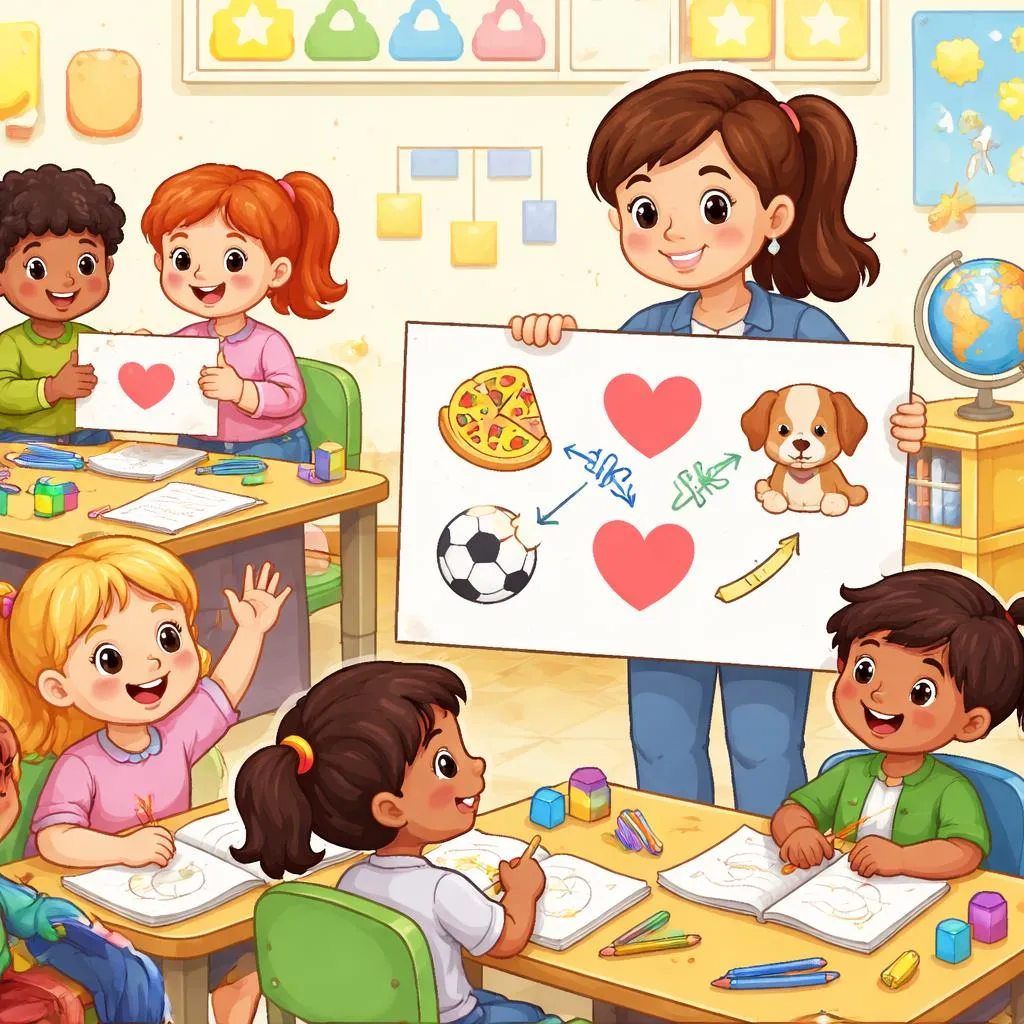
Comparison picture game Teachers show a picture and say a sentence with is like. Learners match the sentence with the picture.
Simile drawing game Teachers say a comparison and learners draw it. For example, “The moon is like a balloon.”
Question circle game Learners sit in a circle and ask “What is it like?” Each learner answers with a comparison.
Sentence card building game Word cards include is, like, and nouns. Learners build creative sentences and read them aloud.
Story chain game Each learner adds a sentence with is like to a class story. This builds narrative skills and imagination.
Grammar bingo Bingo cards include is, was, will be, and like. Teachers read sentences and learners mark correct forms.
These activities integrate speaking, listening, creativity, and grammar practice. They also promote confidence and expressive language use.
Is like a verb structure plays a key role in descriptive English. It supports comparisons, imagination, storytelling, and emotional expression.
Through clear teaching, simple examples, and playful classroom activities, this structure becomes easy to understand and use. With guided practice, learners develop rich descriptive language and strong grammar awareness that supports reading, writing, and communication in English.