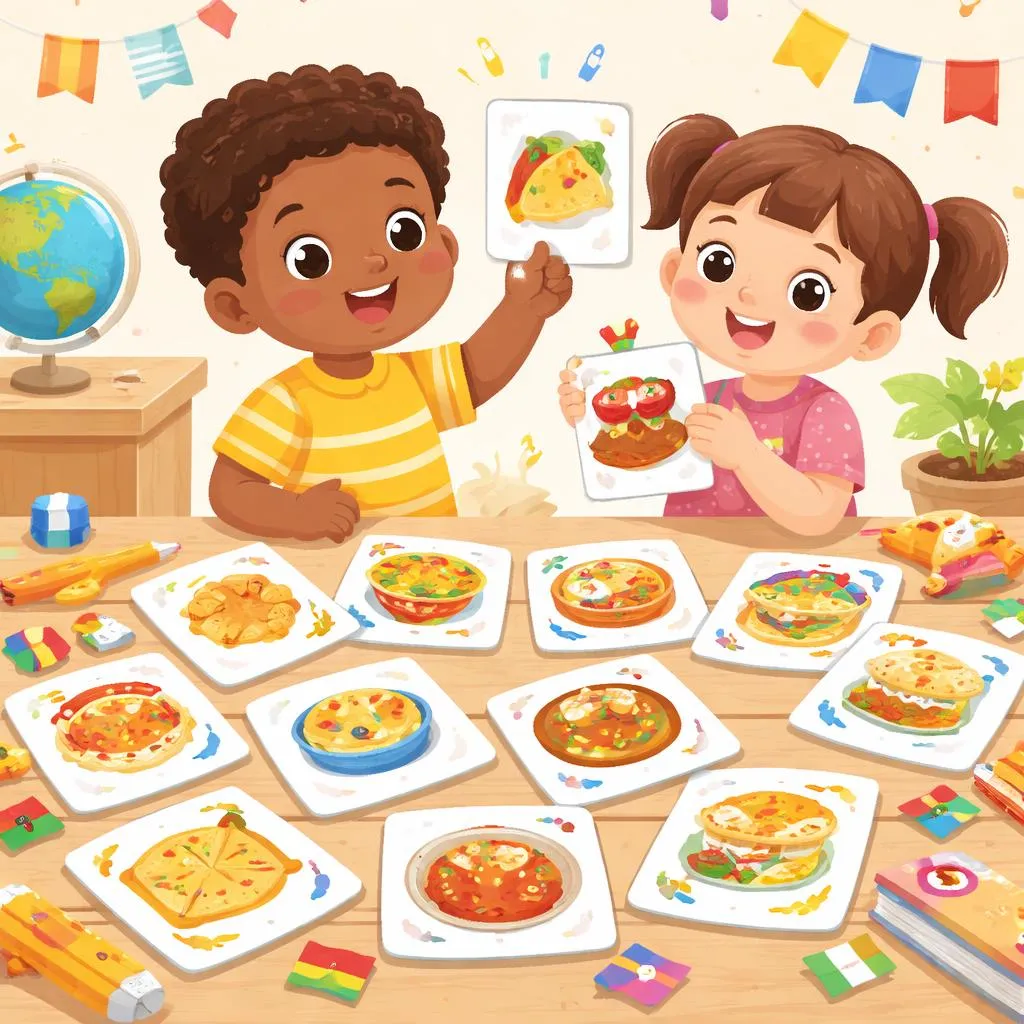

Dear parents and lovely children, today we will learn and practice with this type of English flashcard content: Global Cuisine Flashcards For Kids – Free Printable PDF Word list: rice, bread, pizza, soup, taco, sushi, pasta, curry, noodle, dumpling, kebab, burger, salad, burrito, ramen, paella, lasagna, falafel, samosa, kimchi, gnocchi, pho, hummus, risotto, tagine, fries, ketchup, water, juice, jello, chocolate, cake, sandwich, popcorn, donut, cookie, candy, lollipop, nut, pie, chips, jam, hot dog, omelette, croissant, lemonade Click here to download Global Cuisine Flashcards For Kids – Free Printable PDF
Understanding the Global Cuisine Flashcards Vocabulary
Each word on these flashcards represents a popular food or drink item from around the world. Here is a brief explanation of some key words:
- Rice: A staple grain eaten in many countries. Example: "I like to eat rice with vegetables."
- Pizza: A flatbread topped with tomato sauce, cheese, and various toppings. Example: "We ordered a cheese pizza for dinner."
- Sushi: A Japanese dish made with vinegared rice and seafood or vegetables. Example: "My favorite sushi is salmon nigiri."
- Burger: A sandwich consisting of a cooked patty, usually beef, inside a bun. Example: "He ate a big burger with fries."
- Salad: A dish made from mixed raw vegetables. Example: "She made a fresh salad with lettuce and tomatoes."
- Juice: A drink made from the liquid of fruits or vegetables. Example: "I drink orange juice every morning."
- Chocolate: A sweet treat made from cocoa. Example: "Chocolate cake is my favorite dessert."
These flashcards help children recognize and pronounce the names of various foods, expanding their vocabulary and cultural awareness.
How to Teach Global Cuisine Flashcards with Flashcards
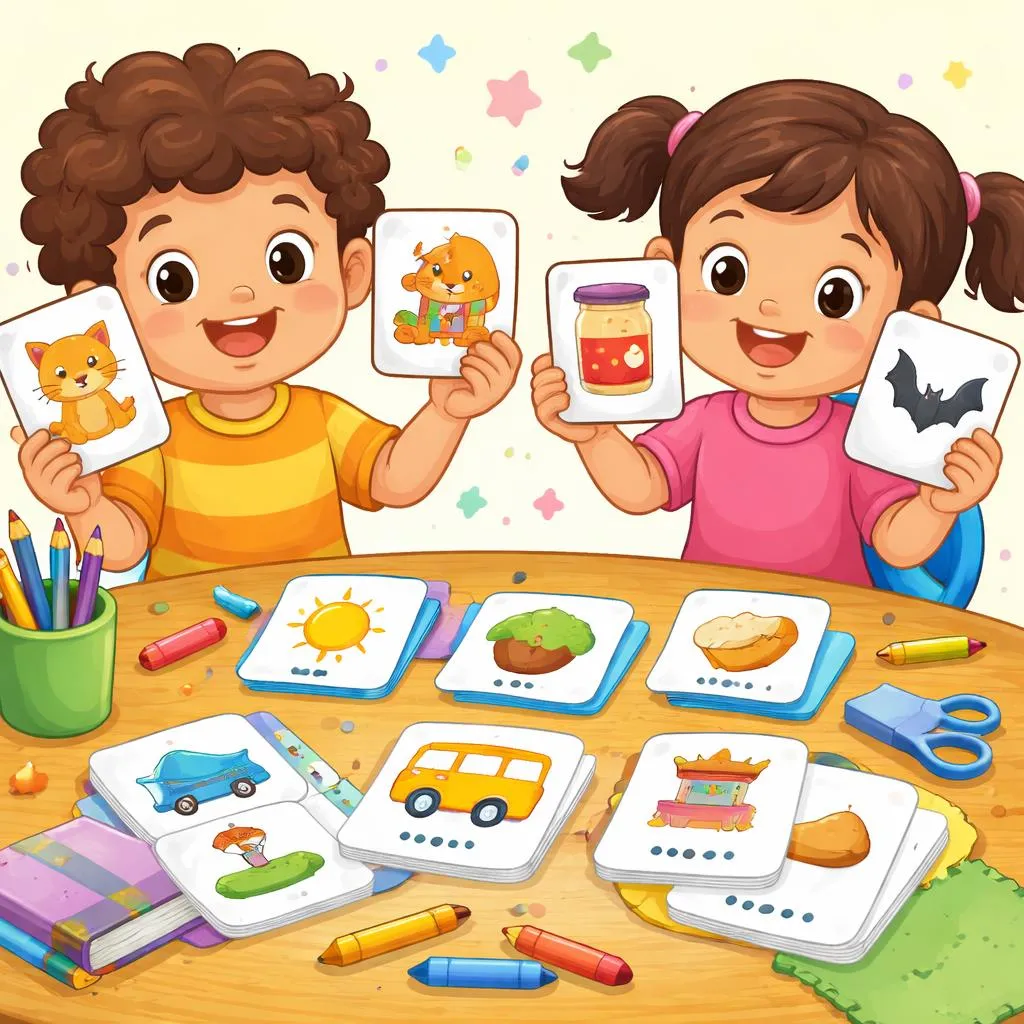
Parents and teachers can use these flashcards to introduce children to diverse foods from around the world. Start by showing each flashcard, pronouncing the word clearly, and encouraging the child to repeat it. Use pictures to engage visual learners and relate the food to experiences the child may have had, such as eating pizza or drinking juice.
Ask questions like "Have you ever eaten sushi?" or "What is your favorite food on this card?" to stimulate conversation. Incorporate storytelling by describing where the food comes from or how it is made, which enriches cultural knowledge alongside language learning.
Fun Global Cuisine Flashcard Games
- Memory Match: Lay all flashcards face down. Players take turns flipping two cards to find matching pairs (e.g., word and picture). This improves memory and reinforces word recognition.
- Food Bingo: Create bingo cards with food names or pictures. Call out words randomly, and children mark them on their cards to win.
- Guess the Food: Describe a food’s characteristics or ingredients, and children guess which flashcard it is.
- Sentence Building: Use flashcards to create simple sentences, such as "I like pizza" or "She drinks juice."
Example Sentences with Global Cuisine Vocabulary
- "I eat pasta for lunch."
- "Can I have some ketchup with my fries?"
- "She loves chocolate and cake."
- "We had a delicious omelette for breakfast."
- "The samosa is spicy and tasty."
These games and sentences help children practice pronunciation, comprehension, and sentence formation in a fun, interactive way.
Free Global Cuisine Flashcards PDF Download
You can easily download and print the Global Cuisine Flashcards for free from the link provided. Printing the cards on sturdy paper or laminating them will make them durable for repeated use. Parents and educators can create personalized sets or combine these cards with other learning materials to enhance vocabulary lessons at home or in the classroom.
FAQ about Global Cuisine Flashcards
Q1: What age group are these flashcards suitable for?
A1: These flashcards are ideal for children aged 3 to 10 years who are beginning to learn English vocabulary related to food.
Q2: How often should children practice with these flashcards?
A2: Daily short sessions of 10-15 minutes are effective for retention and engagement.
Q3: Can these flashcards be used for non-English speakers?
A3: Yes, they are great for ESL learners to build basic food vocabulary.
Q4: Are there any activities to extend learning beyond flashcards?
A4: Yes, cooking simple recipes together using these foods, watching related videos, or drawing pictures of the foods can deepen understanding.
Q5: How can I assess my child’s progress?
A5: Use quizzes, ask your child to name foods in pictures, or encourage them to use the words in sentences during daily conversations.
By using these flashcards regularly, children will not only learn new words but also develop an appreciation for global cuisines and cultures, making language learning enjoyable and meaningful.