
Dear parents and lovely children, today we will learn and practice with this type of English flashcard content: Wild Animals Flashcards For Kids – Free Printable PDF Word list: bear, lion, tiger, wolf, fox, deer, moose, elk, rabbit, zebra, monkey, giraffe, kangaroo, panda, gorilla, hyena, gazelle, badger, boar, lynx, cougar, jaguar, ocelot, koala, elephant, bat, alligator, dinosaur, camel, polar bear, crocodile, cheetah, yak, buffalo, meerkat, owl, sloth, dog, cat, hamster, snake, guinea pig, horse, cow, donkey, mouse, rat, spider, chameleon, iguana, sheep, pig, hippo, leopard, wildebeast, warthog, vulture, aardvark, rhinoceros, ostrich, chimpanzee Click here to download Wild Animals Flashcards For Kids – Free Printable PDF
Meaning and Explanation of Each Wild Animal Flashcard Word
- Bear: A large, strong mammal with thick fur, found in forests and mountains.
Example: "The bear is fishing in the river." - Lion: Known as the king of the jungle, a big cat with a mane.
Example: "The lion roars loudly to show its strength." - Tiger: A large striped cat found in Asia.
Example: "The tiger is hiding in the tall grass." - Wolf: A wild canine that lives and hunts in packs.
Example: "The wolf howls at night." - Fox: A small, clever wild animal with a bushy tail.
Example: "The fox sneaks quietly through the forest." - Deer: A gentle animal with antlers, often found in woods.
Example: "The deer is drinking water by the lake." - Moose: A very large deer with broad antlers.
Example: "The moose walks slowly through the swamp." - Elk: A large deer species with big antlers.
Example: "The elk calls loudly during the mating season." - Rabbit: A small, furry animal with long ears.
Example: "The rabbit hops in the garden." - Zebra: A horse-like animal with black and white stripes.
Example: "The zebra runs across the savannah." - Monkey: A playful primate that lives in trees.
Example: "The monkey swings from branch to branch." - Giraffe: The tallest land animal with a very long neck.
Example: "The giraffe eats leaves from tall trees." - Kangaroo: A marsupial that hops and carries babies in its pouch.
Example: "The kangaroo jumps high in the outback." - Panda: A black and white bear that eats bamboo.
Example: "The panda is chewing bamboo calmly." - Gorilla: A large, strong ape living in forests.
Example: "The gorilla beats its chest to show power." - Hyena: A wild animal known for its laughing sound.
Example: "The hyena hunts in groups at night." - Gazelle: A fast and graceful antelope.
Example: "The gazelle runs swiftly to escape predators." - Badger: A small burrowing mammal with stripes on its face.
Example: "The badger digs a hole in the ground." - Boar: A wild pig with sharp tusks.
Example: "The boar snorts loudly in the forest." - Lynx: A wild cat with tufted ears.
Example: "The lynx moves silently through the snow." - Cougar: Also called a mountain lion, a large wild cat.
Example: "The cougar stalks its prey carefully." - Jaguar: A big spotted cat found in the Americas.
Example: "The jaguar swims across the river." - Ocelot: A small wild cat with spots and stripes.
Example: "The ocelot hides in the dense jungle." - Koala: A tree-dwelling marsupial from Australia.
Example: "The koala sleeps in the eucalyptus tree." - Elephant: The largest land animal with a trunk and tusks.
Example: "The elephant sprays water with its trunk." - Bat: A flying mammal active at night.
Example: "The bat flies out at dusk to find food." - Alligator: A large reptile with a powerful jaw.
Example: "The alligator rests by the riverbank." - Dinosaur: Extinct reptiles that lived millions of years ago.
Example: "The dinosaur was huge and fierce." - Camel: A desert animal with humps to store fat.
Example: "The camel carries people across the desert." - Polar Bear: A white bear that lives in the Arctic.
Example: "The polar bear walks on the ice." - Crocodile: A large aquatic reptile with a long snout.
Example: "The crocodile waits quietly underwater." - Cheetah: The fastest land animal with spots.
Example: "The cheetah runs faster than any other animal." - Yak: A long-haired bovine found in high mountains.
Example: "The yak helps carry loads in the Himalayas." - Buffalo: A large bovine with curved horns.
Example: "The buffalo grazes in the grasslands." - Meerkat: A small mammal that stands on two legs.
Example: "The meerkat watches carefully for danger." - Owl: A nocturnal bird with big eyes.
Example: "The owl hoots in the night." - Sloth: A slow-moving tree-dweller.
Example: "The sloth hangs lazily from the branch." - Dog: A common domestic animal known as man’s best friend.
Example: "The dog barks happily at visitors." - Cat: A small domestic feline.
Example: "The cat purrs when it is happy." - Hamster: A small rodent often kept as a pet.
Example: "The hamster runs in its wheel." - Snake: A legless reptile.
Example: "The snake slithers across the ground." - Guinea Pig: A small, gentle rodent.
Example: "The guinea pig eats fresh vegetables." - Horse: A large, strong animal used for riding.
Example: "The horse gallops across the field." - Cow: A farm animal that gives milk.
Example: "The cow grazes in the meadow." - Donkey: A sturdy animal used for carrying loads.
Example: "The donkey carries heavy bags." - Mouse: A small rodent with a long tail.
Example: "The mouse hides in the corner." - Rat: A larger rodent often found in cities.
Example: "The rat scurries through the alley." - Spider: An eight-legged insect that spins webs.
Example: "The spider catches flies in its web." - Chameleon: A lizard that changes color.
Example: "The chameleon blends into the leaves." - Iguana: A large green lizard.
Example: "The iguana basks in the sun." - Sheep: A farm animal with wool.
Example: "The sheep follow the shepherd." - Pig: A farm animal that loves mud.
Example: "The pig rolls in the mud happily." - Hippo: A large, mostly aquatic mammal.
Example: "The hippo stays cool in the river." - Leopard: A big spotted cat.
Example: "The leopard climbs trees easily." - Wildebeast: A large antelope found in Africa.
Example: "The wildebeest migrates in large herds." - Warthog: A wild pig with tusks.
Example: "The warthog roots in the dirt." - Vulture: A bird that feeds on dead animals.
Example: "The vulture circles high in the sky." - Aardvark: A nocturnal animal that eats ants.
Example: "The aardvark digs for ants at night." - Rhinoceros: A large animal with one or two horns.
Example: "The rhinoceros charges when threatened." - Ostrich: The largest bird that cannot fly.
Example: "The ostrich runs very fast." - Chimpanzee: A smart ape closely related to humans.
Example: "The chimpanzee uses tools to get food."
How to Teach Wild Animals Flashcards with Flashcards
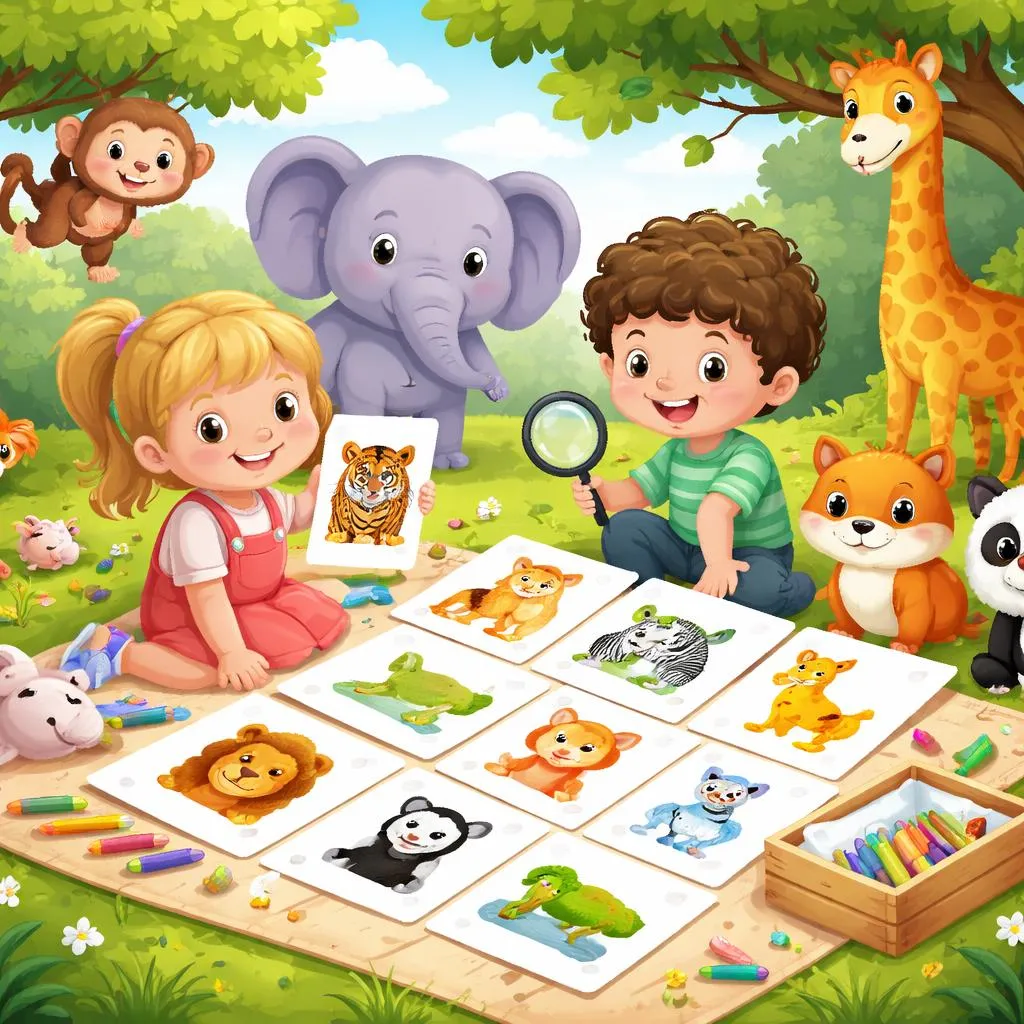
Parents and teachers can use these wild animal flashcards to introduce children to the fascinating world of animals. Start by showing each card and pronouncing the animal’s name clearly. Encourage children to repeat the name and associate it with the picture. Use simple sentences to describe what the animal does or where it lives. For example, “The lion lives in the jungle,” or “The elephant has a long trunk.” This method helps children connect words with images and context, improving their vocabulary and comprehension. Flashcards can be used in one-on-one sessions or group activities, making learning interactive and fun.
Fun Wild Animals Flashcard Games
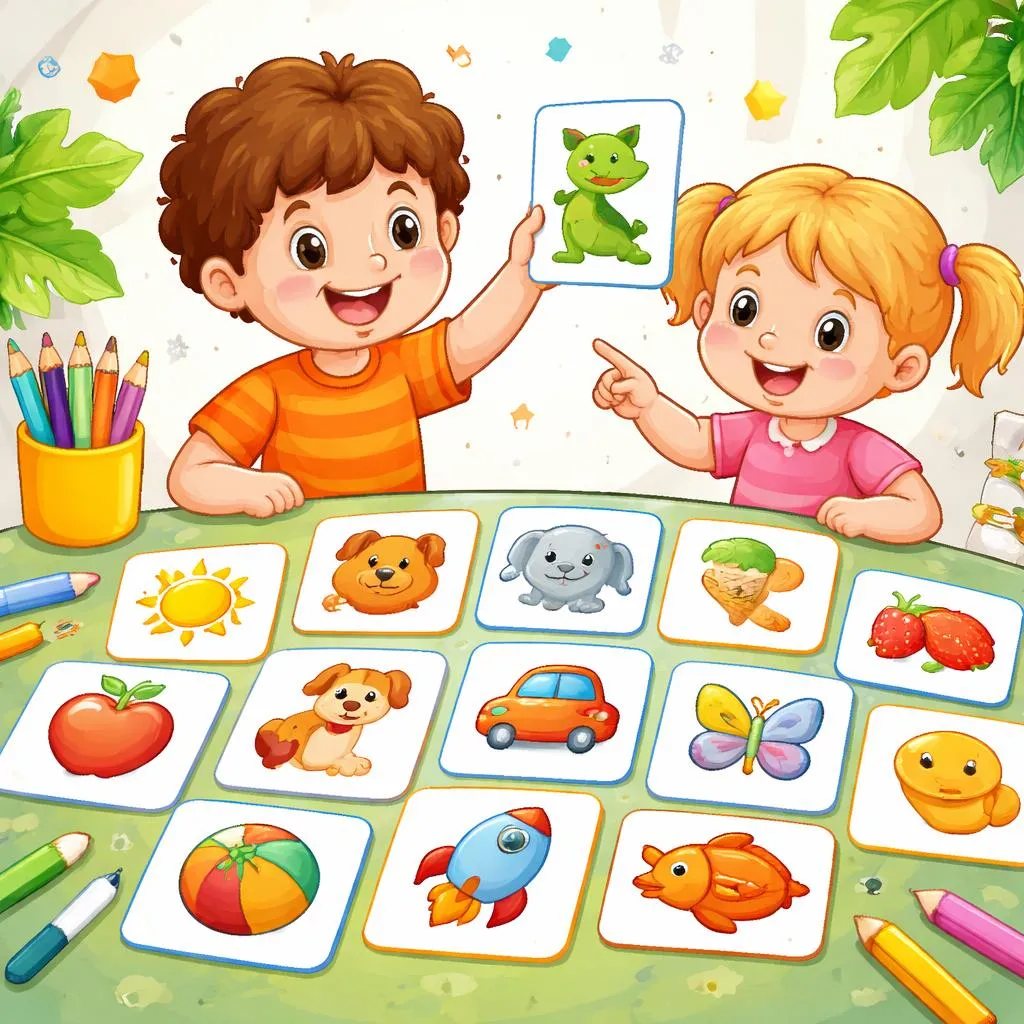
- Memory Match: Lay the flashcards face down and take turns flipping two cards to find matching pairs. This game helps with memory and recognition.
- Animal Sounds: Show a flashcard and ask children to imitate the animal’s sound, like roaring for a lion or hooting for an owl.
- Guess the Animal: Describe an animal using clues, and children guess which flashcard it is. For example, “I am big and have a long neck,” and children say “giraffe.”
- Flashcard Bingo: Create bingo cards with animal pictures and call out names for children to mark.
- Story Time: Use flashcards to create a story involving different animals, encouraging children to use new vocabulary in sentences.
Example Sentences with Emotions Vocabulary
- Happy: "The monkey is happy when it plays with friends."
- Scared: "The rabbit is scared of the loud noise."
- Curious: "The fox is curious about the new smell."
- Sleepy: "The koala looks sleepy in the tree."
- Excited: "The dog is excited to go for a walk."
Using emotions with animal flashcards helps children express feelings and relate to the animals, enhancing both language and emotional intelligence.
Free Wild Animals Flashcards PDF Download
You can easily download and print these wild animal flashcards for free from the provided link. The PDF is designed to be colorful and engaging, perfect for children to handle and learn from. Printing at home or school enables repeated practice and allows parents and teachers to create customized learning sessions. Having physical flashcards also encourages hands-on interaction, which is essential for young learners.
FAQ about Wild Animals Flashcards
-
Q: What age group are these flashcards suitable for?
A: These flashcards are ideal for preschoolers and early elementary students, roughly ages 3-8. -
Q: How often should children practice with flashcards?
A: Short daily sessions of 10-15 minutes are most effective to keep children engaged without tiring them. -
Q: Can these flashcards help with pronunciation?
A: Yes, repeating the animal names aloud improves pronunciation and confidence in speaking English. -
Q: Are there any digital versions available?
A: Currently, the flashcards are printable PDFs, but parents can use tablet apps to show images and sounds alongside. -
Q: How to encourage shy children to participate?
A: Use games and positive reinforcement, allowing children to learn at their own pace and celebrate small successes.
These wild animal flashcards provide a fun and educational way for children to expand their English vocabulary, learn about nature, and develop language skills through interactive play and practice.