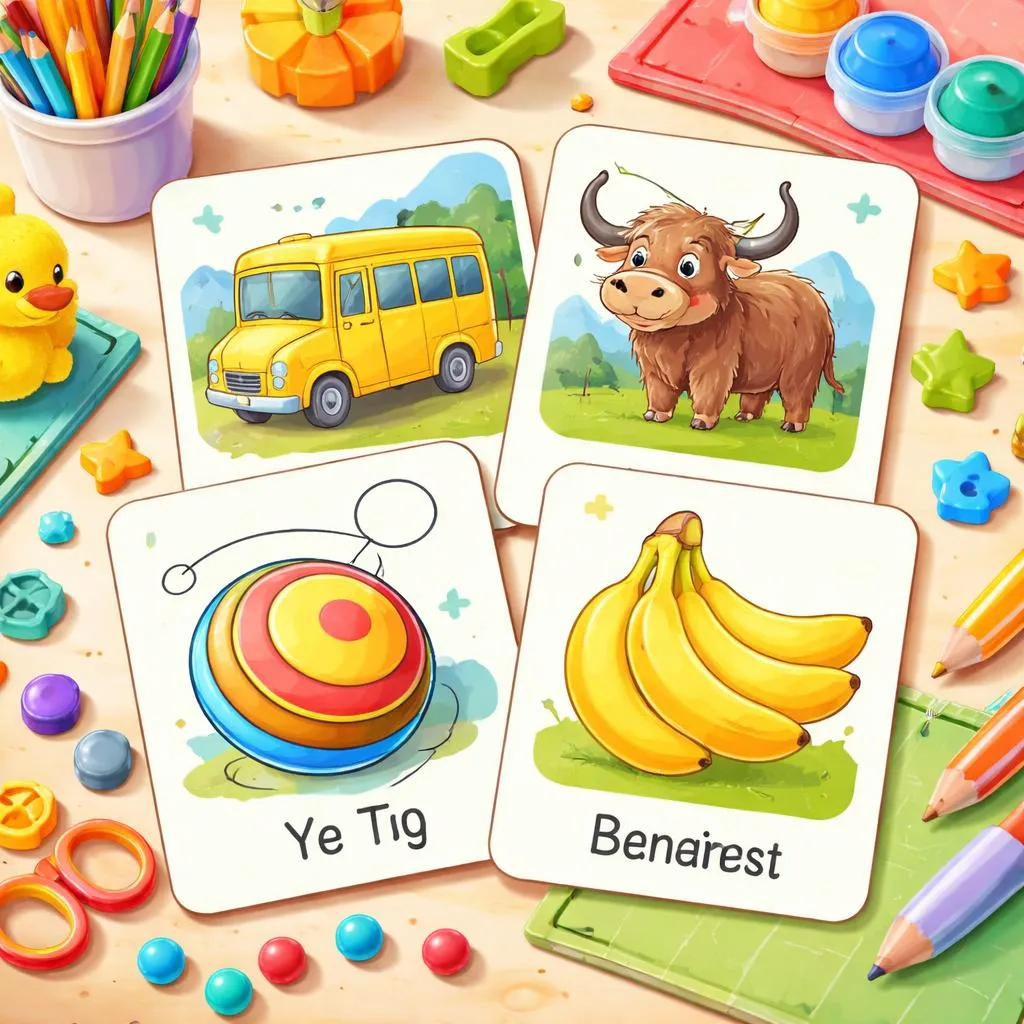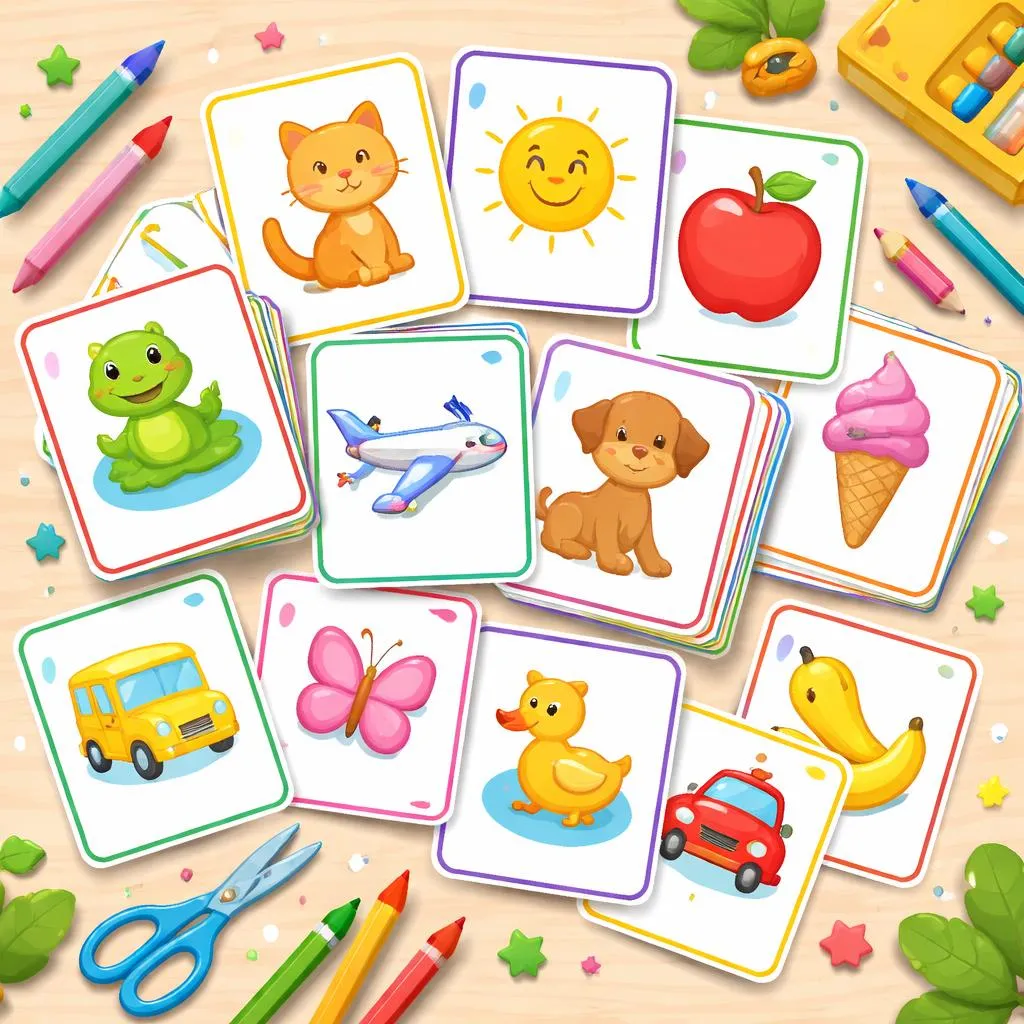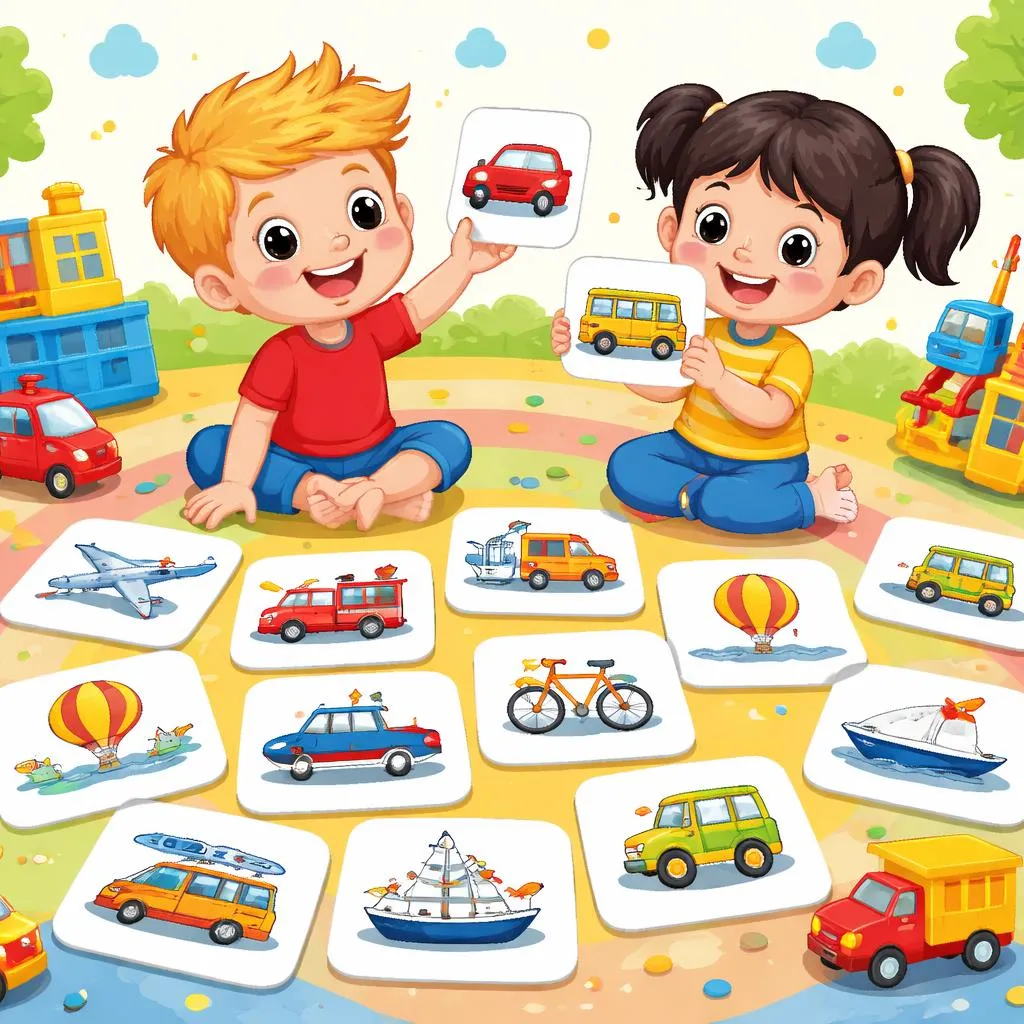

Dear parents and lovely children, today we will learn and practice with this type of English flashcard content: Transport Flashcards For Kids – Free Printable PDF Word list: boat, car, bus, bike, train, plane, truck, van, scooter, ship, subway, taxi, jeep, skateboard, tram, helicopter, canoe, wagon, motorcycle, rocket, ferry, raft, hovercraft, parachute, glider, yacht, spaceship, jet, wheel, tractor, fire engine, ambulance, submarine, bicycle, catamaran, rowing boat , jet ski, sail boat, cargo ship, hot air baloon, propeller plane, airplane, pirate ship, kayak Click here to download Transport Flashcards For Kids – Free Printable PDF
Meaning and Explanation of Transport Flashcard Words
- Boat: A small vessel for traveling on water.
Example: "We took a boat ride on the lake." - Car: A vehicle with four wheels used for transportation on roads.
Example: "My family has a red car." - Bus: A large vehicle that carries many passengers.
Example: "I ride the bus to school every day." - Bike: A two-wheeled vehicle powered by pedaling.
Example: "She learned to ride a bike last summer." - Train: A series of connected vehicles running on tracks.
Example: "The train is arriving at the station." - Plane: An aircraft that flies in the sky.
Example: "We will take a plane to visit grandma." - Truck: A large vehicle used to carry goods.
Example: "The truck delivered the furniture." - Van: A medium-sized vehicle used for transporting people or goods.
Example: "The van picked us up from the airport." - Scooter: A small two-wheeled vehicle powered by a motor or foot.
Example: "He rides his scooter in the park." - Ship: A large boat used for traveling on the ocean.
Example: "The ship sailed across the sea." - Subway: An underground train system.
Example: "We took the subway to the museum." - Taxi: A car that you pay to ride in.
Example: "We called a taxi to go downtown." - Jeep: A small, rugged vehicle for off-road driving.
Example: "They drove the jeep through the mountains." - Skateboard: A board with wheels used for skating.
Example: "He practices tricks on his skateboard." - Tram: A rail vehicle that runs on city streets.
Example: "We rode the tram to the city center." - Helicopter: A flying vehicle with rotating blades.
Example: "The helicopter flew above the hospital." - Canoe: A narrow boat propelled with a paddle.
Example: "We paddled the canoe on the river." - Wagon: A four-wheeled vehicle pulled by animals or a person.
Example: "The children played with a red wagon." - Motorcycle: A two-wheeled motor vehicle.
Example: "He rides his motorcycle on weekends." - Rocket: A vehicle designed to travel into space.
Example: "The rocket launched into the sky." - Ferry: A boat that carries people and vehicles across water.
Example: "We took the ferry to the island." - Raft: A flat floating structure for traveling on water.
Example: "They built a raft to cross the river." - Hovercraft: A vehicle that travels over land and water on a cushion of air.
Example: "The hovercraft glided over the water." - Parachute: A device used to slow descent from the air.
Example: "The skydiver opened his parachute." - Glider: A light aircraft that flies without an engine.
Example: "The glider soared silently in the sky." - Yacht: A large, luxurious boat.
Example: "They spent the summer on their yacht." - Spaceship: A vehicle designed for space travel.
Example: "The spaceship traveled to the moon." - Jet: A fast aircraft powered by jet engines.
Example: "The jet flew across the country." - Wheel: A round object that helps vehicles move.
Example: "The wheel on my bike is flat." - Tractor: A powerful vehicle used on farms.
Example: "The tractor plowed the field." - Fire Engine: A vehicle used by firefighters.
Example: "The fire engine rushed to the fire." - Ambulance: A vehicle that takes sick or injured people to the hospital.
Example: "The ambulance arrived quickly." - Submarine: A watercraft that can travel underwater.
Example: "The submarine explored the ocean depths." - Bicycle: Another word for bike, a two-wheeled vehicle.
Example: "She rides her bicycle to the park." - Catamaran: A boat with two parallel hulls.
Example: "The catamaran sailed smoothly." - Rowing Boat: A small boat moved by oars.
Example: "They rowed the boat across the lake." - Jet Ski: A small watercraft for one or two people.
Example: "He enjoys riding his jet ski." - Sail Boat: A boat propelled by sails.
Example: "The sail boat caught the wind." - Cargo Ship: A large ship that carries goods.
Example: "The cargo ship delivered containers." - Hot Air Balloon: A balloon filled with hot air to float in the sky.
Example: "We watched the hot air balloon rise." - Propeller Plane: A plane powered by propellers.
Example: "The propeller plane landed safely." - Airplane: A flying vehicle with wings and engines.
Example: "The airplane took off on time." - Pirate Ship: A ship used by pirates.
Example: "The pirate ship sailed the seas." - Kayak: A small, narrow boat paddled by one person.
Example: "She kayaked down the river."
How to Teach Transport Flashcards with Flashcards
Parents and teachers can use these transport flashcards as a fun and interactive tool to introduce children to various modes of transportation. Begin by showing each flashcard and saying the word clearly. Encourage children to repeat the word and associate it with the picture. Use real-life examples or stories to make the learning relatable. For example, when teaching "bus," you might say, "We take the bus to school." Flashcards can be used one-on-one or in groups, and they help improve vocabulary, pronunciation, and memory. Combining flashcards with gestures or actions, like pretending to drive a car or fly a plane, can make lessons more engaging and memorable for children.
Fun Transport Flashcard Games
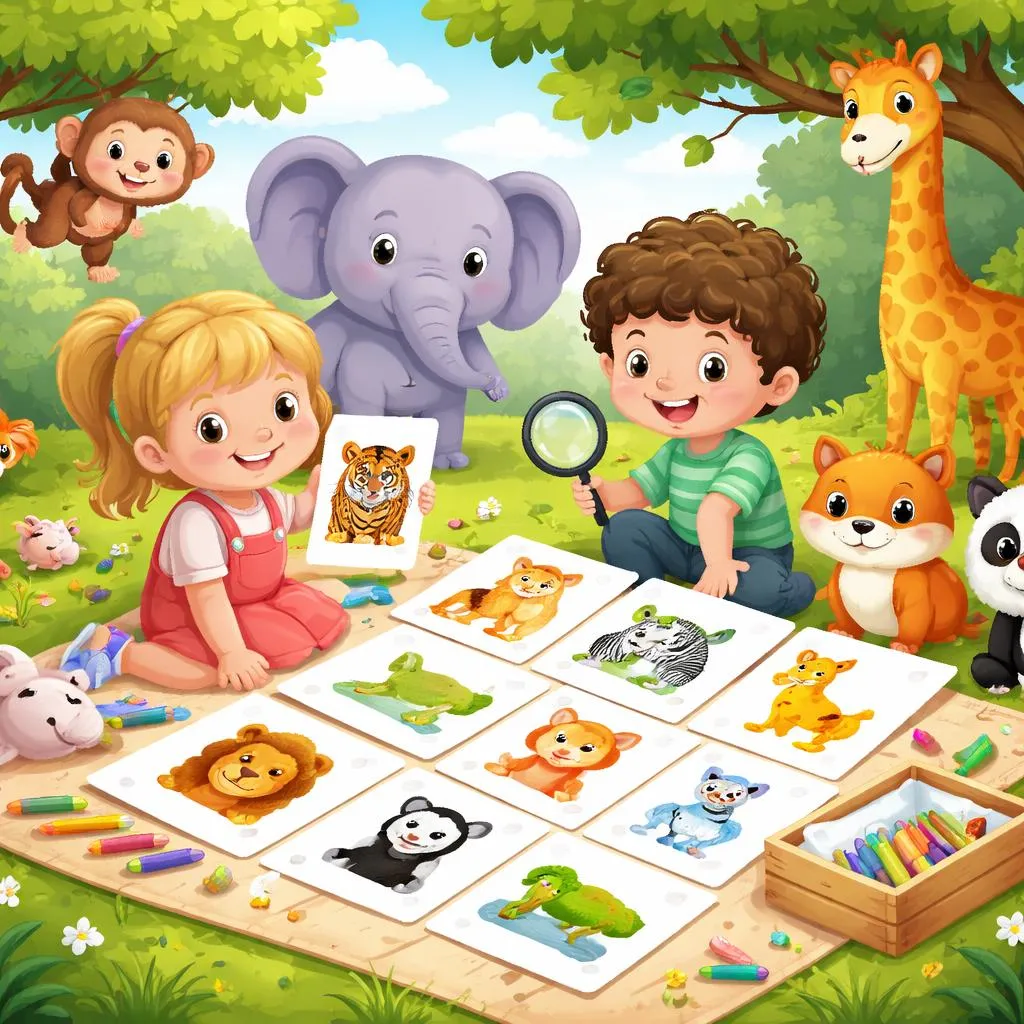
- Memory Match: Lay flashcards face down and have children flip two at a time to find matching pairs. This helps with word recognition and memory.
- I Spy: Use flashcards to play "I spy with my little eye," describing a vehicle and letting children guess which one it is.
- Flashcard Race: Spread flashcards on the floor and call out a word; children race to find the correct card.
- Story Time: Use flashcards to create a story, encouraging children to use the words in sentences.
Example Sentences with Emotions Vocabulary
- "I feel excited when I see a plane flying in the sky."
- "The fire engine makes me feel safe because it helps people."
- "Riding a bike makes me happy and free."
- "Sometimes, the loud noise of a helicopter can be scary."
- "Watching a rocket launch is amazing and inspiring."
Free Transport Flashcards PDF Download
You can download and print these transport flashcards for free from the provided link. The PDF is designed to be colorful and kid-friendly, perfect for classroom or home use. Printing on sturdy paper or laminating the cards will increase their durability. Having a physical set of flashcards allows children to touch and interact with the learning material, which enhances retention and makes study time more fun.
FAQ about Transport Flashcards
-
Q: At what age are these flashcards suitable?
A: These flashcards are ideal for children aged 3 to 8 years old. -
Q: Can these flashcards be used for ESL learners?
A: Yes, they are excellent for children learning English as a second language. -
Q: How often should children practice with flashcards?
A: Short, daily sessions of 10-15 minutes are most effective. -
Q: Are there any digital versions of these flashcards?
A: Currently, the flashcards are available as printable PDFs, but digital versions can be created using apps. -
Q: How can I make flashcard learning more engaging?
A: Incorporate games, songs, and movement activities to keep children interested and motivated.
By using these transport flashcards regularly, children will build a strong vocabulary foundation related to vehicles and transportation, improve their language skills, and enjoy learning English in a playful and interactive way.