
Dear parents and lovely children, today we will learn and practice with this type of English flashcard content: Opposite Words Flashcards For Kids – Free Printable PDF Word list: hot, light, up, fast, happy, inside, day, left, in, wet, strong, clean, go, old, loud, open, asleep, no, on, rainy, hard, short, big, high, heavy, full, more, fewer, thick, same Click here to download Opposite Words Flashcards For Kids – Free Printable PDF
Meaning and Explanation of Each Flashcard Word
- Hot / Cold (implied opposite): "Hot" means having a high temperature. Example: The soup is hot.
- Light / Dark (implied opposite): "Light" means having brightness or not heavy. Example: The room is full of light.
- Up / Down: "Up" means moving or located higher. Example: Look up at the sky.
- Fast / Slow (implied opposite): "Fast" means moving quickly. Example: The car is fast.
- Happy / Sad (implied opposite): "Happy" means feeling joy. Example: She feels happy today.
- Inside / Outside (implied opposite): "Inside" means within something. Example: The cat is inside the house.
- Day / Night (implied opposite): "Day" means the time when it is light outside. Example: We play during the day.
- Left / Right (implied opposite): "Left" is a direction opposite to right. Example: Turn left at the corner.
- In / Out (implied opposite): "In" means inside something. Example: Put the toys in the box.
- Wet / Dry (implied opposite): "Wet" means covered with water. Example: My clothes are wet after the rain.
- Strong / Weak (implied opposite): "Strong" means having great power. Example: He is strong enough to lift the box.
- Clean / Dirty (implied opposite): "Clean" means free from dirt. Example: The floor is clean.
- Go / Stop (implied opposite): "Go" means to move or proceed. Example: Go to school on time.
- Old / New (implied opposite): "Old" means having existed for a long time. Example: This book is old.
- Loud / Quiet (implied opposite): "Loud" means making a lot of noise. Example: The music is loud.
- Open / Closed (implied opposite): "Open" means not shut. Example: Please open the door.
- Asleep / Awake (implied opposite): "Asleep" means sleeping. Example: The baby is asleep.
- No / Yes (implied opposite): "No" is a negative answer. Example: No, I don’t want ice cream.
- On / Off (implied opposite): "On" means activated or touching a surface. Example: The light is on.
- Rainy / Sunny (implied opposite): "Rainy" means having rain. Example: It is rainy today.
- Hard / Soft (implied opposite): "Hard" means firm or solid. Example: The table is hard.
- Short / Tall (implied opposite): "Short" means not tall. Example: She is short.
- Big / Small (implied opposite): "Big" means large in size. Example: The elephant is big.
- High / Low (implied opposite): "High" means elevated. Example: The mountain is high.
- Heavy / Light (implied opposite): "Heavy" means weighing a lot. Example: The box is heavy.
- Full / Empty (implied opposite): "Full" means containing as much as possible. Example: The glass is full.
- More / Less (implied opposite): "More" means a greater quantity. Example: I want more juice.
- Fewer / More (implied opposite): "Fewer" means a smaller number. Example: I have fewer toys than you.
- Thick / Thin (implied opposite): "Thick" means having a large distance between sides. Example: The book is thick.
- Same / Different (implied opposite): "Same" means exactly alike. Example: We have the same shoes.
How to Teach Opposite Words Flashcards with Flashcards
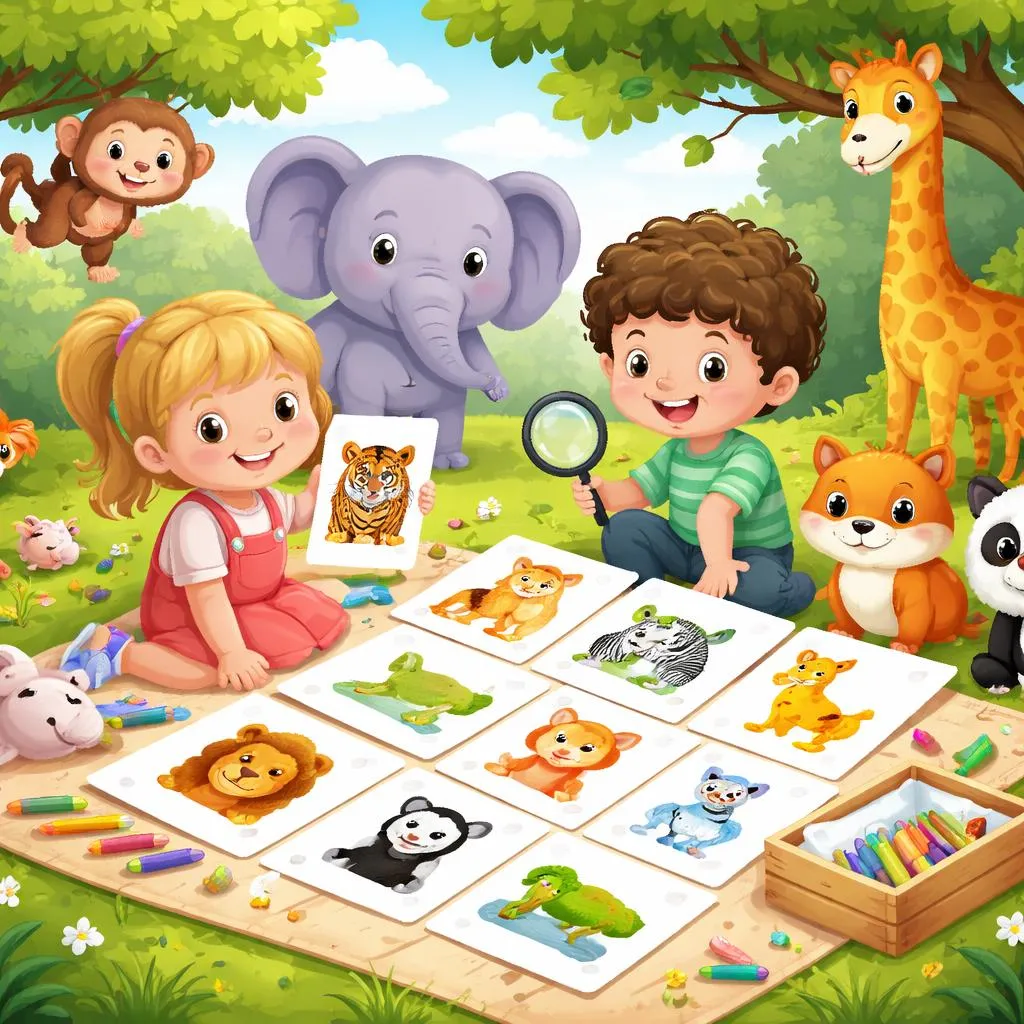
Parents and teachers can use these flashcards to introduce children to the concept of opposites in a fun and interactive way. Start by showing one flashcard, saying the word aloud, and explaining its meaning with simple examples. Then, show the opposite word and compare the two. Encourage children to repeat the words and use them in sentences. Using real-life objects or actions to demonstrate the words helps children understand better. For example, holding a hot cup and then a cold cup, or pointing to a light and a dark corner. Flashcards can be used in daily routines, making learning natural and engaging.
Fun Opposite Words Flashcard Games
- Matching Game: Mix the flashcards and ask children to find pairs of opposite words. This helps reinforce memory and understanding.
- Charades: Children act out one word while others guess the opposite. For example, pretending to be asleep or awake.
- Opposite Hunt: Ask children to find objects or situations around them that match the flashcard words, like finding something clean and something dirty.
- Sentence Making: Children create sentences using the flashcards. For example, "The sun is hot, but the ice is cold."
- Fill in the Blanks: Provide sentences with missing opposite words for children to fill in, such as "The day is bright, but the night is ____."
Example Sentences with Opposite Words Vocabulary
- The sun is hot, but the ice is cold.
- Please turn the light on when it gets dark.
- The rabbit runs fast, but the turtle moves slow.
- I am happy today, but yesterday I was sad.
- The door is open, not closed.
- The box is heavy, but the bag is light.
- It is rainy outside, so the ground is wet.
- She is short, but her brother is tall.
- My glass is full, but your cup is empty.
- We have more apples, but fewer bananas.
Free Opposite Words Flashcards PDF Download
You can easily download and print these free Opposite Words Flashcards to use at home or in the classroom. The PDF contains colorful, kid-friendly images and clear words to make learning enjoyable. Printing the flashcards on sturdy paper or laminating them will help them last longer. Use them repeatedly for practice, games, and daily vocabulary building. Click the link below to get your free printable PDF and start learning today!
Download Opposite Words Flashcards For Kids – Free Printable PDF
FAQ about Opposite Words Flashcards
Q1: At what age can children start learning with these flashcards?
A1: These flashcards are suitable for preschoolers and early elementary students, usually ages 3 to 8.
Q2: How often should children practice with these flashcards?
A2: Daily short sessions of 5-10 minutes are effective for retention and interest.
Q3: Can these flashcards be used for group learning?
A3: Yes, they work well in classrooms and group activities to encourage interaction.
Q4: What if a child finds some words difficult?
A4: Use real objects or pictures to demonstrate the meaning and practice repeatedly with simple sentences.
Q5: Are there digital versions available?
A5: Currently, the flashcards are available as printable PDFs, but you can also use the images on tablets or computers for interactive learning.
Practice Activity:
Ask children to draw pictures of opposite pairs or create a story using at least five pairs of opposite words. This helps deepen understanding and makes learning creative and fun.