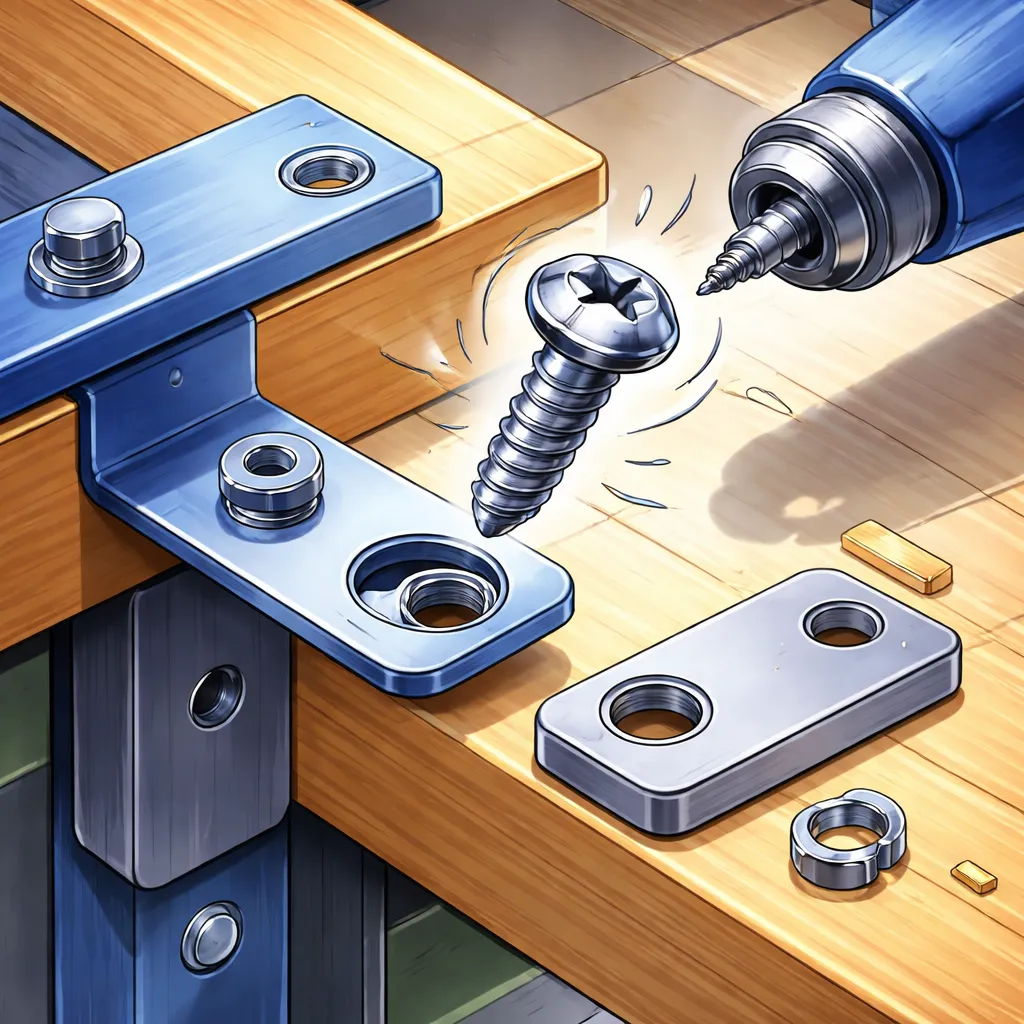

Children know when things are not held tightly. A wobbly wheel, a dangling string, an open gate. Parents say “The screw is loose” or “The bird is free.” Are “loose” and “free” the same word? This guide helps your child understand the difference.
Both words describe things not held firmly. But one word means not tight or attached loosely. The other word means able to move or act without restriction. Let us explore these unfastened words together. Your child will learn to use both with confidence.
Are Similar Words Really Interchangeable? “Loose” and “free” seem very close. But you cannot always swap them. Each word carries a different focus. Knowing this helps your child speak more precisely.
Imagine a loose button on a shirt. The button is loose. It might fall off soon. Now imagine a free bird flying in the sky. The bird is free. It can go anywhere. Loose means not tight or firmly attached. Free means not controlled or trapped.
Sometimes both words work. “Loose animal” and “free animal” are both fine. But a loose tooth is not free. It is still in your mouth. Free is about liberty. Loose is about attachment.
Set 1: Loose vs Free — Which One Is More Common? “Loose” appears very often in daily English. Children say “My tooth is loose” or “Loose change.” Parents say “Loose ends” or “Loose clothing.” It is a short, common word. Everyone uses it for fit and attachment.
“Free” is also very common. Children say “I am free” or “Free toy.” Parents say “Free time” or “Free speech.” It is a powerful, positive word. Teach both words together.
“Loose” is about attachment. “Free” is about liberty. Both are good for daily use.
Set 2: Loose vs Free — Same Meaning, Different Contexts Both words can mean not held. But the context changes the feeling. “Loose” focuses on lack of tightness. “Free” focuses on lack of control or restriction.
Think about a loose screw in a toy. The screw is loose. The toy might break. Now think about a free puppy running in a yard. The puppy is free. No leash holds it back. So loose is about fit. Free is about liberty.
Help your child see context with examples. “The loose handle wiggled when I pulled it.” “The free bird flew high in the sky.” This builds real-world understanding. It also makes language more precise.
Set 3: Loose vs Free — Which Word Is “Bigger” or More Emphatic? “Free” feels much bigger and more emotional. It describes liberty, independence, and rights. Free country. Free will. Free spirit. The word carries a sense of joy and power.
“Loose” is smaller and more physical. Loose can be annoying or dangerous. A loose tooth is not free. So “free” is more about big ideas. “Loose” is about physical attachment. For children, use “loose” for physical things. “The loose button needs sewing.” Use “free” for liberty. “The free bird sang happily.” This teaches different domains.
Set 4: Loose vs Free — Concrete vs Abstract Both words work for concrete things. Loose screw, free animal. Children understand these easily. But abstract meanings are very common.
Loose change means coins not in a wallet. Loose ends means unfinished tasks. Loose talk means careless speech. Free time means no obligations. Free spirit means independent person. Free choice means ability to choose. Abstract uses help children talk about time, tasks, behavior, and rights.
Start with concrete examples at home. “The loose wheel on the wagon wobbled.” “The free butterfly landed on a flower.” Then move to gentle abstract ones. “I have free time after homework.” “Loose talk can hurt people’s feelings.” These phrases build emotional and practical vocabulary.
Set 5: Loose vs Free — Verb or Noun? First Understand the Role “Loose” is an adjective most of the time. “The loose thread came off.” “Loose” can also be a verb (to loosen). But that is different. For children, teach it as an adjective.
“Free” is an adjective most of the time. “The free puppy ran around.” “Free” can also be a verb. “Please free the bird from the cage.” So “free” has two roles.
Teach “loose” as an adjective. “The loose screw fell out.” Teach “free” as an adjective first. “The free child played outside.” Then introduce the verb use later.
Set 6: Loose vs Free — American English vs British English Both words are common in American and British English. There is almost no difference in meaning. But there are small preferences in use. Americans say “loose” and “free” very often. British speakers say the same.
British people say “free” for no cost. Americans do too. So this pair is easy for international learning. For your child, teach both words freely. A loose tooth is loose everywhere. A free bird is free anywhere. This makes learning simple and safe.
Set 7: Loose vs Free — Which Fits Formal Situations? Formal situations prefer “free” for liberty. A document says “Free elections are important.” It might also say “loose elections,” but that is wrong. “Free” sounds professional for rights.
“Loose” works in formal writing too. “The loose connection caused the failure.” But for rights and liberty, use “free.” So formality and meaning change the word choice.
For children, you do not need formal rules yet. But you can show the difference. “At home, we say loose screw.” “In a history book, they write free people.” This gentle difference prepares them for later.
Set 8: Loose vs Free — Which One Is Easier for Kids to Remember? “Loose” is very easy for young children. It has five letters and a “loo” sound. Kids know loose from teeth and clothes. “Loose means not tight.” Memory sticks through daily life.
“Free” is also very easy for young children. It has four letters and one clear sound. Kids know free from no school or free toys. “Free means you can do what you want.” That simple sentence helps.
Use feelings to help remember. “The loose button wiggled on my shirt.” “The free bird flew away from the cage.” Repeat both words during play. “This string is loose. I feel free when I run outside.”
Mini Exercise: Can You Spot the Differences Between These Similar Words? Try these simple questions with your child. No pressure, just playful thinking.
Which word fits better? “The ____ nail stuck out of the wood.” (Answer: loose)
Which word fits better? “The ____ animal ran out of the open gate.” (Answer: free)
Is this concrete or abstract? “I have free time after my homework.” (Answer: abstract)
True or false? Something free is always loose. (Answer: false — a free person is not loose)
Which word means having liberty? (Answer: free)
Fill in the blank: “The ____ wheel on the wagon made it hard to steer. The ____ bird sang without a cage.” (Answer: loose, free)
Check answers together slowly. Talk about why each answer works. Praise every effort your child makes.
Parent Tips: How to Help Kids Learn and Remember Similar Words Learning similar words takes gentle repetition. Here are practical tips for your home.
First, use real loose moments. Wiggle a loose screw. Say “This screw is loose.” Watch a bird fly. Say “That bird is free.” Your child sees and feels the difference.
Second, create a “loose or free” game. Test different things: a wobbly chair, a dog off leash, a loose tooth, a child playing outside. Ask “Is this loose, free, or both?” Talk about why a free dog might not be loose.
Third, read animal and building stories together. Many children’s books use these words. Pause and ask “Would the author say loose or free here?” This builds critical thinking skills.
Fourth, make a word wall at home. Write “loose” in gray for not tight. Write “free” in blue for liberty. Add drawings of a wobbly screw and a flying bird.
Fifth, use gentle correction. If your child says “The tight knot is free”, say “Free means not controlled. A tight knot is the opposite of loose.” Never scold. Just explain.
Finally, celebrate freedom and fixing. When your child uses either word correctly, celebrate. “Yes, the screw is loose. And the bird is free. Great describing words!” Positive feelings make both words stick. Your patience today builds their vocabulary for life.
Some looseness is about physical attachment. Other freedom is about liberty and choice. Both words help us describe things that are not held back. Keep practicing together in a warm, low-pressure way. Your child will learn to choose the right word naturally. And that small skill will make every free moment more expressive in English.