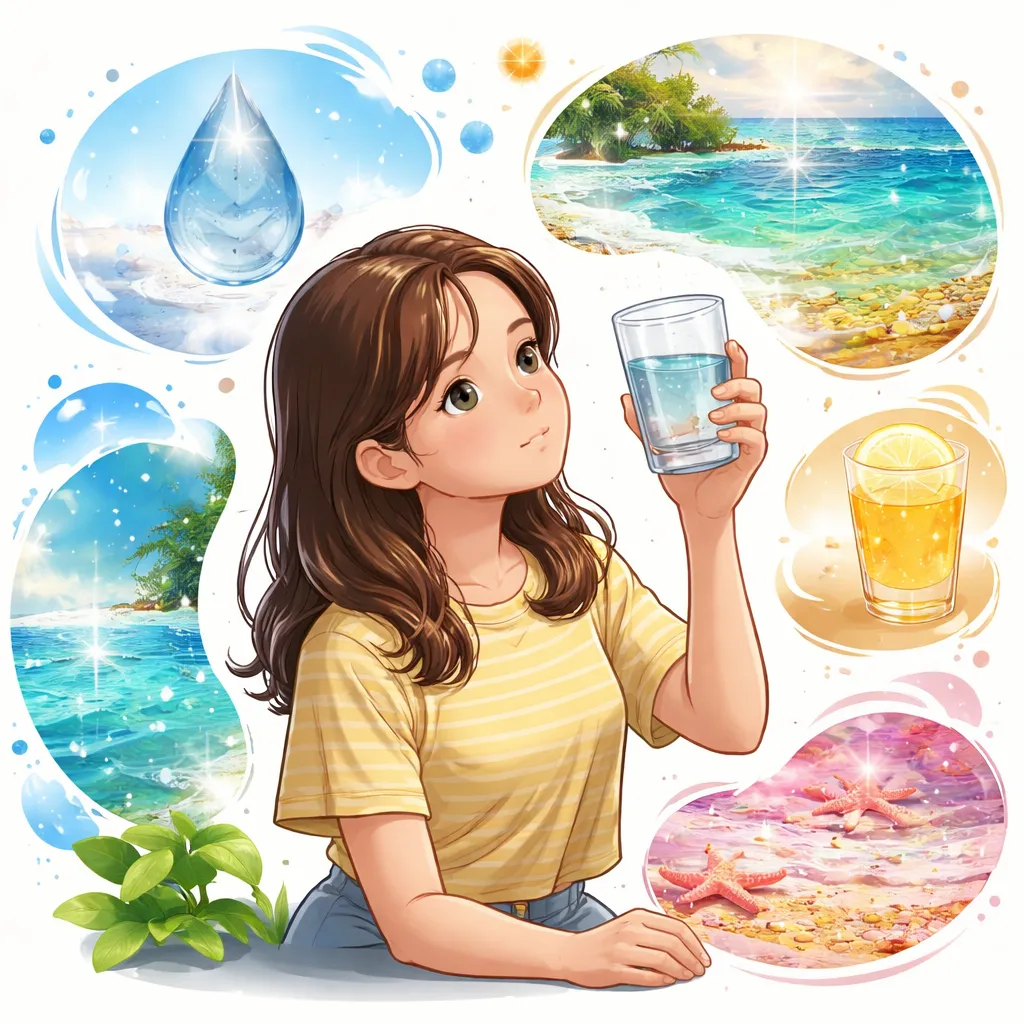

Children notice when colors fade or disappear. A glass of water, a washed-out shirt, a tired face. Parents say “The liquid is colorless” or “You look pale today.” Are “colorless” and “pale” the same word? This guide helps your child understand the difference.
Both words describe a lack of strong color. But one word means no color at all. The other word means very little color remains. Let us explore these quiet words together. Your child will learn to use both with confidence.
Are Similar Words Really Interchangeable? “Colorless” and “pale” seem very close. But you cannot always swap them. Each word carries a different degree. Knowing this helps your child speak more precisely.
Imagine a glass of pure water. The water has no color at all. It is colorless. Now imagine a pink shirt washed many times. The pink has faded to very light pink. The shirt is pale, not colorless. You can still see a tiny bit of color.
Colorless means zero color. Pale means very weak color. This is the main difference to remember.
Set 1: Colorless vs Pale — Which One Is More Common? “Pale” appears much more often in daily English. Children say “The sky is pale blue” or “You look pale.” Parents say “Pale skin” or “The flowers are pale.” It is a short, familiar word. Everyone uses it.
“Colorless” is less common, especially for kids. It sounds more scientific or exact. We use it for chemistry, physics, or formal descriptions. “Carbon monoxide is a colorless gas.” A child rarely says “My juice is colorless.”
Teach “pale” first to your child. It is perfect for describing light colors and sick faces. Introduce “colorless” for special facts. “Pure water is colorless and clear.” This makes “colorless” feel precise and interesting.
Set 2: Colorless vs Pale — Same Meaning, Different Contexts Both words can mean not bright or strong. But the context changes the degree. “Colorless” means completely without color. “Pale” means having a little color, but very light.
Think about a white piece of paper. The paper is not colorless. It is white, which is a color. But white is pale compared to bright red. Now think about a diamond. A diamond has no color at all. It is colorless.
Help your child see context with examples. “The colorless gas escaped the bottle.” “The pale green leaf looked weak.” This builds real-world understanding. It also makes language more precise.
Set 3: Colorless vs Pale — Which Word Is “Bigger” or More Emphatic? “Colorless” feels bigger and more absolute. It describes a complete absence. Colorless liquid. Colorless personality. Colorless room. The word carries a sense of emptiness.
“Pale” is softer and more relative. Pale can be a little pale or very pale. Pale skin can get tanned. Pale colors can become brighter. So “colorless” is more final.
For children, use “pale” for changeable things. “The pale flower needs more sun.” Use “colorless” for permanent facts. “The air is colorless.” This teaches intensity and permanence.
Set 4: Colorless vs Pale — Concrete vs Abstract Both words work for concrete things. Colorless diamond, pale flower. Children understand these easily. But abstract meanings are interesting too.
A colorless personality is boring. A colorless life lacks excitement. Pale imitation means a weak copy. Pale comparison means not as good. Abstract uses help children talk about character and quality.
Start with concrete examples at home. “The colorless stone looked like glass.” “The pale yellow paint needs more color.” Then move to gentle abstract ones. “The story was colorless. Nothing exciting happened.” “His joke was a pale copy of the original.” These phrases build descriptive vocabulary.
Set 5: Colorless vs Pale — Verb or Noun? First Understand the Role “Colorless” is always an adjective. It describes a noun directly. “The colorless water is safe to drink.” It never changes form. So it is simple to learn.
“Pale” is also an adjective most of the time. “The pale moon shone brightly.” But “pale” can be a verb too. “Your face pales when you are scared.” So “pale” has two roles.
Teach “colorless” only as an adjective. “The colorless glass looks like ice.” Teach “pale” as an adjective first. “The pale kitten needed warmth.” Then introduce verb uses later. “The colors pale in the sunlight.”
Set 6: Colorless vs Pale — American English vs British English Both words are common in American and British English. There is almost no difference in meaning. But there are small preferences in use. Americans say “pale” and “colorless” the same as Brits.
British English uses “pale” more for skin color. “You look pale” is very common in the UK. Americans say it too. So the difference is tiny. For your child, teach both words freely.
Colorless gas is colorless everywhere. Pale skin is pale anywhere. This makes learning simple and safe.
Set 7: Colorless vs Pale — Which Fits Formal Situations? Formal situations prefer “colorless” for scientific facts. A chemistry report says “The solution is colorless.” It does not say “The solution is pale.” “Colorless” sounds more exact and professional.
“Pale” works in formal writing too. “Pale colors suggest weakness” is fine. But for scientific accuracy, use “colorless”. So formality and precision change the word choice.
For children, you do not need formal rules yet. But you can show the difference. “At school, the teacher says colorless liquid.” “In a story, the author writes pale face.” This gentle difference prepares them for later.
Set 8: Colorless vs Pale — Which One Is Easier for Kids to Remember? “Pale” is very easy for young children. It has four letters and one clear sound. Kids see pale skin when someone is sick. They see pale colors in old crayons. Memory sticks through daily life.
“Colorless” is harder for small kids. It has three syllables and the word “color” inside. But that can help: “Colorless means no color.” That simple sentence works well.
Use objects to help remember. “The pale pink flower is almost white.” “The colorless water has no color at all.” Repeat both words during the day. “Your pale blue shirt is pretty. The water in the glass is colorless.”
Mini Exercise: Can You Spot the Differences Between These Similar Words? Try these simple questions with your child. No pressure, just playful thinking.
Which word fits better? “The scientist said the gas has no color. It is ____.” (Answer: colorless)
Which word fits better? “After being sick, her face looked very light and ____.” (Answer: pale)
Is this concrete or abstract? “He gave a pale excuse for being late.” (Answer: abstract)
True or false? Something pale has no color at all. (Answer: false)
Which word means zero color? (Answer: colorless)
Fill in the blank: “The ____ stone had no color. The ____ blue sky looked washed out.” (Answer: colorless, pale)
Check answers together slowly. Talk about why each answer works. Praise every effort your child makes.
Parent Tips: How to Help Kids Learn and Remember Similar Words Learning similar words takes gentle repetition. Here are practical tips for your home.
First, use real colorless objects. Hold up a glass of water. Say “Water is colorless.” Hold up a faded shirt. Say “This shirt is pale blue now.” Your child sees and hears the difference.
Second, create a “colorless or pale” game. Gather different objects: clear glass, white paper, faded crayon, bright crayon. Ask “Is this colorless? Is this pale?” Talk about why some are neither.
Third, read science and health books together. Many children’s books use these words. Pause and ask “Is the author talking about colorless or pale?” This builds critical thinking skills.
Fourth, make a word wall at home. Write “colorless” in clear/white for zero color. Write “pale” in light gray for weak color. Add drawings of a water glass and a faded flower.
Fifth, use gentle correction. If your child says “The white paper is colorless”, say “White is a color. Colorless means no color at all, like water or air.” Never scold. Just explain the difference.
Finally, celebrate noticing. When your child points out something pale or colorless, celebrate. “You noticed the pale yellow leaf! And you remembered that water is colorless. Great observing!” Positive feelings make both words stick. Your patience today builds their vocabulary for life.
Some things have no color at all. Other things have only a whisper of color. Both words help us describe the quiet side of the rainbow. Keep practicing together in a warm, low-pressure way. Your child will learn to choose the right word naturally. And that small skill will make their descriptions more accurate in English.