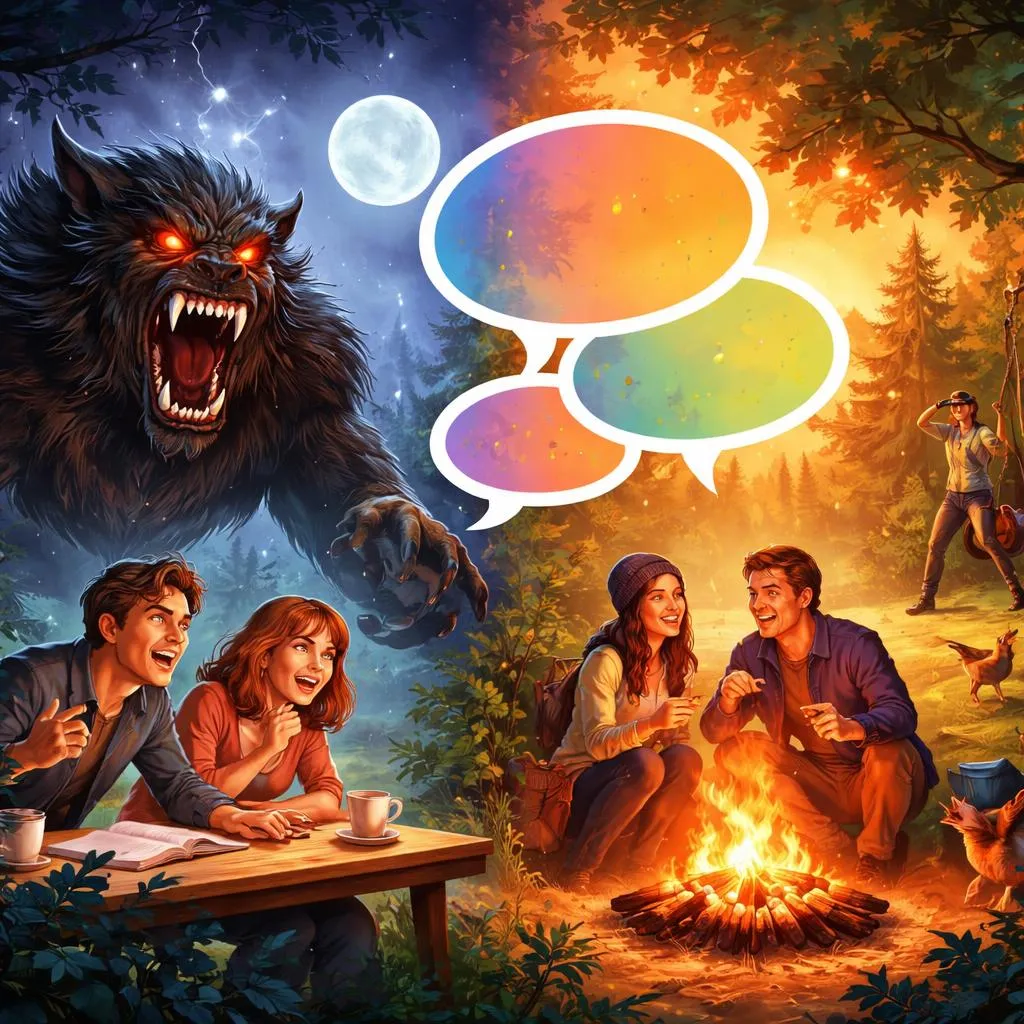

English learners often meet words that seem related but carry very different feelings. The expressions “beast to” and “wild to” can confuse children because both connect to nature, animals, and strong behavior. However, native speakers do not use these words in the same way. One usually describes a living creature. The other describes behavior, personality, or natural conditions. Learning these small differences helps children understand stories better and speak more naturally. Vocabulary is not only about meaning. It is also about tone, emotion, and situation. What Do These Expressions Mean? The phrase “beast to” comes from the word “beast.” A beast usually means a large, strong, or dangerous animal. For example:
“The knight fought beast to beast.”
“The angry beast roared loudly.”
Sometimes people also use “beast” to describe someone acting rough or powerful. The phrase “wild to” comes from the word “wild.” “Wild” describes something natural, uncontrolled, energetic, or untamed. For example:
“The horse ran wild to the forest.”
“The children became wild with excitement.”
A child-friendly explanation is simple:
“Beast” is usually a creature.
“Wild” usually describes behavior or condition.
The two expressions seem similar because beasts are often wild. Still, the words play different roles in sentences. What’s the Difference? The biggest difference comes from function. “Beast” is mainly a noun. It names a creature. “Wild” is usually an adjective. It describes how something acts or feels. One word names something. The other word describes something. Here is a simple comparison: ExpressionWord TypeMain MeaningCommon Feelingbeast tonouna strong or dangerous creaturepowerful or scarywild toadjectiveuncontrolled or natural behaviorfree or energetic Another difference comes from emotion. “Beast” often sounds stronger and darker. For example:
“A terrible beast appeared.”
This sounds dangerous. “Wild” can sound exciting or natural. For example:
“The wild river moved quickly.”
This sounds energetic, not always scary. When Do We Use Each One? Children may hear “beast to” in fantasy stories, adventure books, or dramatic conversations. For example:
“The hero battled beast to beast.”
“A giant beast guarded the castle.”
Movies and games often use “beast” for strong creatures because it creates excitement. “Wild to” appears more often in everyday English. At school:
“The class became wild after lunch.”
“Wild animals live in forests.”
At home:
“The puppy acted wild in the garden.”
“The wind grew wild during the storm.”
Children should remember this idea:
“Beast” usually names something powerful.
“Wild” usually describes energy or lack of control.
Why Tone Matters in English Words create feelings in readers and listeners. Writers choose “beast” when they want strength, fear, or drama. For example:
“The beast crashed through the trees.”
Readers imagine danger immediately. Writers choose “wild” when they want freedom, excitement, or natural energy. For example:
“The children danced wildly in the rain.”
This sounds playful and lively. Tone changes how people experience language. Children who notice tone become better readers and storytellers. Example Sentences for Kids Here are simple examples using “beast to.”
“The beast climbed the mountain.”
“A fierce beast scared the travelers.”
“The story showed beast to beast battles.”
Now look at examples using “wild to.”
“The puppy ran wild in the yard.”
“Wild animals need safe forests.”
“The kids became wild during the game.”
Children may notice that “beast” sounds more dramatic. “Wild” sounds more descriptive and flexible. How Stories Use “Beast” Fantasy and adventure stories often use “beast” because the word feels powerful. Readers may imagine:
dragons
giant wolves
magical monsters
dangerous creatures
For example:
“The snowy beast guarded the cave.”
The word creates tension and mystery. Sometimes “beast” also describes behavior. For example:
“He played like a beast in the final game.”
In this sentence, “beast” means extremely strong or impressive. This usage appears more often in informal modern English. How Daily English Uses “Wild” The word “wild” appears in many common situations. Children hear phrases like:
“wild weather”
“wild animals”
“wild imagination”
“wild excitement”
The word does not always mean dangerous. Sometimes it simply means energetic or natural. For example:
“She has a wild imagination.”
This sounds creative and positive. Because “wild” has many meanings, context is very important. Common Mistakes to Avoid One common mistake is using “beast” for every animal. Incorrect:
“My hamster is a small beast.”
Better:
“My hamster is a small animal.”
“Beast” usually sounds stronger or more dramatic than ordinary pet words. Another mistake is thinking “wild” only means dangerous. Incorrect:
“Wild always means scary.”
Correct:
“Wild can mean natural, free, energetic, or uncontrolled.”
Children should also avoid using “wild” where “beast” is needed. Incorrect:
“A huge wild attacked the village.”
Correct:
“A huge beast attacked the village.”
Remember:
“Beast” names the creature.
“Wild” describes the condition or behavior.
Easy Memory Tips A simple trick can help children remember the difference. Think about this:
“Beast” = big creature
“Wild” = strong behavior
Another fun memory tip: “Wild” sounds like wind moving freely through nature. “Beast” sounds heavy and powerful like a monster in a story. Children can also remember:
stories use “beast” for drama
daily life uses “wild” for energy and nature
Short memory images help vocabulary stay clear. Why Vocabulary Feelings Help Reading Skills Strong readers notice emotional details in words. Compare these sentences:
“The animal walked slowly.”
“The beast walked slowly.”
The second sentence feels more intense. Now compare:
“The children laughed loudly.”
“The children laughed wildly.”
The second sentence feels more energetic. Small vocabulary changes create different pictures in the reader’s mind. Children who understand these feelings become more confident readers and writers. Quick Practice Time Choose the Correct Word
The dragon was a dangerous _____.
A. beast B. pillow Correct answer: A
The children became _____ during the party.
A. wild B. notebook Correct answer: A Fill in the Blank
Wild animals live in the _____.
Answer: forest
The giant _____ roared at the hero.
Answer: beast How Children Can Practice These Words Naturally Children can learn vocabulary through books, cartoons, and conversations. Adventure stories help learners understand “beast.” Nature programs and daily conversations help learners understand “wild.” Listening to how native speakers use these words makes the differences easier over time. Children do not need to memorize difficult rules immediately. They simply need to notice patterns. The more they read and listen, the more natural English vocabulary becomes. Learning tone and feeling is an important step toward advanced language skills. Wrap-up “Beast” usually names a strong or dangerous creature, while “wild” describes natural, energetic, or uncontrolled behavior and conditions.