
原诗:
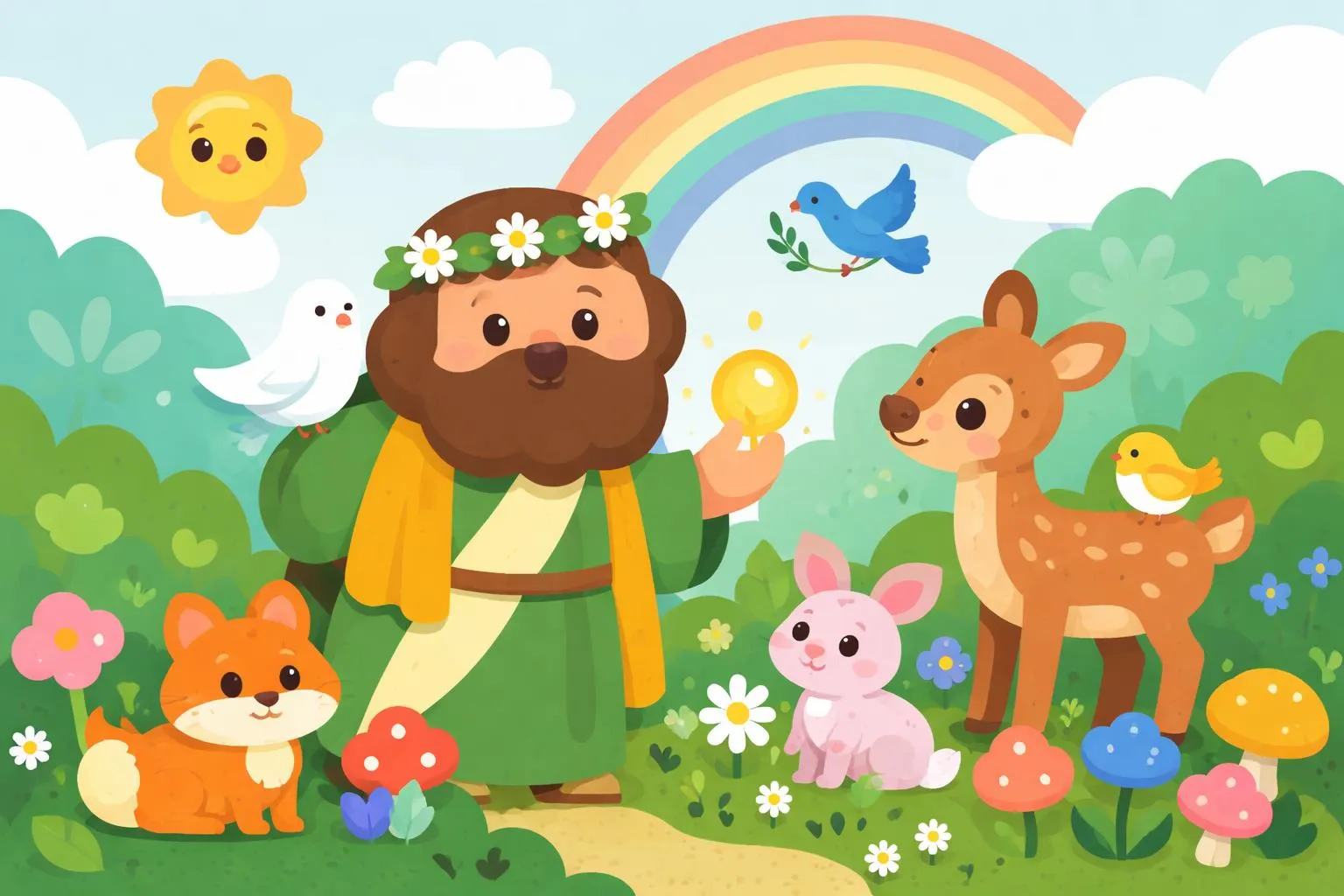
Radiant child of Leto, farworking Lord Apollo,
with lyre in hand and golden plectrum, you sang to the gods
on Mount Olympus almost as soon as you were born.
You sang, and the Muses sang in answer, and together
your voices so delighted all your deathless elders
that their perfect happiness was made more perfect still.
What was it, though, that overwhelmed them, that suffused,
astonished, even the endless ether? Was it the freshest,
most wonderful stops of breath, the flawless intervals
and scales whose harmonies were mimicking in sound
the beauty of the gods themselves, or what you joined
to that, what you were singing of, our balked desires,
the miseries we suffer at your indifferent hands,
devastation and bereavement, old age and death?
Farworking, radiant child, what do you know about us?
Here is my father, half blind, and palsied, at the toilet,
he’s shouting at his penis, Piss, you! Piss! Piss!
but the penis (like the heavenly host to mortal prayers)
is deaf and dumb; here, too, my mother with her bad knee,
on the eve of surgery, hobbling by the bathroom,
pausing, saying, who are you talking to in there?
and he replies, no one you would know, sweetheart.
Supernal one, in your untested mastery,
your easy excellence, with nothing to overcome,
and needing nothing but the most calamitous
and abject stories to prove how powerful you are,
how truly free, watch them as they laugh so briefly,
godlike, better than gods, if only for a moment
in which what goes wrong is converted to a rightness,
if only because now she’s hobbling back to bed
where she won’t sleep, if only because he pees at last,
missing the bowl, and has to get down on his knees
to wipe it up. You don’t know anything about us.
诗歌的分析与解读
这首诗讲述了阿波罗,希腊神话中音乐、预言和治疗的光辉之神。它开始时赞美阿波罗的神圣音乐才能,描述他在出生之时便在奥林匹斯山上向众神歌唱,伴随着缪斯的和声。他们和谐的声音提升了不朽神灵的快乐,暗示了阿波罗艺术的力量与美丽。
然而,诗歌很快转变了语调,质疑阿波罗对人类苦难的真正理解。它将神的完美、轻松的掌控与凡人生活的严酷现实——疾病、衰老、身体衰退和死亡进行对比。诗人生动地描绘了亲密而痛苦的场景:一位父亲与瘫痪和失禁作斗争,一位母亲在手术前因膝盖疼痛而跛行。这些时刻揭示了人类存在的脆弱与屈辱,是阿波罗的神圣完美所无法理解的。
这首诗批评了神对人类苦难的超然,暗示阿波罗的艺术和力量不足以完全理解或缓解真实人们的日常挣扎。在困境中短暂的欢笑和尊严时刻是珍贵但稍纵即逝的,突显了尽管脆弱,人类精神的韧性。
背景与作者介绍
这首诗是对古典神话的现代反思,将古老主题与当代人类经验相结合。作者以阿波罗作为理想美与神圣力量的象征,然后将其与人类生活的原始和常常痛苦的现实进行对比。这种技巧邀请读者重新思考神话人物在理解现代存在中的相关性。
这位诗人以生动的意象和情感的诚实著称,探索死亡、痛苦和人类状况的主题。通过将神圣与平凡并置,作者挑战读者去同情那些神通常忽视的生活中不完美和脆弱的方面。
对儿童和学生的启示与教训
从这首诗中,儿童和学生可以学习到几个重要的教训:
- 同情与怜悯: 诗歌鼓励读者认识到他人的挣扎,尤其是老年人或病人,培养同情心。
- 生活的不完美: 它教导我们生活包括艰辛和脆弱,这是自然且共同的人类经历。
- 理想主义的局限: 阿波罗的完美与人类脆弱之间的对比表明,即使伟大也无法抹去痛苦。
- 韧性与尊严: 尽管面临困难,快乐与尊严的时刻依然存在,突显人类的力量。
生活与学习中的实际应用
- 在日常生活中: 理解家庭成员,尤其是年长亲属所面临的挑战,可以鼓励耐心和善良。
- 在文学学习中: 这首诗是古典神话如何用于探索现代主题的一个例子。
- 在健康教育中: 它使学生对身体残疾及衰老和疾病的情感影响更加敏感。
- 在创意写作中: 学生可以学习如何使用对比和意象来加深他们作品的情感影响。
阅读理解问题
- 诗中主要的神性人物是谁?
- 阿波罗演奏什么乐器?
- 缪斯如何回应阿波罗的歌唱?
- 诗歌将哪些人类经历与阿波罗的神圣完美进行对比?
- 描述诗中一个展示人类脆弱的例子。
- 诗歌关于神与人类关系的整体信息是什么?
- 诗歌如何描绘在痛苦中的幸福时刻?
- 为什么诗人说阿波罗“对我们一无所知”?
阅读理解问题的答案
- 主要的神性人物是阿波罗,音乐和预言之神。
- 阿波罗演奏竖琴,用金色的拨片。
- 缪斯在阿波罗的歌声中回应,创造出和谐的二重唱,令众神欢愉。
- 诗歌将阿波罗的完美与人类的痛苦、衰老、疾病和死亡进行对比。
- 一个例子是那位半盲且瘫痪的父亲,正在与失禁作斗争。
- 诗歌暗示像阿波罗这样的神是超然的,无法完全理解人类的痛苦。
- 幸福的时刻是短暂而脆弱的,例如在困境中短暂的欢笑或小胜利。
- 因为阿波罗的神圣掌控是未经过真实人类挣扎的考验,他无法真正理解凡人生活的复杂性。
这首诗深刻地冥想了神圣理想与人类现实之间的鸿沟,邀请读者欣赏在日常生活中尽管面临不可避免的挑战而展现出的韧性与尊严。