
When Is It Correct to Use “Near” and “Close” Instead of Each Other?
Children learn “near” early. They also learn “close”. These two words seem the same. Many parents wonder if “near and close” are always interchangeabl ...
Read MoreChildren learn “near” early. They also learn “close”. These two words seem the same. Many parents wonder if “near and close” are always interchangeabl ...
Read More
Children learn “deep” early. Then they meet its opposites. “Shallow and superficial” both mean not deep. But they are not the same. A shallow pool is ...
Read More
Children learn “deep” early. They use it for water, holes, and sounds. Then they meet “profound”. This word sounds grown-up and serious. Many parents ...
Read More
Children learn “light” early. They use it for weight and color. Then they meet “airy”. This word sounds fresh and open. Many parents wonder if “light ...
Read More
Children learn “thin” early. Then they meet nicer words. “Slim and slender” are two of them. Both mean thin in an attractive way. But they are not exa ...
Read More
Children learn “big” early. Then they meet more specific words. “Heavy and weighty” are two of them. Both describe something with mass. But they are n ...
Read More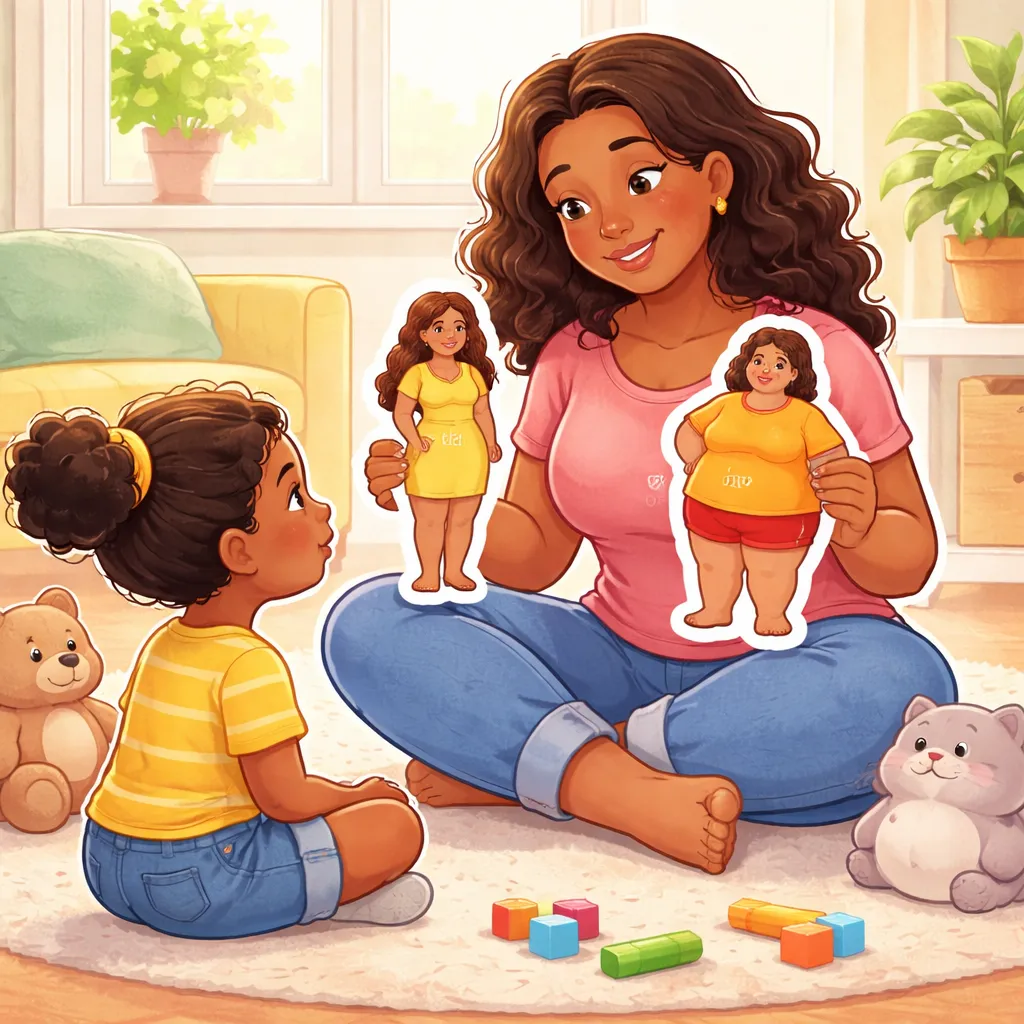
Children learn “big” early. Then they meet more specific words. “Thick and fat” are two of them. Both describe something large in one direction. But t ...
Read More
Children learn “small” early. Then they meet more specific words. “Narrow and thin” are two of them. Both describe a lack of width. But they are not t ...
Read More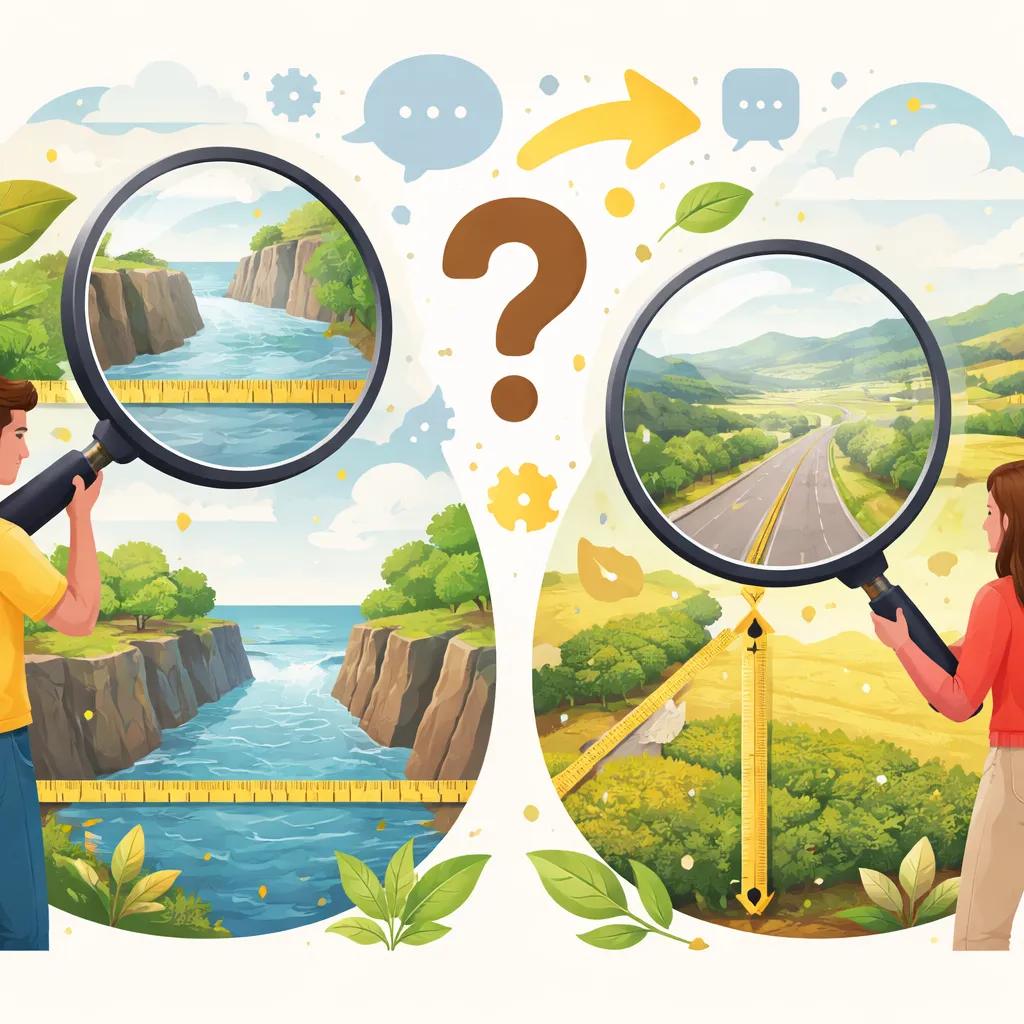
Children learn “wide” early. They use it for roads, rivers, and smiles. Then they meet “broad”. This word sounds similar but feels different. Many par ...
Read More
Children learn “short” early. They use it for many things. Short hair. Short line. Short nap. Then they meet “brief”. This word sounds more grown-up. ...
Read More
Children learn “long” early. They use it for many things. A long road. A long movie. A long nap. Then they meet “lengthy”. This word sounds similar. B ...
Read More
Children learn “tall” and “high” first. Then they meet “low and short”. These words describe the opposite of height. But they are not the same. A shor ...
Read More