
Why Do Sailors Say “Right” and “Starboard” Instead of Using One Word?
Children learn “right” early. They use it for hands, turns, and answers. Then they meet “starboard”. This word sounds long and funny. Many parents ask ...
Read MoreChildren learn “right” early. They use it for hands, turns, and answers. Then they meet “starboard”. This word sounds long and funny. Many parents ask ...
Read More
Children learn “middle” early. They use it for lines, seats, and stories. Then they meet “center”. This word sounds more precise. Many parents ask if ...
Read More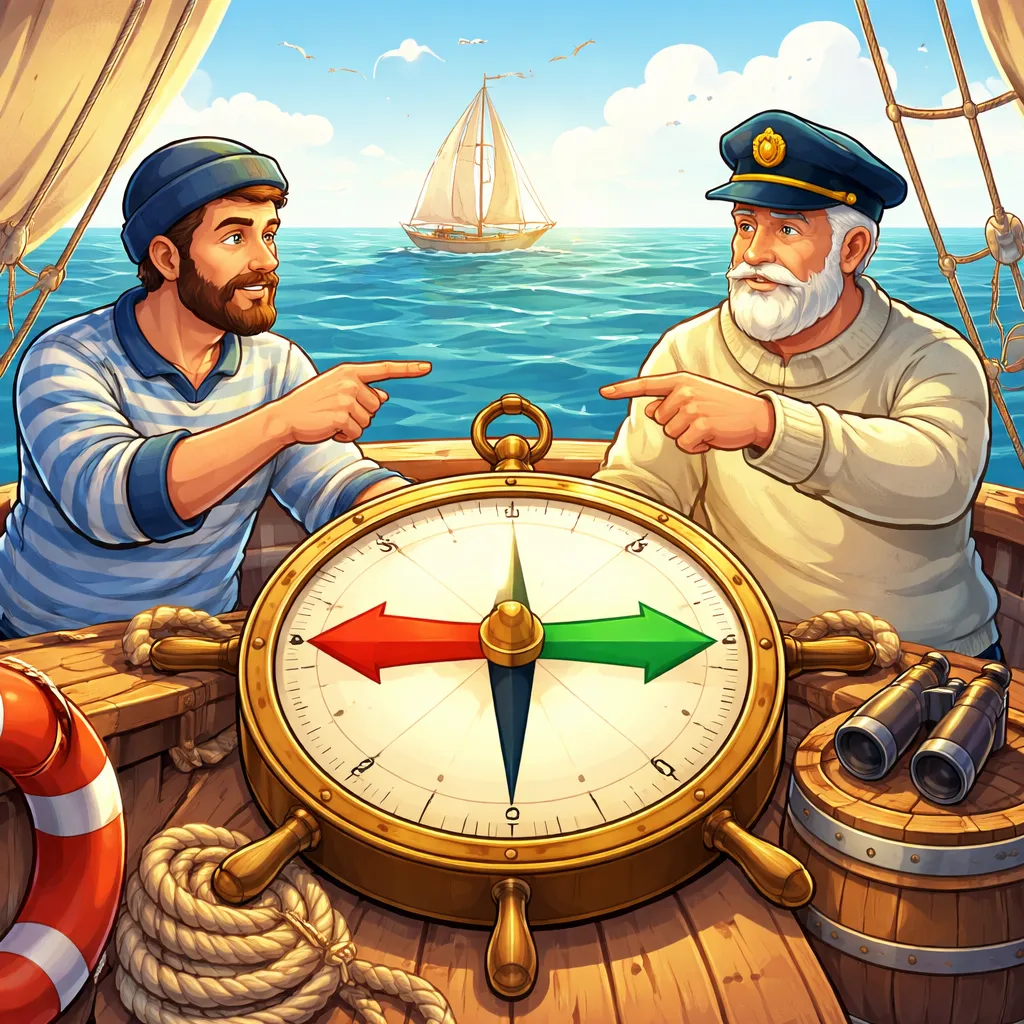
Children learn “left” early. They use it for hands, turns, and sides. Then they meet “port”. This word sounds strange at first. Many parents ask why s ...
Read More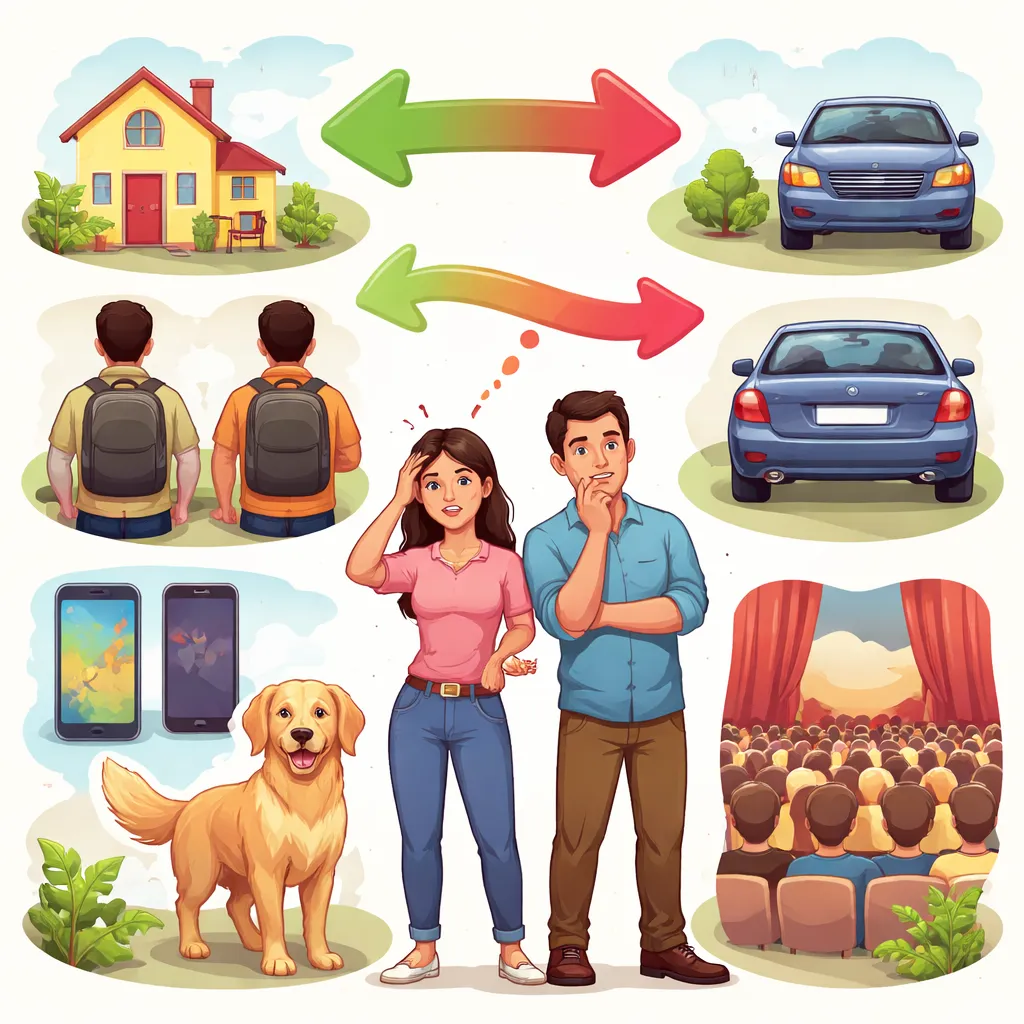
Children learn “back” early. They use it for chairs, hands, and lines. Then they meet “rear”. This word sounds more formal. Many parents ask if “back ...
Read More
Children learn “front” early. They use it for lines, shirts, and houses. Then they meet “forward”. This word means movement. Many parents ask if “fron ...
Read More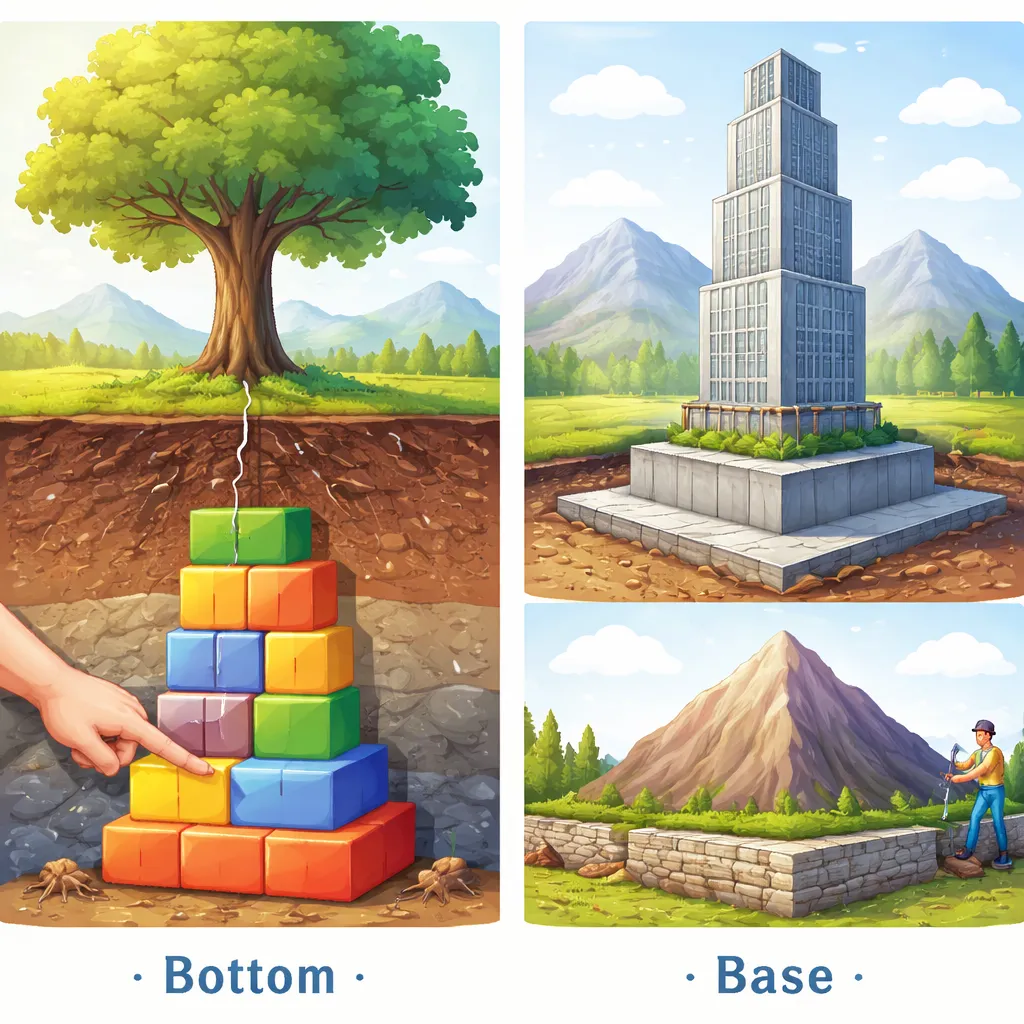
Children learn “bottom” early. They use it for cups, beds, and the ocean. Then they meet “base”. This word sounds more structural. Many parents ask if ...
Read More
Children learn “top” early. They use it for toys, tables, and their own heads. Then they meet “summit”. This word sounds special and important. Many p ...
Read More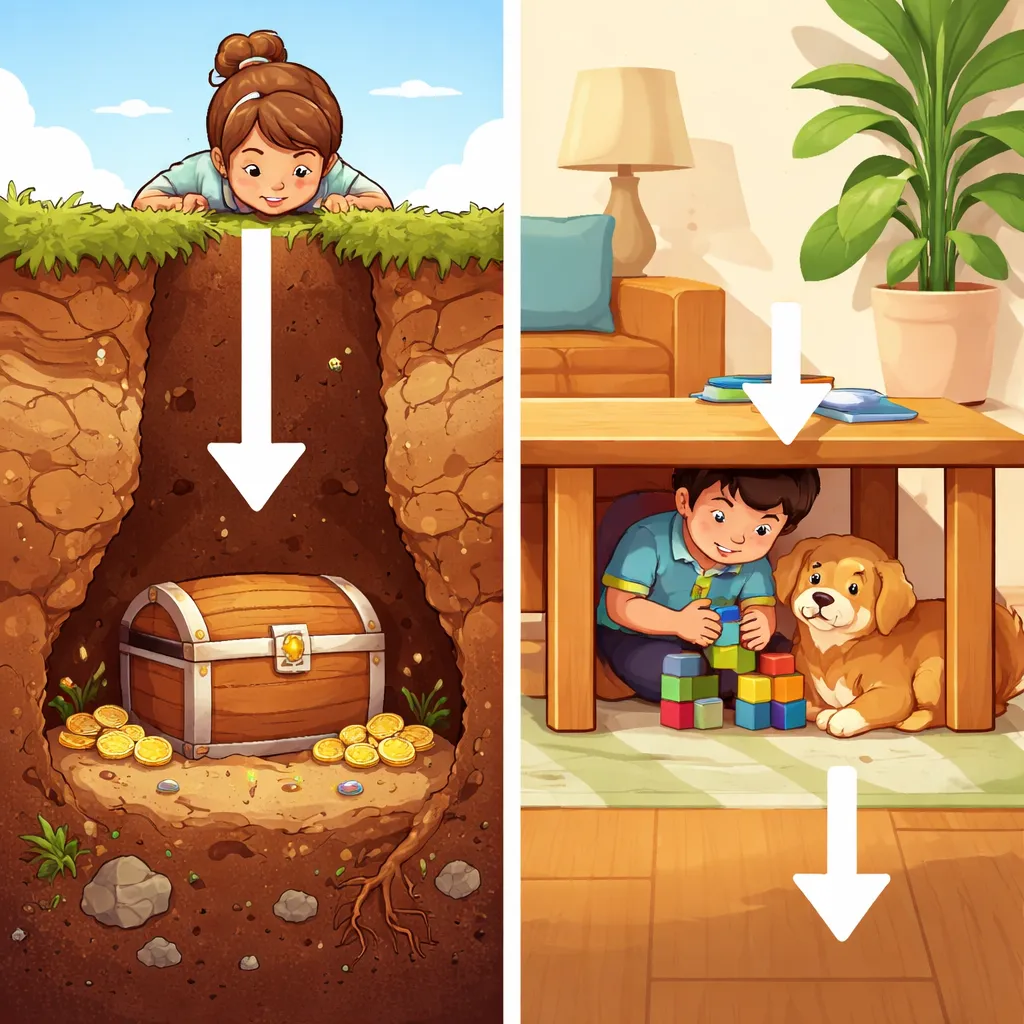
Children learn “down” early. Then they meet “below” and “under”. These words seem the same. Many parents ask if “below and under” are interchangeable. ...
Read More
Children learn “above” early. They also learn “over”. These two words seem the same. Many parents wonder if “above and over” are always interchangeabl ...
Read More
Children learn “outside” early. They use it for play and doors. Then they meet “beyond”. This word sounds more mysterious. Many parents ask if “outsid ...
Read More
Children learn “in” very early. Then they meet “inside” and “within”. These words seem similar but not the same. Many parents ask if “inside and withi ...
Read More
Children learn “far” early. They use it for distance. Then they meet “distant”. This word sounds more grown-up. Many parents ask if “far and distant” ...
Read More