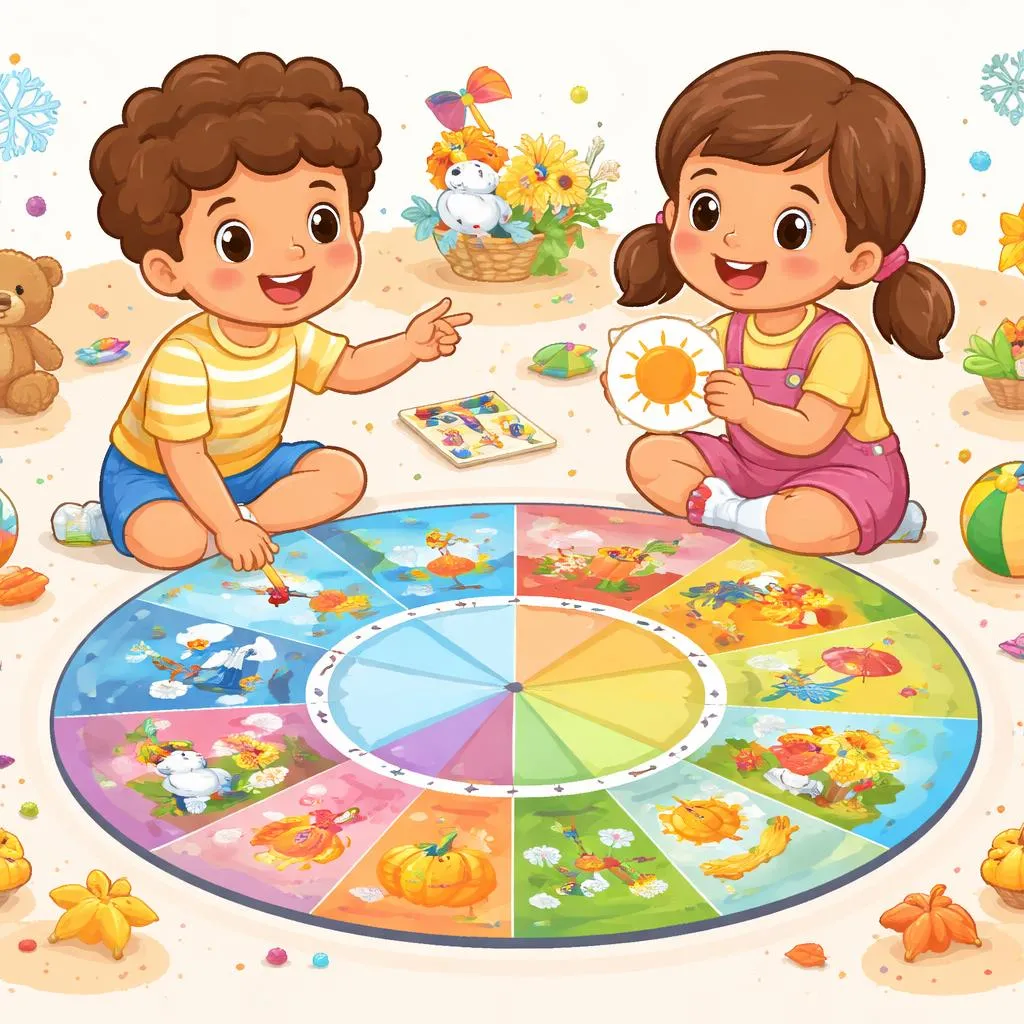

Hello, young calendar explorers and wonderful teachers! Today we journey through time. Not through hours or days, but through months. The twelve months make up a year. Each month has its own name, weather, and special days. Learning the months of years helps children understand time. It helps them know when birthdays come. It helps them anticipate holidays and seasons. The months give structure to our lives. Let us discover January through December together. Let us learn their names, order, and what makes each month special.
What Are the Months of Years? The months of years are the twelve named periods that make up a calendar year. They come in a fixed order that repeats every year. The names are January, February, March, April, May, June, July, August, September, October, November, and December.
Each month has a different number of days. Most months have 31 or 30 days. February has 28 days, except in leap years when it has 29. Children learn these patterns over time.
Months help us organize time beyond weeks. We talk about what happens in each month. Birthdays, holidays, seasons, and special events all belong to specific months. Learning the months helps children make sense of the yearly cycle.
Meaning and Explanation of Month Names Each month name has history and meaning. Understanding this can make learning more interesting.
January is named after Janus, a Roman god with two faces. He looks back at the old year and forward to the new. January is the first month of the year.
February comes from a Roman word for purification. It was a time for cleaning and getting ready for spring. February is the shortest month.
March is named after Mars, the Roman god of war. In many places, March brings the first signs of spring. The weather often becomes milder.
April comes from a Latin word meaning "to open." Flowers and trees begin to open in April. Spring is in full swing.
May is named after Maia, a Roman goddess of growth. Plants grow quickly in May. Flowers bloom everywhere.
June is named after Juno, the Roman goddess of marriage and birth. Many weddings happen in June.
July was named after Julius Caesar. He was born in this month. July is often hot in many places.
August was named after Augustus Caesar. He was the first Roman emperor. August continues the summer heat.
September comes from a Latin word meaning "seven." In the old Roman calendar, it was the seventh month. Now it is the ninth.
October means "eight" in Latin. It was the eighth month in the old calendar. Now it is the tenth.
November means "nine" in Latin. It was the ninth month. Now it is the eleventh.
December means "ten" in Latin. It was the tenth month. Now it is the twelfth.
Categories or Lists of Monthly Concepts Organizing ideas about months helps children understand their world.
Months by Season: Spring months: March, April, May Summer months: June, July, August Autumn months: September, October, November Winter months: December, January, February
Months by Number of Days: 31 days: January, March, May, July, August, October, December 30 days: April, June, September, November 28 or 29 days: February
Months with Holidays: January: New Year's Day February: Valentine's Day March: St. Patrick's Day April: Easter (sometimes) May: Mother's Day June: Father's Day July: Independence Day (in the US) September: Labor Day October: Halloween November: Thanksgiving (in the US) December: Christmas, Hanukkah, Kwanzaa
Months with Birthdays: Every child has a birthday month. Talking about birthdays makes months personal and meaningful.
Daily Life Examples of Months Months appear throughout daily conversation. Pointing them out helps children learn naturally.
When discussing birthdays, use month names. "Your birthday is in May." "Grandma's birthday is in November." Children learn to associate months with celebrations.
During calendar time, name the current month. "Today is March 15th. We are in the month of March." Point to the month name on the calendar.
When seasons change, talk about the months. "It is getting colder because we are in December now." "Spring starts in March." This connects months to weather.
When holidays approach, name the month. "Halloween is in October." "Christmas is in December." Children anticipate these special days.
At the start of a new month, announce it. "It is April now! A new month has begun." This builds awareness of time passing.
Printable Flashcards for Months Flashcards help children learn month names visually. They provide clear words with supporting images.
Month Name Flashcards: Create cards for each month. January, February, March, and so on. Use a different color or picture for each month. This helps visual memory.
Season Flashcards: Create cards showing the four seasons. Children match months to the correct season. March, April, May go with spring. This builds understanding of the yearly cycle.
Holiday Flashcards: Create cards showing major holidays. Match each holiday to its month. Halloween to October. Christmas to December. This makes months meaningful.
Number Flashcards: Create cards with numbers 1-12. Children match each month to its number. January is 1, February is 2, and so on. This reinforces order.
Use the cards for games. Put them in order. Play memory match. Sort by season. The possibilities are endless.
Learning Activities or Games for Months Games make learning months of years fun and interactive.
Months Hopscotch: Draw a hopscotch grid with month names instead of numbers. Children hop to each month as they say the names. This combines movement with learning.
What Month Is Missing?: Place month cards in order. Children close their eyes. Remove one card. They open their eyes and guess which month is missing. This builds observation and memory.
Birthday Line Up: Have children line up in order of their birthday months. January birthdays first, then February, and so on. This builds month order and social skills.
Monthly Weather Chart: Each day, record the weather. At the end of the month, look back at the weather patterns. This connects months to real observations.
Months Song: Sing a months song. There are many versions. The tune of "Ten Little Indians" works well. "January, February, March, April, May, June, July, August, September, October, November, December." Singing makes learning easier.
Printable Materials for Months Printable resources support learning about months. They provide visual structure.
Monthly Calendar: Create a simple calendar for each month. Children can mark special days. This builds familiarity with month names and order.
Months of the Year Wheel: Create a wheel showing the months in order. Children can spin it to show the current month. This helps visualize the cycle of the year.
Months Posters: Create colorful posters for each month. Include the name, season, and typical holidays or weather. Display them around the room.
Months Tracing Pages: Create pages where children trace the month names. This builds writing skills alongside reading.
Educational Games for Months Games extend learning and make it joyful.
Month Bingo: Create bingo cards with month names. Call out events or descriptions. "The month of New Year's Day." Children cover January. "The month of Halloween." Children cover October. This builds association skills.
Month Memory: Place month cards face down. Children flip two trying to find matching months. When they find a match, they say the month name. This builds memory and recognition.
Before and After: Say a month name. Children respond with the month before and after. "March. Before is February. After is April." This builds sequence understanding.
Month Scavenger Hunt: Hide month cards around the room. Children find them and bring them to a central place. Then they put them in order from January to December. This combines movement with learning.
Season Sorting: Place four baskets labeled with seasons. Give children month cards. They sort each month into the correct season basket. This builds understanding of the yearly cycle.
New Month Creation: Challenge children to create a new month. What would they name it? What would happen in that month? Where would it go in the year? This builds creativity and language skills.
Through these activities, children learn the months of years in joyful ways. They understand the order and rhythm of the year. They know when their birthday comes. They anticipate holidays and seasonal changes. The months become familiar friends that come in order every year. Children gain a sense of time and anticipation. They understand that the year has a pattern that repeats. This knowledge helps them feel secure in the flow of time.