
Whenever the moon and stars are set, Whenever the wind is high, All night long in the dark and wet, A man goes riding by. Late in the night when the fires are out, Why does he gallop and gallop about? Whenever the trees are crying aloud, And ships are tossed at sea, By, on the highway, low and loud, By at the gallop goes he. By at the gallop he goes, and then By he comes back at the gallop again.
Story Background and Author Introduction
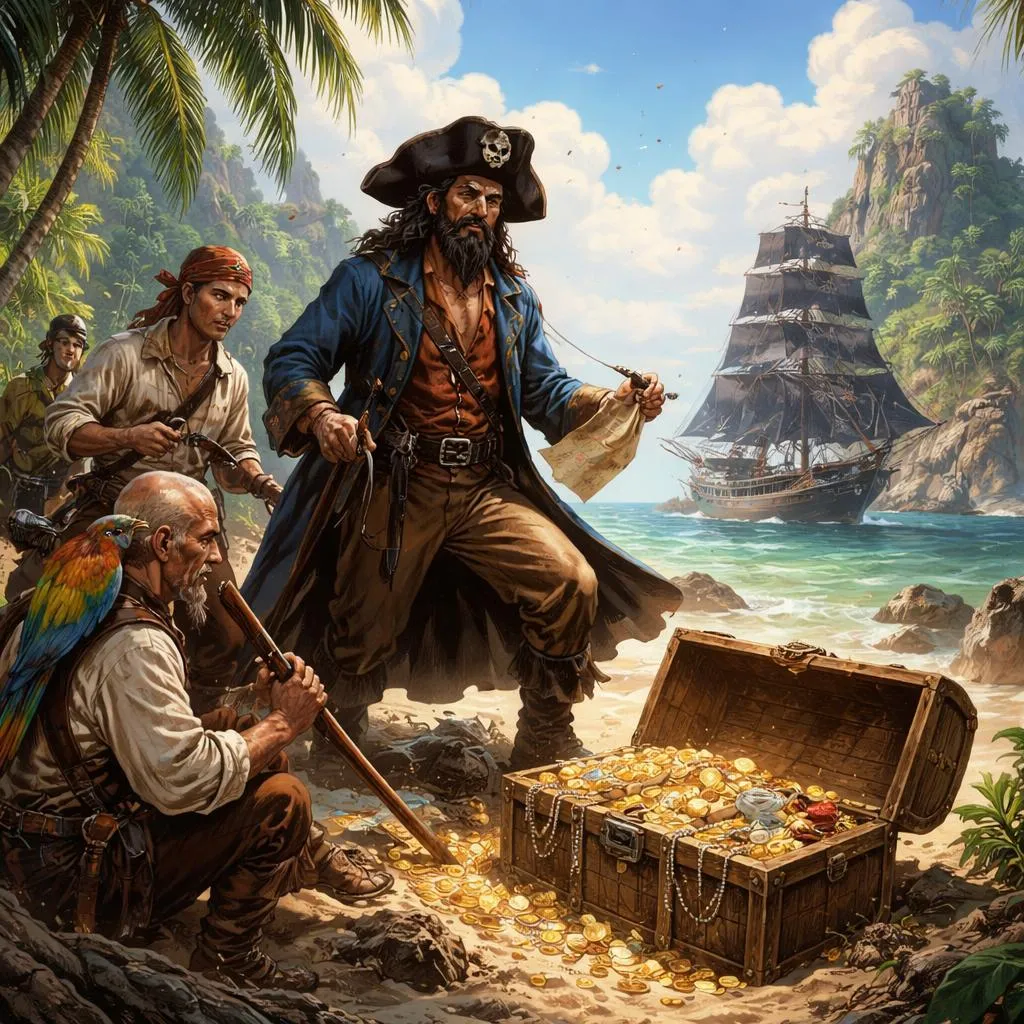
This poem is an excerpt from "The Highwayman," a narrative poem written by Alfred Noyes in 1906. Alfred Noyes was a British poet known for his lyrical and narrative poetry that often captured dramatic and romantic themes. "The Highwayman" is one of his most famous works and tells the story of a dashing highwayman (a robber who traveled by horse) and his tragic love for Bess, the landlord's daughter. The poem is set in a dark, stormy night, evoking mystery and suspense.
Detailed Interpretation and Meaning
The poem describes the highwayman riding through the night, under the moon and stars, with the wind howling and the trees seeming to cry. The repeated galloping of his horse creates a rhythmic, almost haunting sound that echoes through the darkness. This imagery builds tension and anticipation, suggesting danger and urgency.
The highwayman symbolizes bravery, adventure, and sometimes rebellion against authority. Yet, the poem also hints at loneliness and the risks of living a life outside the law. The setting—nighttime, storms, and the sea—adds to the mood of uncertainty and suspense.
What Children and Students Can Learn
-
Imagination and Creativity: The vivid imagery in the poem encourages children to visualize scenes, sounds, and emotions, enhancing their creative thinking and imagination.
-
Understanding Rhythm and Sound: The poem’s rhythm mimics the galloping horse, helping young learners appreciate how poetry uses sound to create mood and pace.
-
Themes of Courage and Adventure: The highwayman’s journey teaches about bravery and facing challenges, inspiring children to be courageous in their own lives.
-
Consequences and Choices: The story also subtly introduces the idea that choices have consequences, an important lesson for students as they grow and make decisions.
Applying Lessons in Life, Learning, and Social Situations
-
In Life: Children can learn the value of courage when facing fears or new experiences, just like the highwayman rides through the dark night despite danger.
-
In Learning: The poem encourages curiosity about storytelling, history, and poetry, motivating students to explore literature and express themselves creatively.
-
In Social Settings: Understanding the emotions and motivations of characters helps children develop empathy and better communication skills.
Cultivating Positive Spirit and Behavior
-
Bravery: Encourage children to try new things and stand up for what is right, inspired by the highwayman’s fearless spirit.
-
Respect for Nature: The poem’s references to the wind, trees, and sea can foster a love and respect for the natural world.
-
Appreciation for Art and Storytelling: By engaging with poems like this, children learn to appreciate language, rhythm, and narrative, which enrich their emotional intelligence and cultural awareness.
Conclusion
"The Highwayman" is more than just a story about a man riding at night; it is a rich, evocative poem that teaches children about courage, imagination, and the power of storytelling. By exploring its themes and imagery, young readers can develop important life skills and values that will help them in their personal growth and social interactions.