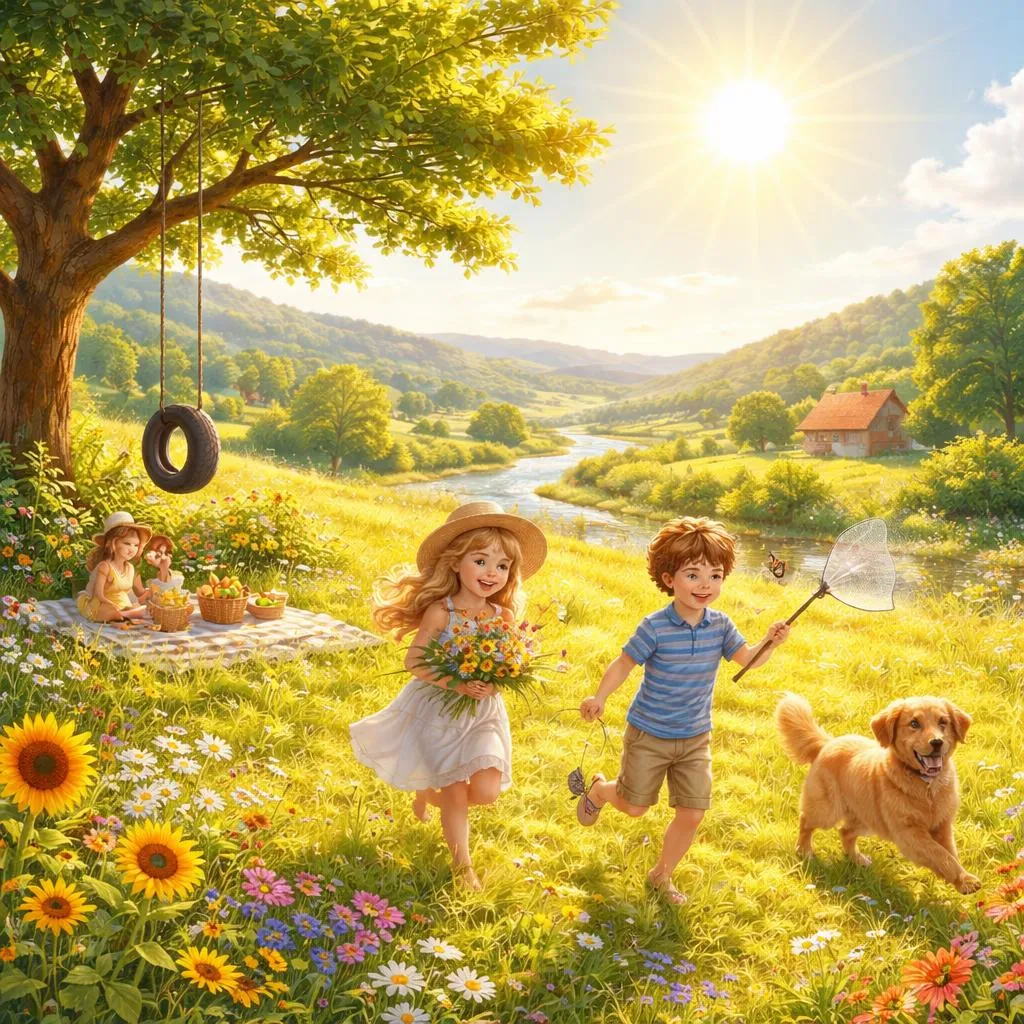

I saw you toss the kites on high
And blow the birds about the sky;
And all around I heard you pass,
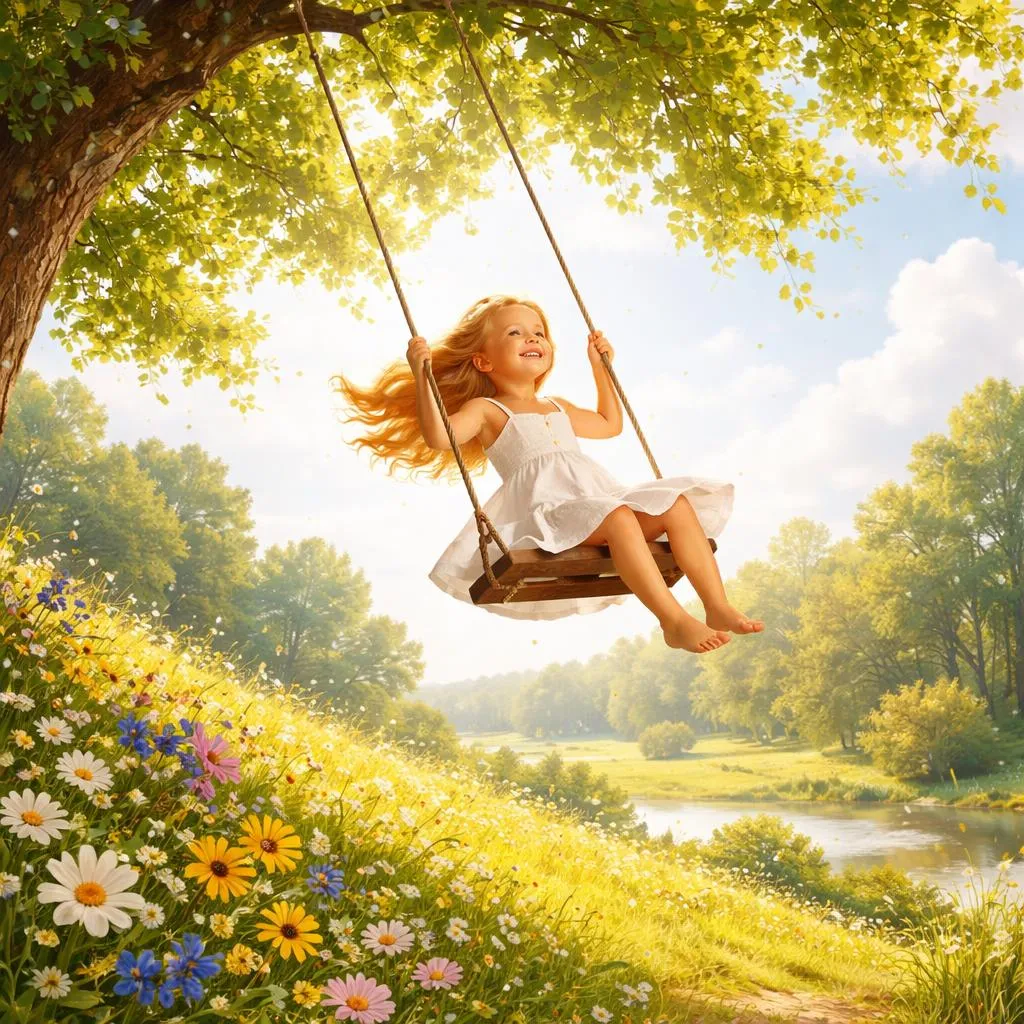
Like ladies’ skirts across the grass—
O wind, a-blowing all day long,
O wind, that sings so loud a song!
I saw the different things you did,
But always you yourself you hid.
I felt you push, I heard you call,
I could not see yourself at all—
O wind, a-blowing all day long,
O wind, that sings so loud a song!
O you that are so strong and cold,
O blower, are you young or old?
Are you a beast of field and tree,
Or just a stronger child than me?
O wind, a-blowing all day long,
O wind, that sings so loud a song!
Introduction to the Poem
This beautiful poem, "The Wind," captures the mysterious and powerful nature of the wind through the eyes of a curious child. The poem describes how the wind moves things around, yet remains invisible itself. It invites readers, especially children and students aged 3 to 18, to imagine the wind as a playful, strong, and sometimes mysterious force of nature.
Background and Author Introduction
This poem was written by Christina Rossetti, a famous English poet from the 19th century. Rossetti is well-known for her simple yet deeply emotional poems that often explore nature, childhood, and spirituality. She wrote many poems and stories for children, making complex feelings and ideas accessible to young readers.
Detailed Interpretation and Meaning
The poem uses vivid imagery to show how the wind interacts with the world: tossing kites, blowing birds, and moving grass like skirts. The wind is described as both strong and cold, yet also playful and mysterious. The child speaker wonders if the wind is young or old, a beast or a child, highlighting how the wind is an invisible force that can be felt but never seen.
The poem teaches us about the power of nature and encourages curiosity about the world around us. It also reflects on the idea that some things, like the wind or feelings, can be powerful yet unseen, which is an important lesson for children as they learn to understand their own emotions and the environment.
What Children and Students Can Learn
- Curiosity and Observation: The poem encourages children to observe the natural world carefully and to ask questions about what they see and feel.
- Imagination: By imagining the wind as a playful or mysterious being, children learn to use their creativity.
- Understanding Invisible Forces: The poem helps children grasp that some important things—like wind, feelings, or even kindness—can’t always be seen but can be experienced.
- Language and Poetry Appreciation: The rhythm and repetition in the poem make it enjoyable to read aloud, helping children develop a love for poetry and language.
How to Apply These Lessons in Life
- In Learning: Children can practice observing nature during walks or outdoor activities, noting how the wind affects trees, leaves, or even their own hair.
- In Social Settings: Understanding invisible forces like feelings helps children develop empathy and kindness toward others, recognizing that emotions might not always be visible.
- In Creativity: Encouraging children to write their own poems or stories about nature or feelings can build confidence and expressive skills.
- In Problem-Solving: Just as the child in the poem wonders about the wind, students can learn to ask questions and explore answers, fostering critical thinking.
Cultivating Positive Spirit and Behavior
The poem’s spirit of wonder and respect for nature can inspire children to be more mindful and appreciative of the world around them. Teachers and parents can encourage this by:
- Taking time to explore nature together.
- Discussing how unseen things—like the wind or kindness—affect our lives.
- Encouraging children to express their feelings through art, poetry, or conversation.
- Reinforcing the idea that curiosity is a valuable trait that leads to learning and growth.
By embracing the lessons in this poem, children and students can develop a deeper connection to nature, improve their emotional intelligence, and cultivate a lifelong love of learning and creativity.