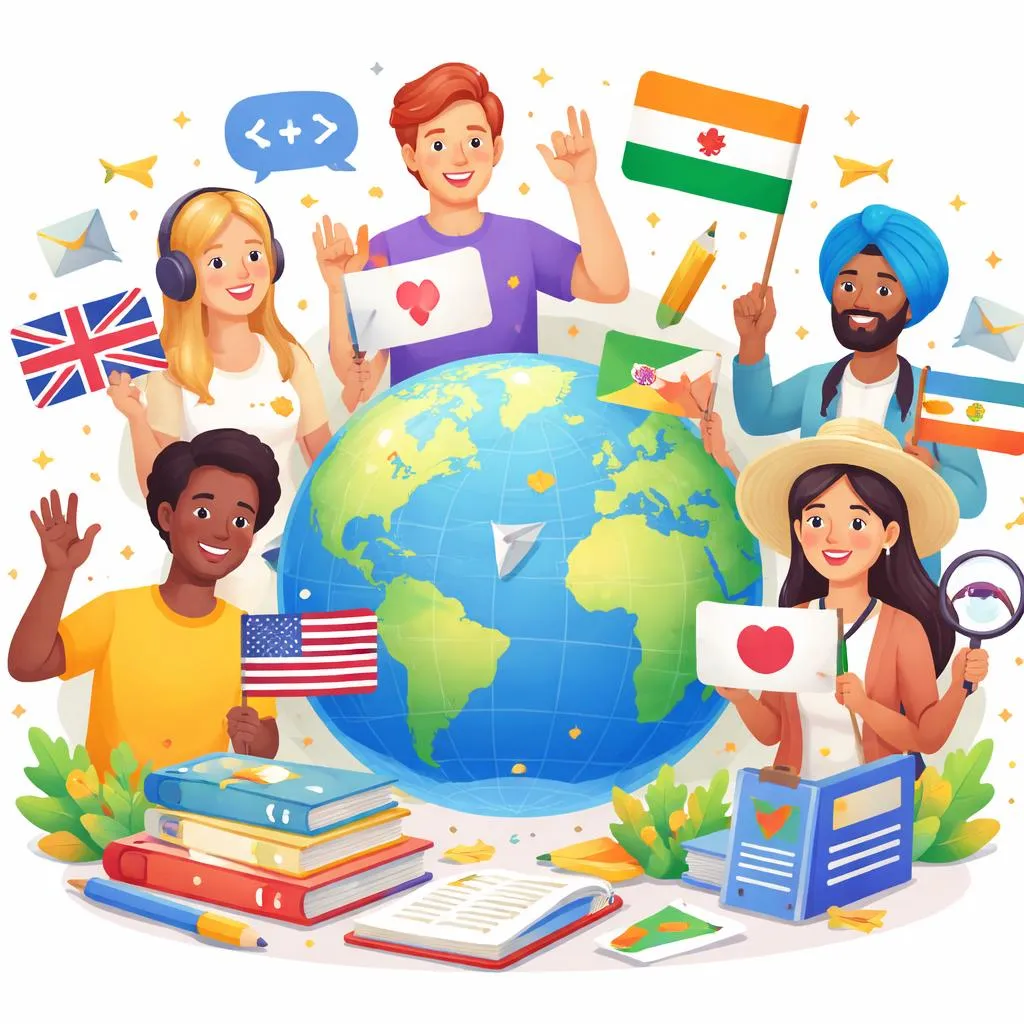

What Are Nationalities? Nationalities are words that describe where people come from. A nationality tells us the country someone belongs to. For example, An American is from the United States. A French person is from France. A Japanese person is from Japan. Children learn nationalities when they start to understand different countries. These words are used in everyday life. They help people talk about where they’re from. Nationalities are an important part of learning about the world.
Why Is Learning About Nationalities Important? Learning nationalities helps children understand people from different countries. It helps them recognize diversity. Knowing different nationalities allows children to communicate better with people from all over the world. It also helps in understanding different cultures. For example, learning that people from Italy are Italian helps children recognize the connection between a country and its people.
How Nationalities Are Formed Nationalities are often formed from the name of a country. For example: China becomes Chinese. Germany becomes German. Brazil becomes Brazilian. Some nationalities come from a country’s name, while others come from the language or culture of that country. Knowing these words helps children understand the connection between a country and its people.
Common Nationalities You Should Know Here are some common nationalities: American (from the United States) British (from the United Kingdom) Mexican (from Mexico) Canadian (from Canada) Australian (from Australia) French (from France) Spanish (from Spain) Italian (from Italy) Chinese (from China) Japanese (from Japan) Children learn these nationalities early because they are commonly used in the world.
Using Nationalities in Sentences Children can practice using nationalities in sentences. Here are some examples: I am American. She is French. We are Canadian. He is Brazilian. They are Mexican. These sentences are easy to remember and help children practice nationality words.
How to Ask About Nationalities Asking about nationality is a common question. Here’s how to ask: What is your nationality? Where are you from? Are you British? These are simple ways to ask someone about their nationality. It’s good to ask politely, and knowing how to ask this question helps children practice speaking.
Nationalities and Countries Each nationality belongs to a country. It is important to connect the nationality with its country. Here are some examples: American – from the United States. Canadian – from Canada. Japanese – from Japan. Italian – from Italy. This helps children learn both the name of the country and the name of the people from that country.
Nationalities and Languages Many nationalities are also connected to languages. For example: Spanish people speak Spanish. French people speak French. English people speak English. This helps children understand the relationship between a country and its language. It also shows the cultural differences between countries.
Nationalities Around the World Nationalities are not just for countries children already know about. There are many countries in the world, and each has its nationality. For example: People from India are Indian. People from Egypt are Egyptian. People from South Africa are South African. By learning these nationalities, children can talk about people from all over the world.
Comparing Nationalities Children can compare different nationalities. For example: An American might live in New York, but a French person lives in Paris. An Italian might eat pasta, while a Japanese person might eat sushi. Comparing different nationalities helps children learn about cultures, food, clothing, and traditions around the world.
Fun Facts About Nationalities Learning about nationalities can be fun! Here are some interesting facts: People from Brazil speak Portuguese, not Spanish. Australia has its own special accent called Australian English. People in Russia speak Russian and have their own alphabet. The United Kingdom is made up of England, Scotland, Wales, and Northern Ireland. These facts make learning about nationalities even more exciting.
Nationalities in Different Languages Many nationalities have different names in different languages. For example: The French say “Français” when talking about themselves. The Spanish say “Español.” The Germans say “Deutsch.” This shows how different languages use different words to describe the same thing.
Using Nationalities in Conversation Here’s how to use nationalities in everyday conversation: Where are you from? I am Italian, and you? I am Chinese, nice to meet you! These are good phrases for children to practice with their friends and family. By using these questions and sentences, they get to know about people’s nationalities and practice speaking.
Nationalities and Countries on a Map A great way to learn about nationalities is by looking at a world map. Point to a country and ask: Where is Japan? What nationality is someone from Canada? By using a map, children can visualize where countries are located and connect them to their nationalities.
Learning More Nationalities Once children learn some common nationalities, they can expand their knowledge. Here are some additional nationalities to know: Portuguese – from Portugal. Dutch – from Netherlands. Greek – from Greece. Swedish – from Sweden. Russian – from Russia. Turkish – from Turkey. As children grow, they can continue to learn about new nationalities, helping them understand different parts of the world.
Nationalities in Stories Nationalities often appear in stories and books. For example: The Wizard of Oz is a story about people from Kansas, which is in the United States. Cinderella comes from France, a very famous fairy tale from French culture. Learning about nationalities in stories helps children understand that people from different countries have their own customs, traditions, and ways of living.
Practicing Nationalities with Family and Friends Children can ask their family and friends about their nationalities. For example: What is your nationality? Where are you from? This practice helps children use the word “nationality” in real-life situations.
Nationalities and Cultural Understanding Learning nationalities helps children understand cultural differences. For example: Japanese people have unique traditions like tea ceremonies. Mexican people celebrate Dia de los Muertos (Day of the Dead). Understanding nationalities helps children appreciate the rich cultures and histories around the world.
Nationalities and Identity Nationalities are also connected to identity. People often feel proud of their nationality. For example: American people might feel proud of their country's freedom. French people might feel proud of their country's history and culture. By learning about nationalities, children can understand how people connect to their country and heritage.
Fun Nationality Games for Kids Here are some fun activities to help children practice learning nationalities: Memory Game: Have cards with country names on one side and nationalities on the other. Children can flip the cards and match them. Guess the Nationality: Show pictures of different countries and have children guess the nationality. Flashcards: Use flashcards with flags on one side and nationalities on the other to practice. These games make learning fun and interactive.
Using Nationalities in Everyday English Learning nationalities is an exciting way to expand language skills. It connects children with the world and helps them communicate with people from different cultures. By practicing nationalities, children can easily talk about where people come from, understand cultures, and feel confident using new vocabulary. With time, children will be able to discuss people from many countries and appreciate the diversity of the world. Nationalities are more than just words – they are a way to connect with others and understand our global community.