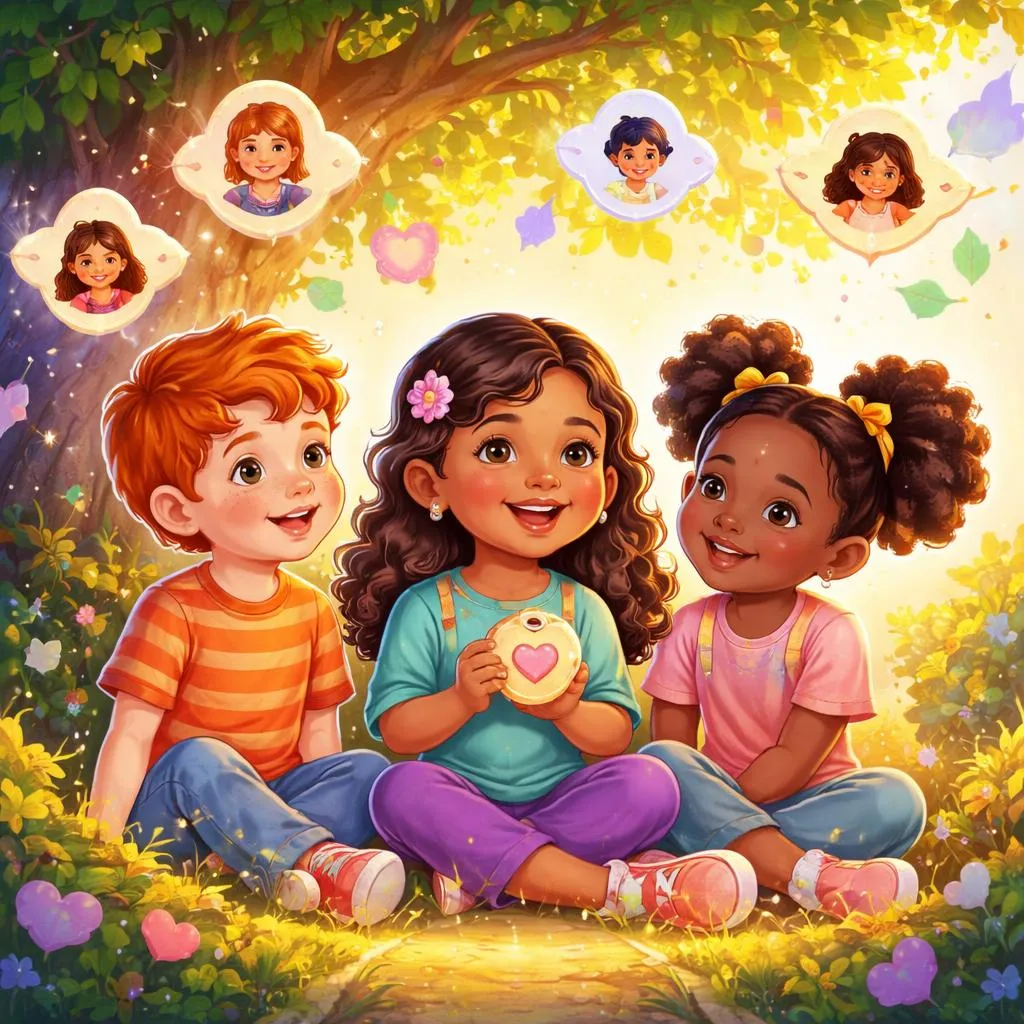

A name carries meaning. It connects a person to family, culture, and history. A children's book name story explores this powerful idea through narrative. These stories follow characters who discover the story behind their own names. They learn why they were named what they were named. They meet relatives who share pieces of the name's origin. They come to understand that a name is more than a word. It is a story in itself. This article explores how these special books can help children appreciate their own names and the names of others.
What Is a Children's Book Name Story? A children's book name story is a narrative centered around the meaning and origin of a character's name. The plot typically involves the character questioning their name. Maybe it sounds different from other names. Maybe no one can pronounce it correctly. Maybe the character simply wonders, "Why did my parents choose this name?" The story follows the journey of discovery. Parents share family history. Grandparents tell stories of ancestors. The character learns about cultural traditions around naming. By the end, the name carries new meaning. It is no longer just a label. It is a connection to family, culture, and identity. These stories validate the experience of every child who has ever wondered about their own name.
Meaning and Explanation Behind Name Stories Name stories carry deep significance for children's developing identity. A name is often the first gift a child receives. It arrives before birth. It travels with the person through all of life. Yet children rarely know the story behind their own name. They do not know why it was chosen. They do not know what it meant to their parents. They do not know the hopes and dreams attached to those few syllables.
A children's book name story fills this gap. It models the questions children can ask. It shows them that wondering about a name is natural. It demonstrates how to ask family members about naming decisions. It reveals that names often carry family history. A name might honor a grandparent. It might come from a beloved story. It might reflect the culture of ancestors. It might simply be a name the parents found beautiful.
These stories also teach respect for others' names. When children understand that every name has a story, they approach unfamiliar names differently. Instead of laughing at a name they cannot pronounce, they ask about its meaning. Instead of shortening a name for convenience, they learn to say it correctly. This builds a classroom culture of respect and curiosity.
Categories or Lists of Name Story Books Children's book name stories come in several varieties. Each type approaches the theme differently.
Cultural Heritage Name Stories: These books explore names from specific cultural traditions.
A Chinese-American child learns the meaning behind her Chinese name.
A Mexican-American boy discovers he is named after his grandfather.
An African child learns the story of his name in his village tradition.
Immigrant Name Stories: These stories deal with names that feel different in a new country.
A child with a "difficult" name learns to love its uniqueness.
A family chooses a new name when they arrive in America.
A teacher learns to pronounce every student's name correctly.
Family History Name Stories: These books trace names through generations.
A child is named after a great-grandmother she never met.
The story of how a family name was changed at Ellis Island.
A name that has been passed down for seven generations.
Adoption Name Stories: These sensitive books address names in adoptive families.
A child adopted from another country keeps her birth name.
Parents explain why they chose a new name together.
The child has both a birth name and an adopted name.
Self-Discovery Name Stories: These stories involve characters who choose their own names.
A child who does not feel like their name fits.
Choosing a nickname that feels more authentic.
Taking a new name at an important milestone.
Daily Life Examples from Name Stories A children's book name story connects directly to classroom life. Every child has a name. Every name has a story waiting to be discovered. After reading a name story, children naturally become curious about their own names.
Teachers can create opportunities for this exploration. Invite children to ask their families about their names. Why was that name chosen? Does it mean something special? Was there a story behind the decision? Children return to school with precious information to share.
The classroom becomes a place where names are celebrated. Create a name chart showing all the children's names and their meanings. Learn to pronounce every name correctly. Ask children to teach others if a name is hard to say. This respect for names builds community and belonging.
Name stories also help when children struggle with their names. A child who wishes for a more common name learns that unique names carry special stories. A child embarrassed by a mispronounced name gains tools for teaching others. The stories normalize every kind of name experience.
Vocabulary Learning from Name Stories Children's book name stories introduce vocabulary related to identity, family, and culture.
Family Words: Grandmother, grandfather, ancestor, generation, relative, parent, elder, cousin.
Identity Words: Identity, culture, heritage, tradition, history, origin, meaning, significance.
Naming Words: Name, nickname, pronounce, spell, choose, honor, remember, celebrate.
Emotion Words: Proud, embarrassed, curious, confused, happy, connected, loved, special.
Teachers can introduce these words during and after reading. Point them out in the text. Use them in discussion. Add them to a word wall. The vocabulary becomes meaningful through connection to children's own name stories.
Phonics Points in Name Stories Names themselves provide excellent phonics practice.
Beginning Sounds: Every name has a beginning sound. Maria starts with M. David starts with D. Sophia starts with S. Practice identifying the first sound in each child's name.
Letter Patterns: Names contain common letter patterns. Michael has "ch" making the /k/ sound. Sean has "ea" making a short e sound. These patterns appear in other words too.
Syllable Counting: Names have different numbers of syllables. Sam has one. Sarah has two. Elizabeth has four. Clapping syllables in names makes phonics physical.
Rhyming Names: Some names rhyme. Ben and Jen. Ray and May. Finding rhyming names builds phonemic awareness playfully.
Teachers can use children's own names as phonics teaching tools. This personal connection makes the learning meaningful and memorable.
Grammar Patterns in Name Stories Name stories provide natural contexts for grammar instruction.
Questions About Names: The stories model questions children can ask. "Why did you name me Maria?" "What does my name mean?" "Who was I named after?" These question forms become models for children's own inquiries.
Possessives with Names: Talking about names requires possessives. "Maria's name means star." "David's grandfather had the same name." This grammar point becomes meaningful in context.
Past Tense for Family History: Name stories use past tense to share history. "My grandmother came from Ireland." "They chose the name before I was born." This models narrative past tense naturally.
Descriptive Language: Names are described with adjectives. "My name is unusual." "Her name is beautiful." "That name is hard to pronounce." These descriptions enrich language.
Teachers can point out these patterns gently during reading. The grammar learning happens within the meaningful context of the story.
Learning Activities for Name Stories Activities help children explore their own names after reading a children's book name story.
Activity 1: Name Interview Create simple interview questions for children to ask at home. Why did you choose my name? Does my name mean something special? Was I named after someone? Is there a story about my name? Children bring answers back to share with the class.
Activity 2: Name Art Give children art supplies to create beautiful name art. They write their names in large letters and decorate them with colors and patterns that represent their personality. Display the artwork around the room.
Activity 3: Name Meaning Chart Research the meanings of all the names in the class. Create a chart showing each child's name and what it means. Notice any patterns or interesting connections.
Activity 4: Name Pronunciation Practice If any names are hard to pronounce, practice together. Let the child with that name teach the class how to say it correctly. Create a classroom culture where correct pronunciation matters.
Activity 5: Name Story Writing After exploring their own name stories, children write their own name story. What did they learn? How do they feel about their name now? This writing connects personal experience to literacy.
Printable Materials for Name Stories Printable resources support exploration of children's book name stories.
Name Interview Sheet: A simple form with questions for children to ask their families about their names. Space to write or draw answers.
Name Meaning Cards: Cards showing each child's name and its meaning. Display these around the classroom or send home as keepsakes.
Name Art Template: Outline letters of each child's name for them to decorate. This supports children who need help forming their letters.
My Name Story Booklet: A small folded booklet with pages for children to write and draw their name story. Title page, name meaning page, family story page, feelings page.
Class Name Chart: A large chart template listing all children's names with columns for meaning, origin, and interesting facts.
Educational Games for Name Stories Games make exploring names playful and engaging.
Game: Name Bingo Create bingo cards with name meanings instead of numbers. Call out meanings. Children cover the matching name. "Means star" covers Stella or Esther. "Means beloved" covers David or Amy.
Game: Name Rhythm Circle Sit in a circle. Create a rhythm by slapping knees and clapping. Go around the circle saying names in rhythm. "My name is Ma-ri-a." "My name is Da-vid." This builds community and rhythm skills.
Game: Name Syllable Sort Write all children's names on cards. Sort them by number of syllables. One syllable names in one pile. Two syllables in another. This connects names to phonological awareness.
Game: Name Detective Give clues about a name. "This name has five letters. It starts with S. It means wisdom." Children guess which name fits the clues. This builds listening and deductive reasoning.
Game: Name Compliment Circle Sit in a circle. Each child says something they like about the person next to them. "I like Maria's smile." "I like how David helps others." Then connect to names. "Maria, your name means star, and you shine bright in our class." This builds positive classroom culture.
Connecting Name Stories to Other Subjects Name stories connect naturally to many curriculum areas.
Social Studies Connection: Explore names from different cultures and countries. Research naming traditions around the world. Learn about how names reflect history and migration.
History Connection: Investigate historical naming patterns. What names were popular in different eras? Why did certain names become common? How have naming practices changed over time?
Geography Connection: Map where different names come from. Trace the origins of class names on a world map. Learn about countries through their naming traditions.
Art Connection: Study name art from different cultures. Look at calligraphy, name plaques, and naming ceremonies. Create art inspired by these traditions.
Music Connection: Learn songs that include names. "Hello, My Name Is..." "The Name Game." Create name chants and rhythms together.
The Power of Learning Names A children's book name story teaches something beyond the specific narrative. It teaches that names matter. They are not random labels. They carry meaning, history, and love. When teachers take time to explore names, they communicate something profound. You matter. Your name matters. Your story matters.
This lesson extends to every child in the classroom. The child with a common name learns that common names can carry deep family meaning. The child with a unique name learns that uniqueness is something to celebrate. The child adopted from another country learns that both parts of their name story are valuable. The child whose name is hard to pronounce gains tools for teaching others.
In the end, a classroom that honors names becomes a place where every child belongs. The name story is not just a lesson. It is a foundation for community. It says to each child: You are known here. You are valued here. Your whole self is welcome here, starting with the very first gift you received, your name.