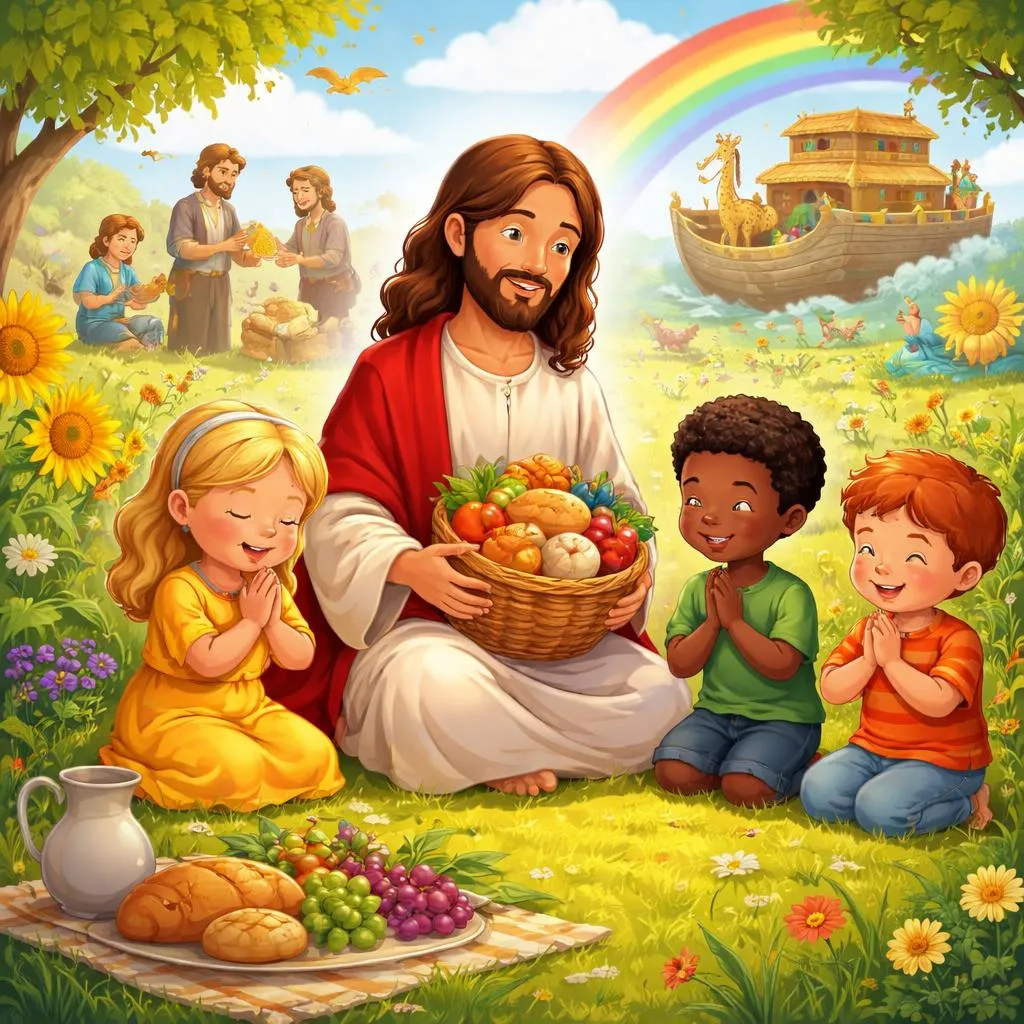

What Are Children's Bible Stories About Thankfulness? Let us explore these meaningful biblical narratives together. Children's Bible stories about thankfulness focus on gratitude toward God. They show characters recognizing God's blessings with grateful hearts. These stories appear throughout both Old and New Testaments. Characters give thanks for provision, protection, and answered prayers. The stories model gratitude in good times and hard times both. Children learn that thankfulness is a daily practice always. The Psalms contain many beautiful examples of thanksgiving. Jesus himself modeled gratitude before meals and miracles. These narratives connect naturally to teaching about thankfulness. They provide a biblical foundation for understanding gratitude. The stories help children see thankfulness as faith in action.
Meaning and Purpose of Thankfulness Stories These stories serve several important purposes in faith formation. They teach that gratitude pleases God and honors him always. The Bible repeatedly commands giving thanks to the Lord. The stories also show gratitude as a response to God's goodness. Characters thank God after receiving help or provision. The narratives model thanksgiving in community celebrations together. God's people often gathered to offer thanks corporately. The stories also prepare children for worship participation. Understanding biblical gratitude enriches church experience greatly. The narratives connect everyday blessings to God's character. Children learn that every good gift comes from above. This builds a foundation of trust and appreciation lifelong.
The Ten Lepers: Jesus Heals Ten Men One powerful thankfulness story involves Jesus healing ten lepers. Lepers were people with a terrible skin disease long ago. They had to live away from everyone else completely. Ten lepers called out to Jesus for mercy and healing. Jesus told them to go show themselves to the priests. As they went, they were healed completely and immediately. Nine of them kept going without saying thank you. But one man returned to Jesus, praising God loudly. He threw himself at Jesus' feet with gratitude overflowing. This man was a Samaritan, considered an outsider by Jews. Jesus noticed that only one returned to give thanks. He told the man that his faith had made him well. This story teaches that gratitude matters to God deeply. Children learn to always say thank you for kindness received.
Hannah's Prayer of Thanksgiving Hannah's story shows gratitude after years of waiting and praying. Hannah desperately wanted a child but could not have one. She prayed year after year with deep sadness and tears. She promised God that if he gave her a son, she would give him back to God's service. God answered her prayer and gave her a baby boy named Samuel. Hannah kept her promise and brought Samuel to the temple. She prayed a beautiful prayer of thanksgiving to God. Her song praises God for his power and faithfulness. She rejoices that God raises up the humble and needy. Hannah's gratitude overflowed in worship and celebration. She did not forget God after receiving what she wanted. Her story teaches that answered prayers deserve grateful responses. Children learn to thank God when prayers are answered.
David's Psalms of Thanksgiving King David wrote many psalms expressing thanks to God. The book of Psalms is filled with his songs of gratitude. Psalm 100 says "Enter his gates with thanksgiving and his courts with praise." Psalm 103 lists many reasons to thank God. David thanks God for forgiveness, healing, and love. He thanks God for rescuing him from enemies and danger. He thanks God for creation and all its beauty. David's psalms show gratitude in all circumstances. He thanked God when things were going well. He also thanked God during difficult times of trouble. David's example teaches that gratitude is always appropriate. Children can learn to thank God every day like David.
Vocabulary Learning from Thankfulness Stories Thankfulness stories introduce rich spiritual vocabulary for children. Thankfulness means being grateful and showing appreciation. Gratitude means the quality of being thankful always. Praise means expressing warm approval and admiration toward God. Thanksgiving means the act of giving thanks to God specifically. Blessing means a gift from God or words of favor. Provision means God supplying what people need daily. Answered prayer means God responding to requests made. Faithful means keeping promises and being trustworthy always. Mercy means God not giving punishment that is deserved. We can teach these words with examples from Bible stories. Use them in sentences about characters who showed gratitude.
Phonics Points in Thankfulness Stories Thankfulness stories provide useful phonics practice with biblical language. Thankfulness has the TH digraph and short A and FUL and NESS. Gratitude has the GR blend and short A and long U. Praise has the PR blend and long A and silent E. Thanksgiving has the TH digraph and short A and short I and ING. Blessing has the BL blend and short E and ING. Provision has the short O and short I and long I. Answered has the short A and ER and ED ending. Faithful has the long A and FUL suffix. Mercy has the ER sound and soft C and long E. Heal has the H sound and EA digraph and L sound. We can focus on one sound pattern from each story. Find all words with that sound in the thankfulness tale. Write them on leaf or cornucopia shapes for practice.
Grammar Patterns in Thankfulness Narratives Thankfulness stories model useful grammar for young readers naturally. Past tense carries the main historical narrative throughout. "Hannah prayed for a son and God answered her prayer." Present tense appears in psalms and prayers still used today. "Give thanks to the Lord for he is good." Future tense shows promises and hope ahead. "I will praise you forever for what you have done." Questions explore character responses to God. "What shall I render to the Lord for all his benefits?" Commands appear in instructions about worship. "Enter his gates with thanksgiving and his courts with praise." Descriptive language paints worship scenes vividly. "The joyful, grateful woman lifted her voice in thankful prayer." Prepositional phrases describe locations and positions. "In the temple, before the altar, with raised hands." We can point out these patterns during reading.
Daily Life Connections Through Thankfulness Stories Thankfulness stories connect to children's experiences in meaningful ways. Children say thank you for gifts, meals, and help daily. They understand gratitude as part of family life always. Waiting for something they really want happens often. Hannah waited years for Samuel like children wait. Receiving what they waited for brings joy and gratitude. Getting a longed-for gift feels wonderful and exciting. Noticing good things around them builds thankfulness habit. Food, home, family, and friends are daily blessings. Thanking people who help them shows appreciation. Teachers, parents, and friends all give help regularly. We can point out these connections during reading. "You waited for your birthday like Hannah waited." "We thank God for food before meals just like Jesus did."
Learning Activities for Thankfulness Stories Many activities deepen understanding of biblical gratitude themes. Create a gratitude tree with paper leaves for blessings. Write one blessing on each leaf and add to branches. Make a thankful journal listing things to thank God for. Add new items each day throughout the month. Act out thankfulness stories from the Bible together. Hannah praying, ten lepers, David dancing, Jesus giving thanks. Create a praise psalm following patterns from David's psalms. Write original words of thanks to God creatively. Sing songs of thanksgiving with simple melodies and words. Children learn gratitude through music and repetition. Write thank you prayers to God for specific blessings. Use the Psalms as models for prayer writing. These activities make biblical gratitude tangible and personal.
Printable Materials for Thankfulness Learning Printable resources support deep engagement with thankfulness themes. Create a gratitude journal template with daily prompts. "Today I thank God for..." with space to draw. Design vocabulary cards with thankfulness words and definitions. Thanks, praise, worship, grateful, blessing, mercy included. Make a Psalms of thanks booklet with selected verses. Children illustrate each Psalm page creatively. Create a thank you prayer template with sentence starters. "Thank you God for..." "I praise you because..." Design a Ten Lepers coloring page showing one man returning. Illustrate the difference between nine and one. Make a comparison chart for thankfulness in different stories. List who thanked God and what they thanked for. These printables structure gratitude learning activities effectively.
Educational Games About Biblical Thankfulness Games make thankfulness learning playful and interactive. Play "Thankfulness Charades" acting out Bible gratitude stories. Hannah praying, leper returning, David dancing, Jesus blessing food. Create "Psalm Match" pairing Psalm numbers with first lines. "Give thanks to the Lord" matches Psalm 136. Play "Gratitude Scavenger Hunt" finding things to thank God for. Look around room and name blessings from God. Design "Thankful Bingo" with blessings on cards. Mark when you identify each blessing in life. Play "Who Gave Thanks?" matching characters with their stories. Match Hannah with baby Samuel, leper with Jesus, David with psalms. Create "Thanksgiving Relay" sharing things to be thankful for. Each person adds something different as baton passes. These games build gratitude awareness through active participation.
Teaching That Gratitude Is a Choice Thankfulness stories show gratitude as a choice, not just feeling. The one leper chose to return and thank Jesus. The other nine chose to keep going without thanks. Both groups were healed, but only one showed gratitude. Hannah chose to keep her promise and give Samuel to God. She could have kept him but chose gratitude instead. David chose to write psalms of thanks regularly. He made gratitude a habit, not just occasional feeling. Children learn they can choose to be thankful always. Even when feelings don't prompt it, choice matters. Thankfulness can become a habit with practice daily. This lesson empowers children to cultivate grateful hearts.
Thankfulness in Hard Times Some Bible thankfulness stories happen during difficult circumstances. Paul and Silas sang praises while in prison at midnight. Their feet were in stocks, backs bruised from beating. Yet they chose to praise God despite their pain. God sent an earthquake that opened prison doors. Their gratitude led to the jailer and his family believing. Habakkuk the prophet thanked God even when crops failed. He rejoiced in God his Savior despite circumstances. These stories teach that gratitude is possible always. Hard times don't cancel reasons to thank God. Children learn to find things to be grateful for even when sad. This builds resilience and faith that lasts through difficulties.
The Connection Between Gratitude and Joy Thankfulness stories reveal deep connection between gratitude and joy. Grateful characters in the Bible are also joyful ones. Hannah's prayer overflowed with joy after Samuel's birth. David's psalms express joy alongside thanksgiving constantly. The one leper returned "praising God in a loud voice." His gratitude produced visible joy and celebration. Jesus gave thanks before feeding thousands with joy. Gratitude opens hearts to experience true joy deeply. Ungrateful hearts miss this joy completely. Children learn that thankful people are happier people. Counting blessings shifts focus from problems to gifts. This truth benefits children throughout their entire lives.
Making Thankfulness a Daily Habit Bible stories encourage gratitude as daily practice, not just occasional. Daniel prayed and gave thanks three times daily faithfully. David praised God at morning, noon, and night consistently. Jesus regularly gave thanks before meals always. Paul encouraged constant prayer and thanksgiving continually. Children can develop habits of daily gratitude too. Morning thanks for new day and night for blessings. Mealtime thanks for food before eating together. Bedtime thanks for the day just completed. These small practices build grateful hearts over time. The Bible models this pattern of regular thanksgiving. It becomes natural rather than forced or artificial. Children grow up with gratitude woven into daily life.