
Fun Introduction
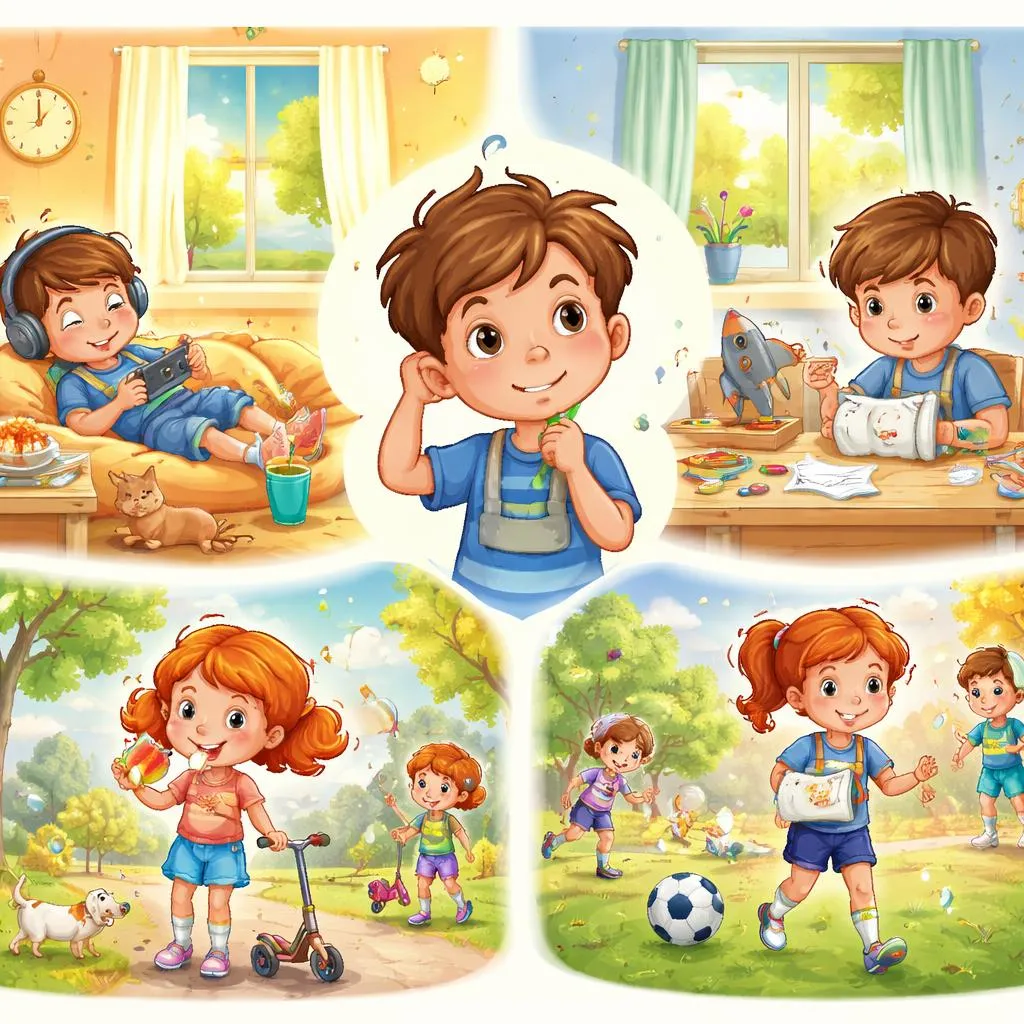
Last Wednesday, Mia played catch with her brother. She threw the ball too hard. It hit the window. The glass broke into tiny pieces. Later, Mia tried to fix her toy robot. She twisted its arm. The plastic fractured with a sharp snap. Both actions caused damage. But breaking made many pieces. Fracturing made a clean crack. Mia wondered about the difference. She asked her dad. Dad smiled and explained. Breaking shatters completely. Fracturing cracks partially. Let’s learn together.
Mia felt worried in the living room. Glass sparkled on the floor. She swept it up carefully. Then she examined the robot. The arm hung loose. Her dad nodded. He said breaking is messy. Fracturing is precise. Mia understood now.
Word Breakdown
Core Principle
We reject boring dictionary definitions. We use pictures in your mind. We add functions and memory hooks. This helps you remember forever.
Break To Do
Image: Imagine breaking a chocolate bar. You snap it into many uneven pieces. That is break to do. It means shattering into fragments.
Function: It is for causing complete destruction. Like break a plate. Or break a promise.
Sensory Description: You hear a loud crash. You see scattered bits. Your hands feel the mess.
Memory Anchor: A window with shattered glass. See the spiderweb cracks? That is break to do.
Fracture To Do
Image: Think of fracturing a bone in your arm. The doctor shows an X-ray. There is a clean line. That is fracture to do. It means cracking without shattering.
Function: It is for partial damage. Like fracture a toy. Or fracture a friendship.
Sensory Description: You hear a sharp snap. You see a thin line. Your body feels pain.
Memory Anchor: An X-ray with a cracked bone. See the straight line? That is fracture to do.
Advanced Comparison
Break shatters completely. Fracture cracks partially. Break uses force. Fracture uses stress. Use break for total ruin. Use fracture for partial harm.
Scene Comparison
Scene One happens in the kitchen. Leo drops a ceramic mug. It breaks into ten pieces. Water spills everywhere. This is break to do—total destruction.
Scene Two takes place in the backyard. Emma kicks a soccer ball at a fence. A wooden slat fractures. It bends but stays attached. This is fracture to do—partial damage.
Scene Three occurs at school. Ben breaks his pencil while writing. Graphite scatters. Mia fractures her ruler. It has a hairline crack. Notice the shift. Breaking scatters. Fracturing weakens.
Pitfalls Deep Reminder
Mistake One is saying “I fractured the window with a baseball.” Why wrong? Windows break completely. Fracturing leaves them intact. Funny result? Window stays hanging. Correct phrase is I broke the window. Memory trick: Break glass.
Mistake Two is saying “I broke my arm falling off the swing.” Why wrong? Bones fracture. Breaking would mean shattering. Funny result? Arm turns to dust. Correct phrase is I fractured my arm. Memory trick: Fracture bones.
Mistake Three is saying “I fractured the cookie into crumbs.” Why wrong? Cookies break. Fracturing makes a clean crack. Funny result? Cookie stays whole. Correct phrase is I broke the cookie. Memory trick: Break food.
Mistake Four is saying “I broke the toy robot’s arm slightly.” Why wrong? Slight damage is fracturing. Breaking ruins it. Funny result? Robot explodes. Correct phrase is I fractured the robot’s arm. Memory trick: Fracture small damages.
Interactive Exercises
Read each sentence. Think of the right word.
I will ___ the pi?ata at the party. (break/fracture)
She ___ the ice cube by twisting it. (break/fracture)
We ___ the rules by cheating. (break/fracture)
He ___ the branch by stepping on it. (break/fracture)
They ___ the silence with a loud laugh. (break/fracture)
Act with a friend. Use the phrases.
Scene A: Breaking Things
A: I need to break this now.
B: Hit it with all your strength.
Scene B: Fracturing Items
A: I will fracture this carefully.
B: Apply pressure slowly.
Spot the Mistake
Which sentence sounds odd? Explain why.
Sentence: I fractured the mirror into shards.
Reason: Mirrors break. Use break instead.
Sentence: I broke my little toe kicking the door.
Reason: Toes fracture. Use fracture instead.
Sentence: I fractured the chocolate bar into pieces.
Reason: Chocolate breaks. Use break instead.
Create Sentences
Use both phrases.
Break to do: I break the rules when I run inside.
Fracture to do: I fracture my toys when I drop them.
Bonus Challenge
You drop a glass. Does it break or fracture? Answer: Break. It shatters.
Rhyme Time
Break it loud, fracture it slight.
One makes pieces, one makes a bite.
Total ruin? Choose break.
Partial crack? Fracture, do not fake.
Homework Task
Pick one activity. Complete it this week. Share with family.
Option One: Observation Journal. Get a small notebook. Draw three pictures. Write a sentence under each.
Picture One: You break something. Sentence: I broke a pencil by pressing too hard.
Picture Two: You fracture something. Sentence: I fractured a twig by bending it.
Picture Three: You break something else. Sentence: I broke a promise to my friend.
Show your journal to a parent. Explain the differences.
Option Two: Role Play. With a parent, act out moments. Use phrases correctly.
You: Mom, I will break the eggs for the omelet.
Parent: Crack them gently into the bowl.
You: Dad, I will fracture the ice block with a hammer.
Parent: Tap it lightly to make a crack.
Practice until it feels natural.
Option Three: Sharing Time. Tomorrow at school, tell a friend. Describe one break and one fracture. Say: Yesterday I broke my crayon. I fractured my ruler. Ask your friend about theirs.
Life Practice
Week Challenge: Try one task. Complete within seven days. Share your success.
Task One: Observation Log. For three days, note break and fracture moments. Draw icons.
Day One: Break a cracker. Draw a cracker icon.
Day Two: Fracture a stick. Draw a stick icon.
Day Three: Break a rule. Draw a rule icon.
Show your log to your teacher. Place it on the classroom wall.
Task Two: Action Demo. Use both phrases in real actions.
Step One: Break forcefully. Say: I break to cause total damage.
Step Two: Fracture gently. Say: I fracture to cause partial harm.
Demonstrate to a sibling. Explain the difference.
Task Three: Social Mission. Use phrases with others.
Break to help a friend. Say: I break the bad news gently.
Fracture to help a friend. Say: I fracture the tension with a joke.
Record a short voice message. Send it to your teacher.
Task Four: Creative Story. Write a short tale. Include both phrases.
Title: The Broken Vase.
Story: I broke the vase by accident. Then I fractured my relationship with mom. We fixed it later.
Share your story in class.
Remember, practice makes perfect. Use these phrases often. Soon they will feel easy.