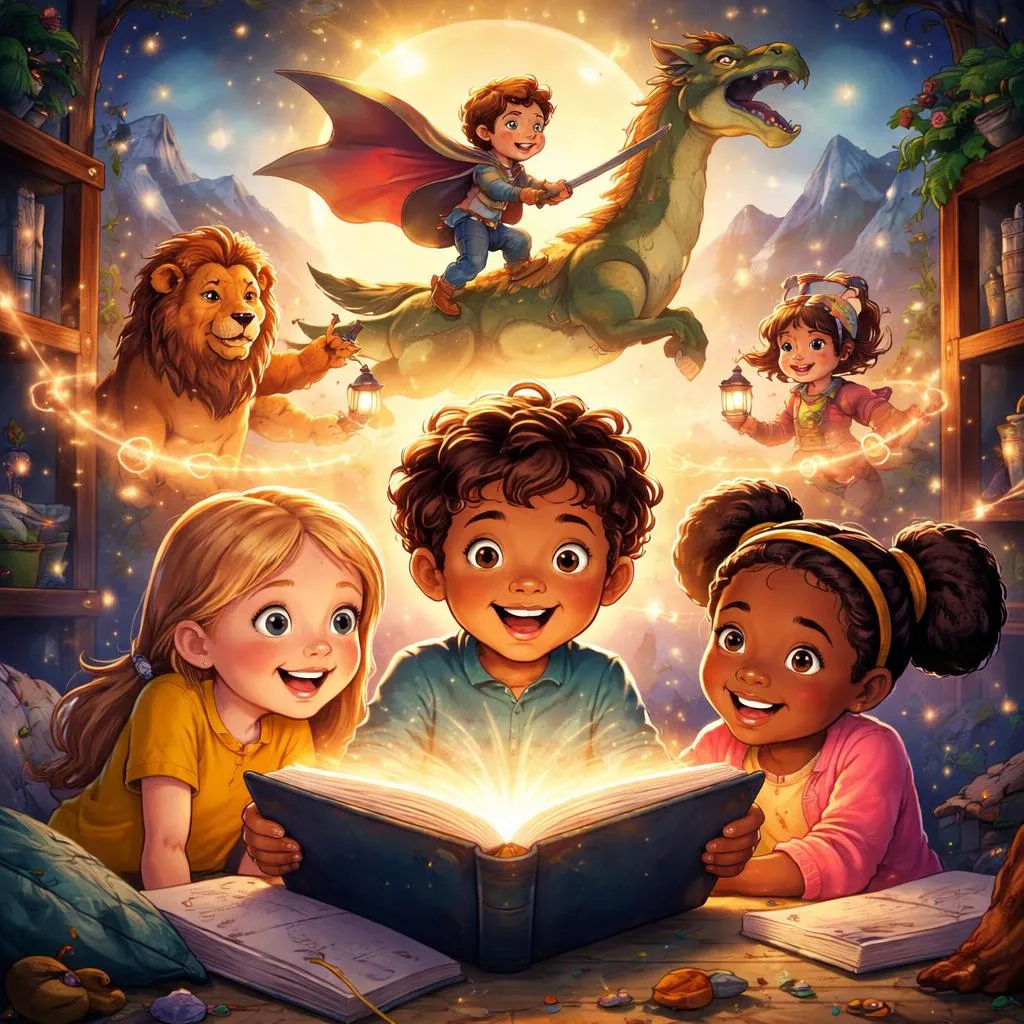

Courage appears in many forms within children's literature. A small mouse standing up to a large cat. A child speaking in front of the class for the first time. A young bird leaving the nest. These moments of bravery capture attention and spark imagination. This universal theme makes children's stories of courage remarkably effective for language learning. They teach both words and life lessons simultaneously. This article explores methods for using these empowering narratives in teaching.
What Defines a Courage Story for Children?
A children's story of courage places brave actions at the center of the narrative. The plot typically begins with a challenge or fear. A character faces something difficult, scary, or unknown. Through the story, this character finds inner strength to move forward. The narrative shows both the struggle and the triumph.
Some stories show physical courage. Climbing a tall mountain. Rescuing a friend in danger. Standing up to a bully. Other tales explore emotional courage. Admitting a mistake. Trying something new after failing. Saying goodbye to someone dear. Both types offer valuable language material.
The characters in these stories vary widely. Sometimes the brave character seems unlikely to be courageous. A small creature. A shy child. An old animal. This contrast makes the message more powerful. Courage exists in everyone, regardless of size or appearance.
Vocabulary Learning Through Courage Narratives
Courage stories introduce a rich vocabulary of emotions and actions. Words for fear appear naturally. Scared, afraid, terrified, nervous, and worried all find places in these tales. Understanding these words helps learners name their own feelings.
Action words for brave behavior appear frequently. Face, conquer, overcome, persist, and endure all connect to specific story moments. A character facing a dark forest. Another persisting through difficult practice. These images make the words memorable.
Children's stories of courage also introduce words for inner strength. Brave, courageous, fearless, heroic, and daring describe the characters. These adjectives help learners talk about both story figures and themselves.
Words for support appear too. Encourage, cheer, comfort, and believe in all play roles. Many courage stories show that bravery often involves accepting help from others. This adds depth to the vocabulary learning.
Simple Phonics Points in Courage Tales
Courage stories offer excellent material for phonics work. Many use strong, active language with clear sounds. Words like brave, strong, fight, and save contain sounds that feel powerful when spoken. The emotional context makes these words especially memorable.
Repetitive phrases often appear in these narratives. A supporting character might offer encouraging words. "You can do it. You are brave." This repetition reinforces specific sound patterns and builds reading confidence.
Many courage stories use rhythmic language that builds tension and release. Short, punchy sentences appear during action scenes. Longer, calmer sentences follow moments of triumph. These patterns support both phonics and comprehension.
Exploring Grammar Through Brave Narratives
Grammar concepts become clearer when placed within exciting, emotional stories. Courage tales provide natural contexts for observing language structures.
Modal verbs appear frequently when characters consider brave actions. "I must try." "I can do this." "I will not give up." Each modal verb expresses determination and possibility. The story context makes these words meaningful.
Past tense dominates the narration of brave deeds. "The little rabbit faced the wolf. He did not run away." This shows completed actions in a vivid context. Present tense might appear in dialogue. "I am not afraid," he says. This contrast helps learners understand how tense signals meaning.
Conditional sentences appear when characters plan their brave actions. "If I go through the dark forest, I will reach the other side." "If you help me, we can succeed together." These structures model thinking about possibilities and consequences.
Learning Activities to Bring Courage Stories to Life
Active engagement helps language take root. These activities move learning from listening to doing, all within the courage theme.
Courage Timeline Discussion After reading a courage story, create a simple timeline of events on a board. Mark where the character felt afraid. Mark where they found courage. Mark the moment of triumph. Discuss what changed between these points. This builds comprehension and narrative understanding.
Personal Courage Drawing Ask learners to draw a time they showed courage. Trying a new food. Speaking up. Learning something hard. Below the drawing, provide sentence starters. "I felt scared when..." "I showed courage by..." "Afterward, I felt..." This combines creative expression with personal narrative.
Brave Character Comparison Create a simple chart comparing two courageous characters from different stories. What were they afraid of? What helped them be brave? How did the story end? This builds comparative language and comprehension skills.
Courage Awards Ceremony Create simple award certificates for courageous characters from stories. "Bravest Heart Award" "Most Determined Award" "Kindest Courage Award" Learners decide which character gets which award and explain why. This builds descriptive language and opinion expression.
Educational Games Inspired by Courage Tales
Games transform language practice into play. These courage-themed games provide repetition without boredom.
Courage Charades Act out moments of courage from stories without speaking. Others guess the story and the brave action. This builds comprehension and nonverbal communication skills.
Fear and Courage Matching Game Create cards with fears on some and courageous actions on others. Fear: dark forest. Courage: walking through with a friend. Fear: big test. Courage: studying hard and trying. Learners match fears with courageous responses. This builds problem-solving language.
Story Dice Game Create dice with pictures of story elements. Character dice. Setting dice. Challenge dice. Learners roll and create a short courage story using the elements that appear. This builds creative language and narrative skills.
Printable Materials for Extended Courage Learning
Tangible materials support continued exploration of courage themes. These resources work well for independent practice or home connection.
Courage Vocabulary Cards Create cards with courage-related words on one side and simple definitions or pictures on the other. Include words like brave, fear, overcome, persist, and triumph. Use them for matching games or quick reviews.
My Courage Journal Page Provide a simple journal page with prompts. "Today I felt brave when..." "Something I want to be brave about..." "A brave person I know is..." This builds reflection and writing skills.
Courage Story Map Template Create a simple template with spaces for character, fear, helper, brave action, and happy ending. Learners fill this in after reading a courage story. This builds comprehension of narrative structure.
Brave Deed Cards Create small cards where learners can record brave deeds they observe or do themselves. Date, brave action, and how it felt. This builds observation skills and connects story themes to real life.
The enduring power of using children's stories of courage lies in their ability to speak directly to every learner's inner life. Every child knows what it feels like to be afraid. Every child has moments when they need to find bravery. These stories give language to that universal experience. Through these narratives, learners discover words for fears they could not previously name. They find language for the courage they hope to show. A story about a small creature facing a huge challenge becomes a mirror for their own struggles. Each tale read together builds not just vocabulary and grammar but also confidence and self-understanding. Learners come to see that courage lives within them too, waiting for the right moment to appear. The classroom becomes a place where language learning and personal growth walk hand in hand.