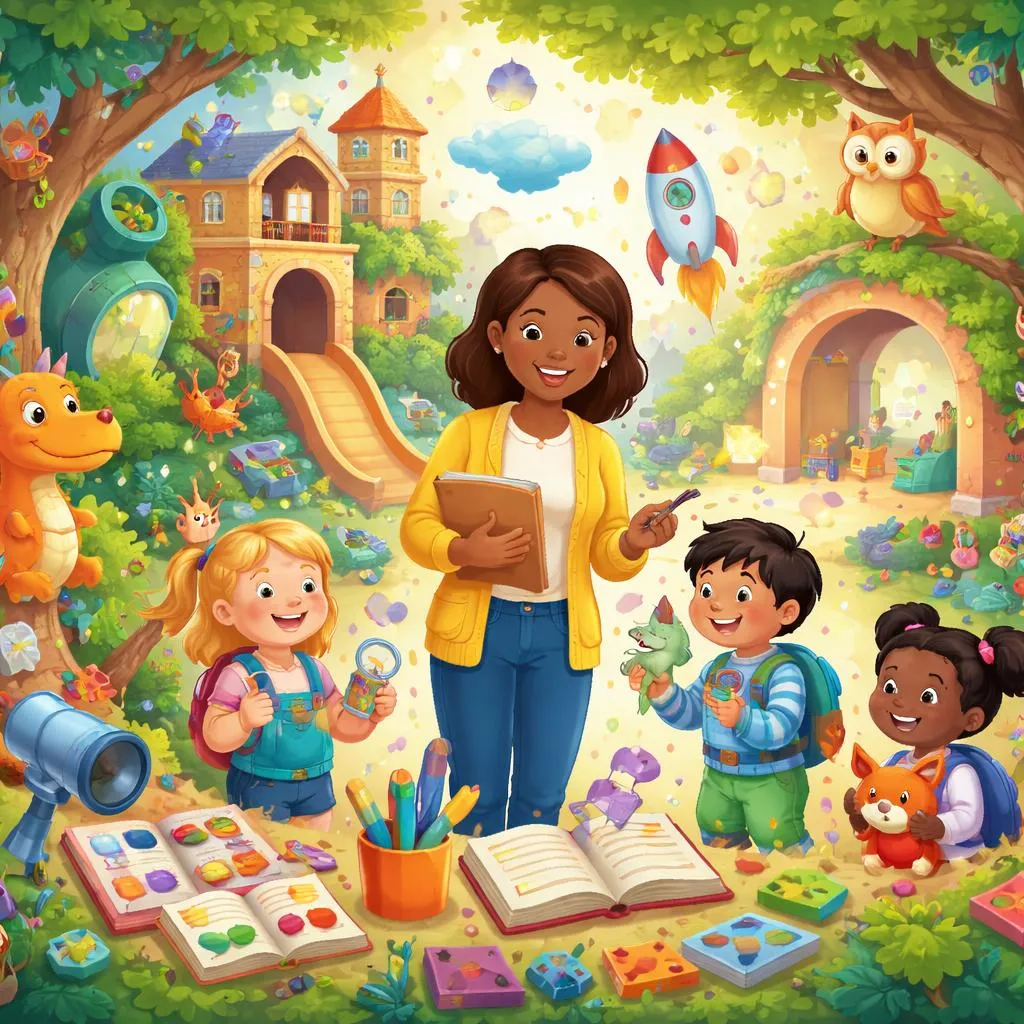

Imagine a place where stories come alive. Where characters leap from pages and imagination takes physical form. This is the vision behind a discover children's story centre. Such spaces exist to surround young learners with narrative magic. They offer resources, activities, and environments dedicated to storytelling. This article explores how educators can use these centres for language development.
What Is a Discover Children's Story Centre?
A discover children's story centre is a physical or virtual space dedicated to narrative exploration. Physical centres contain books, storytelling areas, and interactive exhibits. Children might walk through a giant storybook or sit in a storytelling circle. They might touch props from favorite tales or dress up as beloved characters.
Virtual centres offer digital resources. Story videos, audio recordings, and printable activities live online. Children can access these from home or classroom. Some centres combine both approaches, offering physical spaces with strong digital support.
The core mission remains consistent across formats. These centres exist to make stories central to childhood. They provide materials and experiences that reading alone cannot offer. The story becomes something children enter rather than just observe.
Why Use a Story Centre for Language Learning?
A discover children's story centre offers unique advantages for language development. First, it provides multisensory experiences. Children see, hear, and sometimes touch story elements. This sensory richness creates stronger memory connections for associated language.
Second, centres offer curated resources. Someone has already selected high-quality materials. Educators save time searching for appropriate stories and activities. The centre provides ready-to-use teaching tools.
Third, centres create community around stories. Children see others enjoying narratives. They might attend group storytelling sessions. This social dimension adds motivation and shared experience to language learning.
Fourth, centres inspire creative response to stories. After hearing a tale, children can engage with related activities. They might draw, write, or act out what they experienced. This active engagement deepens comprehension and language use.
Daily Life Examples of Story Centre Use
Story centres fit naturally into many learning situations. A class visit to a physical centre might begin with a storytelling session. Children gather in a special area designed for listening. After the story, they explore exhibits related to the tale. They might write in response journals or create art projects.
Back in the classroom, the visit continues. Teachers access the centre's digital resources. They find printable activities that extend the experience. Children might create their own story exhibits or plan a storytelling session for another class.
For virtual centres, integration happens entirely in the classroom or home. Children explore digital stories during centre time. They listen to audio narratives during quiet moments. They print activities for independent practice. The centre becomes a regular part of the learning routine.
Categories of Resources at Story Centres
A well-designed discover children's story centre offers several resource categories. Each serves different learning purposes.
Story Collections Centres provide access to numerous stories. Physical books fill shelves. Digital libraries offer audio and video versions. Some stories appear in multiple formats, allowing comparison between reading and listening experiences.
Interactive Exhibits Physical centres feature hands-on story elements. A dress-up corner with character costumes. A puppet theatre for retelling tales. A quiet reading nook shaped like a storybook house. These spaces invite active engagement with narrative.
Activity Materials Printable resources support story extension. Coloring pages feature beloved characters. Writing prompts inspire original tales. Craft instructions create story-related projects. These materials move learning beyond the story itself.
Educator Resources Professional materials help teachers use stories effectively. Lesson plans suggest activities. Discussion guides offer comprehension questions. Themed collections group stories by topic or teaching goal.
Learning Activities at Story Centres
Active participation maximizes the benefits of story centre visits. These activities work well during or after centre experiences.
Story Scavenger Hunt Before visiting a physical centre, create a simple scavenger hunt. Find a story about animals. Find a book with a red cover. Find a character who wears a hat. This focused exploration builds observation and categorization skills.
Story Response Time After experiencing a story at the centre, provide time for response. Learners can draw a favorite scene. They can write a letter to a character. They can act out a moment with friends. This processing time deepens comprehension.
Centre Exhibit Creation Back in the classroom, challenge learners to create their own story centre exhibits. A cardboard box becomes a story scene. Handmade puppets represent characters. Written summaries become exhibit labels. This builds synthesis and creative skills.
Story Comparison Use centre resources to explore multiple versions of similar tales. Compare two Cinderella stories from different cultures. Compare a book version and a video version of the same story. This builds analytical thinking about narrative.
Educational Games from Story Centres
Games inspired by story centre resources add playful learning elements. These activities work in classrooms or at home.
Story Centre Bingo Create bingo cards with items found in story centres. Bookshelf. Puppet. Listening station. Costume rack. As learners explore, they mark items they find. This builds observation skills and centre familiarity.
Character Guess Game Using centre resources, one learner describes a character without naming them. Others guess who it is based on description. This builds descriptive language and character knowledge.
Story Centre Scavenger Hunt Create clues leading to different centre areas. "Find where stories come alive through sound." This leads to the listening station. Each stop reveals a story prompt or activity. This builds exploration and following directions.
Printable Materials from Story Centres
Many centres provide printable resources for ongoing use. These materials extend learning beyond the visit.
Story Response Sheets Simple pages with prompts for after-story reflection. "My favorite character was..." "The story made me feel..." "I would change..." These build comprehension and personal connection.
Book Review Templates Printable forms for reviewing stories explored at the centre. Title, author, rating, and reason for rating. These build critical thinking and opinion expression.
Story Map Templates Pages for mapping story elements from centre tales. Characters, setting, problem, solution. These build narrative comprehension and organization.
Create Your Own Centre Pages Templates for designing a personal story centre exhibit. Space for drawing the exhibit, naming it, and explaining its purpose. These build synthesis and metacognitive skills.
The lasting impact of a discover children's story centre extends through years of learning. Children who grow up with rich story experiences develop stronger language skills and deeper imagination. They understand narrative structure intuitively. They recognize patterns across different types of stories. They approach new texts with confidence born of familiarity. For educators, these centres provide invaluable support. The curated resources save preparation time. The engaging materials capture student interest. The community of storytellers and listeners reinforces the message that stories matter. Whether physical or virtual, the story centre becomes a home for imagination. Children enter as listeners and leave as creators, ready to add their own voices to the endless conversation that stories represent.