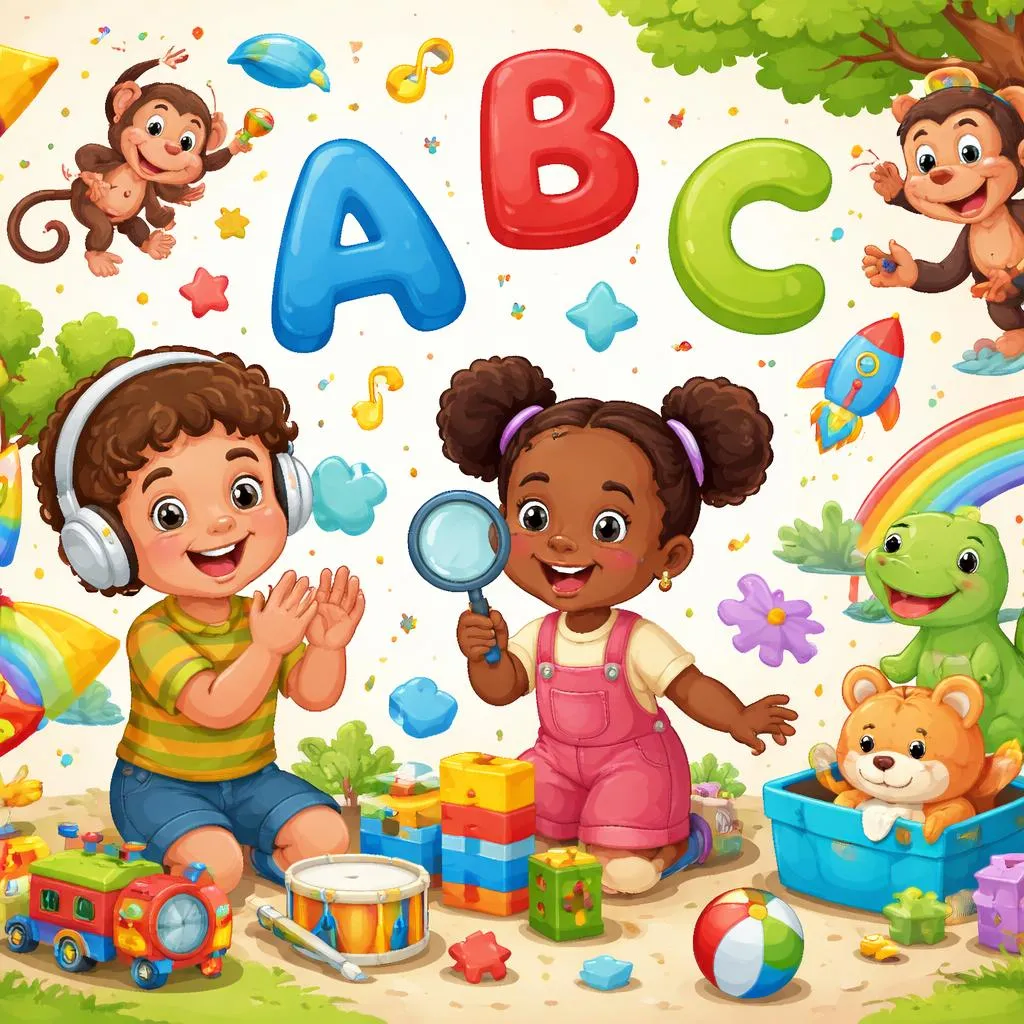

What Is the english alphabet?
The english alphabet is the foundation of English reading and writing. It includes 26 letters. Each letter has a name, a shape, and one or more sounds.
The alphabet connects spoken language with written symbols. This connection supports reading, writing, and spelling. Songs, stories, and visual materials make alphabet learning engaging and memorable.
Meaning and Explanation of the english alphabet
The english alphabet uses letters from A to Z. Each letter has an uppercase form and a lowercase form. For example, A and a, B and b, C and c.
Uppercase letters often start sentences and names. Lowercase letters appear in most words. Understanding both forms supports early literacy.
Letters represent sounds called phonemes. Some letters have one main sound. Some letters have more than one sound. This variety builds phonics awareness and flexible reading skills.
Categories and Lists in the english alphabet
The alphabet divides into vowels and consonants. Vowels include A, E, I, O, U, and sometimes Y. Consonants include all other letters.
Vowels help form syllables and words. Consonants shape words and meaning. Recognizing vowels and consonants supports decoding and spelling.
Letters also group by sound families. For example, B, C, D, G, P, T share strong consonant sounds. A, E, I, O, U share vowel sounds with long and short forms.
Daily Life Examples with the english alphabet
The alphabet appears in books, signs, labels, and digital screens. Names, addresses, and messages use alphabet letters.
Street signs use letters for place names. Books use letters for stories and learning. Phones and computers use letters for typing and searching.
Recognizing letters in daily life builds confidence and motivation to read and write.
Printable Flashcards for the english alphabet
Alphabet flashcards show a letter and a picture. For example, A with apple, B with ball, C with cat. These cards connect letters with sounds and words.
Flashcards can show uppercase and lowercase letters together. This helps recognize both forms.
Picture cards support visual memory. Word cards support early reading. These materials help build strong letter recognition.
Learning Activities with the english alphabet
Tracing activities support handwriting. Tracing uppercase and lowercase letters builds fine motor skills.
Sound games connect letters with sounds. Saying the sound of each letter supports phonics.
Alphabet songs support rhythm and memory. Singing A to Z helps remember letter order.
Letter hunts encourage finding letters in books, signs, and objects. This builds awareness and curiosity.
Drawing activities connect letters with creativity. Drawing objects that start with each letter builds vocabulary and imagination.
Educational Games with the english alphabet
Matching games pair letters with pictures. This builds sound-letter association.
Memory games use letter cards. Turning cards to find pairs supports recognition and concentration.
Alphabet puzzles support problem-solving and letter order.
Digital games show animated letters and sounds. Tapping letters plays sounds and words. This supports engagement and pronunciation.
Phonics Points in the english alphabet
Each letter has at least one sound. Some letters have two or more sounds. For example, C can sound like /k/ in cat and /s/ in city.
Short vowel sounds appear in words like cat, bed, sit, hot, and cup. Long vowel sounds appear in cake, tree, bike, home, and cute.
Consonant blends appear in words like stop, play, and tree. Digraphs appear in words like ship, chat, and this.
Learning these patterns supports decoding and reading fluency.
Grammar Patterns Connected to the english alphabet
Letters form words. Words form sentences. Sentences express meaning.
Capital letters start sentences and proper nouns. Periods, question marks, and exclamation marks end sentences.
Understanding letters supports spelling patterns. For example, adding -s to make plurals or -ed to show past tense depends on correct letter use.
Listening and Speaking Practice with the english alphabet
Listening to alphabet songs builds sound awareness. Repeating letter sounds builds pronunciation skills.
Speaking practice includes naming letters, sounds, and example words. Saying “A is for apple” builds confidence and clarity.
Call-and-response activities support interaction. One voice says a letter. Another voice says the sound and a word.
Reading Practice with the english alphabet
Reading simple words builds on alphabet knowledge. Words like cat, dog, and sun use basic letter sounds.
Sight words combine phonics and memory. Recognizing common words builds fluency.
Shared reading with big books and charts supports print awareness. Tracking letters and words builds directionality and spacing awareness.
Writing Practice with the english alphabet
Writing letters supports fine motor skills and spelling. Copying letters and simple words builds confidence.
Writing names and labels connects letters to identity and environment.
Creating alphabet books supports creativity and language production. Each page can show a letter, a picture, and a simple sentence.
Cross-Curricular Connections
Art activities include drawing and decorating letters. This builds creativity and letter recognition.
Math activities include counting letters and sorting vowels and consonants. This integrates numeracy and literacy.
Science activities include naming animals, plants, and objects by letter. This builds content knowledge and vocabulary.
Music activities include alphabet songs and rhythm games. This builds musical and language skills together.
Supporting Different Learning Styles
Visual learners benefit from charts, flashcards, and videos.
Auditory learners benefit from songs, chants, and phonics drills.
Kinesthetic learners benefit from tracing, letter shapes with the body, and movement games.
Combining these methods supports inclusive learning and engagement.
Digital Tools for the english alphabet
Alphabet apps show animated letters and sounds. Touching letters plays audio and animations.
Interactive e-books highlight letters and words. This supports reading and listening.
Recording tools allow practice with letter sounds and words. Listening to recordings supports self-awareness and pronunciation improvement.
Building a Daily Routine with the english alphabet
A daily routine can start with an alphabet song. This warms up listening and speaking.
Letter-of-the-day activities focus on one letter. Reading, writing, and drawing with that letter builds depth.
Review activities at the end of the session reinforce memory and confidence.
Visual schedules with alphabet icons support structure and predictability.
Expanding Vocabulary Networks with the english alphabet
Each letter connects to many words. A connects to apple, ant, and animal. B connects to ball, bird, and book. C connects to cat, car, and cake.
Building word networks around letters deepens vocabulary and conceptual knowledge.
Theme-based vocabulary connects letters to topics like animals, food, and places. This supports content-based learning.
Social and Emotional Learning Through the english alphabet
Learning letters supports self-expression. Writing names and messages builds identity and communication.
Group alphabet activities build cooperation and turn-taking.
Celebrating letter milestones builds motivation and positive attitudes toward learning.
Simple Assessment Ideas
Listening checks include identifying letter sounds.
Speaking checks include naming letters and example words.
Reading checks include matching letters to sounds and simple words.
Writing checks include tracing and writing letters and short words.
The english alphabet opens the door to reading, writing, and communication. Letters connect sounds to meaning and support every stage of language learning. Through songs, stories, games, and creative activities, alphabet learning becomes joyful, structured, and meaningful for early English development.