
Can You Build a Tower on Something “Flat and Level” Without It Falling Over?
Young children love building blocks. They also love drawing houses and roads. Parents often hear kids say, “This table is flat.” Or “The floor is leve ...
Read MoreYoung children love building blocks. They also love drawing houses and roads. Parents often hear kids say, “This table is flat.” Or “The floor is leve ...
Read More
When children learn English, they meet many describing words. Some words sound friendly. Others sound a bit rude. Parents often wonder which words hel ...
Read More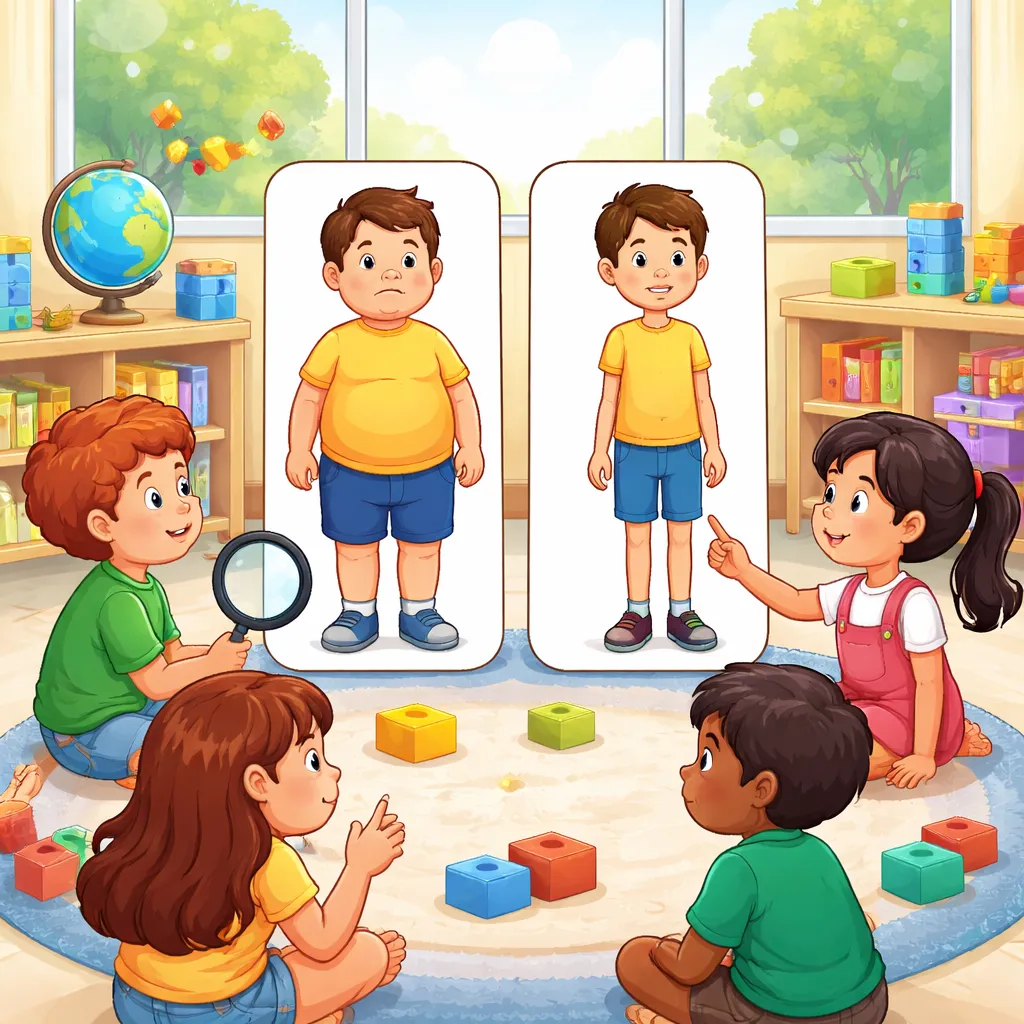
Are Similar Words Really Interchangeable?
Read More
Children look up at big things. A tree, a parent, a slide at the playground. Parents say “He is tall” or “The mountain is towering.” Are “tall” and “t ...
Read More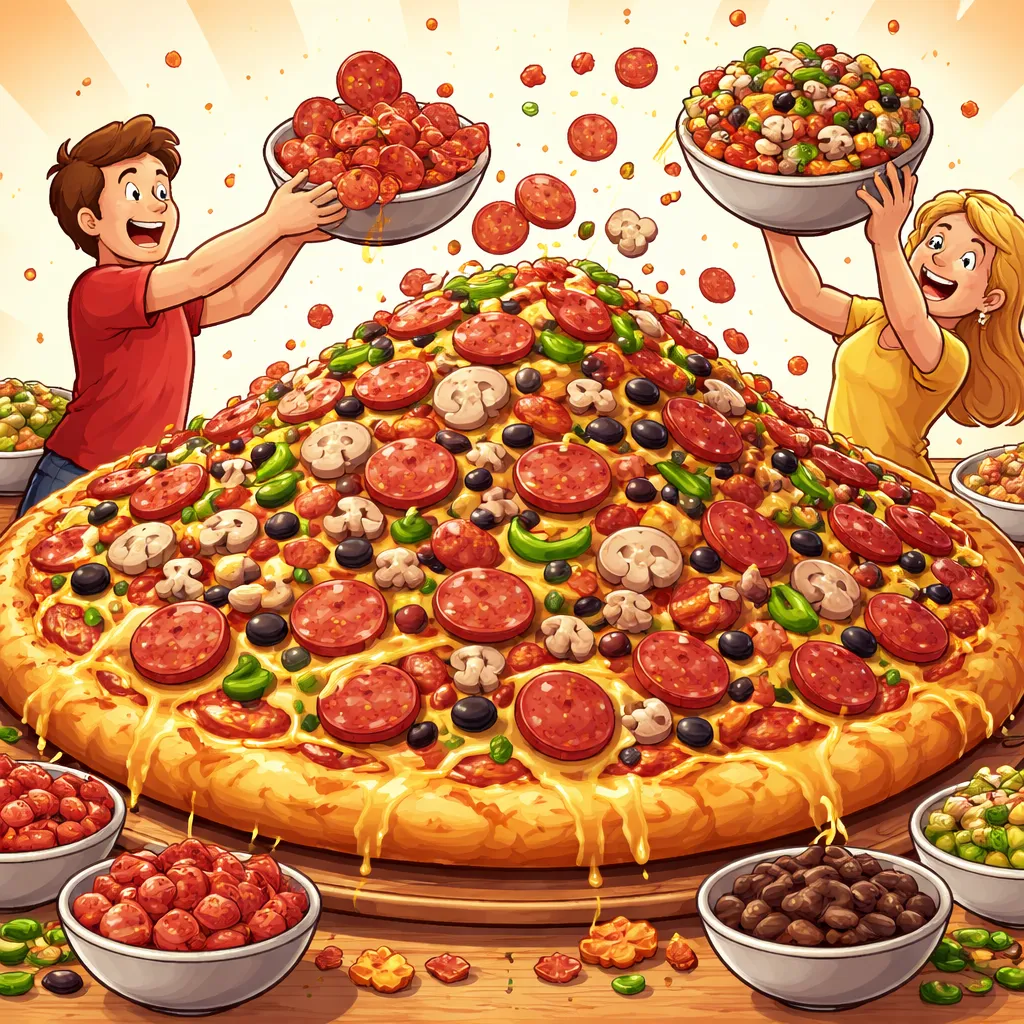
Children know when something is big. A giant balloon, a tall building, a full moon. Parents say “This shirt is large” or “That truck is huge.” Are “la ...
Read More
Children notice when people are not tall. A young sibling, a friend, a grandparent. Parents say “The pencil is short” or “She has a petite frame.” Are ...
Read More
Children know when something is little. A tiny bug, a small toy, a short pencil. Parents say “This box is small” or “That camera is compact.” Are “sma ...
Read More
Children know when a place feels big. A park, a gym, a large living room. Parents say “The road is wide” or “The house feels spacious.” Are “wide” and ...
Read More
Children know when space is tight. A tiny closet, a crowded bus, a small tent. Parents say “The path is narrow” or “The room feels cramped.” Are “narr ...
Read More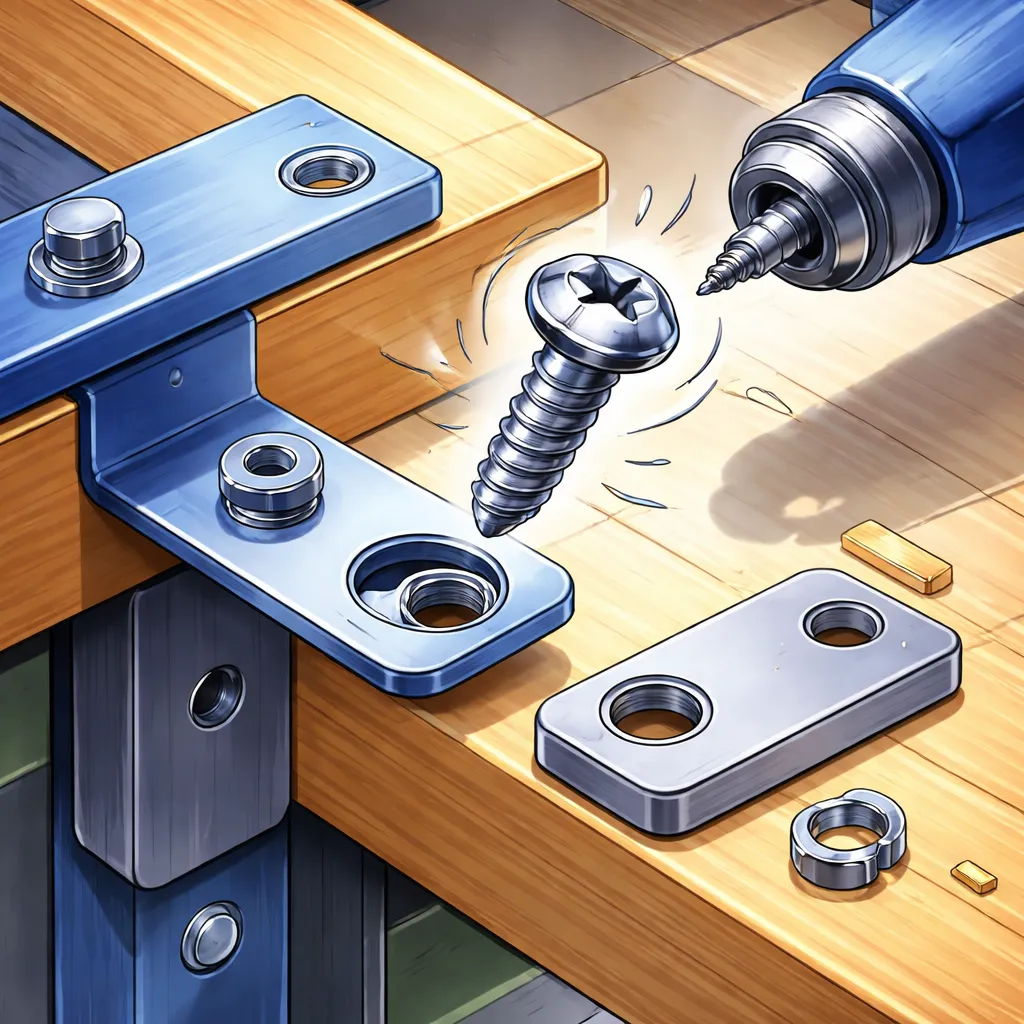
Children know when things are not held tightly. A wobbly wheel, a dangling string, an open gate. Parents say “The screw is loose” or “The bird is free ...
Read More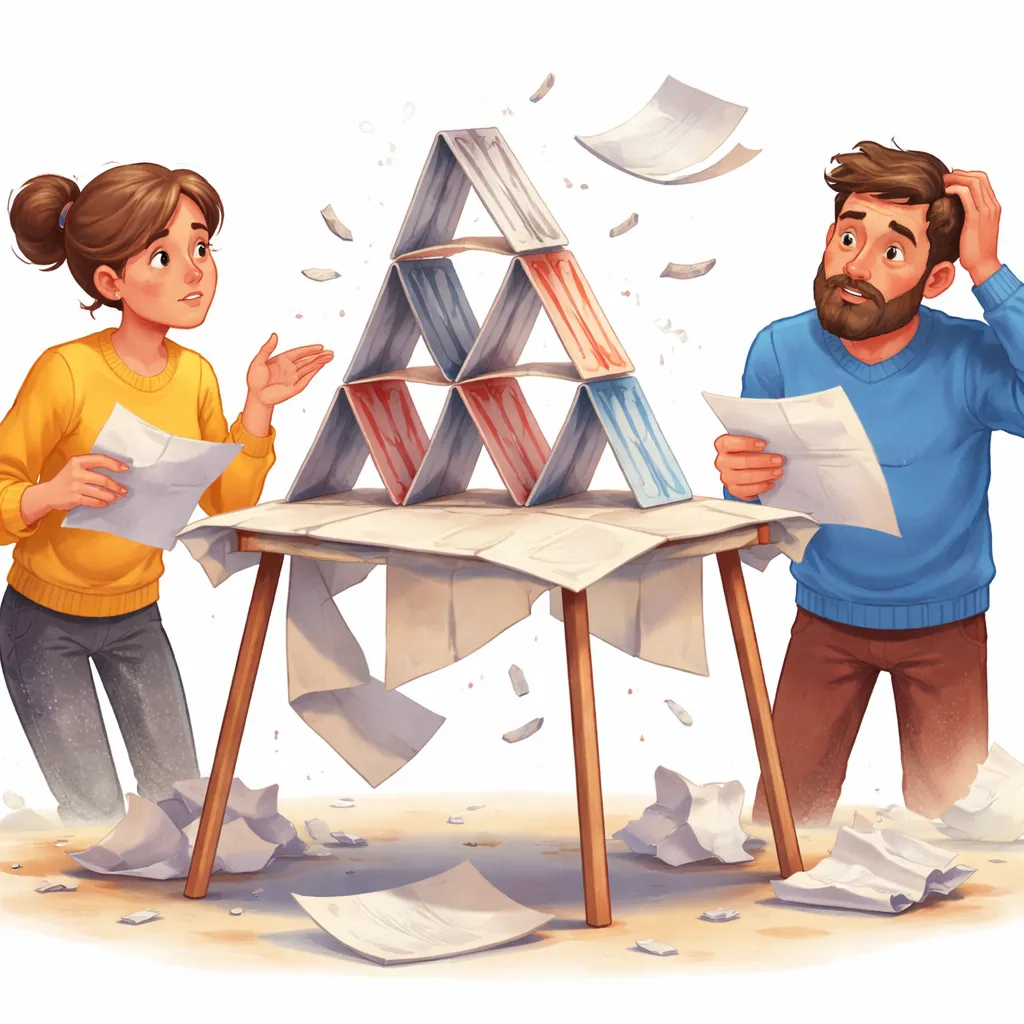
Children know when something is not strong. A thin paper, a broken toy, a tired arm. Parents say “The branch is weak” or “The excuse sounds flimsy.” A ...
Read More
Children know when things are held firmly. A shoelace, a jar lid, a seatbelt. Parents say “The knot is tight” or “Make sure the door is secure.” Are “ ...
Read More