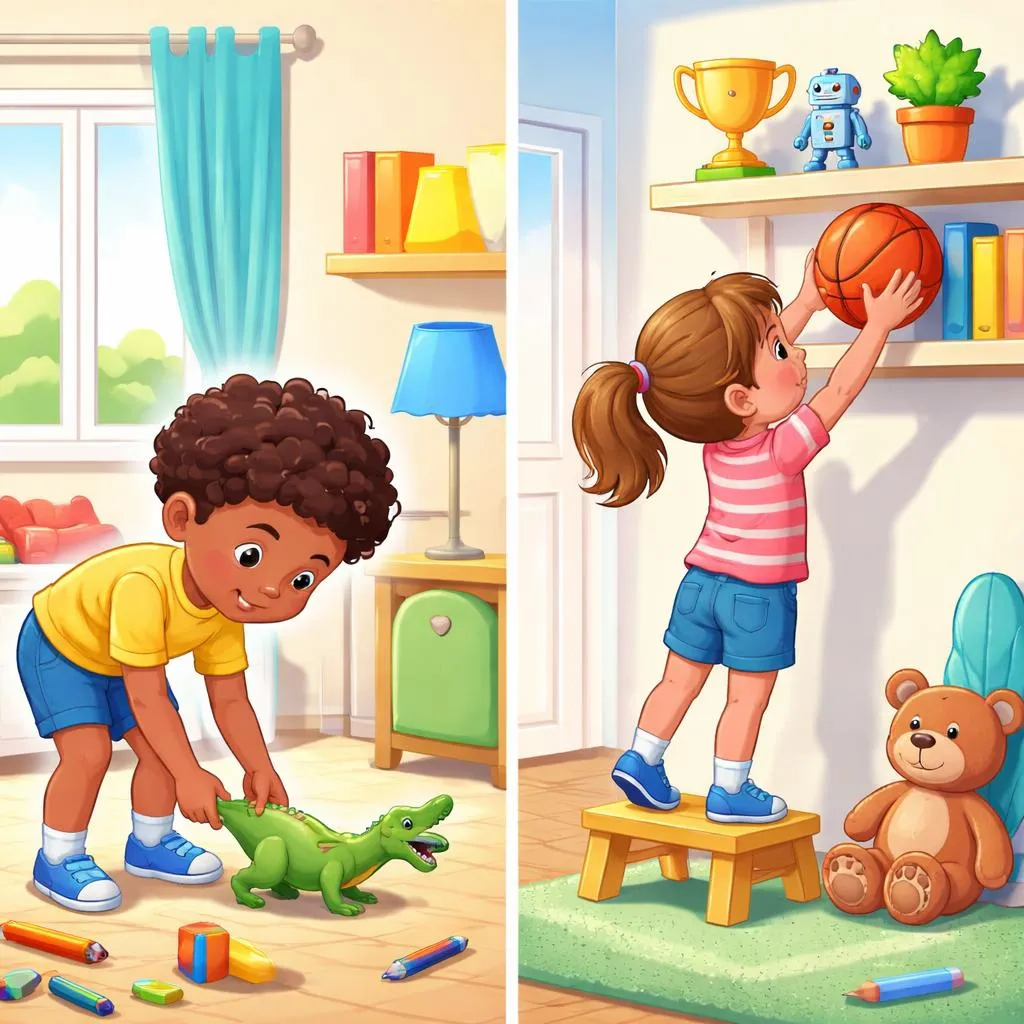
When Should a Child “Pick It Up” from the Floor or “Lift It Up” to a High Shelf?
Children move objects. From the floor to a table. From a low shelf to a high one. Two common phrases describe upward movement. “Pick it up” and “Lift ...
Read MoreChildren move objects. From the floor to a table. From a low shelf to a high one. Two common phrases describe upward movement. “Pick it up” and “Lift ...
Read More
Children live with devices. Lights, tablets, fans, TVs. Two common phrases start machines. “Turn on” and “Switch on.” Both mean “make something start ...
Read More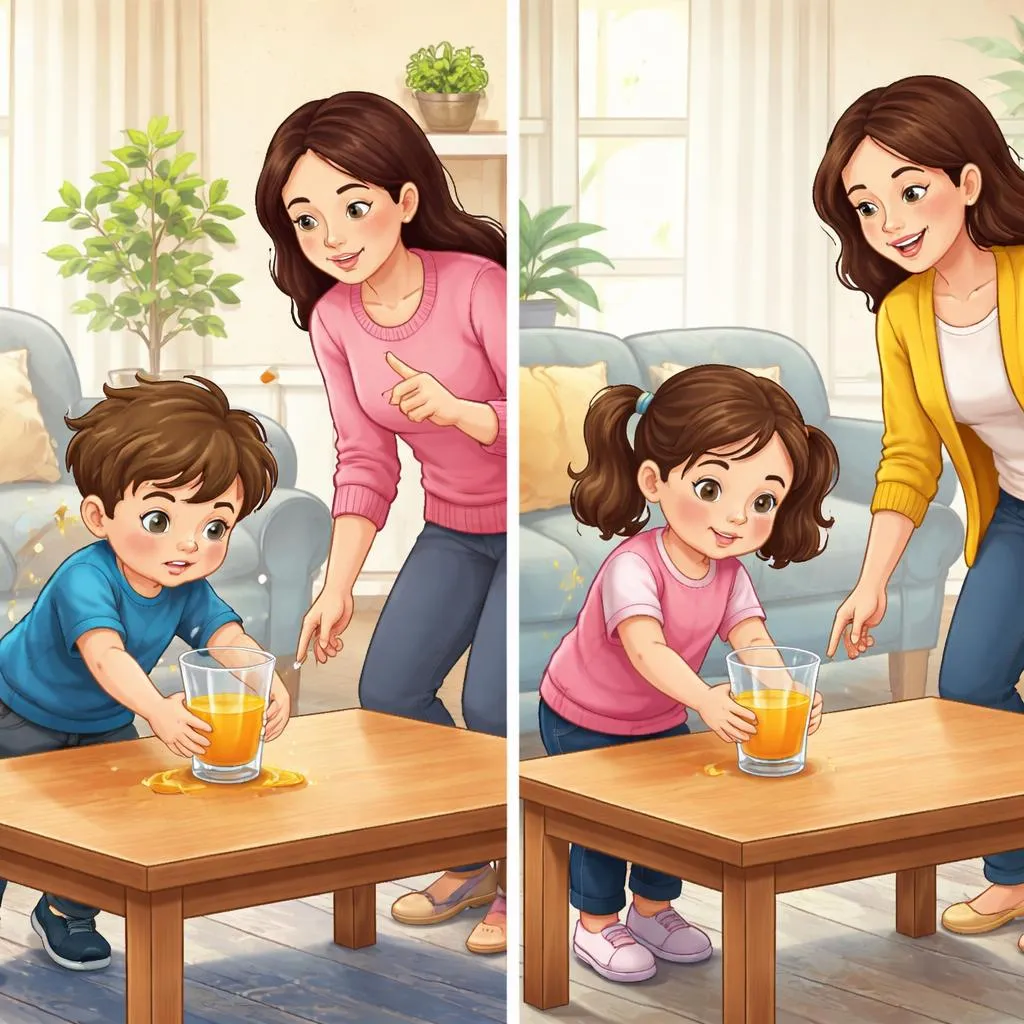
Children hold things. A glass. A book. A toy. Then they need to place them somewhere. Two common phrases ask for careful placement. “Put it down” and ...
Read More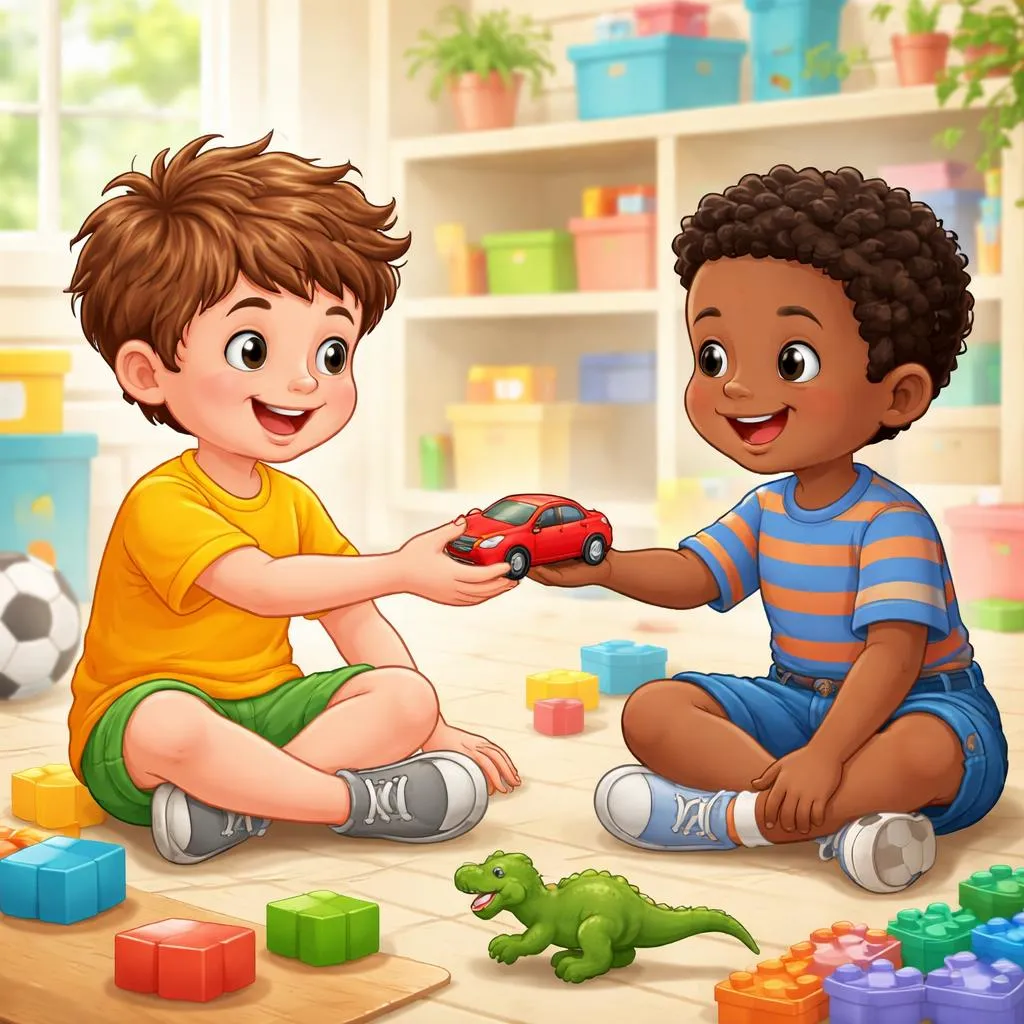
Children offer things to each other. A cracker. A turn on the swing. A pencil. Two common phrases invite someone to take something. “Take it” and “Gra...
Read More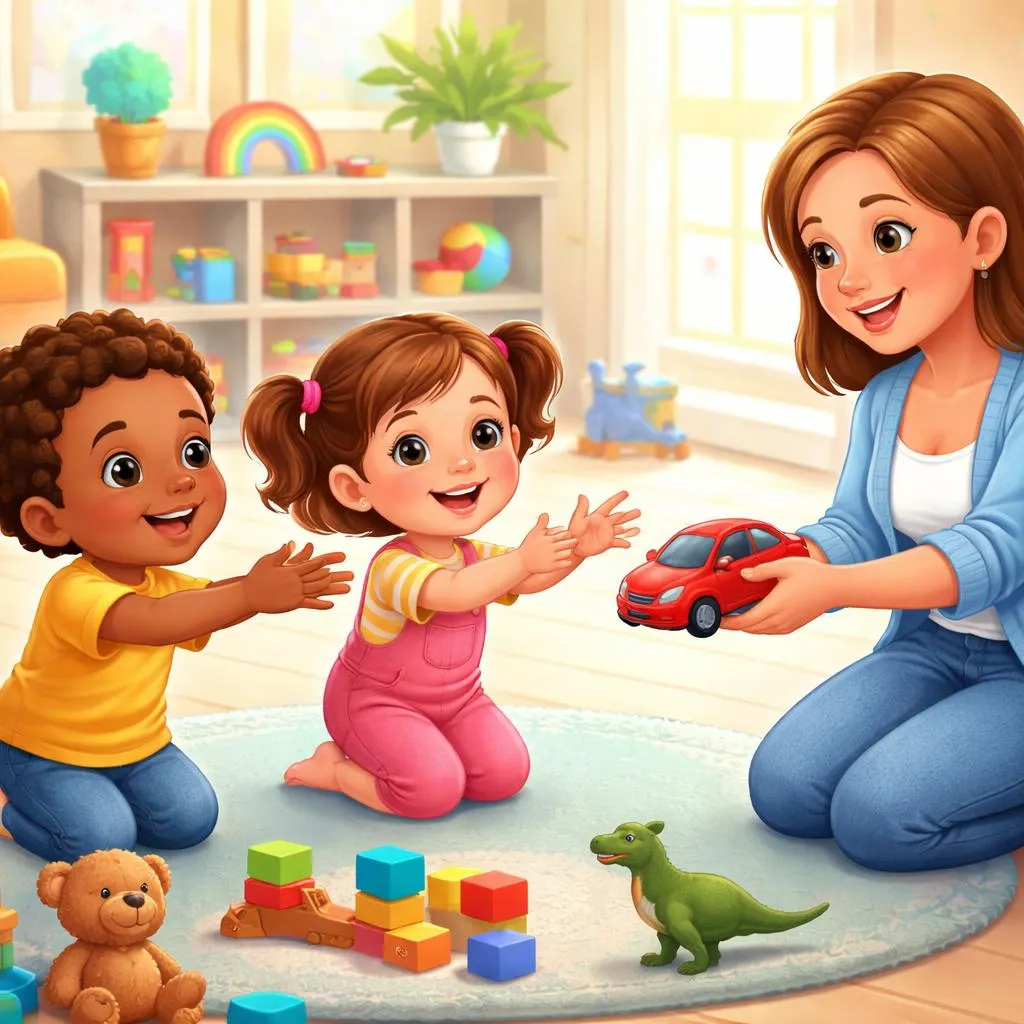
Children ask for things all day. A crayon. A snack. A book. Two common phrases make requests. “Give me” and “Hand me.” Both mean “pass that object to ...
Read More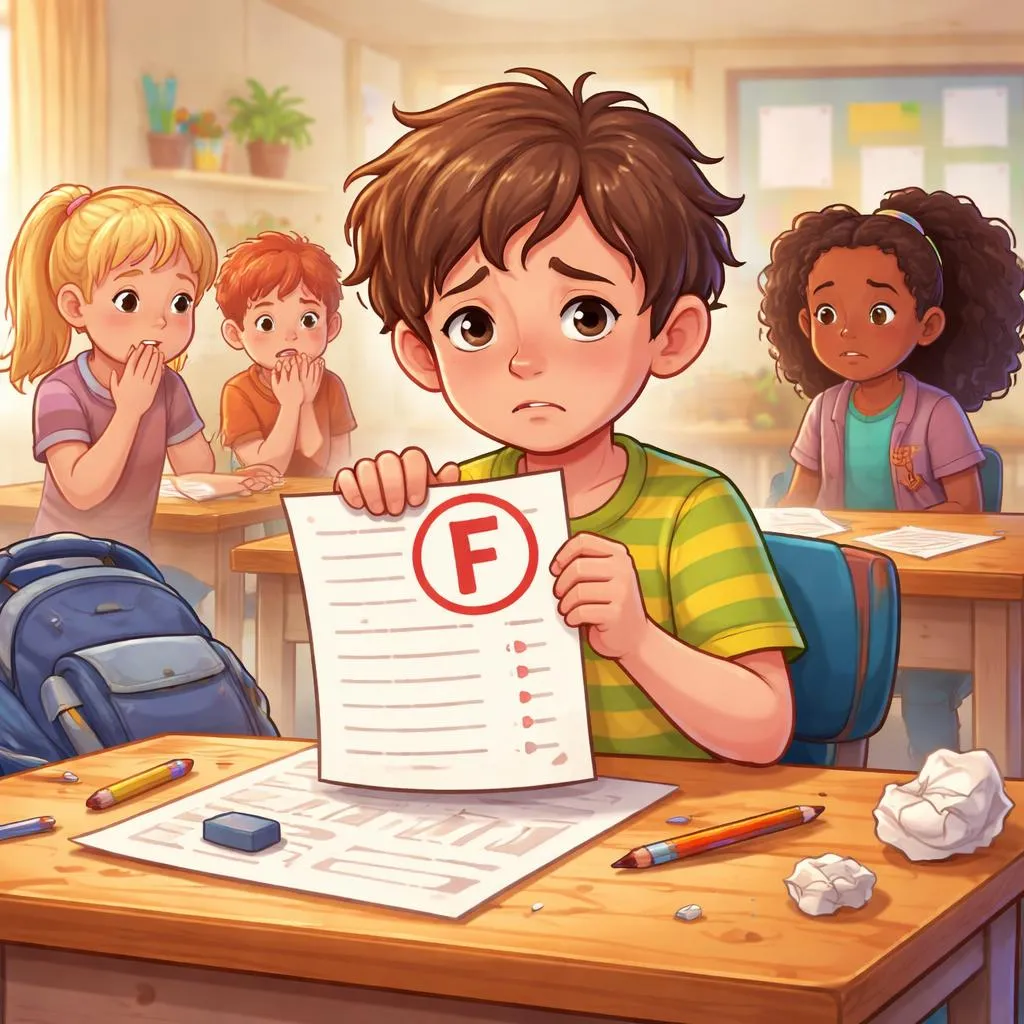
Sometimes things go wrong. The worst day. The poorest score. Two common words describe the lowest quality. “Worst” and “The poorest.” Both mean “of th...
Read More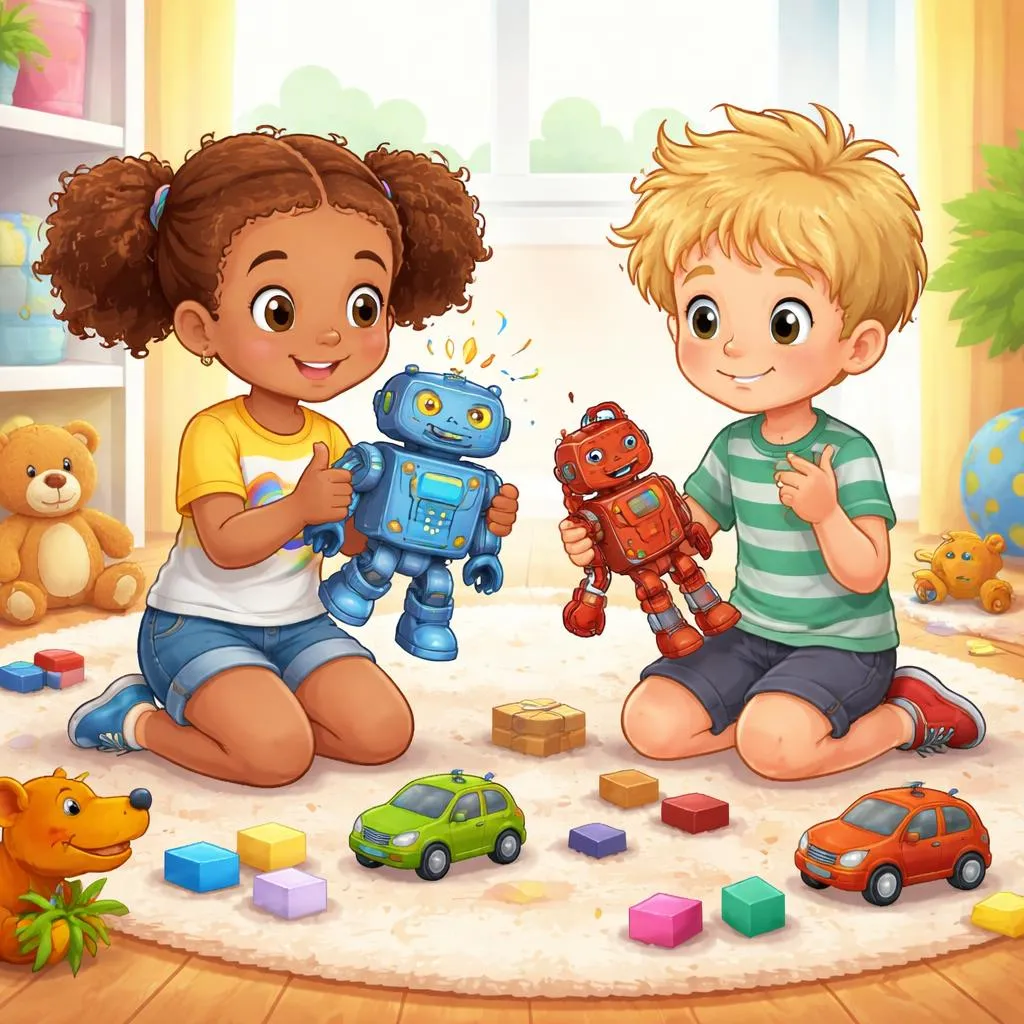
Children notice differences. This game is less fun. That snack tastes worse. Two common words describe lower quality. “Worse” and “Inferior.” Both mea...
Read More
Children love the best things. The best toy. The best snack. The best friend. Two common words describe the highest quality. “Best” and “The finest.” ...
Read More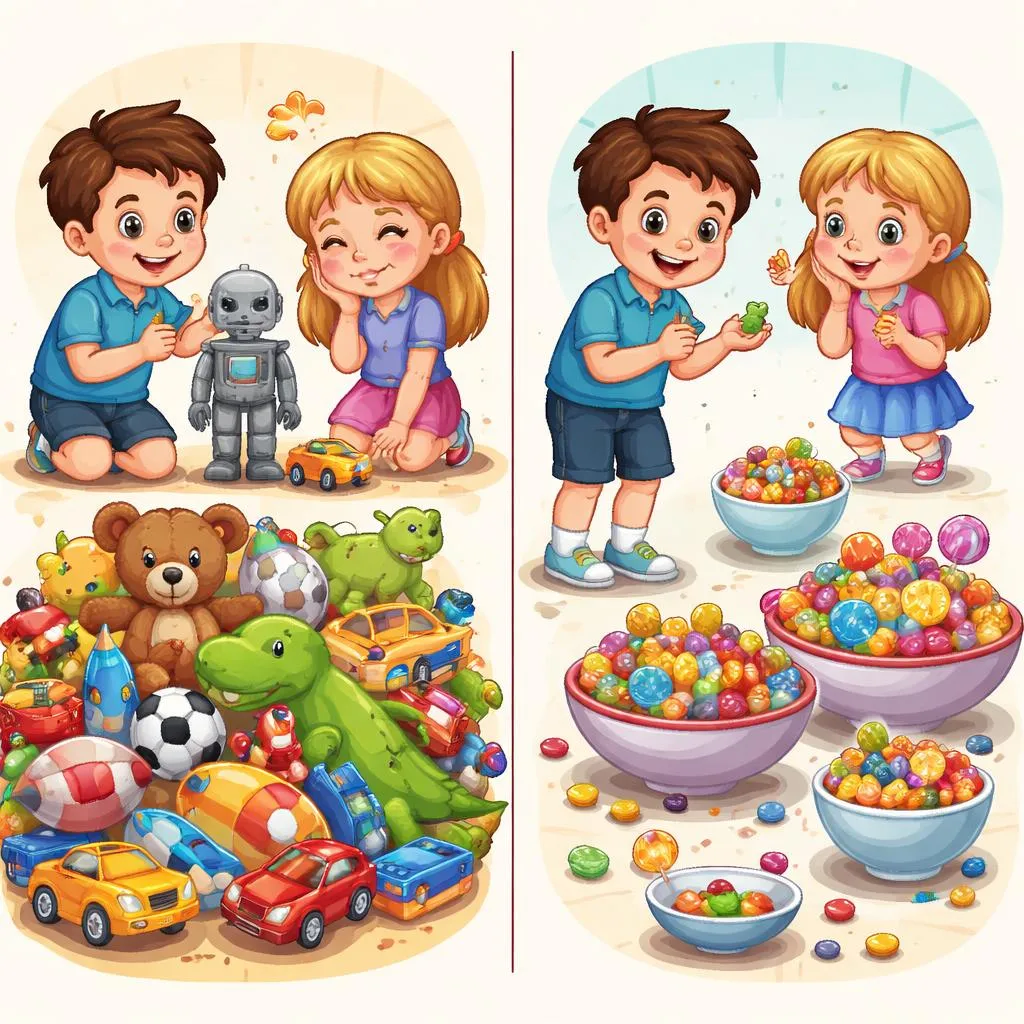
Sometimes we choose the smallest. The least amount of noise. The smallest amount of medicine. Two common phrases describe the minimum. “Least” and “Th...
Read More
Children compare things daily. This game is better. That snack is superior. Two common words describe higher quality. “Better” and “Superior.” Both me...
Read More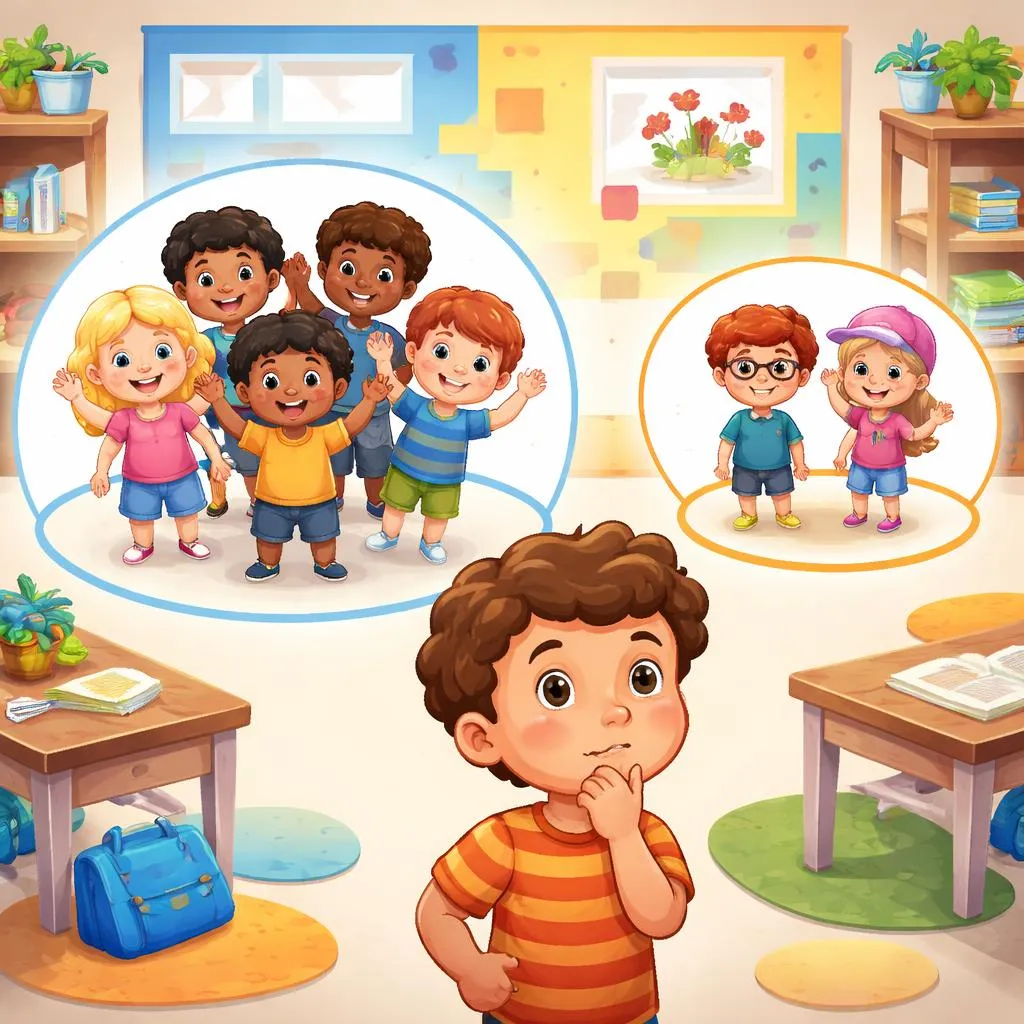
Children look at groups. Most of the class. The majority of the team. Both phrases mean “more than half.” Both say “the larger part.” But one is short...
Read More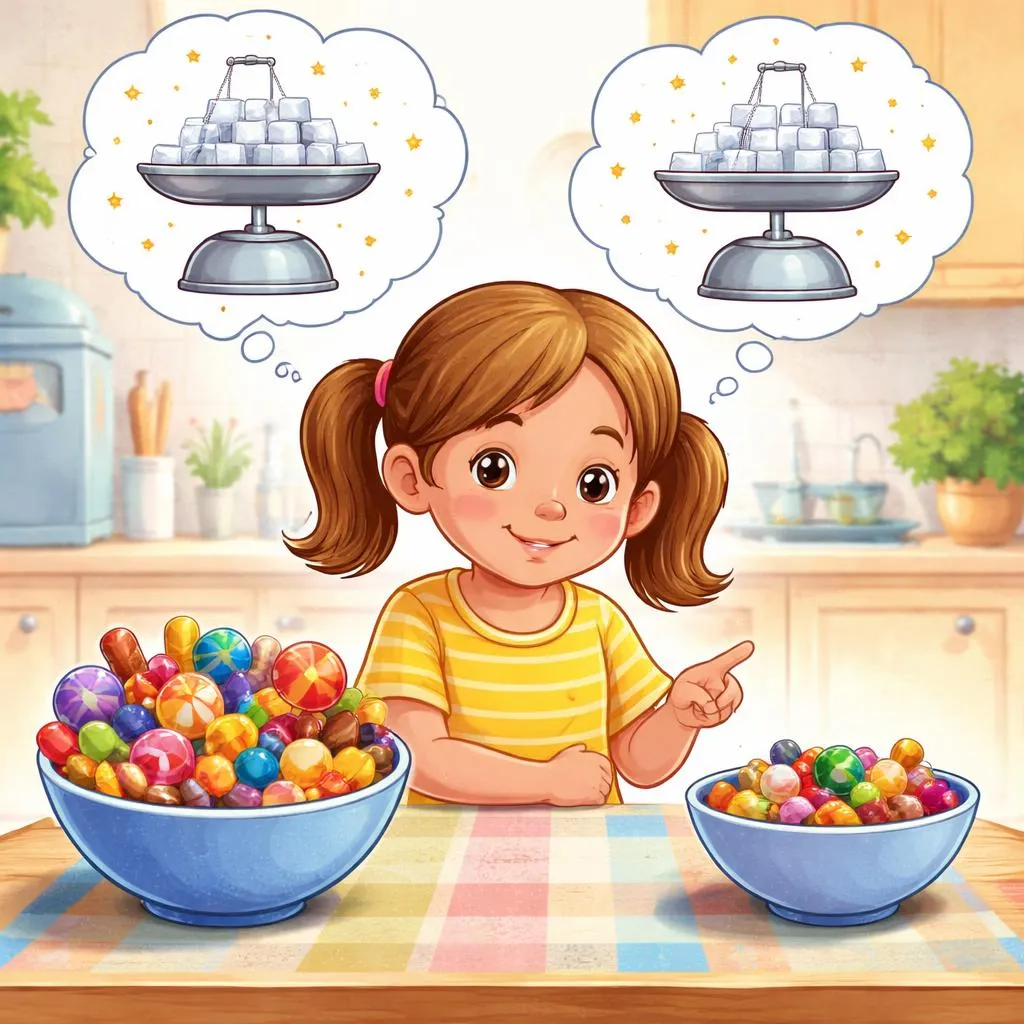
Not everything needs a lot. Sometimes children want less. Less noise. Less homework. Less sugar. Two common phrases describe a smaller quantity. “Less...
Read More