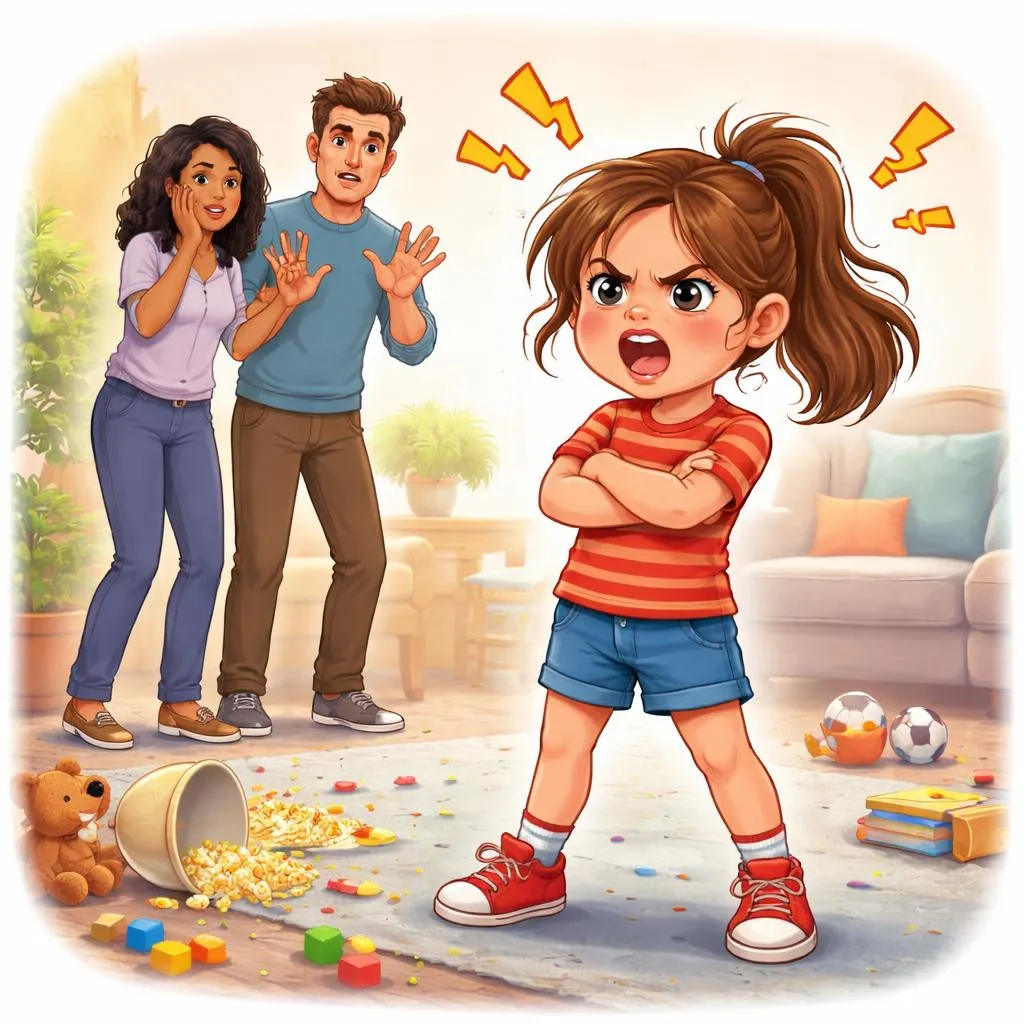
When Should a Child Say “Never” Instead of “Not Ever” to Show Strong Feeling?
Some things simply do not happen. Some things should never happen. Children learn to say no to actions and habits. Two common phrases express zero fre...
Read MoreSome things simply do not happen. Some things should never happen. Children learn to say no to actions and habits. Two common phrases express zero fre...
Read More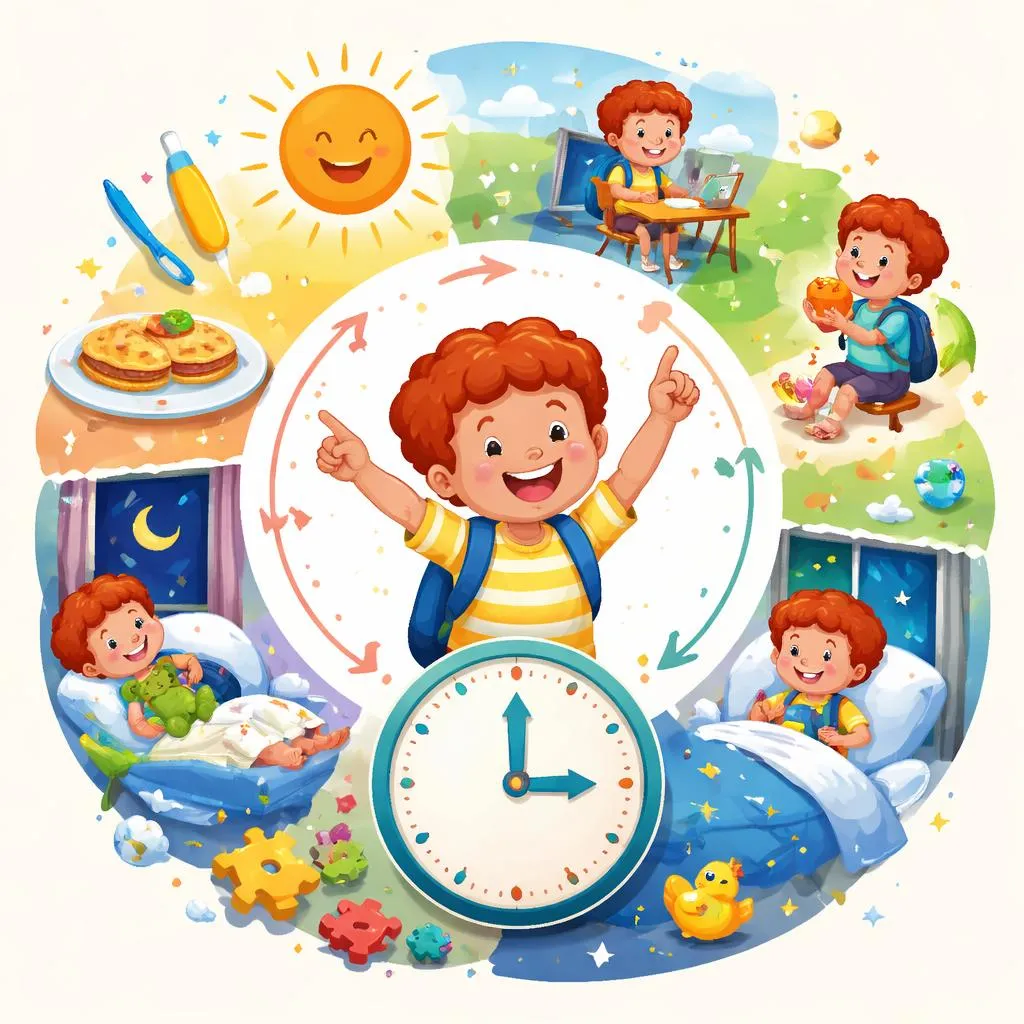
Children live in routines. Breakfast every morning. Bedtime every night. Playtime after school. Two common phrases describe repetition. “Always” and “...
Read More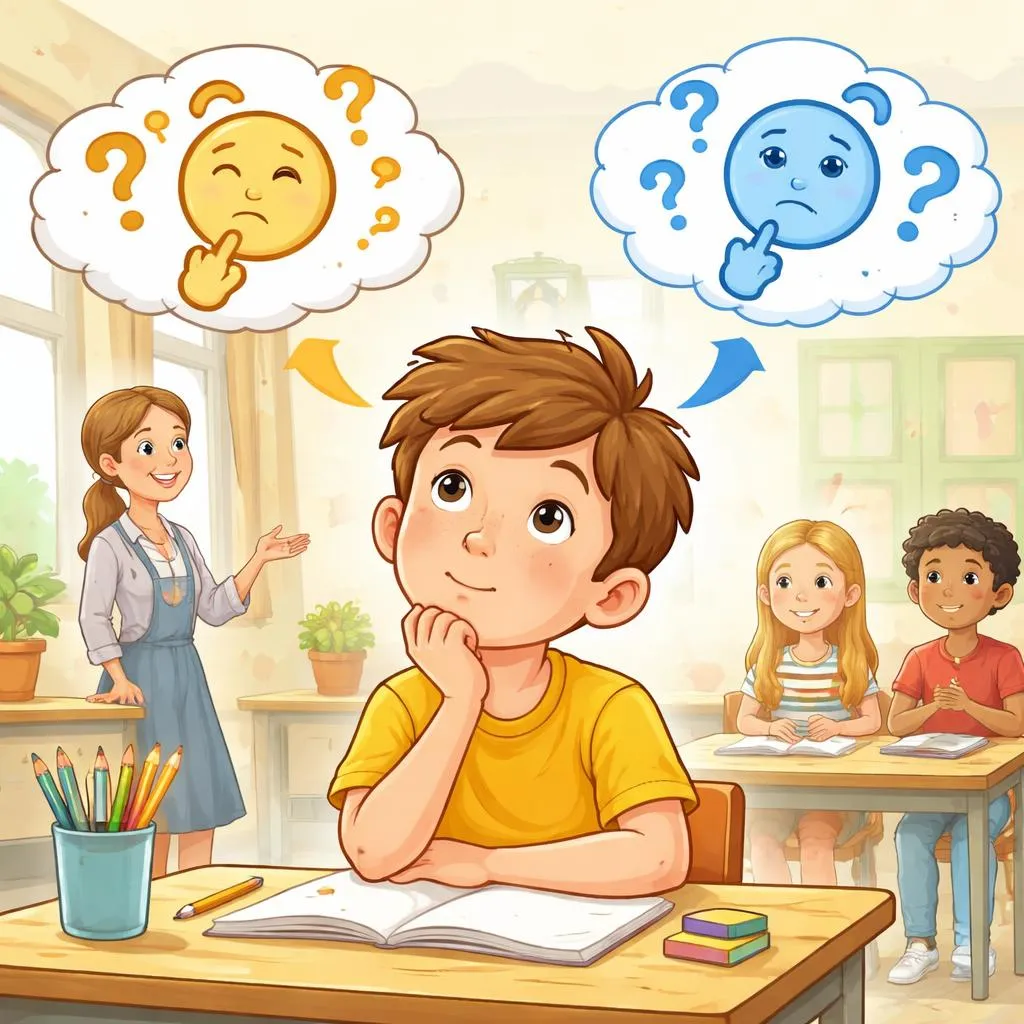
Life is full of unclear answers. Will it rain? Can we go to the park? Did I pass the test? Two common words express uncertainty. “Maybe” and “Perhaps....
Read More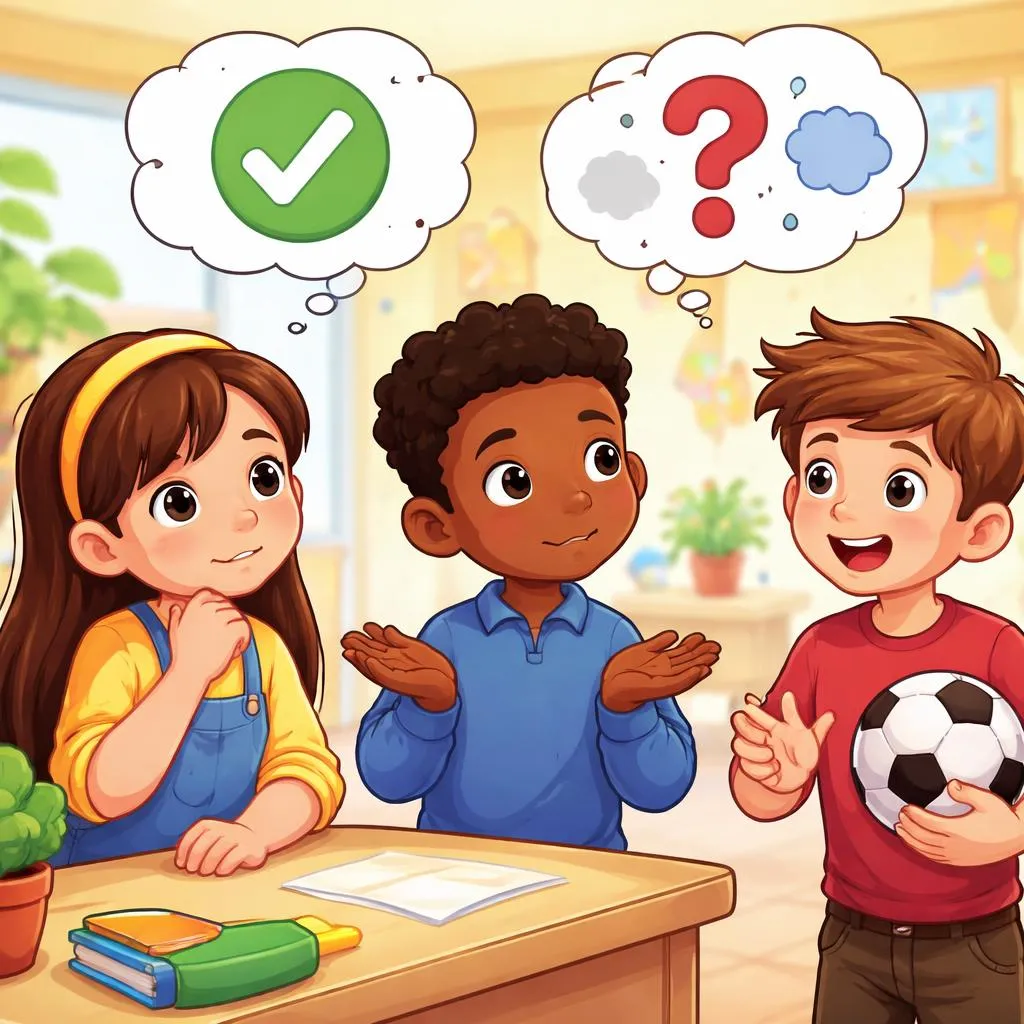
Children hear claims every day. "It will rain later." "You will love this food." "This toy is the best." Sometimes they disagree. Two common phrases e...
Read More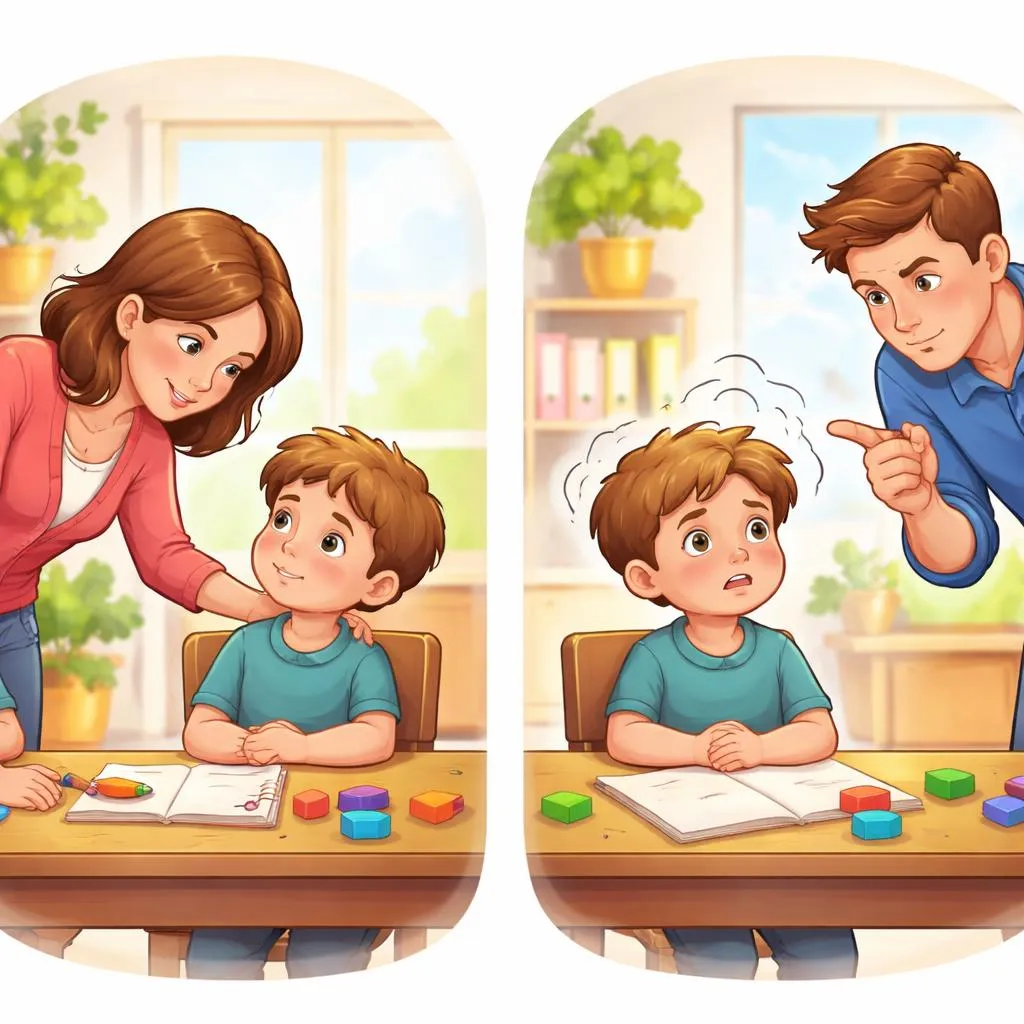
Children get distracted. Their minds wander. Their eyes drift. Two common phrases bring them back. “Listen to me” and “Pay attention.” Both mean “focu...
Read More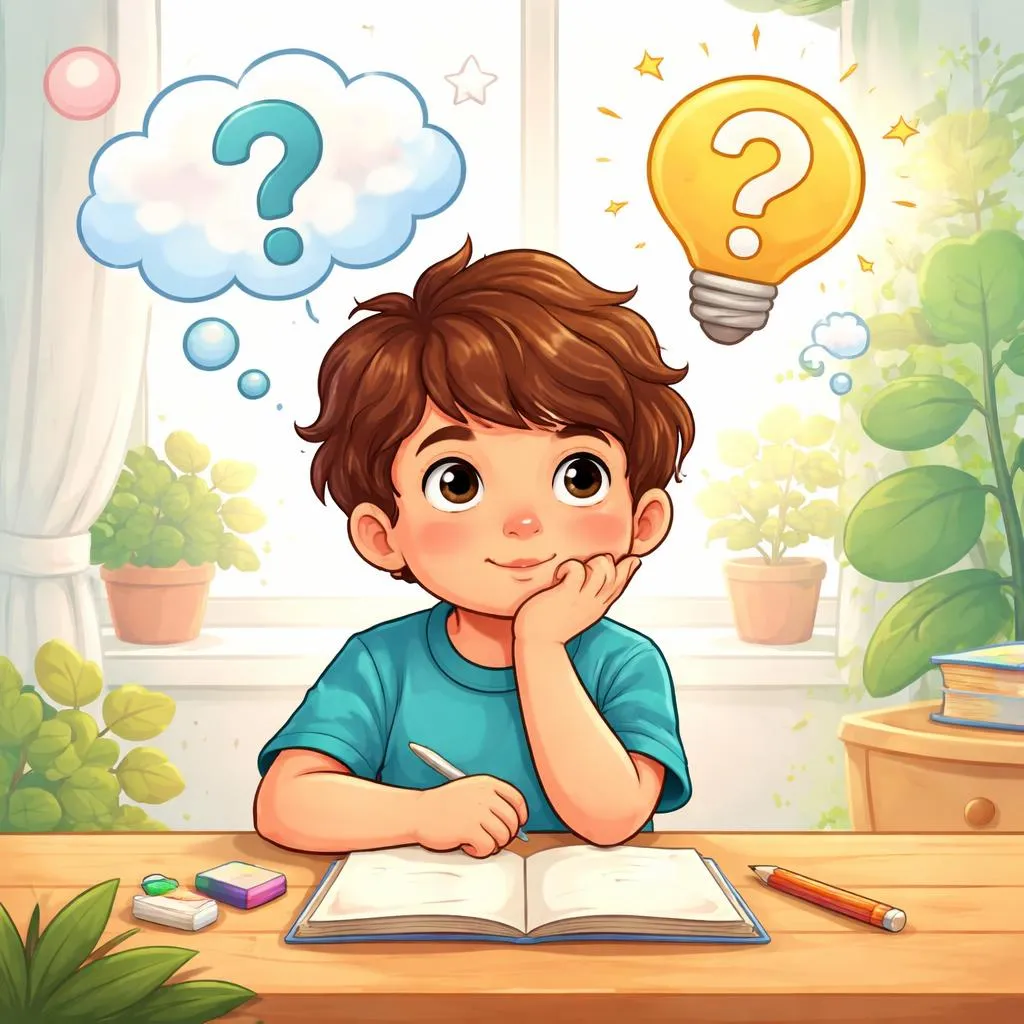
Children face questions without perfect answers. Is it going to rain? Did I do the math right? Will the bus come soon? Two common phrases express unce...
Read More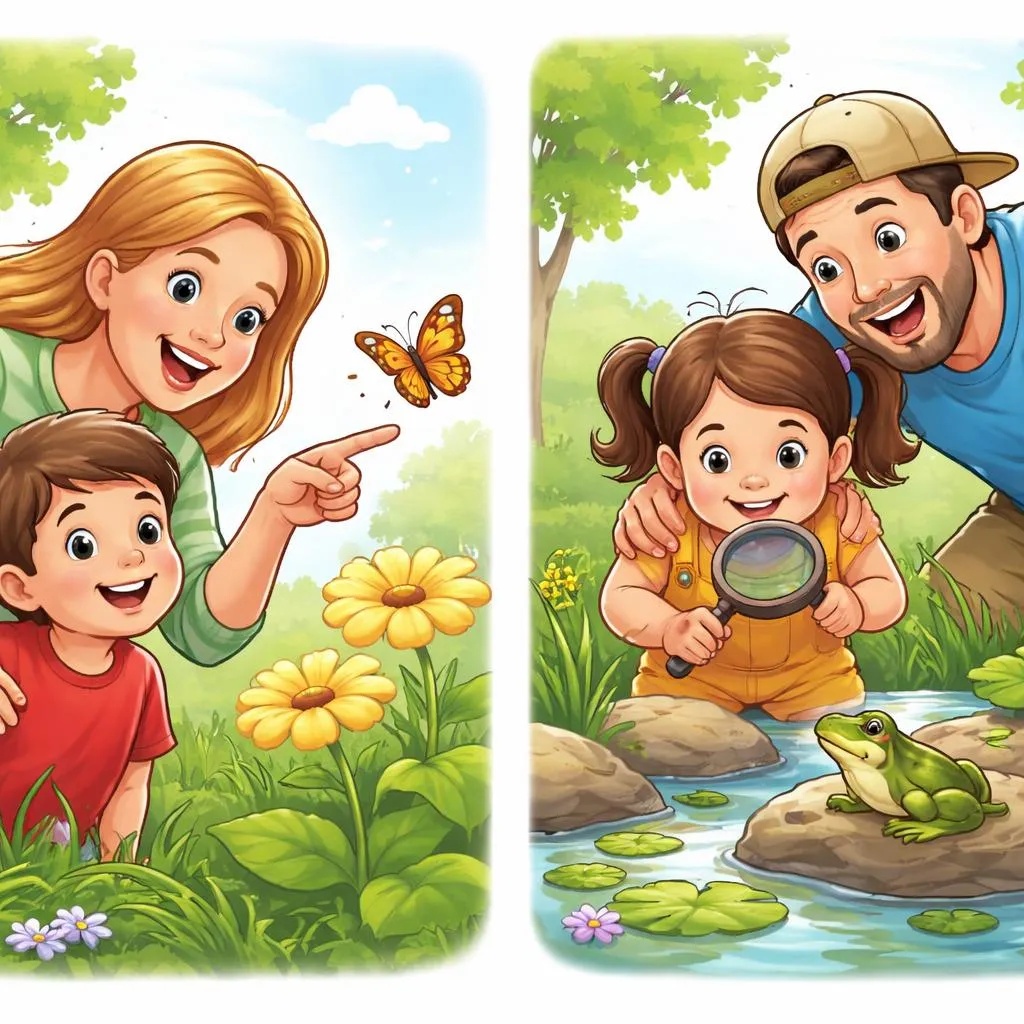
Children notice amazing things every day. A butterfly. A big truck. A rainbow. Two common phrases share discoveries. “Look at that” and “Check that ou...
Read More
Every day brings transitions. Time to leave the park. Time to start homework. Time for bed. Two common phrases begin action. “Let’s go” and “Let’s get...
Read More
Children make noise. They shout. They laugh. They ask questions. Sometimes the noise becomes too much. Two common phrases ask for silence. “Be quiet” ...
Read More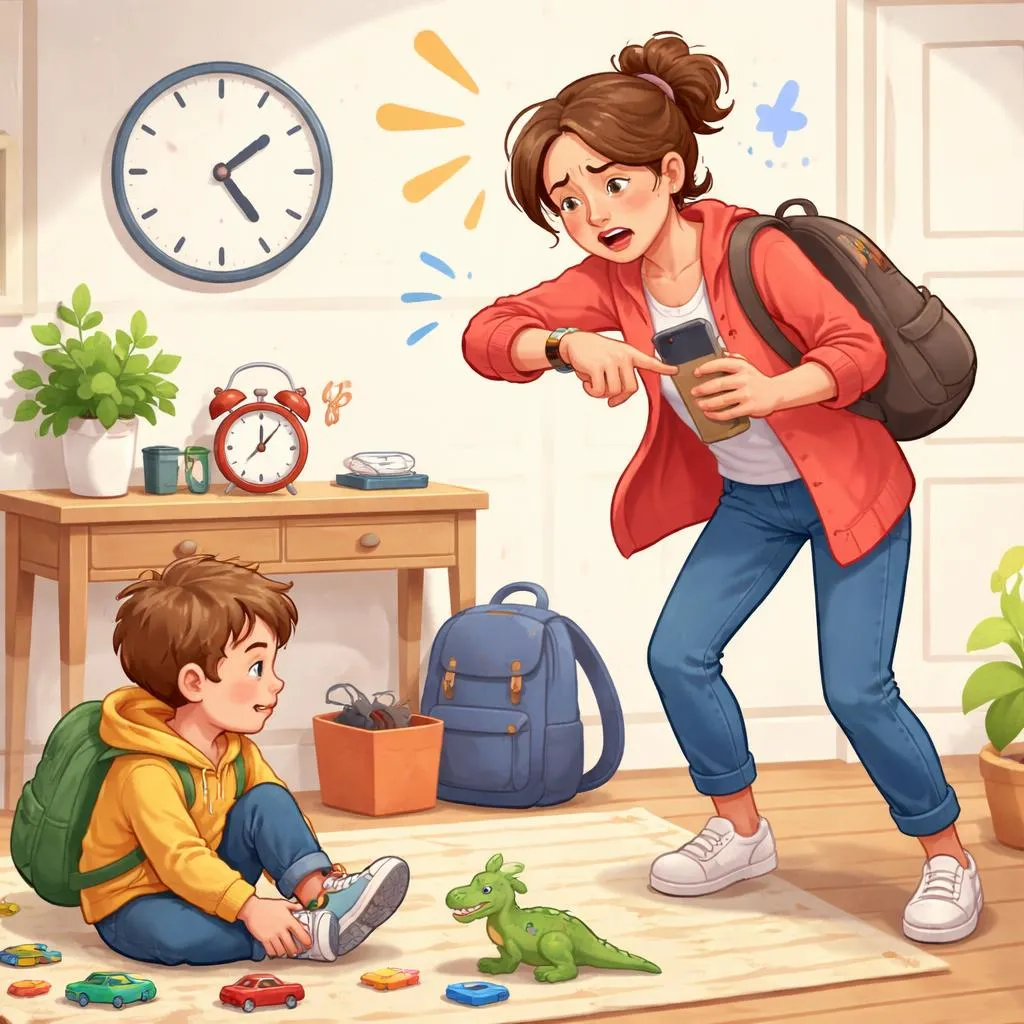
Mornings get busy. Shoes take too long. Breakfast moves slowly. Parents need children to move faster. Two common phrases urge speed. “Hurry up” and “B...
Read More
Children experience big feelings. Big joy. Big excitement. Big love. Two common phrases describe large amounts. “A lot” and “So much.” Both mean “a la...
Read More
Children talk about amounts every day. A little juice. A few crackers. Some time. Two common phrases describe small quantities. “A little bit” and “A ...
Read More