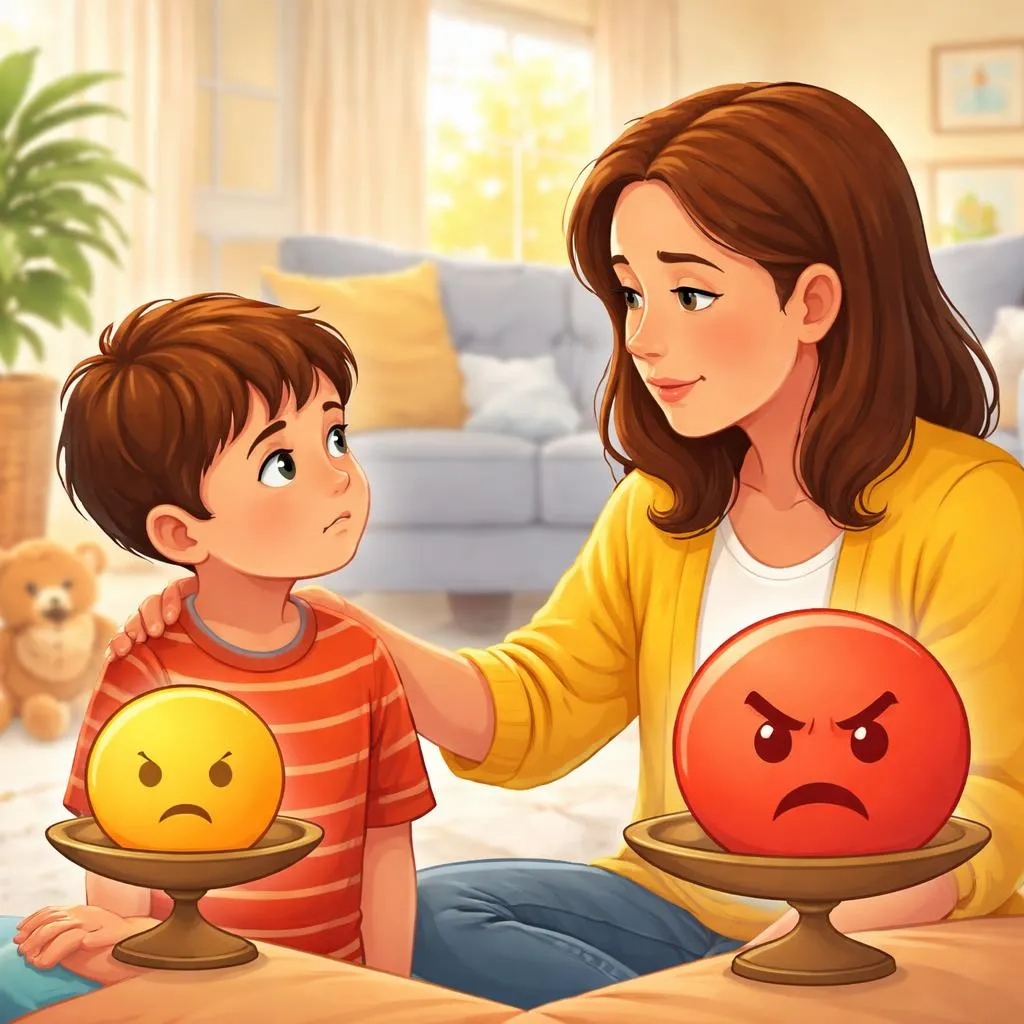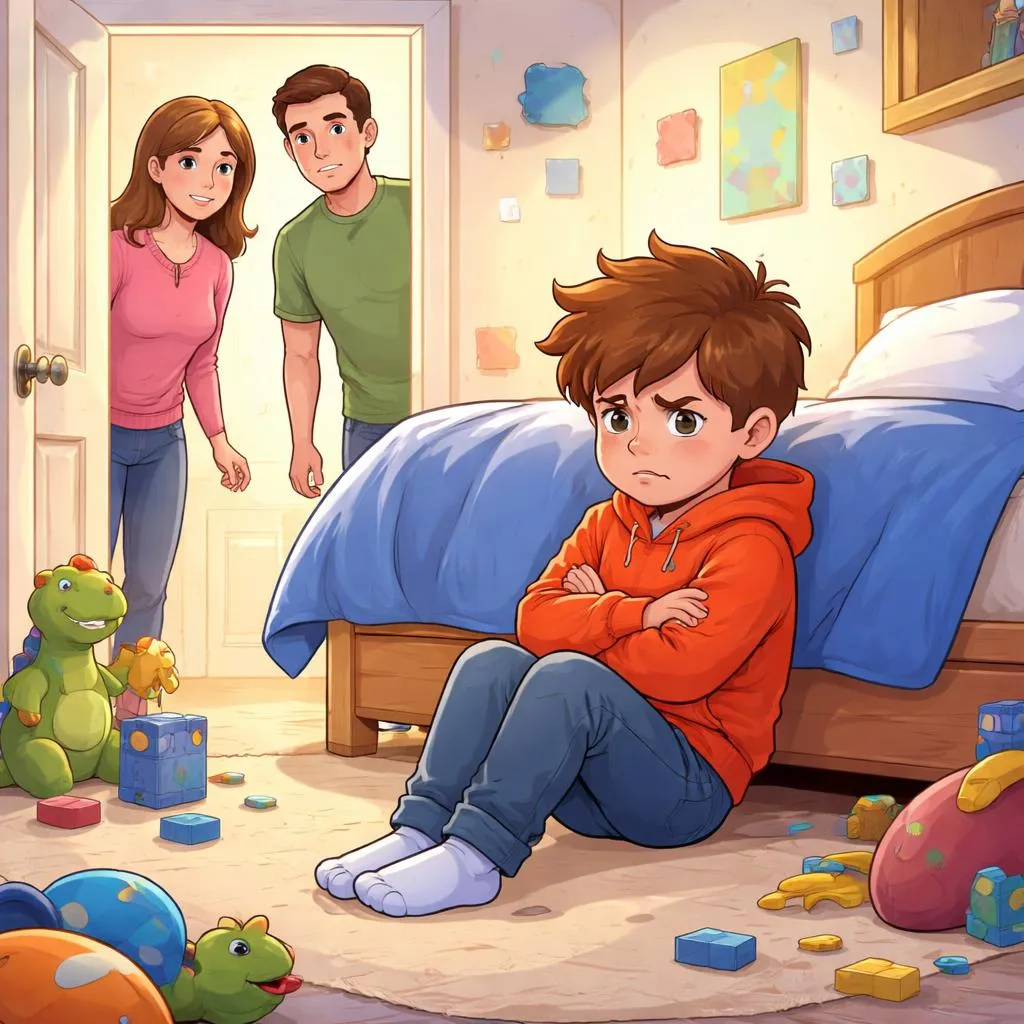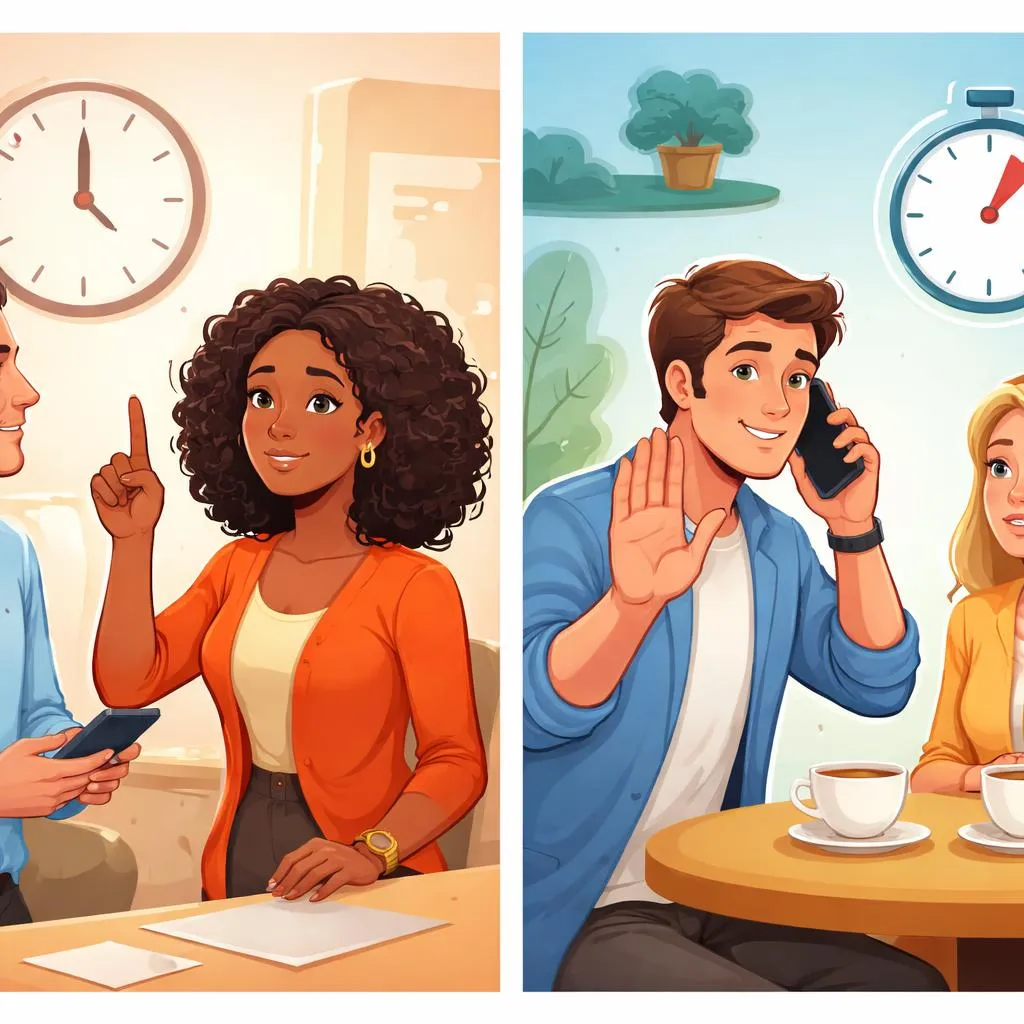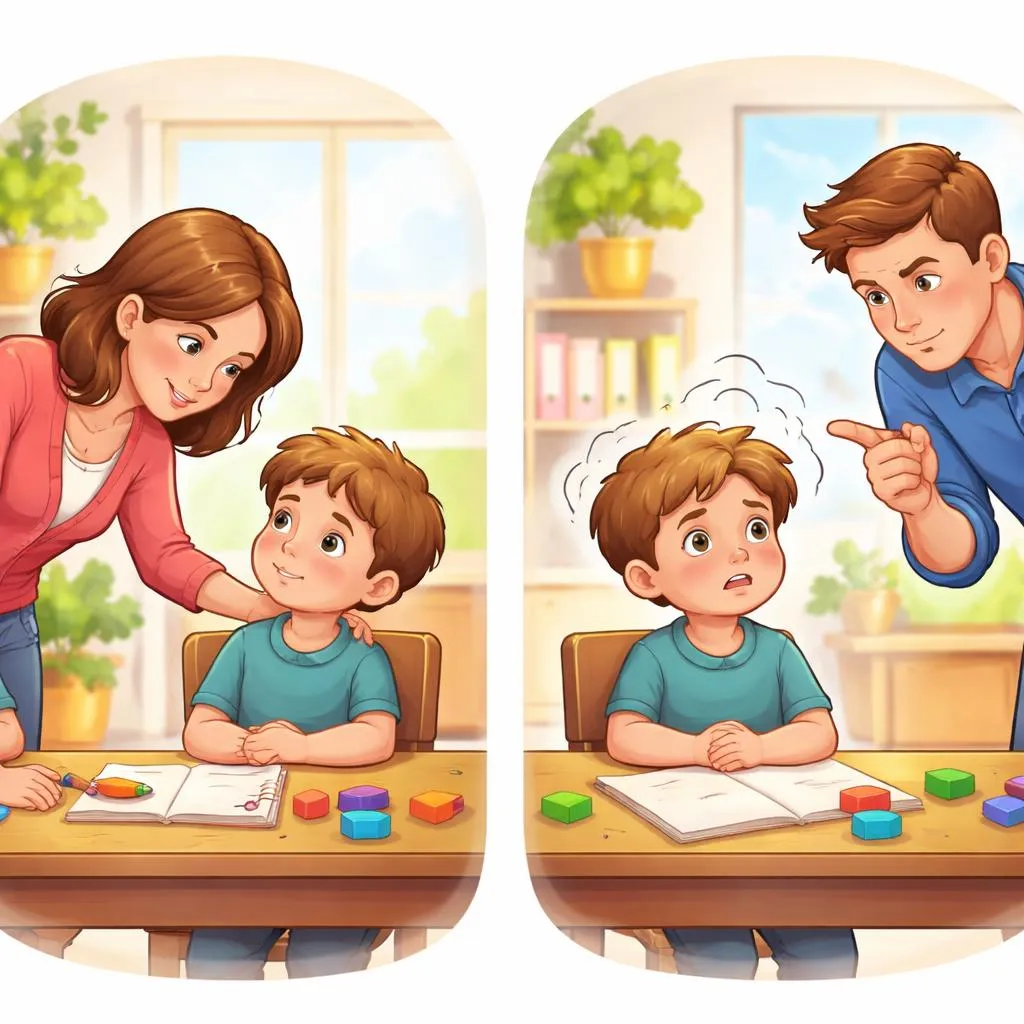

Children get distracted. Their minds wander. Their eyes drift. Two common phrases bring them back. “Listen to me” and “Pay attention.” Both mean “focus on what I am saying.” But one focuses on ears. The other focuses on the whole self. Parents and kids can learn together. Getting a child’s focus takes skill. The right words open their ears without closing their spirit. Let us explore these two focusing phrases.
What Do These Expressions Mean? “Listen to me” means “use your ears to hear my words.” It asks for auditory focus. The message is direct and personal.
For a child, think of cupping your ears. “Listen to me” says “Put your ears on my voice. Hear what I say.”
“Pay attention” means “focus your whole self on this.” Your eyes. Your ears. Your mind. Your body. “Pay” means to give. You give your attention like a coin.
For a child, think of a magnifying glass on one thing. “Pay attention” says “Put all your energy right here. Do not let it wander.” Both phrases ask for focus. Both say “stop being distracted.” They seem similar because parents use both when children do not listen. Yet one is about hearing. The other is about total focus.
What’s the Difference? The main difference is scope. “Listen to me” focuses only on hearing. The child can look away but still hear. “Pay attention” includes eyes, body, and mind. The child must stop moving. Stop looking around. Stop thinking of other things.
Another difference is urgency. “Listen to me” sounds serious. It often comes after a child ignores a request. “Pay attention” sounds more like a warning. It often comes before important information.
One more difference is length. “Listen to me” has three words. It is quick to say. “Pay attention” has two words but more syllables. It takes slightly longer.
Also, “listen to me” can feel more personal. The word “me” centers the speaker. “Pay attention” is more general. It focuses on the task or information.
Teach children that both ask for focus. One uses ears. One uses the whole body.
When Do We Use Each One? Use “Listen to me” when you need a child to hear a specific instruction. “Listen to me. Put your shoes on.” “Listen to me. Do not touch the stove.”
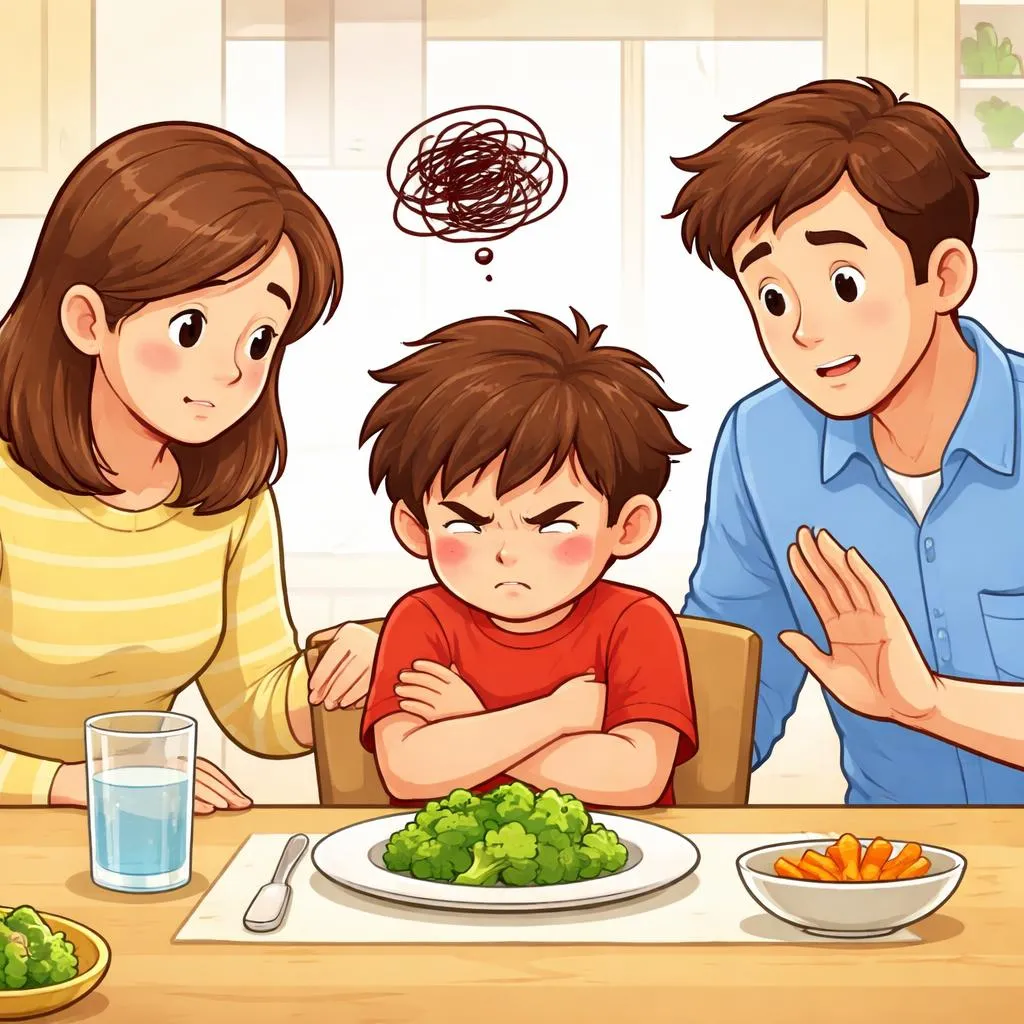
Use “Listen to me” when a child ignores you. You have asked twice. Now say “Listen to me” firmly.
Use “Listen to me” for safety. “Listen to me. Stay right here.” “Listen to me. Hold my hand.”
Use “Pay attention” before giving important information. “Pay attention. This is how you cross the street.” “Pay attention. The test rules are important.”
Use “Pay attention” when a child needs to watch something. “Pay attention to the teacher’s drawing.” “Pay attention to the traffic light.”
Use “Pay attention” for longer tasks. “Pay attention during the whole story.” “Pay attention to your math worksheet.”
Parents can model both. Say “listen to me” for quick instructions. Say “pay attention” for longer focus tasks. Children learn the difference through practice.
Example Sentences for Kids Here are simple sentences children can hear and say.
Listen to me:
Listen to me. It is time to go.
Listen to me. Do not open the door for strangers.
Listen to me. I need your help right now.
Listen to me. You forgot your backpack.
Listen to me. Please stop jumping on the couch.
Pay attention:
Pay attention to the crossing guard.
Pay attention to how I tie this knot.
Pay attention. The next part is tricky.
Pay attention to your spelling. The test is coming.
Pay attention to the road when you ride your bike.
Read these aloud. Notice how “listen to me” sounds like a direct request. Notice how “pay attention” sounds like a broader instruction.
Common Mistakes to Avoid Parents make mistakes with these phrases. Here are common errors.
Mistake 1: Saying “listen to me” when the child cannot hear because of noise. You are in a loud room. You say “Listen to me!” The child still cannot hear. Correct: Move closer. Turn off noise. Then speak.
Mistake 2: Saying “pay attention” without saying what to pay attention to. “Pay attention!” The child does not know to what. Correct: Say “Pay attention to the road” or “Pay attention to my voice.”
Mistake 3: Using a shouting voice for both. Shouting “listen to me” scares children. They shut down. Correct: Lower your voice. Firm but calm works better.
Mistake 4: Saying these phrases too often. If you say “listen to me” ten times a day, the child stops hearing it. Correct: Save these phrases for when focus really matters.
Mistake 5: Forgetting to check if the child understood. You say “listen to me” and give an instruction. The child nods but does not remember. Correct: After speaking, ask “What did I just say?” This checks listening.
Easy Memory Tips Here are simple memory tricks.
Memory tip 1: Think of a telephone and a spotlight. “Listen to me” is a telephone. It uses only ears. “Pay attention” is a spotlight. It lights up the whole thing.
Memory tip 2: Use your body. Point to your ear for “listen to me.” Point to your eyes, then ears, then head for “pay attention.”
Memory tip 3: Think about the task. If the task uses only hearing, say “listen to me.” If the task uses eyes and body too, say “pay attention.”
Memory tip 4: Draw two children. One child with big ears = “listen to me.” One child with big eyes, ears, and a still body = “pay attention.”
Memory tip 5: Use the “one minute” rule. If you need focus for less than ten seconds, say “listen to me.” If you need focus for longer, say “pay attention.”
Practice these tips during daily talks. Notice when you need ears only or whole focus.
Quick Practice Time Try these exercises. Parents read aloud. Children answer.
Exercise 1: Choose the best phrase.
Your child is running toward the street. You need them to stop and hear you right now. Do you say: a) Listen to me b) Pay attention
You are about to explain a three-step craft project. Your child needs to watch and listen. Do you say: a) Listen to me b) Pay attention
Your child is ignoring your request to wash hands before dinner. Do you say: a) Listen to me b) Pay attention
Answers: 1(a), 2(b), 3(a)
Exercise 2: Fill in the blank.
“__________. We are leaving in one minute.” (quick, personal instruction)
“__________ to the safety video. It could save your life.” (broader focus, watching and listening)
Answers: 1. Listen to me, 2. Pay attention
Bonus: Play the “Focus Game.” One person gives an instruction using “listen to me” or “pay attention.” The other person must show the right kind of focus. For “listen to me,” they cup their ears. For “pay attention,” they freeze their body and look at the speaker. Switch roles. Talk about which focus feels different.
Wrap-up Say “listen to me” for quick, personal instructions that need only hearing. Say “pay attention” for broader focus that needs eyes, ears, and body. Both help children focus. One uses the ears. One uses the whole self. Use a calm, firm voice. And always check that your child truly heard.