
Fun Introduction
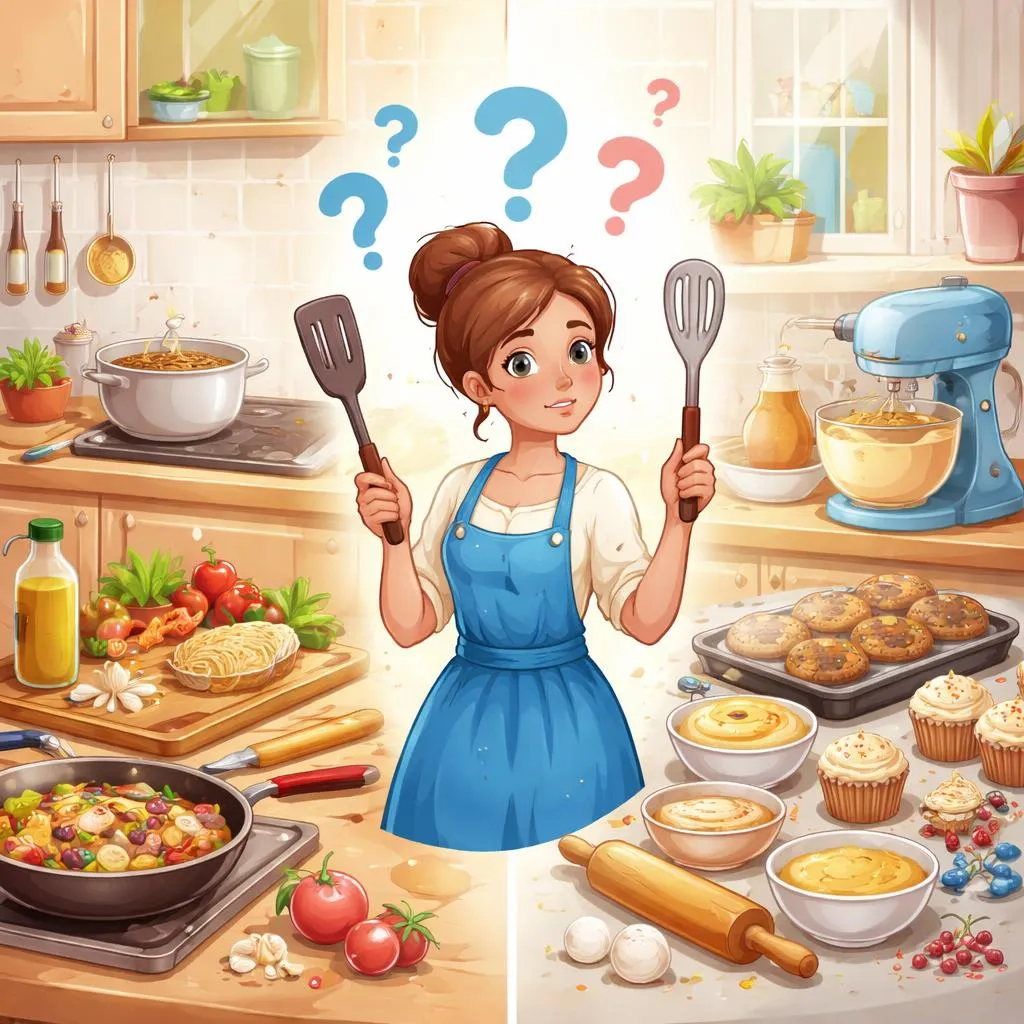
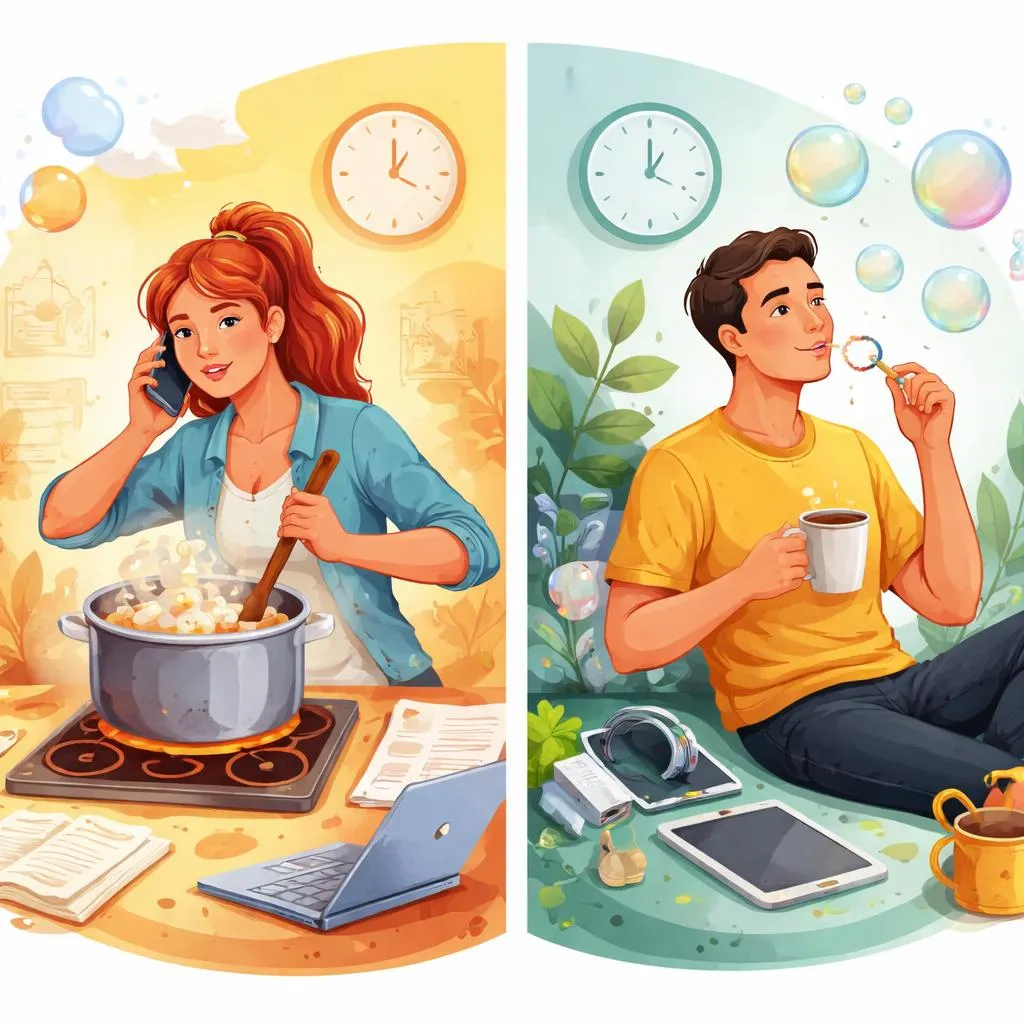
Last Saturday, Mia helped her mom cook pasta. She filled a pot with water. She boiled it until big bubbles rose. Steam danced above the pot. Later, Mia played outside with friends. She dipped a wand in soapy water. She blew gently to make bubbles. They floated in the air. Both had bubbles. But one made dinner. The other was pure fun. Let’s learn the difference.
Word Breakdown
Core Principle
We reject boring dictionary definitions. We use pictures in your mind. We add functions and memory hooks. This helps you remember forever.
Boil To Do
Image: Imagine a pot of water on the stove. Big bubbles roll and pop. That is boil to do. It means heating liquid until it bubbles vigorously.
Function: It is for cooking food. Like boil pasta for dinner. Or boil eggs for breakfast.
Sensory Description: You hear a rolling sound. You see steam rising. Your nose smells hot water.
Memory Anchor: A pot with a lid rattling. See the steam? That is boil to do.
Bubble To Do
Image: Think of dipping a wand in soap. You blow gently. Colorful spheres float up. That is bubble to do. It means creating thin, fragile bubbles for fun.
Function: It is for play and science. Like bubble with soap in the bath. Or bubble with vinegar and baking soda.
Sensory Description: You see rainbow colors. You feel a pop on your skin. Your ears hear a soft pop.
Memory Anchor: A wand with a ring of soap. See the floating sphere? That is bubble to do.
Advanced Comparison
Boil is for hot cooking. Bubble is for playful spheres. Boil uses high heat. Bubble uses gentle breath. Use boil for food. Use bubble for fun.
Scene Comparison
Scene One happens in the kitchen. Leo helps make spaghetti. He boils water in a large pot. Bubbles churn and steam fills the air. His mom adds pasta. This is boil to do—cooking with heat.
Scene Two takes place in the bathtub. Emma pours bubble bath under the faucet. She bubbles the water with her hands. White foam covers the tub. This is bubble to do—creating foam for fun.
Scene Three occurs during science class. Ben mixes vinegar and baking soda. He bubbles the mixture to make carbon dioxide. The bubbles overflow the cup. This is bubble to do—making gas bubbles for learning.
Pitfalls Deep Reminder
Mistake One is saying “I bubbled the soup.” Why wrong? Soup needs boiling to cook. Bubbling is for soap. Funny result? Friends imagine you blowing bubbles into soup. Correct phrase is boil the soup. Memory trick: Boil is for hot food.
Mistake Two is saying “I boiled the soap.” Why wrong? Soap makes bubbles when blown. Boiling might ruin it. Funny result? Bath time has no bubbles. Correct phrase is bubble with soap. Memory trick: Bubble is for play.
Mistake Three is saying “I bubbled the eggs.” Why wrong? Eggs need boiling to cook. Bubbling does nothing. Funny result? Breakfast is raw and cold. Correct phrase is boil the eggs. Memory trick: Boil for cooking.
Mistake Four is saying “I boiled the bubble solution.” Why wrong? Solution makes bubbles when blown. Boiling evaporates it. Funny result? No bubbles for the fair. Correct phrase is bubble with the solution. Memory trick: Bubble for fun.
Interactive Exercises
Choose the Right Phrase
Read each sentence. Pick boil or bubble.
I ___ water for my oatmeal. (boil/bubble)
She ___ the bathwater with bubble bath. (boil/bubble)
We ___ the mixture to make a volcano. (boil/bubble)
He ___ eggs for the picnic. (boil/bubble)
They ___ with soap in the sink. (boil/bubble)
Mini Theater
Act with a friend. Use the phrases.
Scene A: Cooking Time
A: My potatoes are hard. I need to ___ them.
B: Put them in boiling water.
Scene B: Bath Fun
A: Look at all this foam! I ___ the water.
B: Let’s make more bubbles.
Spot the Mistake
Which sentence sounds odd? Explain why.
Sentence: I bubbled the tea kettle.
Reason: Kettles need boiling. Use boil instead.
Sentence: I boiled the bubble wand.
Reason: Wand makes bubbles. Use bubble instead.
Sentence: We bubbled the pasta.
Reason: Pasta needs boiling. Use boil instead.
Create Sentences
Use both phrases.
Boil to do: I boil carrots until they are soft.
Bubble to do: I bubble with soap in the shower.
Bonus Challenge
You want to cook corn on the cob. Do you boil or bubble it? Answer: Boil. It needs heat.
Rhyme Time
Boil for heat, bubble for play.
One makes food, one floats away.
Hot and steamy? Choose boil.
Light and floaty? Bubble to enjoy.
Homework Task
Pick one activity. Complete it this week. Share with family.
Option One: Drawing Journal. Get a small notebook. Draw three pictures. Write a sentence under each.
Picture One: You boil something. Sentence: I boiled noodles for lunch.
Picture Two: You bubble something. Sentence: I bubbled the bath for my sister.
Picture Three: You boil something else. Sentence: I boiled eggs for breakfast.
Show your journal to a parent. Explain the differences.
Option Two: Role Play. With a parent, act out moments. Use phrases correctly.
You: Mom, I will boil the potatoes now.
Parent: Watch the timer so they don’t overcook.
You: Dad, I need to bubble the water.
Parent: Add more bubble bath under the tap.
Practice until it feels natural.
Option Three: Sharing Time. Tomorrow at school, tell a friend. Describe one boil and one bubble. Say: Yesterday I boiled rice. I bubbled with soap in the tub. Ask your friend about theirs.
Life Practice
Week Challenge: Try one task. Complete within seven days. Share your success.
Task One: Observation Log. For three days, note boil and bubble moments. Draw icons.
Day One: Boil pasta. Draw a pot icon.
Day Two: Bubble bath. Draw a bathtub icon.
Day Three: Boil eggs. Draw an egg icon.
Show your log to your teacher. Place it on the classroom wall.
Task Two: Action Demo. Use both phrases in real actions.
Step One: Heat water in a pan. Say: I boil this for tea.
Step Two: Blow through a straw in soapy water. Say: I bubble with this solution.
Demonstrate to a sibling. Explain the difference.
Task Three: Social Mission. Use phrases with others.
Boil a friend’s hot dog. Say: I boiled this for you!
Bubble with a classmate in the sink. Say: Let’s bubble with soap!
Record a short voice message. Send it to your teacher.
Task Four: Creative Story. Write a short tale. Include both phrases.
Title: The Bubble Chef.
Story: I boiled soup for dinner. Then I bubbled in the bath. What a fun day!
Share your story in class.
Remember, practice makes perfect. Use these phrases often. Soon they will feel easy.