
Fun Introduction
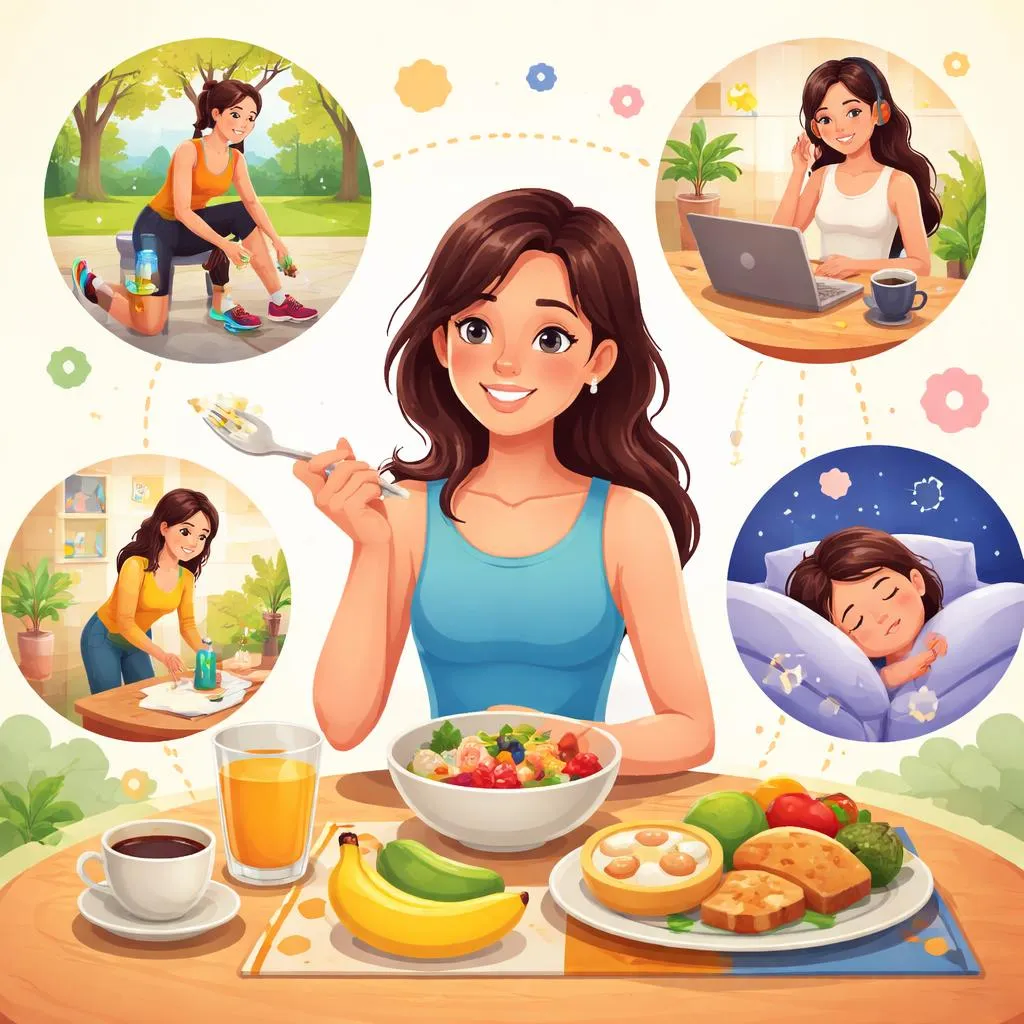
Last Saturday, Mia played soccer with friends. She felt hungry after the game. She ate a banana to get quick energy. The banana was sweet and soft. Later, Mia celebrated her birthday. Her family consumed a huge pepperoni pizza. Everyone ate slices happily. Both actions involved taking in food. But one was a small snack. The other was a big meal. Let’s learn the difference.
Word Breakdown
Core Principle
We reject boring dictionary definitions. We use pictures in your mind. We add functions and memory hooks. This helps you remember forever.
Eat To Do
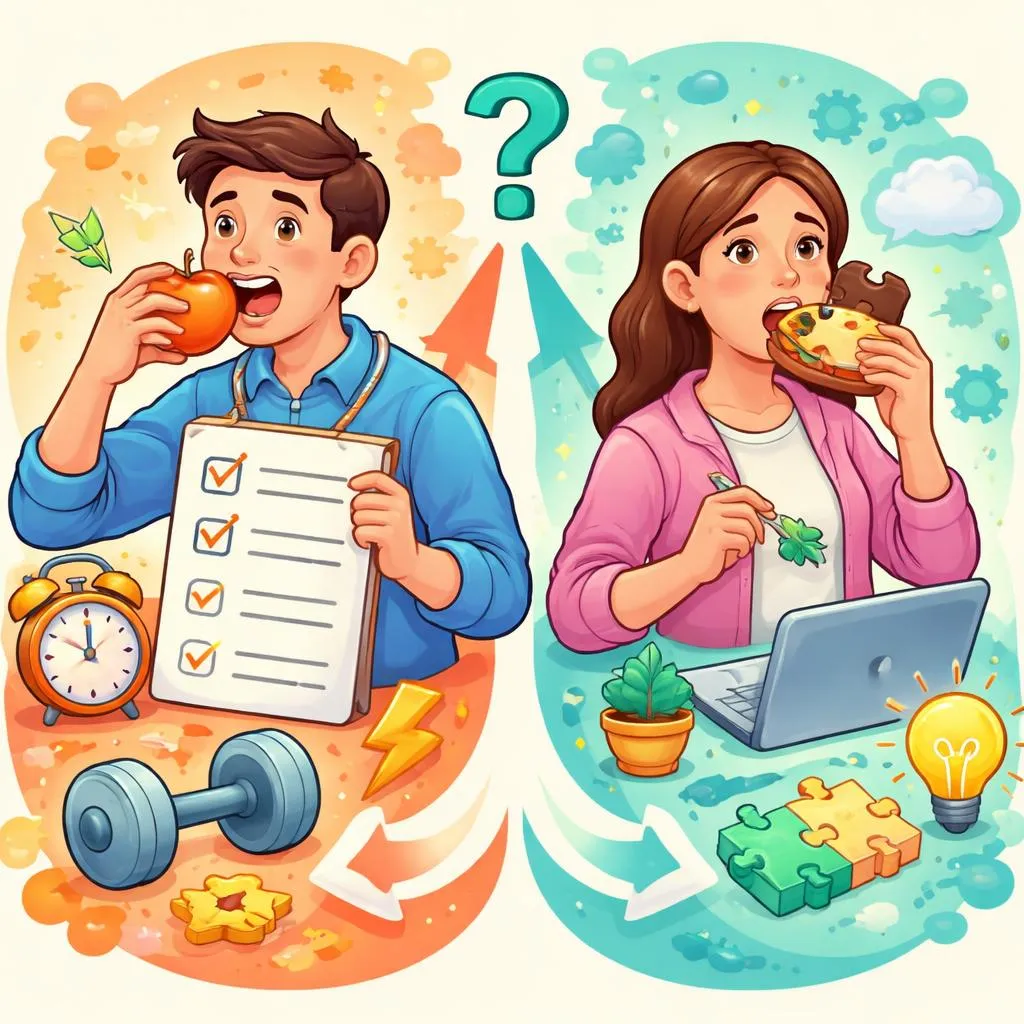
Image: Imagine biting into a crisp apple. Juice runs down your chin. That is eat to do. It means taking food into your mouth for nourishment.
Function: It is for regular meals and snacks. Like eat breakfast before school. Or eat an orange at recess.
Sensory Description: You hear a crunch. You taste sweetness. Your stomach feels satisfied.
Memory Anchor: An apple with a bite taken out. See the teeth marks? That is eat to do.
Consume To Do
Image: Think of finishing a whole large pizza. Only crumbs remain. That is consume to do. It means eating or using up something completely, often formally.
Function: It is for large quantities or formal contexts. Like consume the entire cake at a party. Or consume resources carefully.
Sensory Description: You feel very full. You see an empty plate. Your body feels heavy.
Memory Anchor: An empty pizza box with grease stains. See the missing slices? That is consume to do.
Advanced Comparison
Eat is casual and everyday. Consume is formal and for larger amounts. Eat uses simple verbs. Consume suggests finishing everything. Use eat for daily meals. Use consume for big feasts.
Scene Comparison
Scene One happens at home. Leo comes back from school. He eats a granola bar quickly. His mom nods approvingly. This is eat to do—a small, regular snack.
Scene Two takes place at a birthday party. Emma’s family orders three pizzas. They consume all of them. The table is full of empty boxes. This is consume to do—a large quantity of food.
Scene Three occurs during a picnic. Ben eats a sandwich for lunch. Later, he consumes a whole watermelon. His friends laugh at the seeds. Notice the shift. Eating is normal. Consuming is substantial.
Pitfalls Deep Reminder
Mistake One is saying “I consumed a single grape.” Why wrong? Grapes are eaten casually. Consuming is for large amounts. Funny result? Friends imagine you writing a formal report on one grape. Correct phrase is eat the grape. Memory trick: Eat is for small bites.
Mistake Two is saying “I ate the entire buffet.” Why wrong? Buffets are consumed completely. Eating sounds too small. Funny result? Waiter thinks you only took one spoonful. Correct phrase is consume the buffet. Memory trick: Consume is for big meals.
Mistake Three is saying “I consumed my morning toast.” Why wrong? Toast is a simple breakfast. Consuming is overly formal. Funny result? Siblings think you are pretending to be a king. Correct phrase is eat your toast. Memory trick: Eat is for daily food.
Mistake Four is saying “I ate the whole turkey.” Why wrong? Turkey at Thanksgiving is consumed. Eating is too casual. Funny result? Guests wonder if you left any for others. Correct phrase is consume the turkey. Memory trick: Consume is for feasts.
Interactive Exercises
Read each sentence and choose the right phrase. I eat the cookie after school. Or I consume the cookie after school. Which sounds natural? The first one. Now try more. She eats a salad for lunch. He consumes the giant burrito. We eat popcorn at movies. They consume the entire pie.
Act out mini scenes with a friend. One scene: You are hungry after practice. Say I need to eat this apple now. Your friend replies Eat it quickly before dinner. Another scene: You are at a party. Say We will consume all the tacos. Your friend says Consume them before they get cold.
Find the odd sentence. I consumed a handful of berries. Why odd? Berries are eaten. Use eat instead. I ate the massive sub sandwich. Why odd? Massive subs are consumed. Use consume instead. I consumed my small bowl of cereal. Why odd? Cereal is eaten. Use eat instead.
Create your own sentences. Use eat to do: I eat a peach every afternoon. Use consume to do: I consume a lot of noodles at the festival.
Bonus challenge: You finish a whole tub of ice cream. Do you eat or consume it? Answer: Consume. It is a large amount.
Rhyme Time
Eat it small, consume it big.
One is casual, one is a jig.
Daily snack? Choose eat.
Feast so grand? Consume to greet.
Homework Task
Pick one activity to complete this week. Share with family. Option one: Keep a drawing journal. Get a small notebook. Draw three pictures. First picture shows you eating something. Write I ate a muffin for breakfast. Second picture shows you consuming something. Write I consumed a whole pizza with friends. Third picture shows you eating something else. Write I ate an apple after school. Show your journal to a parent. Explain the differences.
Option two: Role play with parents. You say I will eat my vegetables now. Parent says Good, they give you energy. You say I need to consume this large pasta dish. Parent says Save room for dessert. Practice until it feels natural.
Option three: Sharing time tomorrow. Tell a friend about your day. Say Yesterday I ate a sandwich. I consumed a huge burger. Ask your friend about theirs.
Life Practice
Week challenge: Try one task and share your success. Task one: Observation log. For three days, note eat and consume moments. Draw icons. Day one: Eat a snack. Draw a fruit icon. Day two: Consume a meal. Draw a pizza icon. Day three: Eat another snack. Draw a cookie icon. Show your log to your teacher. Place it on the classroom wall.
Task two: Action demo. Use both phrases in real actions. Step one: Take a bite of an apple. Say I eat this apple. Step two: Finish a whole bag of chips. Say I consume all these chips. Demonstrate to a sibling. Explain the difference.
Task three: Social mission. Use phrases with others. Eat a friend’s offered cracker. Say I ate your cracker, thank you! Consume a classmate’s shared cake. Say I consumed two slices already! Record a short voice message. Send it to your teacher.
Task four: Creative story. Write a short tale including both phrases. Title: The Hungry Day. Story: I ate a banana before soccer. Then I consumed a giant sandwich after. What a tasty day! Share your story in class.
Remember, practice makes perfect. Use these phrases often. Soon they will feel easy.