
Fun Introduction
Last Saturday, Mia helped her mom in the kitchen. She heated soup for lunch. The pot bubbled and steamed. Later, Mia warmed her hands by the fireplace. She felt cozy and relaxed. Both actions made things hotter. But one cooked food. The other comforted a person. Let’s learn the difference.
Word Breakdown
Core Principle
We reject boring dictionary definitions. We use pictures in your mind. We add functions and memory hooks. This helps you remember forever.
Heat To Do
Image: Imagine a pot of soup on the stove. Flames lick the bottom. That is heat to do. It means raising temperature for cooking or melting.
Function: It is for preparing food. Like heat milk for cocoa. Or heat water for tea.
Sensory Description: You feel radiating warmth. You hear boiling sounds. Your nose smells cooking aromas.
Memory Anchor: A steaming pot on a burner. See the rising steam? That is heat to do.
Warm To Do
Image: Think of wrapping cold hands around a mug. The ceramic feels nice. That is warm to do. It means making something comfortably hot, not cooking.
Function: It is for personal comfort. Like warm your feet by the heater. Or warm a blanket in the dryer.
Sensory Description: You feel gentle heat. You hear soft humming. Your body relaxes into the warmth.
Memory Anchor: Hands cradling a warm mug. See the peaceful smile? That is warm to do.
Advanced Comparison
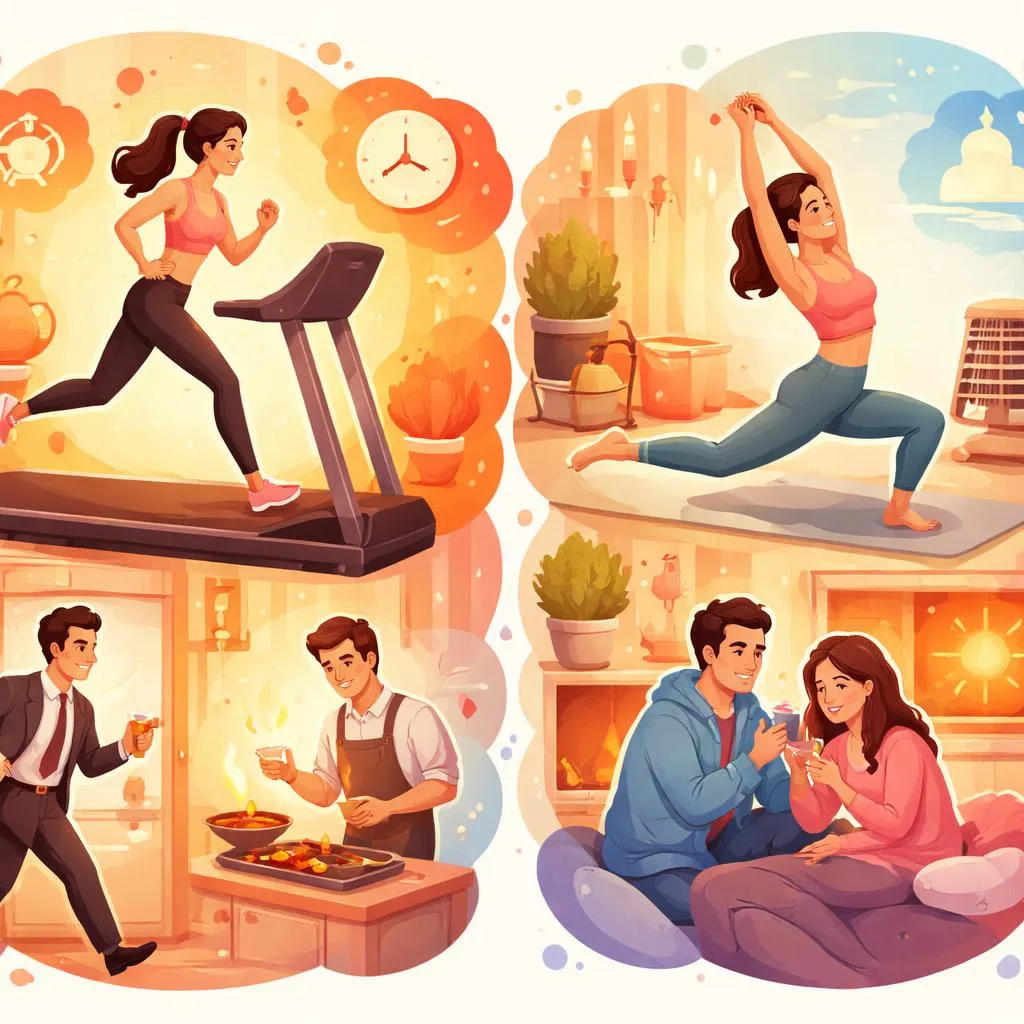
Heat is for cooking with high heat. Warm is for gentle comfort. Heat changes food. Warm comforts you. Use heat for stovetop tasks. Use warm for cozy moments.
Scene Comparison
Scene One happens in the kitchen. Leo helps make macaroni. He heats the sauce until it bubbles. His mom stirs carefully. This is heat to do—cooking with purpose.
Scene Two takes place by the window. Emma feels chilly after playing outside. She warms her hands with her breath. Her cheeks turn pink. This is warm to do—seeking comfort.
Scene Three occurs during winter mornings. Ben heats water for his oatmeal. Steam rises from the bowl. Later, he warms his socks on the radiator. Notice the shift. Heating prepares food. Warming brings personal coziness.
Pitfalls Deep Reminder
Mistake One is saying “I warmed the soup.” Why wrong? Soup needs heating to cook. Warming is too gentle. Funny result? Friends slurp lukewarm broth. Correct phrase is heat the soup. Memory trick: Heat is for food.
Mistake Two is saying “I heated my cold feet.” Why wrong? Feet need warming gently. Heating implies high temperatures. Funny result? Doctor treats burned toes. Correct phrase is warm your feet. Memory trick: Warm is for body comfort.
Mistake Three is saying “I warmed the wax for candles.” Why wrong? Wax needs heating to melt. Warming barely softens it. Funny result? Candles refuse to set. Correct phrase is heat the wax. Memory trick: Heat melts things.
Mistake Four is saying “I heated my blanket.” Why wrong? Blankets need warming, not cooking. Heating could scorch fabric. Funny result? Mom scolds a smoky mess. Correct phrase is warm the blanket. Memory trick: Warm is for cozy items.
Interactive Exercises
Choose the Right Phrase
Read each sentence. Pick heat or warm.
I ___ the milk for my baby sister. (heat/warm)
She ___ her hands by the campfire. (heat/warm)
We ___ the tortillas on a skillet. (heat/warm)
He ___ his cold ears after sledding. (heat/warm)
They ___ the glue for the craft project. (heat/warm)
Mini Theater
Act with a friend. Use the phrases.
Scene A: Cooking Task
A: My cocoa is cold. I need to ___ it up.
B: Put it in the microwave for thirty seconds.
Scene B: Comfort Moment
A: Brr! My fingers are freezing. I must ___ them.
B: Here, hold this warm mug.
Spot the Mistake
Which sentence sounds odd? Explain why.
Sentence: I warmed the frying pan before adding oil.
Reason: Pans need heating for cooking. Use heat instead.
Sentence: I heated my scarf in the dryer.
Reason: Scarves need warming. Use warm instead.
Sentence: We warmed the chocolate for dipping.
Reason: Chocolate needs heating to melt. Use heat instead.
Create Sentences
Use both phrases.
Heat to do: I heat water for my morning tea.
Warm to do: I warm my pajamas before bed.
Bonus Challenge
You take a cold pie from the fridge. Do you heat or warm it? Answer: Heat. It needs cooking temperature.
Rhyme Time
Heat to cook, warm to coze.
One makes meals, one soothes toes.
Kitchen flame? Choose heat.
Snuggly comfort? Warm to meet.
Homework Task
Pick one activity. Complete it this week. Share with family.
Option One: Drawing Journal. Get a small notebook. Draw three pictures. Write a sentence under each.
Picture One: You heat something. Sentence: I heated tomato soup for lunch.
Picture Two: You warm something. Sentence: I warmed my hands by the vent.
Picture Three: You heat something else. Sentence: I heated milk for cereal.
Show your journal to a parent. Explain the differences.
Option Two: Role Play. With a parent, act out moments. Use phrases correctly.
You: Mom, I will heat the waffles for breakfast.
Parent: Good. Watch the toaster closely.
You: Dad, I need to warm my gloves.
Parent: Toss them in the dryer for five minutes.
Practice until it feels natural.
Option Three: Sharing Time. Tomorrow at school, tell a friend. Describe one heat and one warm. Say: Yesterday I heated noodles. I warmed my socks. Ask your friend about theirs.
Life Practice
Week Challenge: Try one task. Complete within seven days. Share your success.
Task One: Observation Log. For three days, note heat and warm moments. Draw icons.
Day One: Heat soup. Draw a pot icon.
Day Two: Warm hands. Draw a mitten icon.
Day Three: Heat oatmeal. Draw a bowl icon.
Show your log to your teacher. Place it on the classroom wall.
Task Two: Action Demo. Use both phrases in real actions.
Step One: Microwave leftovers. Say: I heat this pasta.
Step Two: Place slippers near heater. Say: I warm these by the vent.
Demonstrate to a sibling. Explain the difference.
Task Three: Social Mission. Use phrases with others.
Heat a friend’s cold drink. Say: I heated this cider for you!
Warm a classmate’s chilly shoulders. Say: I warmed your scarf!
Record a short voice message. Send it to your teacher.
Task Four: Creative Story. Write a short tale. Include both phrases.
Title: The Cozy Kitchen.
Story: I heated stew for dinner. Then I warmed my blanket by the fire. What a perfect evening!
Share your story in class.
Remember, practice makes perfect. Use these phrases often. Soon they will feel easy.